
Why gum disease treatment matters for tooth loss prevention
If you are noticing bleeding when you brush, gum recession, or persistent bad breath, you may already be living with gum disease. Seeing a skilled gum disease treatment dentist as early as possible is one of the most effective ways to prevent tooth loss and protect your overall health. Nearly half of adults in the United States have some form of gum disease, and it is a leading cause of tooth loss in adults [1].
Gum disease does not usually get better on its own. Without timely care, inflammation can damage the bone and tissue that hold your teeth in place. With expert diagnosis, targeted treatment, and ongoing periodontal maintenance, you can control infection, stabilize your gums, and keep your natural teeth for as long as possible.
Understanding gum disease and your symptoms
Stages of gum disease
Gum disease progresses in stages, and your gum disease treatment dentist tailors care to where you are on that spectrum.
-
Gingivitis
This is the earliest stage. Your gums may look red, puffy, or bleed when you brush or floss. At this point, the damage is still reversible with professional cleanings and improved home care [1]. -
Early to moderate periodontitis
Inflammation starts to damage the fibers and bone that anchor your teeth. Pockets develop between your gums and teeth where bacteria collect. You might notice gum recession, bad breath, or tenderness. -
Advanced periodontitis
Bone loss becomes more extensive, pockets deepen, and your teeth may feel loose or shift positions. In advanced stages, you are at high risk for tooth loss and may need advanced periodontal treatment, including surgery, to save your teeth.
Gum disease often progresses silently. Regular checkups and a thorough periodontal evaluation help your dentist identify problems early, before you experience significant pain or mobility.
Common warning signs you should not ignore
You may benefit from a focused dentist for gum problems visit if you notice:
- Gums that bleed when you brush or floss
- Swollen, red, or tender gums
- Receding gums or teeth that look longer than before
- Persistent bad breath or a bad taste in your mouth
- Pus at the gumline
- Spaces developing between teeth
- Loose teeth or changes in your bite
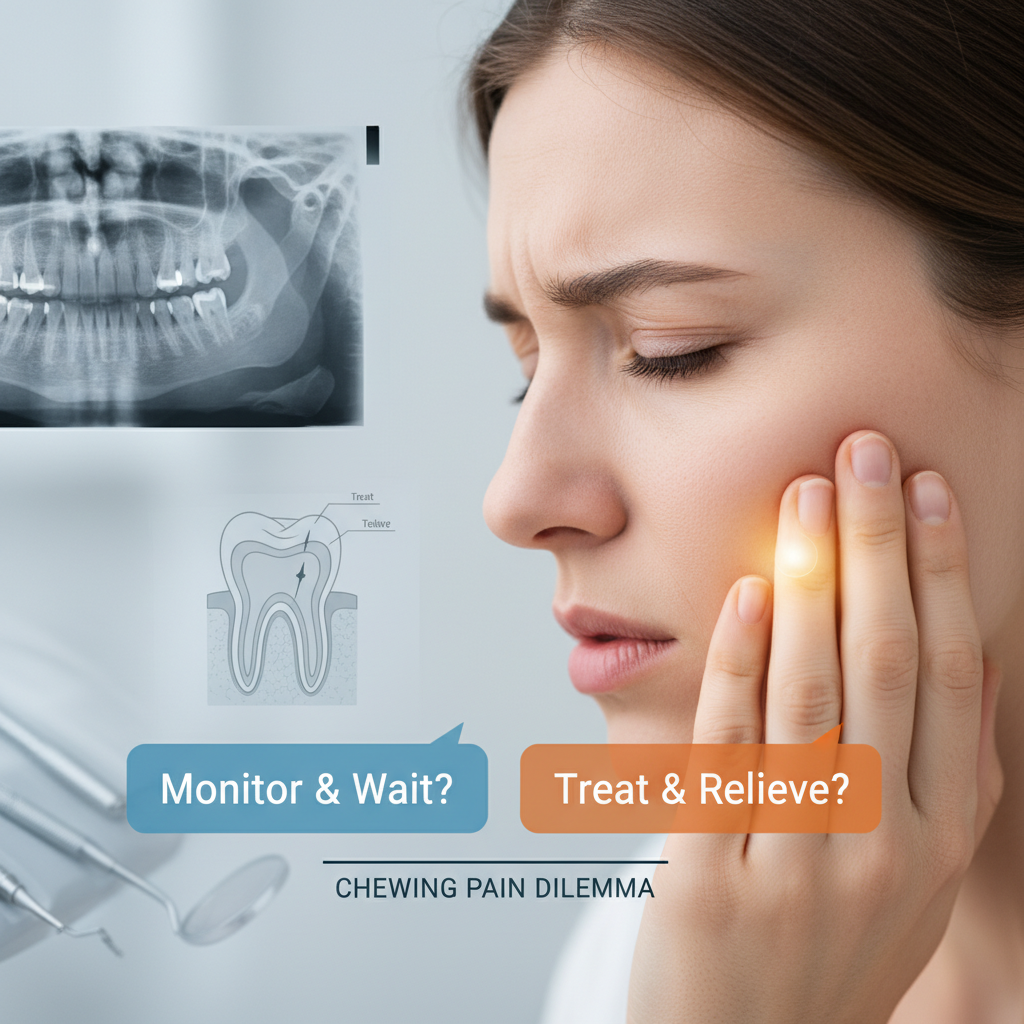
- Pain when chewing
These are key indicators that you may need targeted gum infection treatment or gum inflammation treatment to stop disease progression and protect your teeth.
How a gum disease treatment dentist evaluates your gums
Comprehensive periodontal evaluation
Your first step is a detailed assessment. During a periodontal exam, your dentist or hygienist:
- Reviews your medical and dental history, including smoking, diabetes, medications, and family history
- Measures pocket depths around each tooth with a small probe
- Assesses gum recession, bleeding, and inflammation
- Evaluates tooth mobility and bite
- Reviews current X‑rays to check bone levels and detect bone loss
Pocket depth measurements are especially important. Healthy gums usually have pockets of 1 to 3 millimeters. Deeper pockets hold more plaque and bacteria and indicate the need for focused gum pocket cleaning.
When you may be referred to a periodontist
Treatment for periodontitis can be provided by a general dentist or a periodontist. A periodontist is a dental specialist in gum disease who often works with a dental hygienist to clean pockets around teeth and help prevent damage to gums and bone [2].
If your general dentist identifies severe periodontitis, they may refer you to a specialist who manages more complex cases [2]. This collaborative approach is designed to give you the best chance of saving your natural teeth.
Non‑surgical gum disease treatment options
In many cases, your gum disease treatment dentist can control infection and help you avoid surgery with non‑surgical therapies. These are typically the first line of care, especially in early and moderate disease.
Professional cleaning for gingivitis and early disease
If you are dealing with bleeding or mild inflammation, targeted early stage gum disease treatment often begins with an in‑depth cleaning. Professional cleaning removes plaque and tartar from above and just below the gumline, where your toothbrush and floss cannot reach.
For many patients with gingivitis, routine dental cleaning combined with brushing two to three times a day, daily flossing, and regular exams is enough to reverse this earliest stage of gum disease [1].
If you have consistent bleeding, a tailored bleeding gums treatment plan may involve more frequent cleanings, medicated rinses, and coaching to refine your home care technique.
Scaling and root planing deep cleaning
When pockets are deeper or tartar accumulates under the gums, your dentist may recommend scaling and root planing. This is often referred to as a deep cleaning for gums or deep cleaning dental appointment.
During scaling and root planing, your care team:
- Numbs the treated area for comfort
- Carefully removes plaque and tartar above and below the gumline
- Smooths the root surfaces to make it harder for bacteria to reattach
- May apply localized antibiotics or antimicrobial rinses to reduce bacterial levels
Scaling and root planing is a cornerstone of non‑surgical gum disease care. It helps your gums tighten back around your teeth and reduces pocket depths [3]. Deep cleaning is also an essential pre‑surgical step if you later require periodontal surgery, because it removes tartar and bacteria and smooths root surfaces to support healing [4].
Non‑surgical treatment for early‑stage periodontitis is aimed at controlling infection and stopping disease progression, often without the need for invasive procedures or downtime [5].
After scaling and root planing, it is common to notice less bleeding, reduced swelling, and improved breath as your gums begin to heal and tighten.
Antimicrobial and adjunctive therapies
Your gum disease treatment dentist may enhance deep cleaning with additional therapies, especially if infection is more aggressive. These can include:
- Local antibiotic gels or powders placed in deep pockets
- Prescription antimicrobial mouth rinses
- Host modulation therapies that help your body respond better to bacterial challenge
These approaches target bacteria that your toothbrush and floss cannot fully remove and support your body in repairing inflamed tissues.
When surgical periodontal treatment is recommended
Non‑surgical treatments are very effective, especially when disease is detected early. However, more advanced periodontitis sometimes requires surgical intervention to repair damage and save at‑risk teeth.
Pocket reduction and flap surgery
Pocket reduction surgery, also called osseous surgery or flap surgery, is used in moderate to advanced periodontal disease. During this procedure, a periodontist makes careful incisions to fold back the gum tissue, then removes deep plaque and tartar below the gumline and contours damaged bone. The gums are then repositioned to reduce pocket depths and make it easier to keep the area clean [1].
Periodontal surgery becomes necessary when non‑surgical treatments fail or when more severe gum disease is present. Surgery addresses problems related to your gums and the supporting structures of your teeth to help preserve your oral health [6].
Regenerative procedures to rebuild support
In areas of advanced bone loss, your periodontist may recommend regenerative procedures, such as:
- Bone grafting to rebuild lost bone
- Guided tissue regeneration using membranes to direct new tissue growth
- Gum grafting to cover exposed roots and thicken delicate gum tissue
These surgeries help regrow damaged tissues and bone, reduce the risk of bacterial growth in bone crevices, and treat both the gum disease and the damage it has caused [4].
Surgical treatments usually involve a recovery period of one to four weeks and are typically reserved for moderate to severe periodontitis that does not respond fully to non‑surgical therapy [3].
What to expect from your deep cleaning and follow‑up
Understanding what happens during treatment can make the process easier and help you feel more confident about your care.
Your deep cleaning visit
At your deep cleaning appointment, your dentist or hygienist will:
- Numb the treated area for comfort
- Work quadrant by quadrant or half by half, depending on how many areas require care
- Use specialized instruments or ultrasonic devices to gently remove plaque, tartar, and biofilm
- Smooth rough root surfaces to support gum reattachment
- Review post‑treatment instructions and home care recommendations
If you have significant inflammation or sensitivity, your dentist may break treatment into multiple deep cleaning dental appointment sessions so you stay comfortable.
Healing and immediate aftercare
After scaling and root planing you may notice:
- Mild soreness or sensitivity for a few days
- Slight gum tenderness
- Temporary increased cold sensitivity
These effects usually improve quickly as your gums heal. Your dentist may suggest over‑the‑counter pain relievers, a soft diet for a day or two, and gentle brushing with a soft toothbrush. It is important not to skip brushing and flossing. Keeping the area clean supports healing and reduces the risk of reinfection.
For many patients, deep cleaning significantly improves symptoms like bleeding and painful, swollen gums, especially when combined with a focused treatment for swollen gums plan.
Managing chronic gum disease and long‑term maintenance
Gum disease is typically manageable rather than curable. Even with successful treatment, you remain more prone to inflammation than someone who has never had periodontal problems, so ongoing care is essential.
Periodontal maintenance appointments
After active treatment, you will transition into regular periodontal maintenance appointment visits. These are more targeted than standard cleanings and are scheduled more frequently, often every 3 to 4 months.
During maintenance visits, your team will:
- Re‑measure pocket depths and monitor changes
- Remove plaque and tartar from above and below the gumline
- Reinforce home care techniques
- Address early signs of recurring inflammation before it progresses
This structured plan is a key part of how you manage gum disease long term and helps maintain the progress you achieved during active therapy.
Home care habits that protect your gums
Successful gum disease control depends on teamwork between you and your dental professionals. Effective habits at home include:
- Brushing at least twice a day with a soft‑bristled brush
- Cleaning between your teeth daily with floss, interdental brushes, or a water flosser
- Using recommended antimicrobial rinses if prescribed
- Avoiding tobacco, which is strongly linked to poorer periodontal treatment outcomes and more severe bone loss [7]
- Managing systemic conditions like diabetes as advised by your physician
- Keeping all scheduled dental and periodontal therapy appointments
Research shows that the success rate of periodontal treatment can be high, up to approximately 95 percent depending on the procedure and post‑treatment care. However, gum disease requires consistent monitoring and excellent home care to remain stable over the long term [3].
Addressing specific concerns: recession, bad breath, and tooth loss risk
Your symptoms may point to particular areas where your gum disease treatment dentist can help you protect your smile.
Receding gums and root exposure
If your gums are pulling back or your teeth appear longer, you may benefit from a dentist for receding gums evaluation. Gum recession can be caused by periodontitis, brushing too hard, clenching, or even genetics.
Treatment may involve:
- Controlling active inflammation with non‑surgical therapy
- Adjusting your brushing technique
- Smoothing exposed roots to reduce sensitivity
- In some cases, gum grafting to cover exposed areas and improve both health and appearance
Because receding gums often signal underlying bone loss, addressing them promptly is an important part of how you prevent tooth loss from gum disease.
Bad breath linked to gum disease
Persistent bad breath or a bad taste in your mouth is a common sign of periodontal infection. Bacteria trapped in deep pockets release sulfur compounds that cause odor.
A personalized bad breath from gum disease treatment plan typically includes:
- Thorough deep cleaning to remove bacteria and tartar
- Improved daily plaque control at home
- Possible antimicrobial rinses or localized medications
When gum infection is brought under control, breath usually improves significantly.
Your risk of tooth loss and how treatment helps
Untreated periodontitis is a major cause of tooth loss in adults [1]. By working closely with a gum disease treatment dentist, you can:
- Stop active infection
- Preserve remaining bone and supporting tissue
- Tighten loose teeth where possible
- Reduce the need for future extractions or complex restorations
If you are already living with long‑standing issues, targeted chronic gum disease care helps you stabilize what you have, protect remaining teeth, and plan proactive solutions that support your function and confidence.
Taking the next step toward healthier gums
If you are searching for a gum disease treatment dentist because of bleeding gums, swelling, infection, or loose teeth, you are not alone, and you are not too late to act. Gum disease is common, but with the right combination of professional treatment and daily habits, it is also highly manageable.
A thorough periodontal evaluation and tailored periodontal therapy plan can help you:
- Calm active inflammation and infection
- Restore comfort and chewing function
- Improve your breath and confidence
- Significantly reduce your risk of tooth loss from gum disease
By choosing to address gum problems now, you are taking an important step to protect your smile, your health, and your quality of life for years to come.