Why you should see a dentist for receding gums
If you are searching for a dentist for receding gums, you are already taking an important step to protect your oral health. Gum recession happens when the gum tissue pulls away from your teeth and exposes the roots underneath. This can lead to sensitivity, higher risk of cavities on the roots, and eventually tooth loss if it is not treated. It is very common as you age, affecting close to 88% of people over 65 according to the Cleveland Clinic, so you are not alone in facing this problem [1].
You cannot make receding gums grow back on their own. However, with the right dentist and the right treatment plan, you can stop the recession from getting worse, protect exposed roots, and maintain your teeth for the long term. Understanding what is happening to your gums, and how a gum disease treatment dentist approaches care, helps you make confident decisions about your next steps.
Understanding receding gums and gum disease
Receding gums are often a sign of underlying gum disease. Over time, plaque and tartar at the gumline cause inflammation, infection, and loss of the supporting tissues around your teeth. Eventually, your gums pull away and leave gaps, called periodontal pockets, where more bacteria collect.
According to Cigna, receding gums are considered a progressed stage of gingivitis that has moved into periodontal disease [2]. That means you are not just dealing with a cosmetic issue. You are dealing with a chronic infection that can damage the bone and fibers that hold your teeth in place.
Common causes of gum recession include:
- Periodontal disease and long-standing gum infection
- Brushing too hard or using a hard-bristled toothbrush
- Smoking or vaping
- Teeth grinding or clenching
- Hormonal changes and some medications that dry your mouth
- Genetics and naturally thin or fragile gum tissue [3]
When you see a dentist for gum problems early, it is often possible to manage the disease with conservative treatments. Waiting until your gums are very receded or your teeth feel loose usually means more complex, and more expensive, care later.
Signs it is time to see a dentist for gum recession
You should not wait until you are in pain to visit a dentist for receding gums. Gum disease can be nearly painless until it is very advanced. If you notice any of these signs, it is time to schedule a visit with a dentist for gum problems:
- Gums that look like they are pulling away from your teeth
- Teeth that look longer than they used to
- Bleeding when you brush or floss, or spontaneous bleeding
- Red, swollen or tender gums that may need treatment for swollen gums
- Persistent bad breath or a bad taste, which may require bad breath from gum disease treatment
- Teeth that feel sensitive to hot, cold or sweet foods
- Spaces forming between teeth that were not there before
- Teeth that feel loose or are shifting
If you are already seeing bleeding, you may benefit from targeted bleeding gums treatment. If your gums are inflamed or infected, early gum infection treatment can prevent more serious problems, including tooth loss.
How dentists diagnose receding gums and periodontal disease
When you visit a dentist for receding gums, your appointment is about more than a quick visual check. Your provider will complete a thorough gum and bone evaluation to understand the full picture of your periodontal health.
Periodontal evaluation and pocket measurements
A key part of diagnosis is a periodontal evaluation. Your dentist or hygienist will use a thin measuring instrument, called a periodontal probe, to gently check the depth of the gaps between your gums and teeth. The Cleveland Clinic notes that this is the standard way dentists diagnose gum recession and periodontal disease [1].
- Healthy gums usually have pockets of 1 to 3 millimeters
- Pockets around 4 mm suggest gingivitis or early gum disease
- Pockets 5 mm or deeper point to established periodontal disease and higher risk of bone loss [4]
Your dentist will chart these measurements tooth by tooth. This map helps determine whether you need early stage gum disease treatment or more advanced periodontal treatment.
X‑rays and clinical findings
To see the supporting bone around your teeth, your dentist will typically take dental X‑rays. These images show:
- Bone height and bone loss around each tooth
- Tartar below the gumline that cannot be seen during a basic exam
- Areas at higher risk for future gum and tooth problems
Together with your gum measurements, the dentist will also look for:
- Gum recession levels on each tooth
- Plaque and tartar buildup
- Signs of inflammation, bleeding or pus in the gums
- Tooth mobility and bite changes
Based on all of this information, your dentist can recommend the best gum disease treatment dentist approach for your specific situation.
Non‑surgical treatment options for receding gums
For many people, the first line of treatment for receding gums does not involve surgery. Instead, your dentist focuses on removing the infection, cleaning the roots, and creating a healthy environment so your gums can stabilize.
Scaling and root planing (deep cleaning)
The most common non‑surgical treatment is scaling and root planing. This is a form of deep cleaning for gums that targets plaque, tartar and bacteria below the gumline.
During scaling and root planing:
- Plaque and hardened tartar are removed from the tooth surfaces above and below the gums
- The roots are smoothed so bacteria have fewer places to attach
- Irrigants or medications may be used in the pockets to reduce bacterial levels
This procedure is usually completed in sections of your mouth, sometimes over 2 to 4 visits, depending on how many teeth are involved and how deep your pockets are. It is typically done under local anesthesia so you stay comfortable. A deep cleaning dental appointment often makes your gums feel less inflamed and can greatly reduce bleeding.
Antimicrobial and medicated therapies
To support deep cleaning, your dentist may recommend:
- Antimicrobial mouth rinses
- Local antibiotics placed directly in deep pockets
- Topical gels or varnishes that help control bacterial activity
Cigna notes that treatment can include antibiotics in several forms, depending on the severity of your gum disease [2]. These therapies are designed to support the mechanical cleaning you receive in the dental chair, not to replace it.
Desensitizing and protective treatments
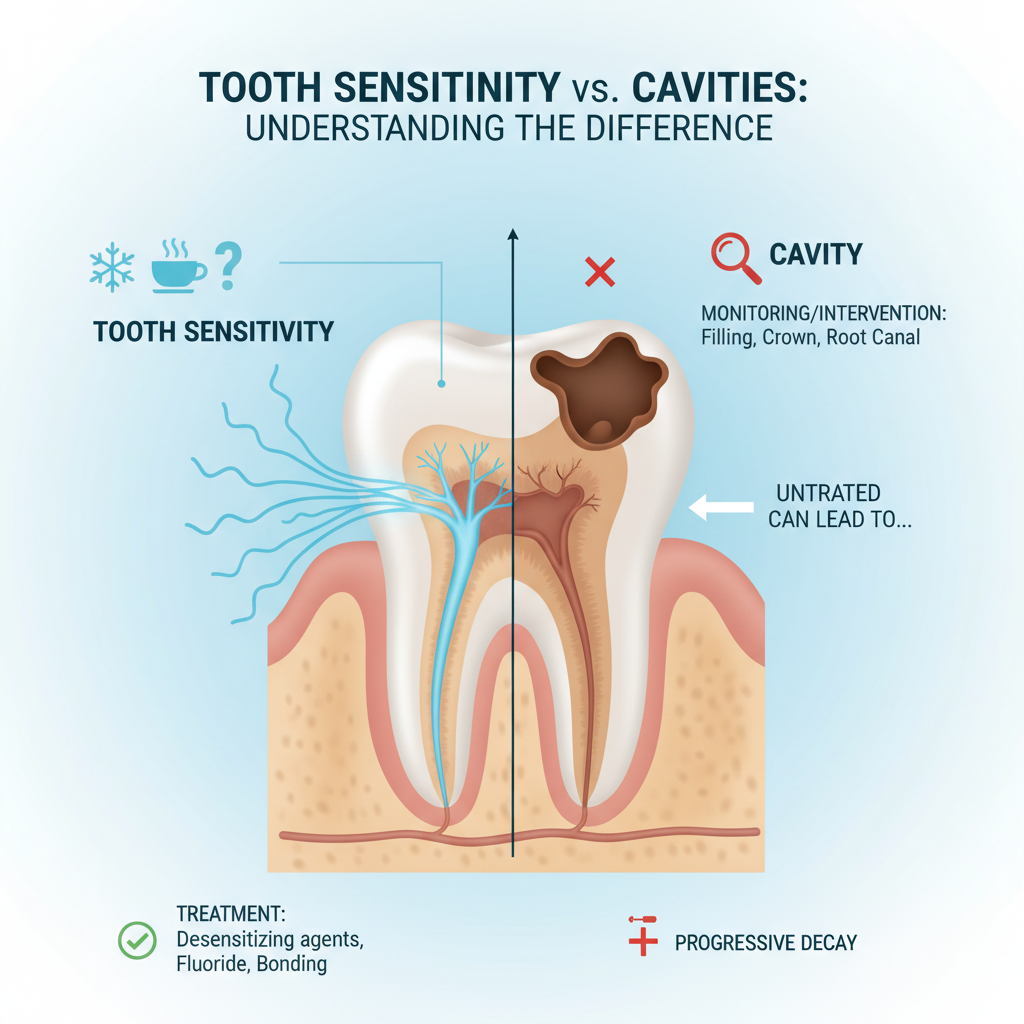
Even when your gums cannot be moved back to their original position, your dentist can often reduce sensitivity and protect exposed roots. The Cleveland Clinic explains that receding gums do not grow back, but treatments like fluoride varnish, desensitizing toothpaste, topical antibiotics, and dental bonding can help manage symptoms and protect the teeth [1].
Depending on your needs, your dentist may recommend:
- In-office fluoride varnish on exposed roots
- Prescription or high‑fluoride toothpaste for home use
- Desensitizing toothpaste to reduce nerve response
- Composite bonding to cover sensitive root areas
These steps can make everyday activities like drinking hot coffee or eating ice cream much more comfortable.
Surgical treatments, including gum grafting
If your gum recession is severe or your roots are very exposed, you may be a candidate for periodontal surgery. Surgical treatment is often handled by a periodontist, a dentist who specializes in gum and bone health.
Flap surgery and pocket reduction
In some cases, your dentist or periodontist may recommend flap surgery to:
- Lift the gums away from the teeth
- Clean tartar and infected tissue from deep pockets
- Smooth damaged bone if needed
- Reposition the gum tissue to reduce pocket depth [2]
The goal is to create shallower, easier‑to‑clean pockets so you can maintain your gum health more effectively going forward.
Soft tissue grafting for receding gums
For many patients, gum grafting is the most direct treatment for receding gums. The Cleveland Clinic and South Anchorage Dental Center both describe gum graft surgery as the most effective and long‑lasting way to replace lost gum tissue [5].
In a typical gum graft:
- The periodontist takes a small piece of tissue from the roof of your mouth, or uses carefully processed donor tissue
- The tissue is placed over the area of recession
- The graft is stitched into place so it can heal and integrate with the surrounding gum
This procedure can:
- Cover exposed roots to improve comfort and appearance
- Reduce further gum recession
- Protect teeth from root decay and wear
Healing from gum graft surgery usually takes about two weeks. The Cleveland Clinic notes that following your surgeon’s instructions closely is critical for a smooth and comfortable recovery [1].
Bone grafting in advanced cases
In cases where gum disease has already destroyed bone, your periodontist may also recommend bone grafting. Cigna explains that bone grafts are sometimes used to stabilize teeth and rebuild support where periodontal disease has caused significant damage [2]. This is usually part of more extensive advanced periodontal treatment.
How to prevent further gum recession and protect your teeth
Once you have seen a dentist for receding gums and completed initial treatment, your daily habits become essential to protect your results. Up to half of the global population has some form of periodontal disease, so prevention is a lifelong priority [6].
Daily care at home
Dr. Evan Grodin, a prosthodontist and periodontist, stresses that good oral hygiene is critical to preventing gum recession and periodontal disease [6]. That includes:
- Brushing twice a day with fluoride toothpaste
- Flossing daily to remove plaque between teeth
- Using an antimicrobial mouthwash if recommended by your dentist
Your brushing technique matters just as much as how often you brush. Using a soft-bristled toothbrush with gentle, circular motions at a 45‑degree angle to the gumline helps clean effectively without damaging delicate tissues [6]. If you tend to brush aggressively, your dentist or hygienist can show you a safer technique.
Lifestyle choices that protect your gums
Beyond brushing and flossing, other habits play a role in your gum health:
- Avoid or quit smoking and vaping. Tobacco use is a major risk factor for gum disease and it also slows healing after treatment [6].
- Manage grinding or clenching with a night guard if your dentist recommends one.
- Address dry mouth, especially if medications make it worse, with guidance from your dentist or physician.
- Maintain regular dental visits for cleanings and exams so early problems can be treated before they progress.
These steps help you prevent tooth loss from gum disease and keep your treatment results stable.
The role of periodontal maintenance and long‑term care
Gum disease is a chronic condition. Even after successful treatment, bacteria can build up again if you do not stay on a preventive schedule. This is where periodontal maintenance appointment visits come in.
What happens at periodontal maintenance visits
After treatments like scaling and root planing or surgery, you will usually return every 3 to 4 months for periodontal maintenance. These visits go beyond a standard cleaning and typically include:
- Careful review of your medical and oral health changes
- Measurement of gum pocket depths to watch for changes
- Targeted gum pocket cleaning in areas that trap plaque
- Removal of plaque and tartar above and below the gumline
- Polishing of teeth and reinforcement of home‑care techniques
If your dentist sees signs of inflammation, they may recommend additional gum inflammation treatment or adjust your chronic gum disease care plan. The goal is to manage gum disease long term, rather than waiting for another major flare‑up.
Periodontal maintenance is not an optional extra. It is part of the standard of care for anyone who has had moderate to severe gum disease.
Adjusting your care plan over time
Your needs may change as your gums stabilize, as you age, or if your medical conditions change. Regular communication with your gum disease treatment dentist helps you stay ahead of problems, instead of reacting after damage has already occurred.
In some periods you may need more frequent cleanings or additional localized treatments. At other times, your gum measurements may remain stable and your dentist may extend the interval between visits. A flexible, monitored approach gives you the best chance of keeping your natural teeth.
Choosing the right dentist for receding gums
When you are looking for a dentist for receding gums, you want someone who is experienced in periodontal therapy and comfortable managing both early and advanced disease. It can help to look for:
- Clear explanations about your diagnosis and treatment options
- Experience with treatments like scaling and root planing, periodontal surgery and grafting
- A practice that offers or coordinates deep cleaning for gums and long‑term maintenance
- A team approach that supports your home care and answers your questions
Fairfax Dental Group in Fairfax, VA, for example, offers comprehensive preventive, restorative and cosmetic services that can include care for receding gums and periodontal disease [7]. Their dentists, including Dr. Marjun Ayati, who has advanced training in implants, and Dr. Young, bring more than 50 years of combined experience and have been recognized as Top Dentists in their region [7]. If you do not have dental insurance, practices like this may also provide in‑office wellness plans to make gum care more accessible [7].
Wherever you go, partner with a dentist who takes your concerns seriously and is committed to protecting your gums and teeth for the long term.
Taking your next step toward healthier gums
Receding gums are a warning sign you should not ignore. While your gums cannot grow back on their own, working with a qualified dentist for receding gums gives you powerful options to:
- Control infection and inflammation
- Reduce sensitivity and protect exposed roots
- Stabilize or improve your gum and bone support
- Preserve your natural teeth as long as possible
If you have noticed bleeding, swelling, bad breath or gum recession, consider scheduling a visit for periodontal therapy and a full periodontal evaluation. With the right combination of professional treatment, regular maintenance, and consistent home care, you can protect your smile and your overall health for years to come.