Why swollen gums need reliable treatment
When you first notice swollen, tender, or bleeding gums, it can be tempting to ignore the problem and hope it goes away on its own. In reality, swollen gums are usually a sign that you need targeted, reliable treatment for gum disease, not a quick fix.
The most common cause of swollen gums is gingivitis, the earliest stage of gum disease that develops when plaque builds up along your gumline due to inadequate brushing and flossing [1]. If you treat gingivitis promptly, you can often reverse the damage and stabilize your gums. If you wait, it can progress to periodontitis, an advanced form of gum disease that can damage the bone that supports your teeth and eventually lead to tooth loss [2].
Understanding the most reliable treatment for swollen gums helps you protect your smile, your comfort, and your long-term oral health.
Common causes of swollen gums
Swollen gums are a symptom, not a diagnosis. To find the right treatment for swollen gums, you first need to understand why your gums are inflamed.
Gum disease and plaque buildup
For most adults, gum disease is the primary cause of swelling and bleeding. When plaque is not thoroughly removed, it irritates your gum tissue and triggers inflammation.
- Gingivitis is the mildest form of gum disease. Your gums may look red and puffy and bleed easily when you brush or floss. Gingivitis is largely preventable and can be reversed with consistent oral hygiene and professional cleanings [3].
- If gingivitis is not treated, periodontitis can develop. In periodontitis, your gums pull away from your teeth, forming pockets that trap plaque and bacteria. This leads to bone loss around your teeth and permanent damage that can only be managed, not reversed [2].
Tartar, or hardened plaque, cannot be brushed off at home and requires professional removal to stop gum disease from progressing [2].
Local irritants and trapped debris
Swollen gums can also occur when something directly irritates the gum tissue. Common issues include:
- Food particles stuck under the gumline
- Rough, broken fillings or sharp tooth edges
- Ill fitting crowns or dental appliances
If a cavity or foreign object is wedged near or under your gumline, you may develop localized swelling, tenderness, or a bad taste in that area. Treatment often involves carefully cleaning the site, addressing decay, or adjusting restorations, sometimes with antibiotics or deep cleaning when infection is present [4].
Hormonal changes and medical conditions
Your overall health and hormones can make your gums more reactive to plaque and bacteria.
- Hormonal changes in puberty, pregnancy, and menopause can increase blood flow to your gums and make them more sensitive, prone to swelling, and more likely to bleed [5].
- Systemic conditions such as diabetes, vitamin B or C deficiencies, and certain infections can also show up first in your mouth as swollen or bleeding gums [4].
In these cases, your treatment plan must address both your gum health and the underlying systemic issue.
Gum infections and dental emergencies
Sometimes swollen gums are a sign of a more serious infection, such as an abscessed tooth. You might notice:
- Severe, throbbing pain
- Swelling that spreads to your face or jaw
- Fever or difficulty swallowing
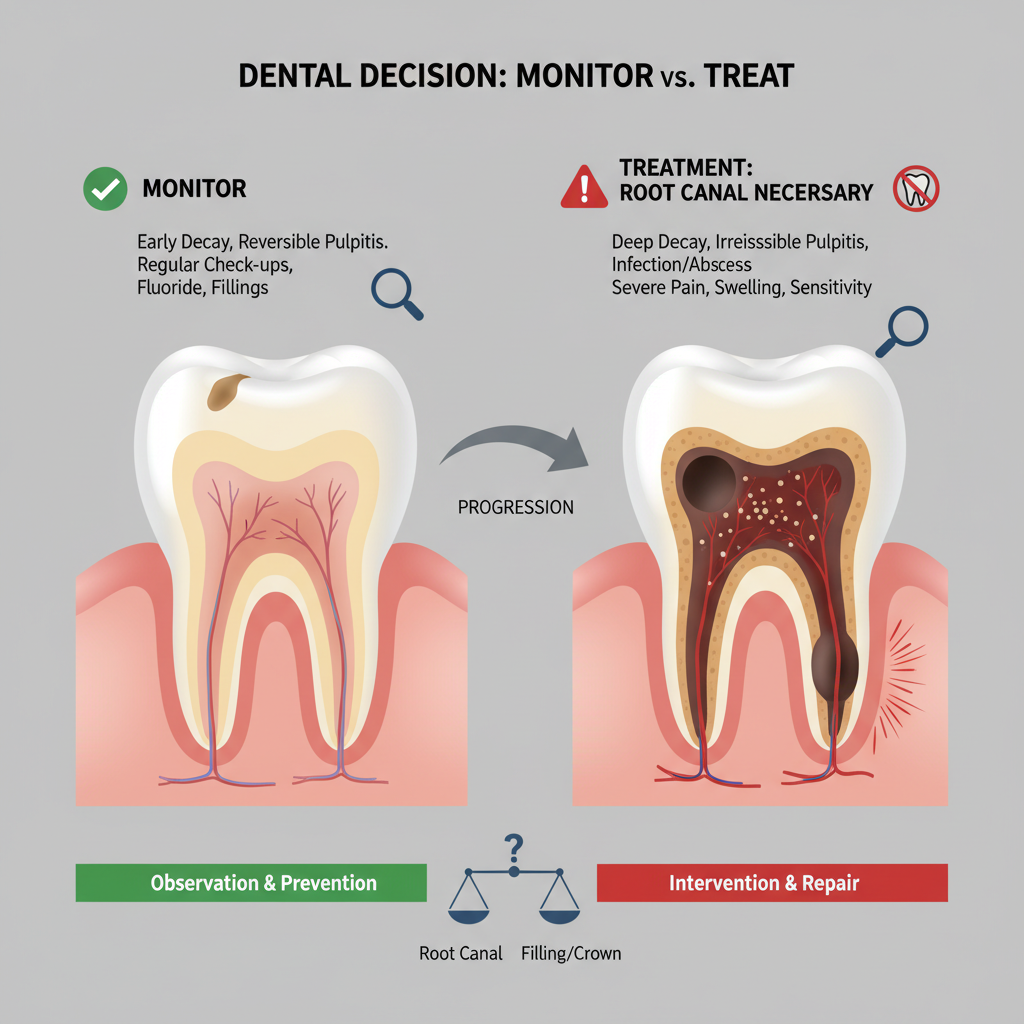
An abscess is a dental emergency. Treatment can involve antibiotics, draining the infection, root canal therapy, or crown placement to protect the tooth [6]. In these scenarios, at home remedies are not enough. You need rapid professional help.
When to seek professional help for swollen gums
It is reasonable to try simple measures at home for very mild, short lived swelling. However, certain symptoms mean it is time to see a dentist for gum problems promptly.
You should schedule a visit if:
- Your gum swelling or bleeding lasts more than one to two weeks despite good brushing and flossing
- You notice gums pulling away from your teeth or new spaces between teeth
- You have persistent bad breath or a bad taste in your mouth
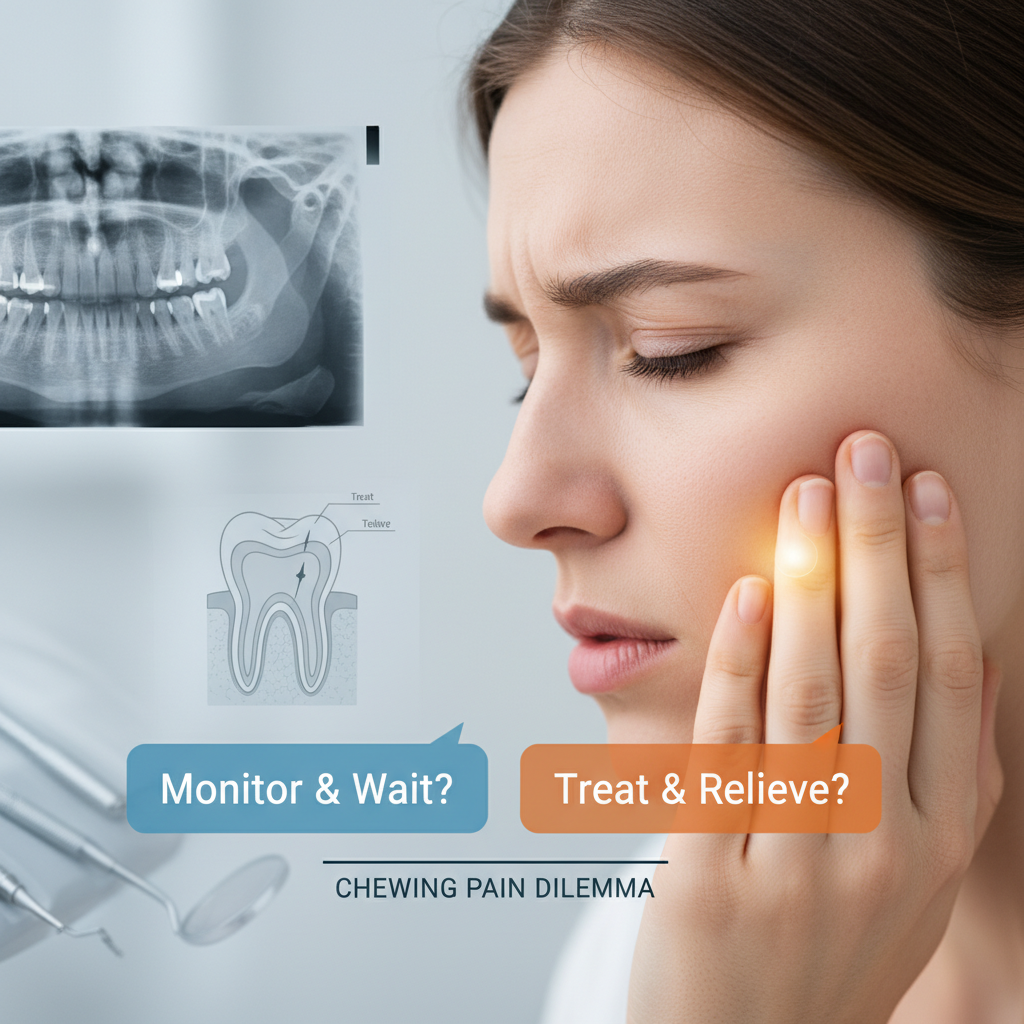
- You experience pain when chewing or sensitivity that seems to come from the gums
- The swelling is severe, is accompanied by fever, or seems to spread [5]
Persistent or recurrent swelling usually means gum disease or infection is present. The most reliable treatment for swollen gums begins with a careful in-office evaluation.
How your dentist evaluates swollen gums
To create an effective treatment plan, your dentist or hygienist will perform a detailed periodontal evaluation. This visit may include:
Clinical gum measurements
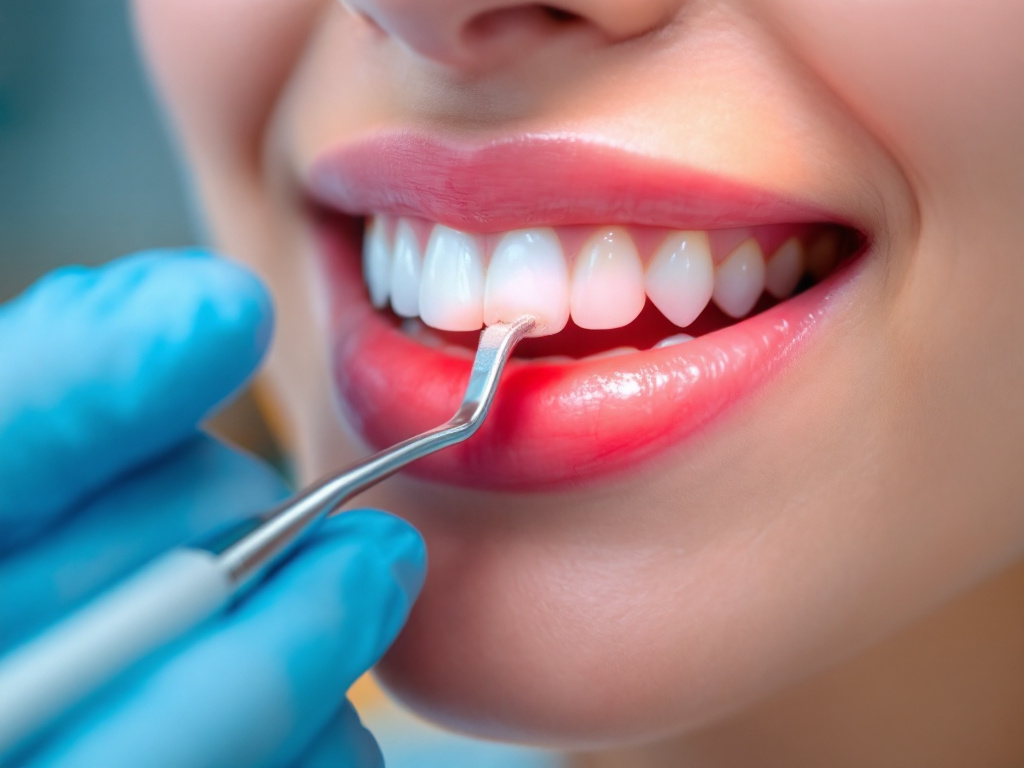
Your provider gently uses a periodontal probe to measure the depth of the tiny spaces between your teeth and gums. Healthy gums usually have shallow pockets. Deeper pockets suggest infection and bone loss associated with periodontitis.
You can expect your dentist to check for:
- Gum tenderness, redness, or bleeding
- Gum recession or exposure of tooth roots
- Plaque and tartar accumulation above and below the gumline
These findings help determine whether you need early stage gum disease treatment or more advanced periodontal treatment.
X rays and imaging
Dental X rays help your dentist see whether gum disease has affected the bone around your teeth. Since periodontitis involves irreversible bone changes, imaging is essential for choosing the most appropriate level of periodontal therapy [2].
Diagnosis and treatment planning
Once your dentist knows the extent of your gum disease, you can discuss:
- Whether your swollen gums are due to gingivitis or periodontitis
- Which teeth or areas are most affected
- What kind of cleaning and follow-up schedule you need
- Whether you require additional procedures, such as localized antibiotic treatment, gum surgery, or bite adjustments
This personalized plan is the foundation for reliable, long-term gum disease treatment.
The most reliable treatment for swollen gums
For most adults, the most reliable and effective treatment for swollen gums caused by gum disease is a combination of professional deep cleaning, improved daily home care, and ongoing periodontal maintenance.
Professional deep cleaning: Scaling and root planing
If your gums are swollen due to tartar buildup and early to moderate periodontitis, your dentist will likely recommend scaling and root planing, often referred to as a deep cleaning for gums.
During scaling and root planing:
- Scaling removes plaque and tartar from the surfaces of your teeth, including areas below the gumline that you cannot reach with a toothbrush.
- Root planing smooths the tooth roots so that bacteria have less surface to cling to and your gums can reattach more firmly.
Treating swollen gums caused by tartar buildup generally requires this type of professional removal [6]. A deep cleaning dental appointment is usually performed by quadrant or half of your mouth, often with local anesthetic for your comfort.
Consistent deep cleaning is one of the most proven methods to reduce inflammation, tighten loose gums, and prevent further bone loss.
Periodontal therapy and advanced treatments
In more advanced cases, you may need additional periodontal therapy to control infection and stabilize your gums. Your dentist might recommend:
- Localized antibiotics: Medications placed directly into deep gum pockets to reduce bacteria.
- Gum pocket cleaning and recontouring to make it easier for you to keep the area clean at home.
- Surgical periodontal treatment: In severe periodontitis, flap surgery, bone grafting, or regenerative procedures can help reduce pocket depths and support remaining teeth, although the underlying bone loss from periodontitis itself is not reversible [2].
If your gums have receded significantly, your dentist may refer you to a specialist or plan care as your dentist for receding gums to protect exposed roots and improve both function and appearance.
Antibiotics for gum infections
When swollen gums are accompanied by signs of acute infection, your dentist may prescribe antibiotics in addition to cleaning. Common options include amoxicillin, metronidazole, or clindamycin, which target the bacteria that fuel gum infections [7].
Antibiotics can be helpful if:
- You have an abscess or severe infection
- You have systemic symptoms like fever
- You are undergoing certain surgical periodontal procedures
It is important that you complete the full course as prescribed to avoid recurrence and reduce the risk of antibiotic resistance [7]. Your dentist will weigh potential side effects and determine whether antibiotics are truly necessary for your specific case.
For localized infections that affect the gum tissue, your dentist may combine antibiotics with targeted gum infection treatment and debridement for best results.
Home remedies versus professional care
You may see countless home remedies online for swollen gums. Some can provide short term relief, but they are not substitutes for professional treatment if gum disease or infection is present.
Helpful at home support
As part of your overall plan, your dentist may suggest the following to soothe discomfort or support healing:
- Warm saltwater rinses: Mix one half teaspoon of salt in a glass of warm water and swish for about 30 seconds. This can reduce swelling, draw out minor infection, and promote healing. You can repeat this 2 to 3 times per day [8].
- Hydrogen peroxide rinse: Diluting equal parts of 3 percent hydrogen peroxide and water may help kill bacteria and reduce plaque. Swish gently for 30 seconds a few times a week, not daily, to avoid irritation [8].
- Cold compresses: Applying ice packs on the outside of your face in short intervals can help reduce pain and visible swelling, especially after dental treatment [4].
- Anti inflammatory natural options: Some patients find relief with coconut oil pulling, aloe vera gel, or turmeric paste applied to the gums, which may have antimicrobial and anti inflammatory properties [8].
These remedies can be useful additions to proper gum inflammation treatment, especially in early gingivitis.
Why home remedies are not enough
Even if your swelling improves temporarily, home remedies do not remove tartar, stop progressive bone loss, or resolve deep gum pockets. If symptoms last more than two weeks, or if you have clear signs of gum disease like persistent bleeding or bad breath, you should schedule an examination [4].
The most reliable treatment for swollen gums always involves professional evaluation and, when needed, deep cleaning and periodontal care, supported by appropriate home measures rather than replaced by them.
If you rely on home remedies alone while gum disease progresses, you risk silent damage to the bone and supporting structures that keep your teeth in place.
Ongoing periodontal maintenance and follow up
Treating swollen gums effectively is not a one time event. Once your initial treatment is complete, periodontal maintenance appointments play a central role in keeping your gums healthy.
Why maintenance visits matter
After you have had gum disease, you are more prone to future flare ups. Bacteria can repopulate pockets, especially in areas that are difficult to clean at home. Regular maintenance visits help:
- Remove new deposits of plaque and tartar before they cause inflammation
- Monitor pocket depths and gum recession
- Catch early signs of infection or relapse
- Adjust your home care routine if needed
For many patients with a history of gingivitis or periodontitis, visits every 3 to 4 months are recommended to manage gum disease long term, rather than once or twice a year.
Long term gum disease care
If you live with chronic periodontitis, you may benefit from a structured chronic gum disease care plan. This typically includes:
- A customized cleaning schedule with both your hygienist and dentist
- Periodic gum pocket cleaning in areas that tend to relapse
- Targeted treatment for symptoms like bleeding gums or bad breath from gum disease
- Coordination with a medical provider if conditions like diabetes are affecting your gum health [4]
By staying consistent with maintenance, you significantly increase your chances to prevent tooth loss from gum disease and keep your smile stable over the long term.
Strengthening your daily oral care routine
The most reliable professional treatment for swollen gums will only be fully effective if you also commit to a strong home care routine. Your dentist will likely recommend:
- Brushing at least twice a day with a soft bristled toothbrush and fluoride toothpaste
- Cleaning between your teeth daily with floss, interdental brushes, or a water flosser
- Using an antimicrobial or fluoride mouth rinse if advised
- Replacing your toothbrush every three months or after illness
- Paying extra attention to areas where gums have been previously inflamed or receded
Good daily care controls plaque, which is the primary driver of gingivitis and gum swelling [9]. Combined with periodontal therapy and routine maintenance visits, your efforts at home provide a powerful defense against future episodes of swollen gums.
Protecting your gums and teeth for life
Swollen gums are your body’s early warning signal that something is not right. When you respond with reliable, evidence based care, you have an excellent chance of restoring comfort, protecting your teeth, and avoiding invasive treatment later.
Your path typically includes:
- A thorough periodontal evaluation to identify the exact cause of swelling
- Professional deep cleaning for gums, often through scaling and root planing
- Additional advanced periodontal treatment or gum infection treatment if needed
- Regular periodontal maintenance appointments and a strong daily home care routine
By taking swollen gums seriously and partnering with a qualified gum disease treatment dentist, you give yourself the best chance to heal inflammation, stabilize your periodontal health, and protect your smile for years to come.