Understanding periodontal therapy
If you have bleeding gums, gum recession, or you have been told you have gum disease, periodontal therapy is the treatment approach your dentist uses to stop infection, protect your bone, and help you keep your natural teeth.
Periodontal therapy is a group of treatments that target the tissues that support your teeth, including your gums, bone, and the ligament that holds teeth in place. The goal is to remove bacteria, reduce inflammation, and create conditions where your gums can heal and stay healthy over the long term [1].
You may hear different terms, such as gum disease treatment, deep cleaning, or scaling and root planing. All of these are part of periodontal therapy, with the specific approach tailored to how advanced your gum disease is.
What periodontal disease is
Periodontal disease starts quietly. In the early stage, called gingivitis, you might notice red or swollen gums or a little blood when you brush or floss. At this point, the inflammation is limited to the gums and can often be reversed with professional care and better home hygiene [2].
If infection continues, gingivitis can progress to periodontitis. In periodontitis, bacteria and plaque travel below the gum line, creating pockets of infection that damage the bone and ligament that support your teeth. Over time, this can lead to:
- Persistent bleeding or swollen gums
- Gum recession that makes teeth look longer
- Bad breath that does not improve with brushing
- Loose teeth or changes in how your teeth fit together
Gum disease affects at least half of adults in the United States and, if untreated, is a leading cause of tooth loss [3]. It can also spread from the gum tissue to the jaw bone, causing more extensive damage and more complex treatment needs [4].
Why treating gum disease matters
Treating gum disease early does more than stop bleeding or tenderness. It protects your overall oral health and can help you avoid extensive and expensive procedures later.
Untreated periodontal infection can:
- Destroy the bone that supports your teeth, which can lead to tooth loss
- Create deep gum pockets that trap bacteria and make cleaning difficult
- Allow bacteria to enter your bloodstream, which may contribute to health problems such as heart disease, diabetes complications, and certain respiratory conditions [5]
Periodontal therapy focuses on preventing these outcomes and helping you prevent tooth loss from gum disease. Early treatment is especially important because severe periodontitis is common worldwide and is costly to manage once advanced. Addressing the disease early is both a health and financial advantage [6].
Signs you may need periodontal therapy
You may not feel pain until gum disease is advanced. That is why it helps to pay attention to warning signs. You should talk with a gum disease treatment dentist if you notice:
- Gums that bleed during brushing or flossing
- Red, swollen, or tender gums
- Gums that are pulling away from your teeth or teeth that look longer than before
- Persistent bad breath or a bad taste in your mouth
- Pus between your teeth and gums
- Teeth that feel loose or shift in position
- Changes in how your teeth come together when you bite
These symptoms often indicate that you need a thorough periodontal evaluation and may benefit from periodontal therapy [5].
If you are mainly noticing bleeding or mild inflammation, resources like bleeding gums treatment, gum inflammation treatment, and treatment for swollen gums can help you understand early care options.
How your dentist evaluates your gums
Before recommending periodontal therapy, your dentist for gum problems will complete a detailed evaluation. This appointment helps determine how advanced your gum disease is and which treatments will be most effective.
A periodontal evaluation typically includes:
- Measuring pocket depths around each tooth with a small, calibrated probe
- Checking for bleeding on probing and visible inflammation
- Assessing gum recession and tooth mobility
- Reviewing your medical history and risk factors, such as smoking or diabetes
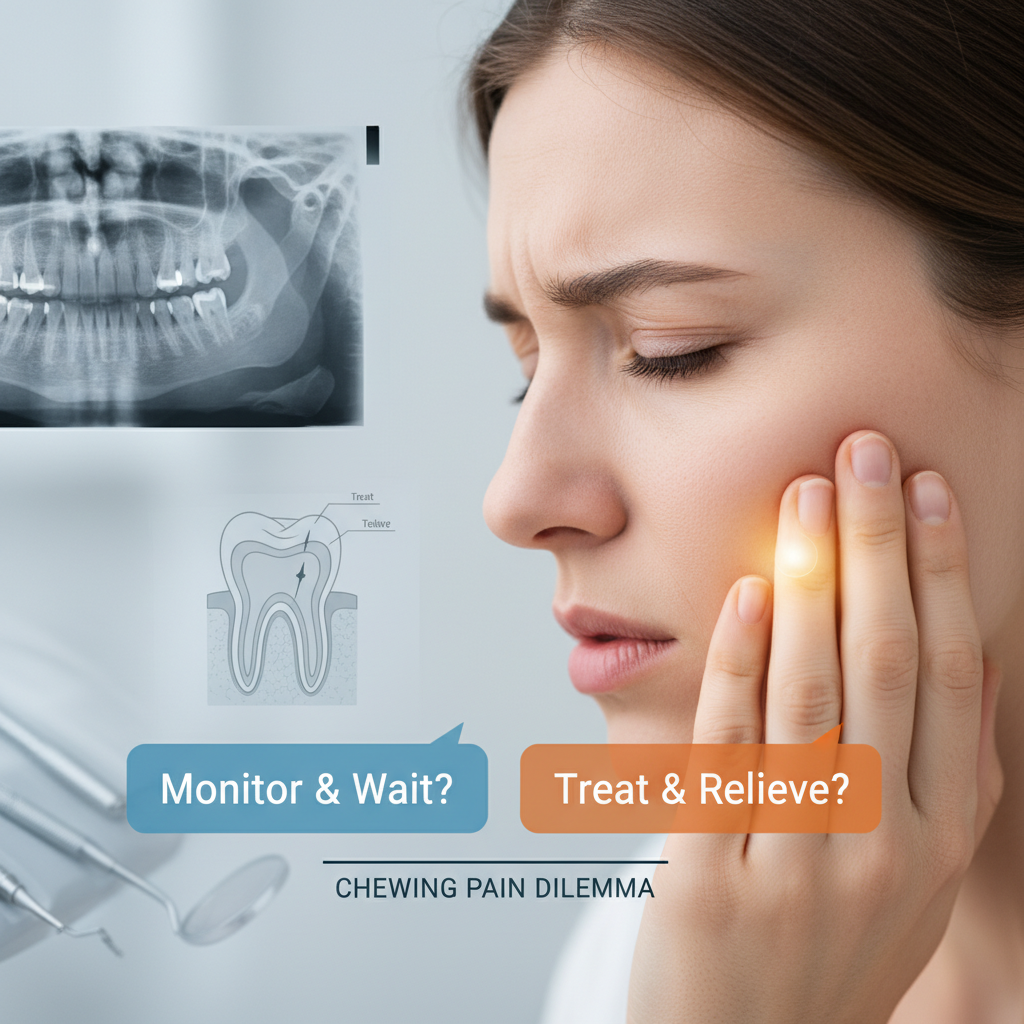
- Taking dental X‑rays to see bone levels around your teeth
Pocket depths of 1 to 3 millimeters are usually considered healthy when there is no bleeding. Deeper pockets indicate infection and bone loss. Current guidelines emphasize not only pocket depth and bleeding, but also changes in clinical attachment level, which is a key indicator of disease progression [7].
Based on this assessment, your dentist can outline whether you need early stage care, such as early stage gum disease treatment, or more advanced periodontal treatment.
Non‑surgical periodontal therapy
For many patients, non‑surgical periodontal therapy is the first line of treatment. It aims to control infection and allow your gums to heal without incisions or stitches. In fact, the American Academy of Periodontology considers non‑surgical care, especially scaling and root planing, the preferred initial treatment for early gum disease because it is effective and less invasive [8].
Scaling and root planing (deep cleaning)
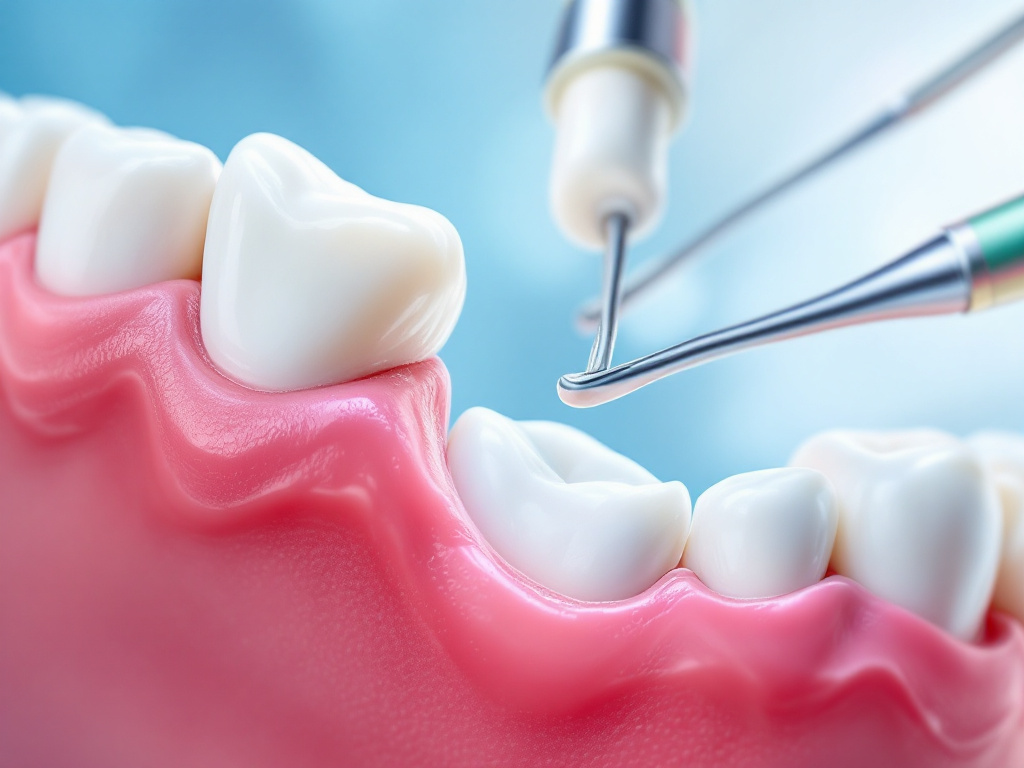
The most common non‑surgical treatment is scaling and root planing, often simply called a deep cleaning. This goes beyond a routine cleaning and targets plaque and tartar below the gum line in the infected pockets.
During scaling and root planing, your dentist or hygienist will:
- Use local anesthetic to numb the gums and roots so that you stay comfortable
- Perform scaling, which removes plaque, tartar, and bacteria from above and below the gum line using special hand instruments and ultrasonic devices that can reach deeper than standard tools [2]
- Complete root planing, which smooths the tooth roots to discourage bacteria from reattaching and to help the gums reattach to the tooth surfaces [3]
This type of deep cleaning for gums is both clinically effective and cost‑effective for many cases of periodontitis [2]. Research shows that non‑surgical deep cleaning can produce significant gains in attachment and stability in moderately deep pockets, often more favorably than surgery at these sites [7].
You can think of scaling and root planing as an intensive reset for your gums. By deeply removing bacteria and smoothing the roots, you make it much easier to control infection with daily brushing, flossing, and regular professional care.
In many cases, thorough non‑surgical therapy combined with good home care can stop gum disease from progressing and reduce or even delay the need for surgical treatment.
If you want to know what to expect during this visit, you can also review our deep cleaning dental appointment guide.
Medications and antimicrobial therapy
Your dentist may combine scaling and root planing with local or systemic medications to further reduce bacteria and inflammation. These can include:
- Antibacterial mouth rinses used during and after treatment
- Topical antibiotics placed directly into gum pockets
- Oral antibiotics to treat more widespread infection, especially if bacteria may have spread beyond the gums [9]
You should complete any prescribed antibiotics exactly as directed. This improves the chances that infection is fully controlled and reduces the risk of resistant bacteria.
If you are experiencing active infection, our gum infection treatment and bad breath from gum disease treatment resources can help you understand how medication and deep cleaning work together.
Addressing contributing habits and conditions
Effective periodontal therapy also means addressing habits and conditions that put extra stress on your gums. Your dentist may recommend:
- Adjusting your brushing and flossing technique
- Managing systemic conditions, such as diabetes, in coordination with your physician
- Quitting tobacco, which is a major risk factor for periodontal disease [6]
- Wearing a bite guard at night if you clench or grind your teeth, since bruxism can increase pressure on teeth and gums and worsen gum disease [3]
These steps help your gums respond better to treatment and reduce the chance that disease will return.
When periodontal surgery is needed
Non‑surgical therapy is very effective, especially in early and moderate disease. However, if deep infection or bone loss remains after scaling and root planing, your dentist may recommend periodontal surgery.
Guidelines suggest considering surgery when pockets of 6 millimeters or more persist even after thorough non‑surgical care [10]. At this depth, it becomes difficult for you and your dental team to clean effectively, which allows bacteria to continue damaging bone and tissue.
Surgical periodontal therapy can include:
- Pocket reduction surgery to access and clean deep pockets and reduce their depth
- Flap surgery, where the gum is gently lifted back, infection is cleaned out, and bone is smoothed before the tissue is repositioned
- Crown lengthening, which reshapes the gum line and removes infected tissue to expose more of the tooth surface [3]
- Regenerative procedures, such as bone grafts and guided tissue regeneration, which aim to rebuild lost bone and supporting structures when conditions are favorable [6]
These procedures are usually done on an outpatient basis. They focus on reducing pocket depth, making it easier for you to keep your gums clean and stable over time [8].
Like any surgery, periodontal procedures carry some risks, such as temporary tooth sensitivity, discomfort, or minor bleeding. However, serious complications are uncommon, and pain is typically manageable with medications like nonsteroidal anti‑inflammatory drugs [6]. For many patients, the benefits of stopping disease and preserving teeth outweigh these temporary side effects.
If you are already dealing with significant bone loss or loose teeth, learning about advanced periodontal treatment can help you understand which surgical options may be available.
Periodontal maintenance and long‑term care
Periodontal therapy does not end when deep cleaning or surgery is complete. Gum disease is a chronic condition, and long‑term success depends on ongoing maintenance.
After your initial treatment, your dentist will likely recommend:
- Periodontal maintenance cleanings every three to four months instead of the usual six months
- Regular assessment of pocket depths, bleeding, and gum attachment
- Ongoing reinforcement of home care techniques
These periodontal maintenance appointment visits are different from standard cleanings. They are designed to thoroughly clean below the gum line, monitor healed pockets, and catch any new areas of concern early [5].
If you have had a history of moderate or severe gum disease, consistent maintenance is one of the most important steps you can take to manage gum disease long term. Many patients who follow their maintenance schedule and keep up with daily home care are able to stabilize their gums for years and avoid further tooth loss [8].
What to expect after treatment
It is normal to have questions about how you will feel after periodontal therapy. Your experience will depend on the extent of disease and the type of treatment, but you can generally expect:
- Some tenderness or soreness of the gums after deep cleaning or surgery
- Temporary sensitivity to hot, cold, or sweet foods
- Mild bleeding for a short time as your gums heal
These effects are usually manageable with over‑the‑counter pain relievers and follow‑up instructions from your dentist. Any discomfort is short‑term and is much less serious than the long‑term health risks of untreated gum disease [4].
Your dentist will provide specific guidance on:
- What and how to eat immediately after treatment
- How to clean your teeth and gums while they heal
- When to resume flossing in treated areas
- Which warning signs, such as persistent pain or unusual swelling, should prompt a call to the office
If you have gum recession or are concerned about how your smile looks, a dentist for receding gums can also discuss cosmetic and protective options that work alongside your periodontal care.
Supporting your gums at home
Your daily habits play a central role in how well periodontal therapy works. To support your treatment and protect your investment in your health, you can:
- Brush at least twice a day with a soft‑bristled toothbrush and fluoride toothpaste
- Clean between your teeth every day using floss, interdental brushes, or a water flosser
- Use any prescribed antimicrobial rinses as directed
- Avoid tobacco products
- Keep your regular maintenance visits and checkups
If you have ongoing or recurring issues, such as chronic bleeding, frequent gum infections, or long‑standing inflammation, explore options for chronic gum disease care with your dentist. Staying proactive makes it more likely that you will maintain healthy gums and avoid future tooth loss.
When to see a dentist about your gums
If you have noticed any of the following, it is time to schedule a visit with a dentist for gum problems:
- Bleeding that continues for more than a couple of weeks
- Swollen or tender gums that are not improving
- Gums pulling away from your teeth
- Bad breath that does not go away with brushing, flossing, or mouthwash
- One or more teeth that feel loose or different when you bite
A timely periodontal evaluation can determine whether you need early stage care or more involved periodontal therapy. The sooner treatment begins, the easier it is to control infection and protect your teeth.
Periodontal therapy is a powerful way to restore gum health, stabilize your smile, and avoid preventable tooth loss. By partnering with your dental team, keeping your maintenance visits, and following a consistent home routine, you give your gums the best chance to heal and stay healthy for the long term.