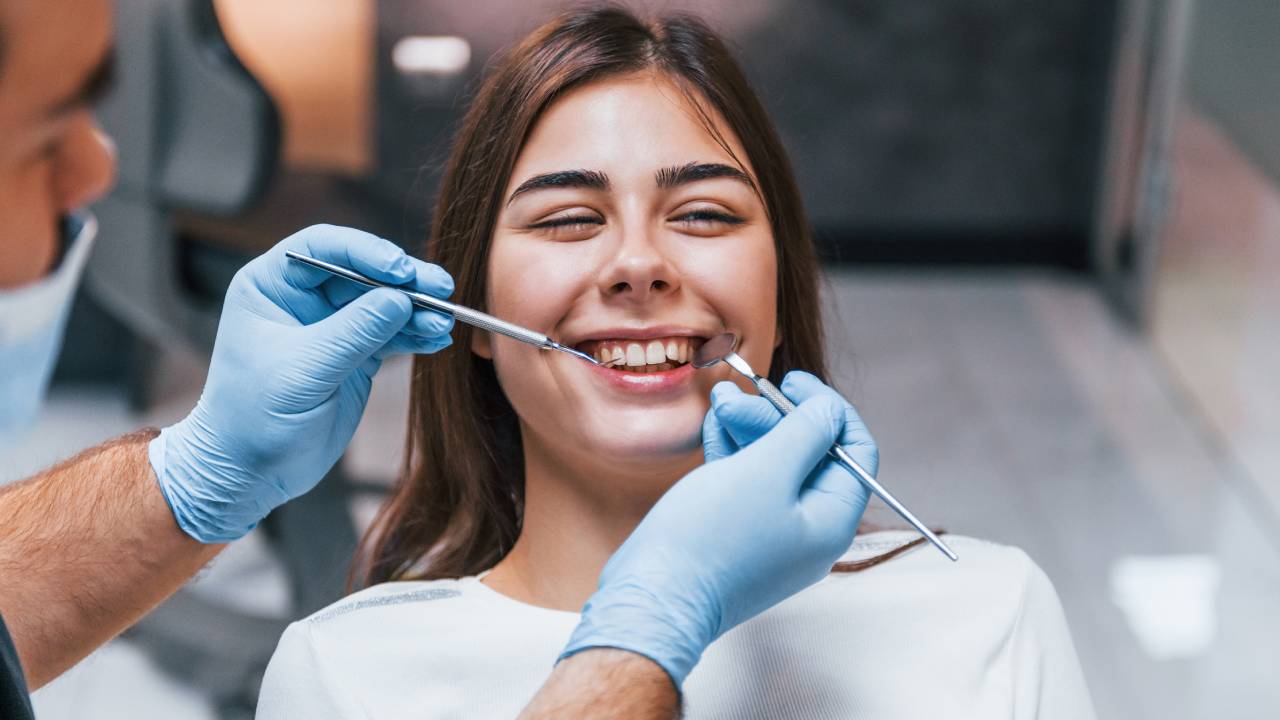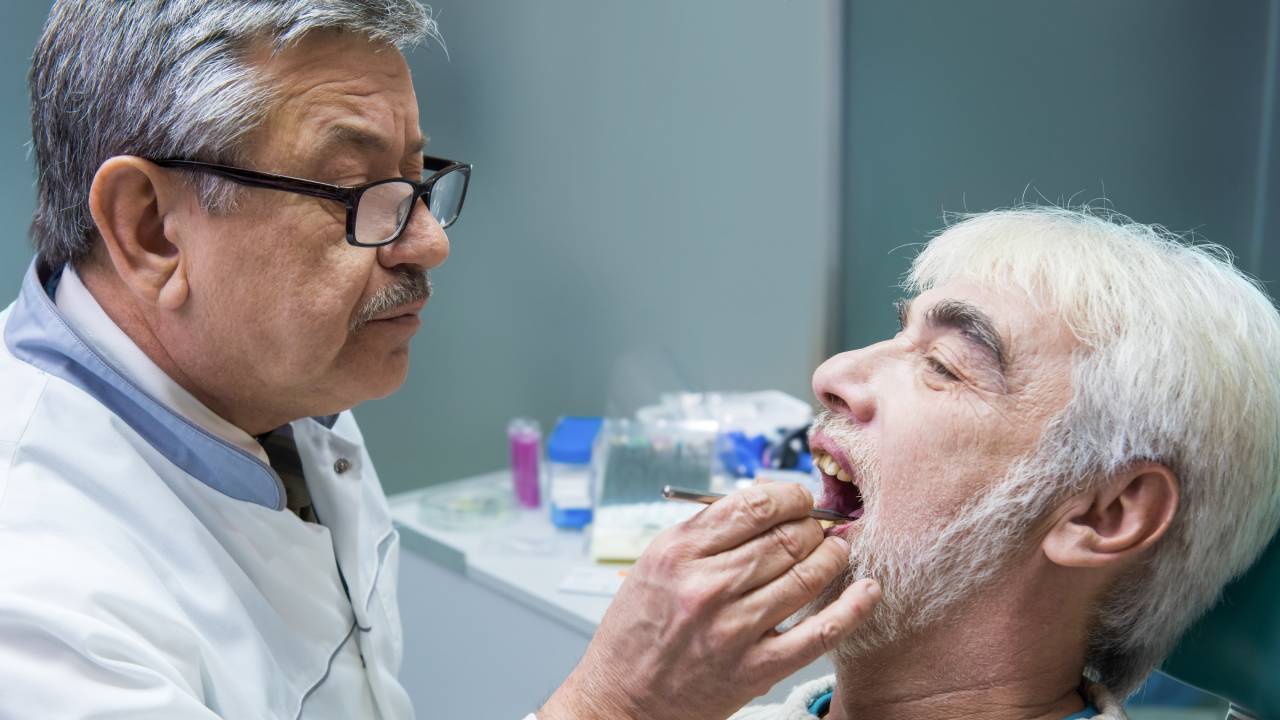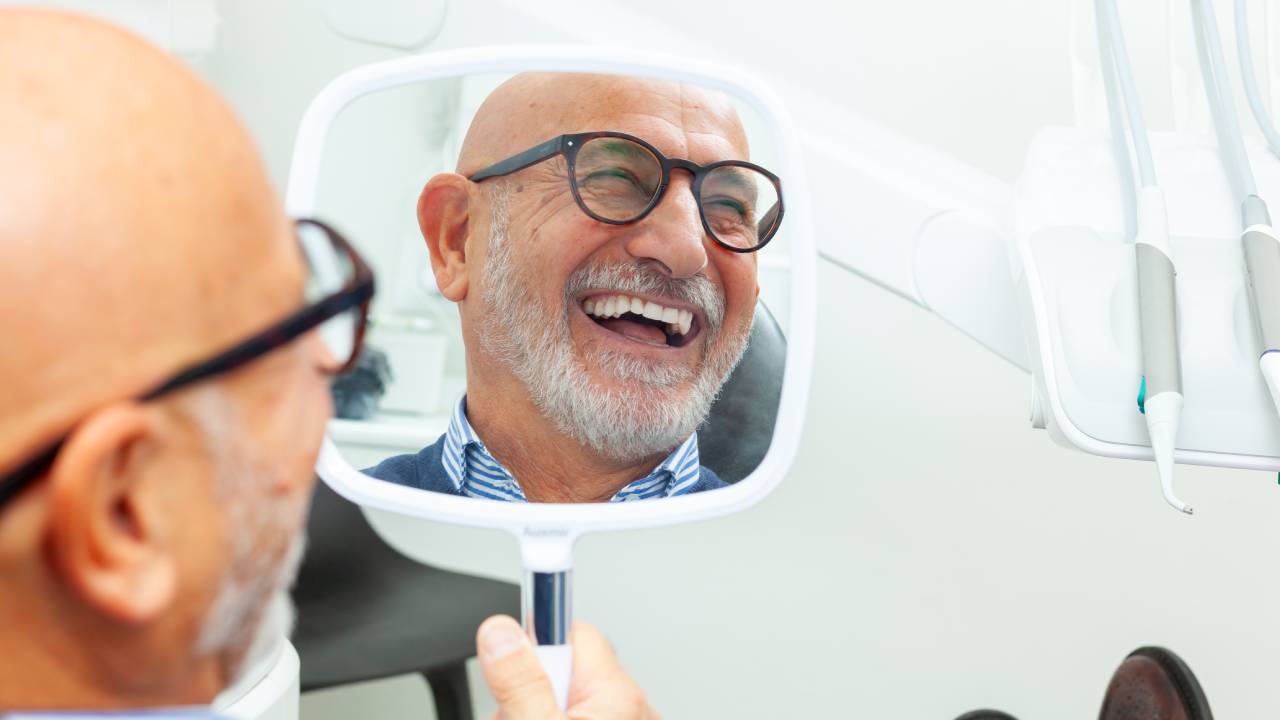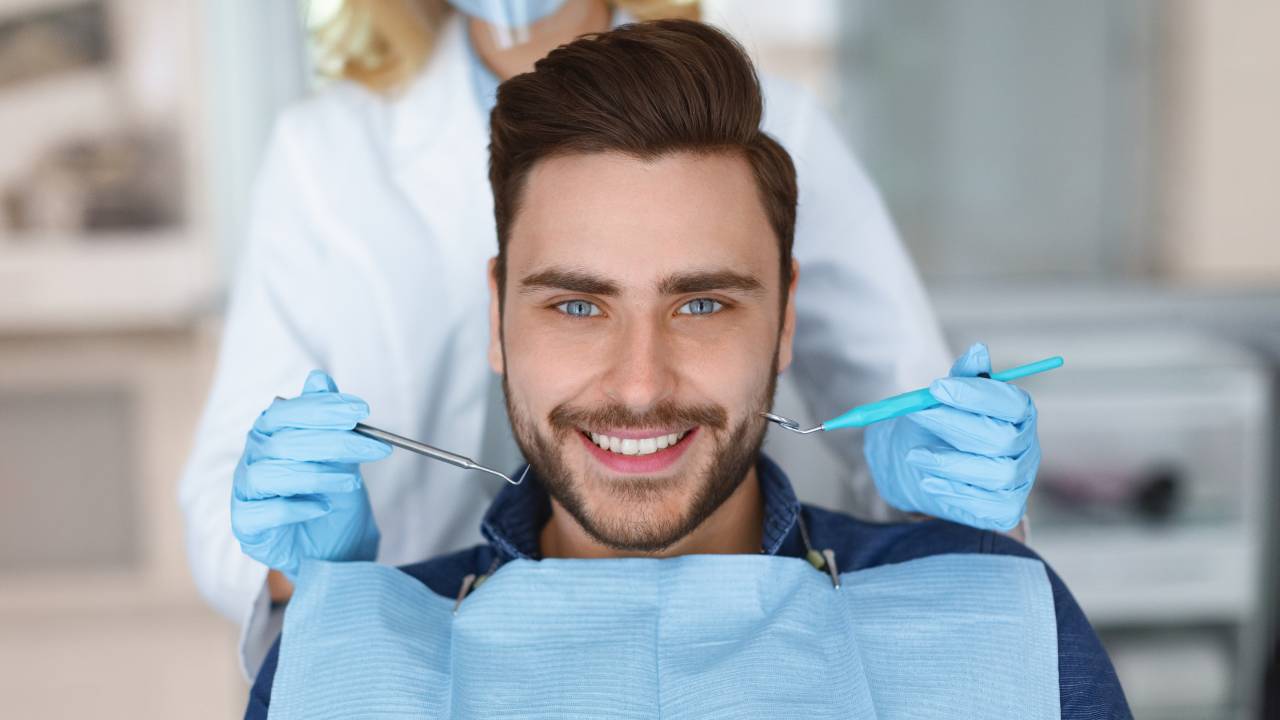

Understanding dentures as a tooth replacement option
If you are missing multiple teeth, deciding how to replace them can feel overwhelming. Choosing to replace missing teeth with dentures can restore how you look, speak, and eat, and it can also protect your long‑term oral health.
Dentures are removable oral appliances that replace missing teeth in your upper jaw, lower jaw, or both. They are typically made from acrylic, resin, nylon, metal, and porcelain, and are designed to restore function and appearance so you can smile and chew with confidence again.
You might think of dentures as something your grandparents wore, but modern options are much more natural looking, comfortable, and secure than older styles. Whether you need full dentures to replace all teeth in an arch, or partial dentures for missing teeth to fill in gaps, you can work with your dentist to design a solution tailored to your mouth and lifestyle.
Why replacing missing teeth matters
Leaving missing teeth untreated is about more than appearance. It can lead to a chain reaction in your mouth and overall health.
How missing teeth affect your mouth
When teeth are missing, nearby teeth naturally begin to shift into the open space. This movement can change your bite, strain your jaw joint, and make cleaning more difficult. Over time, this increases your risk of tooth decay and gum disease.
Missing teeth also affect your jawbone. Once a tooth is removed, the bone that used to support it gradually shrinks. This bone loss can alter your facial shape and contribute to a sunken, aged appearance.
Impact on chewing, speech, and confidence
You may already notice that certain foods are difficult or impossible to eat. Tough meats, crunchy vegetables, and nuts often become a challenge. Missing teeth can also change how you pronounce certain sounds, which can make you self‑conscious when speaking.
Emotionally, gaps in your smile can lead you to avoid photos, hide your teeth when laughing, or decline social invitations. Replacing missing teeth with dentures can directly improve your ability to chew, speak clearly, and feel more like yourself again.
Types of dentures you can choose
Dentures are not one size fits all. You have several options, depending on how many teeth you are missing, your bone health, and your goals.
According to the Cleveland Clinic, the main types include full dentures, partial dentures, immediate dentures, implant‑retained dentures, and implant‑supported dentures.
Full dentures for complete tooth loss
Full, or complete, dentures replace all the teeth in your upper or lower jaw. They rest directly on your gums and the jawbone ridge. If you are missing all your teeth in an arch, a full dentures dentist can design a custom set that restores your bite and smile.
Full dentures are often recommended when:
- You have extensive decay or gum disease affecting most teeth
- Many teeth are already missing or non‑restorable
- You want a predictable, comprehensive way to restore your smile
Modern full dentures prioritize a natural look, with tooth shape and shade selected to complement your face and skin tone.
Partial dentures to fill gaps
If you still have some healthy natural teeth, you may not need to replace an entire arch. In that case, tooth replacement with partial dentures may be a better option.
Partial dentures:
- Replace several missing teeth in a row or in different areas
- Use clasps or precision attachments that connect to remaining teeth for stability
- Help prevent neighboring teeth from shifting into empty spaces
Partial dentures can be made from a mix of resin and metal, or flexible materials, depending on your needs. They are particularly helpful when you are not a good candidate for multiple implants or want a more affordable solution.
Temporary and immediate dentures
If you are having teeth extracted, your dentist may recommend temporary dentures or immediate dentures so you never have to be without teeth while you heal.
These are placed shortly after extractions and worn while your gums and bone change shape during healing. Over time, they typically require a denture reline appointment or replacement with a more permanent set once your mouth stabilizes.
Implant‑retained and implant‑supported dentures
Implant‑based dentures connect to small titanium posts placed in the jawbone. They provide greater stability than traditional dentures and can significantly improve your ability to chew.
- Implant‑retained dentures snap on and off implants, so you can remove them for cleaning. They are more stable than traditional dentures and generally do not require adhesive.
- Implant‑supported dentures are fixed in place and can only be removed by your dentist. These require more thorough daily cleaning but feel closer to natural teeth in terms of stability and function.
If you are curious about long‑term, secure options, discussing permanent dentures options with your dentist can help you understand what is possible in your situation.
How dentures can transform your daily life
Choosing to replace missing teeth with dentures can change far more than your smile. It can influence how you eat, speak, and interact with others every day.
Restoring your smile and facial appearance
One of the most immediate benefits you may notice is how you look. Dentures can:
- Support your lips and cheeks so your face looks fuller
- Close gaps that make you self‑conscious
- Create a more youthful and vibrant appearance
With custom dentures fitting, your dentist can work with you to choose tooth shapes, sizes, and colors that look natural, not artificial. This customization helps you feel confident that your smile fits your personality and age.
Making eating and chewing more comfortable
Well‑fitted dentures are designed to restore much of your ability to chew. While it may take a few weeks to adapt, most people find that they can enjoy a wide variety of foods once they are used to their dentures.
If you have been avoiding certain foods because of missing teeth, asking your dentist about the best dentures for chewing can help you choose a design that prioritizes function as well as appearance.
Improving your speech
Missing teeth, especially in the front, often cause you to lisp or struggle with certain words. Dentures can restore the structure your tongue needs to form sounds correctly. As you adapt, your speech typically becomes clearer, which can make conversations more comfortable at work and in social situations.
Supporting your oral and overall health
Replacing missing teeth with dentures also supports your health by:
- Making it easier to chew nutritious foods
- Helping distribute bite forces more evenly across your gums and any remaining teeth
- Reducing the risk of shifting teeth and bite changes that can strain your jaw
Given that more than 36 million Americans have lost all their natural teeth and about 90 percent of them use dentures, you are far from alone in considering this solution.
What to expect when you first get dentures
Knowing what the process looks like can help you feel more prepared and in control of your treatment.
The denture process step by step
Although every plan is personalized, your path usually includes:
- Comprehensive exam and treatment plan
- Impressions and measurements of your mouth
- Try‑in visits to refine bite, shape, and appearance
- Final delivery of your dentures
- Follow‑up visits for adjustments
From the initial exam to final fitting, it often takes several weeks and multiple appointments, which is consistent with national averages that estimate about two months to complete the denture process.
If you are ready to explore your options, scheduling a new dentures consultation is a simple first step.
Normal adjustment period
It is normal for dentures to feel unfamiliar at first. Research shows that it can take weeks to months to fully adjust to new dentures, and you may need several dental visits to fine‑tune the fit.
During this adaptation period you might experience:
- Mild soreness or irritation in spots where the denture rubs
- Extra saliva production
- Difficulty pronouncing certain words
- A learning curve with chewing and biting
Most people remove their dentures at night to allow the gums to rest and to clean the appliance thoroughly.
If discomfort persists, do not ignore it. Contact your dentist or schedule an appointment to adjust dentures for comfort so small changes can be made before problems worsen.
Ill‑fitting dentures are not something you have to live with. Ongoing adjustments, relines, and repairs are a normal part of keeping your dentures comfortable and functional over time.
Keeping your dentures comfortable long term
A good initial fit is important, but long‑term comfort depends on maintenance. Your gums and bone naturally change shape over time, so your dentures need periodic attention to keep them fitting well.
Daily cleaning and care
The American College of Prosthodontists recommends that dentures be cleaned daily with a nonabrasive cleanser to remove plaque, stains, and biofilm, which helps prevent denture‑related stomatitis and other oral health issues.
In practice, this means:
- Removing and rinsing your dentures after meals
- Brushing them gently every day with a soft brush and denture cleanser, not regular toothpaste
- Soaking them overnight in a recommended solution
- Brushing your gums, tongue, and any remaining teeth daily
Consistent care supports fresh breath, a clean feel, and longer appliance life.
Relines, adjustments, and improving fit
Even with perfect home care, the shape of your mouth changes over the years. The average lifespan of dentures is about seven to ten years, and relines are often recommended every one to two years to keep the fit comfortable as your jawbone slowly shrinks after tooth loss.
Relines involve adding material to the inside surface of your denture so it conforms better to your gums. If you notice looseness, sore spots, or rocking when you bite, a denture reline appointment can help improve denture fit and extend the life of your current appliance.
Small bite or pressure issues can often be handled by adjust dentures for comfort. Regular dental visits let your dentist track changes and intervene early, before minor irritation turns into mouth sores or infections.
Using denture adhesives the right way
Denture adhesives are available as creams, powders, wafers, or strips, and they can improve retention, bite force, and chewing performance, especially in people with dry mouth. The ADA notes that a typical application uses three to four pea‑sized dollops per denture.
Adhesives can be a helpful supplement but should not be used to compensate for dentures that no longer fit. Ill‑fitting dentures can cause soreness and bone loss, and in those cases, professional evaluation for relining or replacement is recommended instead of relying on adhesive. Removing adhesive daily during cleaning is important to maintain fit and oral health.
If you find yourself increasingly dependent on adhesive to keep dentures in place, it might be time to fix loose dentures through a reline, adjustment, or new appliance.
When to repair, reline, or replace your dentures
Even with excellent care, dentures experience normal wear and tear. Recognizing when something needs attention can prevent bigger problems.
Signs your dentures need attention
You should contact your dentist if you notice:
- Cracks, chips, or fractures in the denture base or teeth
- Difficulty keeping your dentures in place
- Painful rubbing, sores, or frequent irritation
- Changes in your bite or jaw discomfort
- Staining or buildup that does not clean off
Ill‑fitting or damaged dentures can cause mouth sores and other oral health problems, and experts recommend replacing loose or uncomfortable dentures to prevent these issues.
Repairing vs relining vs replacing
The right solution depends on what is wrong with your denture and how old it is.
- Repair: If a tooth breaks off or a small crack forms, broken denture repair or same day denture repair may restore function quickly.
- Reline: If the denture is in good condition but feels loose, a reline can adapt the inside of the denture to your current gum shape.
- Replace: If your dentures are older than five years, significantly worn, or repeatedly uncomfortable, replacement is often recommended. Guidance from Polident suggests that dentures typically need replacement once they are older than about five years or when changes in your mouth make them unstable.
Partial dentures may also need replacement if surrounding natural teeth shift or if the partial no longer stays in place properly.
Working with an affordable dentures dentist can help you decide whether repair, reline, or replacement is the most cost‑effective choice for your situation.
Dentures for different stages of life
Age, health, and lifestyle all influence the type of denture that might work best for you.
Adults balancing work, family, and appearance
If you are still working or very socially active, you may value a natural look and strong chewing ability. For many adults, a combination of partial dentures, temporary appliances, and, in some cases, implant‑retained options can provide flexibility while protecting remaining teeth.
Discussing comfortable dentures solution options with your dentist can help align the treatment plan with your work schedule and daily routines.
Dentures for seniors
As you age, comfort, stability, and ease of care often become the top priorities. Many older adults benefit from:
- Full dentures that are simple to insert and remove
- Implant‑retained overdentures that reduce slipping and improve chewing
- Regular relines to keep the fit snug as bone changes continue
If you or a loved one are exploring dentures for seniors, consider how manual dexterity, medical conditions, and medications that cause dry mouth might affect daily denture use and care.
Taking your next step toward a complete smile
You do not have to continue living with gaps in your smile, difficulty chewing, or worry about how missing teeth affect your appearance. Replacing missing teeth with dentures offers a proven way to restore function and confidence for millions of people.
Whether you need full dentures, partial dentures for missing teeth, help to improve denture fit, or reliable denture repair services, you can partner with your dentist to design a plan that fits your health, budget, and goals.
If you are ready to explore your options and restore smile with dentures, consider scheduling a new dentures consultation. You can review your choices for full, partial, temporary, and permanent dentures options, and begin moving toward a more comfortable, confident life with a complete smile.