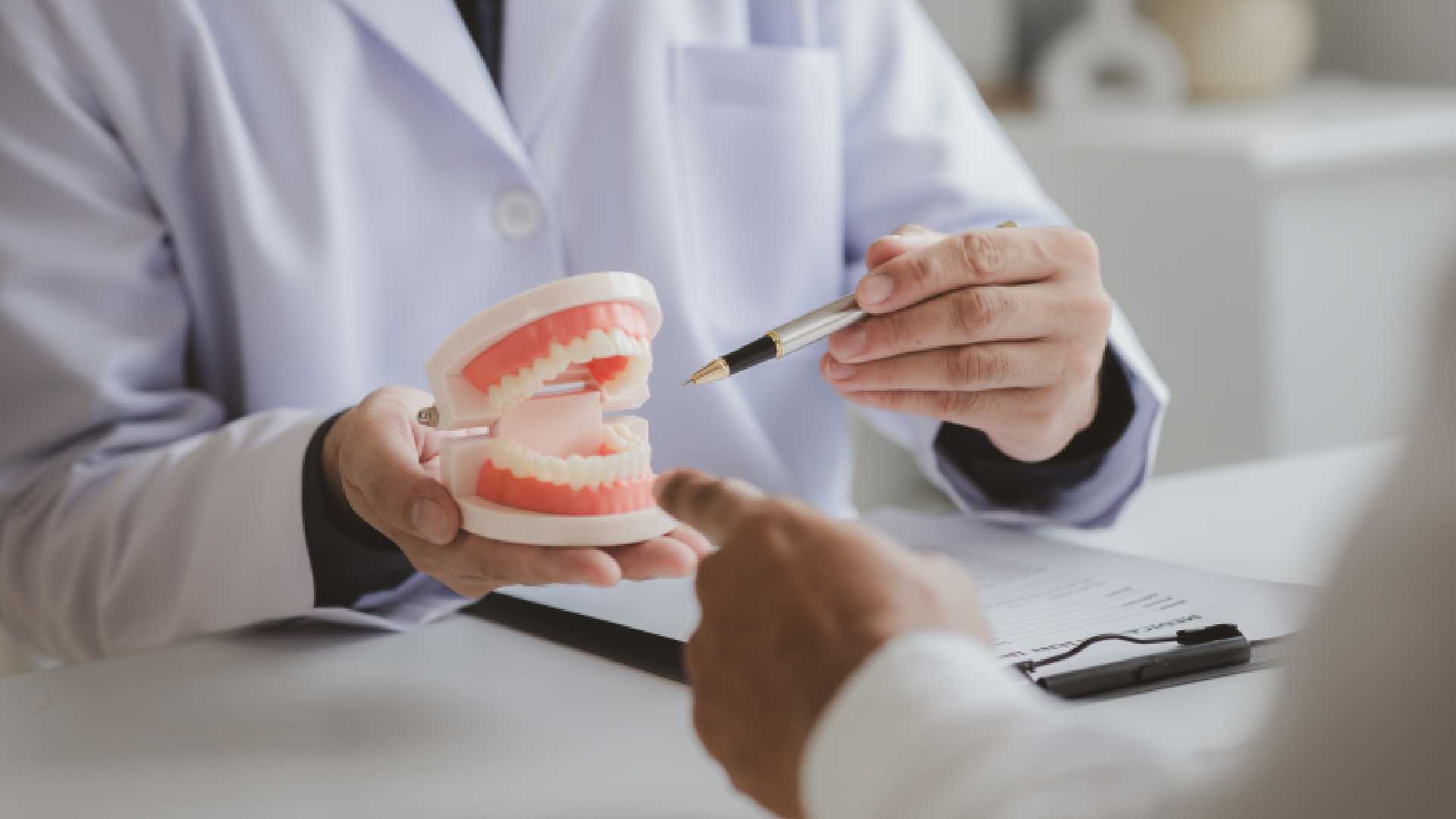
Why a denture reline appointment matters
If your dentures feel loose, rub sore spots, or need more and more adhesive to stay in place, a denture reline appointment can make a significant difference in your everyday comfort. Over time, the shape of your gums and jawbone changes, so even well-made full or partial dentures for missing teeth eventually stop fitting like they used to. A denture reline adjusts the inside surface of your denture so it matches your mouth again and restores a secure, comfortable fit.
Dental professionals typically recommend relining dentures about every one to three years, depending on bone changes and wear, to maintain comfort and function. Understanding what to expect and how to prepare helps you arrive at your denture reline appointment feeling confident and ready.
Understanding denture relining
A denture reline is a procedure that refreshes the surface of your denture that sits against your gums. Instead of replacing the entire denture, your dentist or denturist adds new material to the inner side so it fits the current shape of your mouth.
Over months and years, several changes affect how your dentures fit:
- Jawbone resorption after tooth loss
- Natural changes in gum tissue
- Everyday wear on your denture base
- Possible warping from improper cleaning or hot water
When enough change occurs, dentures that once felt snug may begin to slip, click, or cause sore spots. Relining lets you keep your existing teeth and overall appearance while updating the part that contacts your gums to improve denture fit and comfort.
A reline is different from denture repair services. Repair addresses cracks, fractures, or broken teeth in the denture. A reline specifically adjusts the fit against your gums. In many cases, both can be done together if needed.
Signs you may need a denture reline
You do not have to wait until your dentures are unbearable to seek help. Paying attention to early warning signs lets you schedule a denture reline appointment before problems become more serious.
Common signs include:
- Dentures that feel loose, wobbly, or shift when you talk or eat
- Needing more adhesive than before, or using it every day to feel secure
- Sore spots, redness, or irritation on your gums where the denture rests
- Frequent rubbing or pinching along the edges of your denture
- Food trapping under the denture more often than usual
- Changes in your bite, such as clicking, jaw discomfort, or difficulty closing your teeth together evenly
- Trouble chewing foods you used to manage comfortably
- Changes in speech, such as lisping or dentures slipping while you talk
These symptoms are all common indicators that your denture base no longer matches your gums and may need to be relined. If you notice any of them, it is a good time to schedule an evaluation to adjust dentures for comfort and stability.
Types of denture relines
You have more than one option when it comes to relining your dentures. Your dentist will recommend the best choice based on your gums, how much your mouth has changed, and how long you have had your current denture.
Soft relines
A soft reline uses a flexible, rubbery material that sits between your gums and the hard denture base. It is especially helpful if your gums are:
- Recently healed after extractions or surgery
- Thin, delicate, or easily irritated
- Very sore from loose or rubbing dentures
Soft relines are usually completed in one visit in the dental chair. The material can be silicone or a soft polymer and is designed to cushion your gums and reduce sore spots. You get immediate relief, which makes this option ideal if your mouth is sensitive.
However, soft relines do not last as long as hard relines. They often need to be replaced after about 12 to 18 months, and sometimes sooner if your mouth is still changing quickly.
Hard relines
A hard reline uses a material similar to the original hard acrylic of your denture. It reshapes the inner surface of the denture so it closely matches your current gums and jaw. This type of reline:
- Tends to last longer than a soft reline
- Offers a more permanent update to fit and function
- Is typically recommended every two to five years, depending on bone changes and wear
Because hard relines use more rigid material, they often involve taking an impression and sending your denture to a lab. The process can take one to two days or more, so you may be without your usual denture during that time.
Temporary or tissue conditioner relines
Temporary relines, sometimes called tissue conditioners, are soft liners placed inside the denture for a short period. They are often used when:
- Your gums are healing after teeth extractions
- You have severe soreness or inflammation
- Your mouth needs time to recover before a permanent reline or new denture
The material is soft and cushioning, and it is molded by your natural mouth movements during the appointment. These temporary liners are adjusted or replaced frequently and are not meant as a long-term solution.
If you are not sure which type of reline is right for you, your dentist can guide you based on your symptoms, the age of your denture, and your goals for a comfortable dentures solution.
How to prepare before your appointment
A little preparation before your denture reline appointment can make the visit smoother and help your dentist work more efficiently.
Clean your dentures and your mouth
Arrive with your dentures and your mouth as clean as possible. Daily brushing and soaking help prevent tartar, stains, and odor. Before your appointment:
- Brush your dentures gently with a soft brush and non-abrasive cleaner
- Rinse thoroughly to remove any residue
- Brush your gums, tongue, and any remaining teeth to freshen your mouth
Good daily hygiene protects your gums and the denture itself. Skipping this care over time can lead to damage that may require a full replacement instead of a simple reline.
Watch what you eat and drink
Some offices recommend that you avoid eating or drinking for two to three hours before a reline visit, except for small amounts of clear liquids like water or apple juice. This helps keep the dentures clean and allows the dentist to proceed with impressions or procedures without extra cleaning time.
If you are unsure about your office’s specific instructions, ask when you schedule your appointment.
List your concerns and daily challenges
Before your visit, take a moment to think about how your dentures are affecting your day. It helps to write down:
- Where you feel rubbing or soreness
- Foods that have become difficult to chew
- Times when your denture feels least stable, such as talking, laughing, or eating
- Any changes in your bite or jaw discomfort
Sharing these details helps your dentist focus the reline on the areas that matter most to you and can guide other treatments such as broken denture repair or future custom dentures fitting.
Arrange transportation if needed
Most reline appointments are routine and do not require sedation. However, if your dentist plans additional treatment along with the reline, such as extractions or other procedures, you may need a driver. Confirm this when you schedule.
Bring any previous dental records or appliances
If you recently moved or changed dentists, bring any records or x-rays you have, especially if you had recent extractions, temporary dentures, or recent adjustments. If you use partial dentures, also bring any other dental appliances you wear so your dentist can check that everything works together.
What happens during your denture reline appointment
Knowing the step-by-step process can ease anxiety and help you understand what your dentist is doing and why. While details vary by office, most denture reline appointments follow a similar sequence.
1. Examination and evaluation
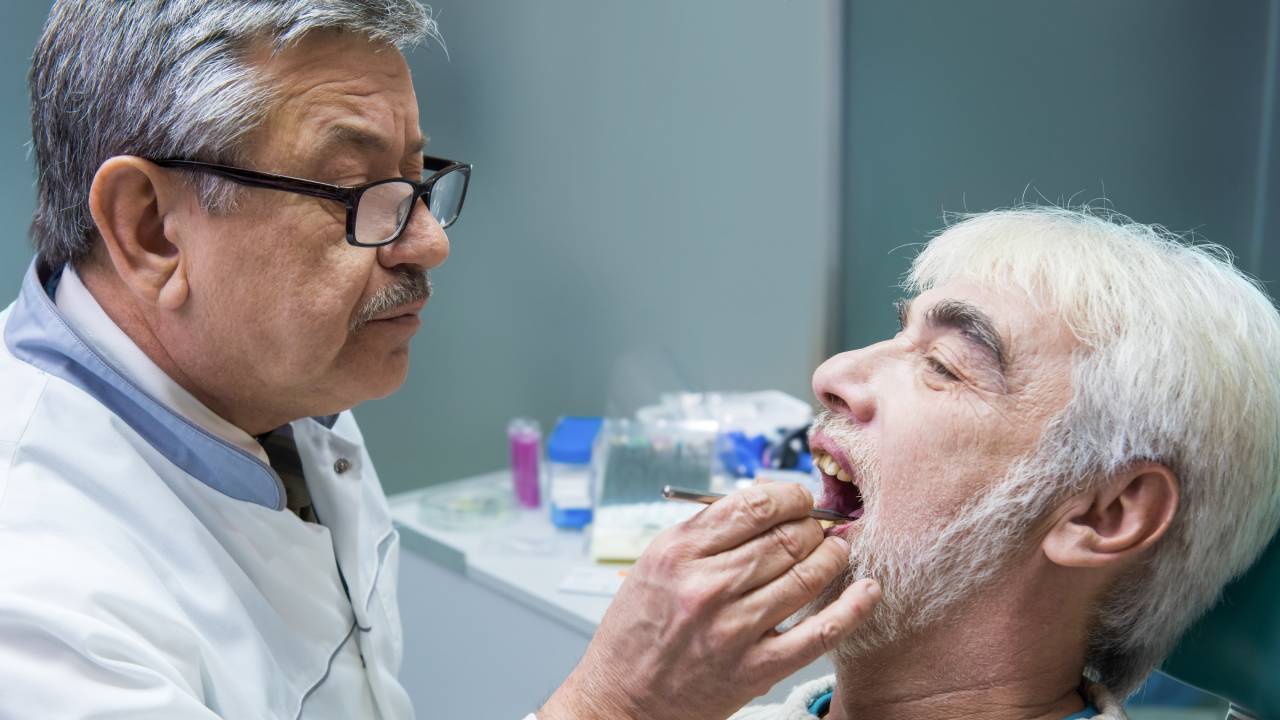
Your visit usually begins with a careful exam of your mouth, gums, and dentures. Your dentist or denturist will:
- Ask about your current comfort, chewing, and any sore spots
- Inspect your gums for redness, ulcers, or overgrowths
- Check the fit and stability of your denture when you talk and bite
- Look for damage or warping in the denture base
This evaluation helps determine whether a soft, hard, or temporary reline is best, and whether you also need denture repair services or a new dentures consultation for the future.
2. Marking and adjusting the denture
For a hard reline, your dentist may remove a thin layer from the inside of the denture and mark areas that need to be adjusted. Sometimes a temporary putty is placed to capture how the denture currently sits and where more material is needed.
If only minor changes are required, the reline might be completed in the office during this appointment without sending the denture to a lab.
3. Taking an impression of your gums
To create a reline that truly fits your current mouth, your dentist usually takes a new impression while your denture is in place. This involves:
- Filling the inside of the denture with a soft impression material
- Placing the denture back in your mouth
- Asking you to bite gently and make natural movements, such as swallowing, speaking, or smiling
These movements help shape the material so it reflects how your denture should fit during daily use.
4. In-office or lab relining
Once the impression is taken, the reline can be done:
- In the dental office, often for soft relines or minor hard relines
- In a dental lab, usually for more complex or long-lasting hard relines
In-office relines can sometimes be completed in 30 to 60 minutes, especially for soft liners. Lab relines may take one to two days or slightly longer, depending on how much work is needed and the lab’s schedule.
If your denture must go to the lab, your dentist may discuss options such as:
- Going without your denture briefly, especially if you have a second set
- Providing a temporary denture so you can continue to eat and smile while the lab work is completed
5. Fitting and fine-tuning
When your relined denture is ready, you return for a fitting visit. Your dentist will:
- Check how the denture seats on your gums
- Evaluate your bite and how your teeth meet
- Ask you to speak and chew gently to test stability
- Adjust any areas that feel tight, high, or sore
Minor adjustments are common and help ensure you can fix loose dentures and enjoy a more secure, natural feel. Some offices include free adjustments for a period after relining, so ask what is available for you.
What to expect after your reline
Once your denture has been relined and adjusted, you can expect a gradual improvement in comfort and function. At the same time, your mouth may need a short period to adapt.
Early sensations and healing
In the first few days:
- Your denture may feel snugger or slightly different than you are used to
- Mild pressure or awareness of the new fit is common
- Sore spots should improve, but let your dentist know if any new discomfort develops
Many patients find they can eat more normally again with less slipping and reduced food trapping. If you feel persistent pain, rocking, or pinching, schedule a quick adjustment visit so your dentist can fine-tune the fit.
Caring for your relined dentures
Proper care can help your relined dentures last longer and stay comfortable:
- Clean them daily with a soft brush and recommended cleanser
- Soak them as directed by your dentist or the product instructions
- Rinse thoroughly to prevent residue from irritating your gums
- Avoid boiling water or harsh chemicals that can warp the base or damage the reline
Taking good care of your relined dentures and your gums can extend their lifespan and may help you avoid more frequent procedures. Many relined dentures last several years, especially hard relines that are maintained well.
Protecting your gums and jawbone
Ignoring a poor fit for too long can lead to:
- Persistent gum inflammation and ulceration
- Difficulty chewing, which may affect nutrition
- Changes in jawbone shape that accelerate bone loss
Regular relines support your oral health by keeping the denture evenly supported and reducing excess pressure on specific areas. Over time this can help you maintain a stronger foundation for permanent dentures options or future replace missing teeth with dentures treatments.
How often you should schedule relines
There is no single schedule that fits every person. The ideal timing for your next denture reline appointment depends on:
- How long you have had your dentures
- How quickly your jawbone is changing
- Whether your gums are sensitive or prone to soreness
- The type of reline material used previously
General guidance from dental professionals includes:
- Many dentures need relining about every one to two years, especially early on, as your mouth adjusts after extractions
- Soft relines often last 12 to 18 months, while hard relines can last up to several years depending on wear
- Many denturists recommend relines every one to three years to prevent discomfort and more costly replacements
Yearly checkups with a full dentures dentist or affordable dentures dentist are important, even if you feel fine. Your provider can spot small issues, help best dentures for chewing stay that way, and recommend relining before major problems appear.
When a new denture might be better than a reline
While a reline is often a cost-effective way to improve denture fit, there are times when a new denture will serve you better. Your dentist may suggest a new dentures consultation if:
- Your denture teeth are very worn down or flat
- The base is cracked, warped, or repeatedly breaking
- Major changes in your jawbone make it difficult to obtain a stable fit
- You have had repeated relines in a short amount of time
- You are ready for a more natural look or upgraded materials to restore smile with dentures
In these situations, a new appliance, such as updated full dentures, tooth replacement with partial, or dentures for seniors, may offer a more predictable, long-lasting result. Your dentist will help you weigh the benefits and costs of relining versus starting fresh.
Making your next step easier
Preparing for your denture reline appointment does not need to feel overwhelming. By understanding your options, cleaning your dentures ahead of time, and clearly explaining where you need relief, you set yourself up for a smoother visit and a better outcome.
If your dentures slip, click, or leave your gums sore, you do not have to live with that every day. Relining can adjust dentures for comfort, improve stability, and support your long-term oral health. Paired with regular checkups and proper care, it helps you keep enjoying the function and appearance you expect from your dentures.
Whether you are exploring your first full denture, evaluating partial dentures for missing teeth, or looking for same day denture repair to quickly restore comfort, partnering with a denture-focused practice gives you ongoing support. With the right guidance, you can maintain a secure fit, protect your gums and jaw, and feel confident in your smile every day.
References
- (Schaefer Denture Clinic, Woodland Hills Dental Spa)
- (San Marin Dental)
- (Custom Denture Clinic, Grout Family Dentistry)
- (Woodland Hills Dental Spa)
- (Grout Family Dentistry)
- (Fairfax Dental Group, Custom Denture Clinic)
- (Schaefer Denture Clinic, San Marin Dental)
- (Island Dental Associates)
- (Rockville Family Dentistry, San Marin Dental)
- (Fairfax Dental Group)
- (Rockville Family Dentistry)
- (Rockville Family Dentistry, Schaefer Denture Clinic)
- (Custom Denture Clinic, Dentistry by Brand)
- (Schaefer Denture Clinic)
- (Custom Denture Clinic)
- (Fairfax Dental Group, Garden City Dental Centre)
- (Woodland Hills Dental Spa, Grout Family Dentistry)