Understanding full dentures and your options
If you are missing most or all of your teeth, finding the right full dentures dentist is one of the most important decisions you can make for your health, confidence, and quality of life. Full dentures, also called complete dentures, are removable prosthetics that replace all the teeth in your upper jaw, lower jaw, or both, and they restore your ability to eat, speak, and maintain your facial structure.
More than 36 million Americans have no natural teeth, and about 90% of them wear dentures. You are far from alone if you are starting this journey. A skilled full dentures dentist guides you through each step so you end up with a secure, natural-looking smile that feels like it belongs to you.
Full denture frameworks typically consist of a gum-colored base that rests on your gums and supports artificial teeth made from porcelain or acrylic polymer. Some dentures are traditional removable plates. Others are stabilized with dental implants or designed as overdentures that fit over a few remaining teeth for extra support.
As you look for the best dentist to restore your smile, it helps to understand your choices, the treatment process, and what separates an average experience from an excellent one.
Signs you might need full dentures
You may be wondering whether you truly need full dentures or if a different solution would work better. A full dentures dentist evaluates your specific situation, but there are common signs that complete dentures are worth discussing.
You might be a candidate for full dentures if you:
- Are already missing most or all of your teeth on your upper or lower arch
- Have severe tooth decay, infection, or gum disease that makes saving teeth unlikely
- Struggle to chew even soft foods comfortably
- Avoid smiling or talking because of missing or damaged teeth
- Notice your cheeks or lips starting to look sunken from tooth and bone loss
When you still have several healthy teeth, your dentist may instead recommend partial dentures for missing teeth or other restorative options that preserve existing teeth. If you are facing removal of the remaining teeth, you can also ask about temporary dentures that give you a smile during the healing phase.
Types of dentures your dentist may recommend
One of the benefits of seeing a full dentures dentist is access to several denture designs, from basic to highly customized and implant-supported options. Understanding the main categories helps you ask informed questions at your new dentures consultation.
Conventional full dentures
Conventional full dentures are made and placed after any remaining teeth are removed and your gums have had time to heal, usually several weeks. This approach gives your dentist a stable foundation to work with and often leads to a more predictable long-term fit.
You will typically wear a healing denture or go without teeth while tissues recover. Once healed, the laboratory fabricates your final denture based on detailed impressions and bite records.
Immediate full dentures
Immediate dentures are placed the same day your remaining teeth are extracted. Your dentist takes impressions beforehand and fabricates the dentures in advance so you never have to go without teeth in public during the initial healing period.
As your gums and bone shrink after extractions, immediate dentures require multiple adjustments. A full dentures dentist will often recommend a denture reline appointment or eventual remake once healing stabilizes so you can improve denture fit and comfort.
Overdentures and implant-stabilized dentures
Overdentures fit over a few remaining natural teeth or over dental implants. The remaining teeth or implants act as anchors, which can improve stability and preserve some jawbone. This can be a good option if you want extra security without committing to a full fixed implant bridge.
Many patients also explore permanent dentures options, where dentures are clipped or attached to implants for stronger chewing and less movement. Your full dentures dentist will discuss whether your bone level, health, and budget make you a candidate for these choices.
Materials and design choices
Most modern dentures use acrylic resin for the pink base and acrylic or porcelain for the teeth. Acrylic is lighter and easier to adjust, while porcelain can be more wear-resistant but heavier and sometimes more expensive.
Acrylic teeth typically need replacement about every five to eight years due to wear on the chewing surfaces and changes in your bite. Your dentist will recommend materials based on your bite, jaw shape, and oral health, and in some situations may guide you toward specific designs if you have medical conditions, such as blood thinners, that affect healing.
What to expect from a full dentures dentist
Knowing what the process looks like can reduce anxiety and help you choose a provider who communicates clearly and respects your goals. A comprehensive full denture journey follows several key steps.
Step 1: Consultation and smile planning
At your first visit, your full dentures dentist will:
- Review your medical and dental history
- Examine your teeth, gums, and jawbone
- Discuss whether you need extractions, gum treatment, or other care first
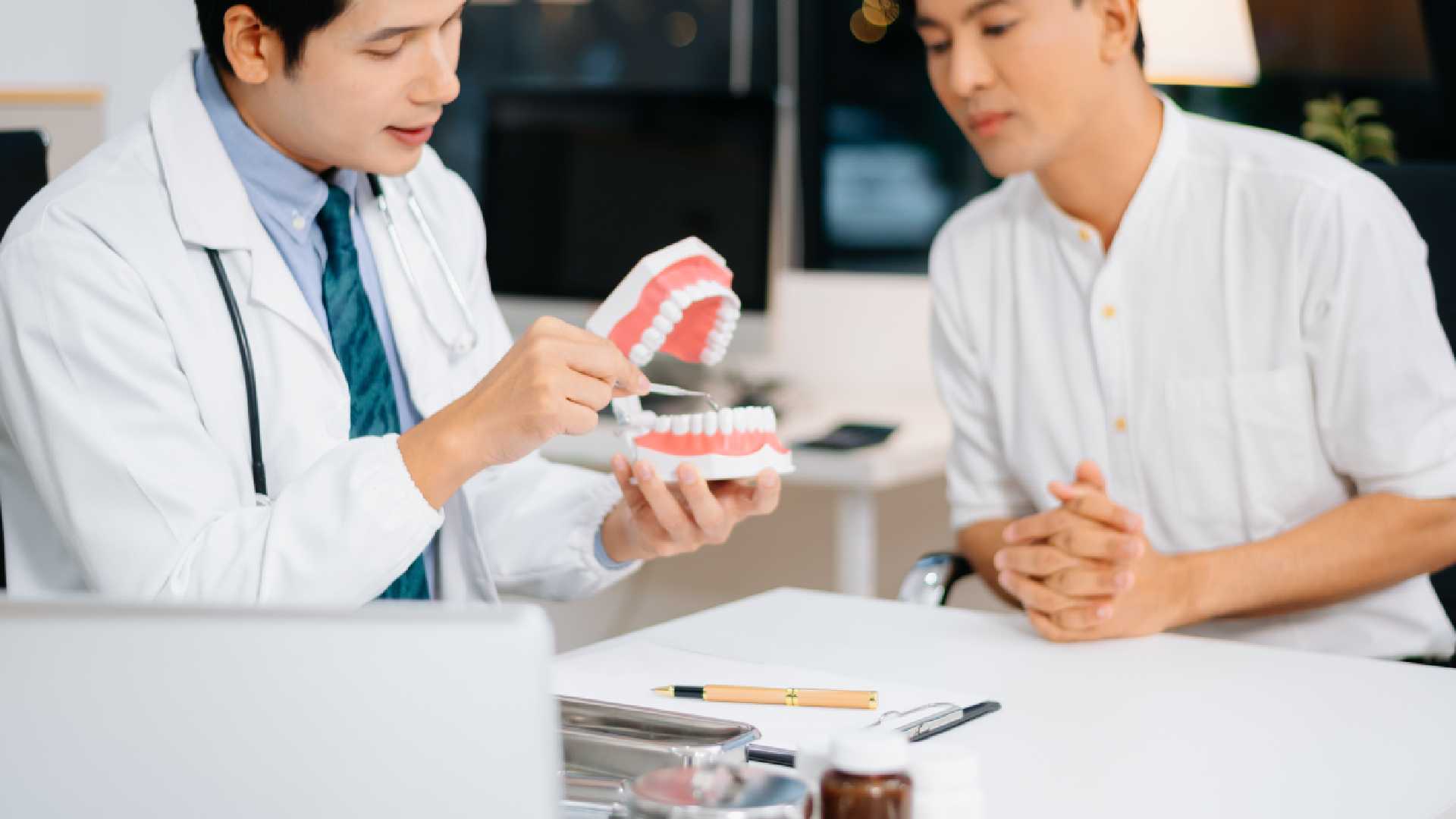
- Explain full denture, partial denture, and implant-stabilized options
You should leave this initial appointment with a clear plan and timeline that fits your situation. If you are replacing only some teeth, your provider may discuss tooth replacement with partial options at the same time.
Step 2: Impressions, measurements, and bite records
Accurate impressions and measurements are crucial to custom dentures fitting. Your dentist carefully records how your jaws come together and the natural position of your lips and cheeks. This information shapes the size, color, and placement of your future teeth so they support your face and look natural.
Step 3: Wax try-in for appearance and comfort
Before your final dentures are made, you typically try a wax model that shows the proposed tooth arrangement. This is your chance to:
- See how your new teeth will look
- Request changes in tooth color, shape, or alignment
- Check how your lips and cheeks are supported
A full dentures dentist encourages honest feedback. Adjustments at this stage help ensure you are happy with your smile before anything is finalized.
Step 4: Delivery of your final dentures
Receiving your final dentures is a major milestone. Your dentist will seat the dentures, check pressure areas, and fine-tune your bite. This visit is also when you learn how to insert, remove, and care for your new appliance.
Your provider should talk with you about what to expect in the first few weeks and schedule follow-up visits to adjust dentures for comfort as your mouth adapts.
Step 5: Ongoing follow-up and maintenance
Dentures and your mouth both change over time. Regular checkups allow your dentist to:
- Inspect your dentures and oral tissues
- Check for sore spots, rubbing, or fungal infections
- Recommend relines or replacement when needed
The American Dental Association and other providers recommend having dentures examined every 5 to 7 years to decide if a remake is necessary, and relining every one to two years is common to keep the fit comfortable. Routine visits also give you a chance to talk about any slipping, pain, or difficulties with eating so your dentist can fix loose dentures before small problems become serious.
How a good dentures dentist improves comfort and fit
Many people worry that dentures will always slip, wobble, or feel painful. While some adjustment is normal at first, a dedicated full dentures dentist uses specific techniques to create a stable, comfortable result and to improve denture fit over time.
Addressing sore spots and instability
Common issues like sore areas and denture movement often come from overextended borders or uneven pressure on the gums. Clinical tools such as disclosing wax and pressure-indicating paste help your dentist identify exactly where the denture is rubbing or rocking so small amounts of material can be trimmed or reshaped.
Sore spots may also indicate premature contact when you bite or speak, or even too much height between your upper and lower jaws, known as excessive vertical dimension. In these situations, your dentist carefully adjusts your bite, and in some cases may recommend tissue conditioning or a new denture to restore comfort.
Using relines and repairs to extend denture life
As your jawbone gradually shrinks, even well-made dentures can become loose. Instead of living with movement or applying more adhesive every day, a full dentures dentist can reline the inside of your denture. A reline adds new material to refit your existing denture to your gums, often transforming the way it feels and functions. You can schedule a denture reline appointment to address this.
Cracks, broken teeth, or fractured bases are also common over the life of a denture. Timely denture repair services and broken denture repair can often restore function without needing a brand new appliance. Many offices even offer same day denture repair for urgent situations.
When in doubt, bring any denture discomfort or damage to your dentist quickly. Early repairs and relines can dramatically extend the life and comfort of your appliance.
Denture adhesives and bite optimization
Denture adhesives in the form of creams, powders, strips, or wafers can improve retention and chewing power for many people with complete dentures. A 2021 review found that adhesives enhance denture retention, bite force, and chewing performance for complete denture wearers.
Your dentist will show you how to apply adhesive correctly, in small, strategic amounts, and will evaluate your chewing pattern to position the teeth for the best dentures for chewing. If adhesive use suddenly increases or your dentures start slipping more, that is a signal to schedule a visit to fix loose dentures, not simply to add more product.
Eating, speaking, and smiling with new dentures
Even with a skilled full dentures dentist, there is an adjustment period as your muscles learn to work with your new teeth. Understanding what is normal helps you stay patient and confident.
Learning to eat with full dentures
It is common to have difficulty eating when you first receive dentures because they can slip out of position while biting or chewing, especially on hard or sticky foods like nuts and seeds. Start with soft, easy-to-chew foods cut into small pieces. Chew slowly and use both sides of your mouth at the same time to help stabilize the dentures.
Over time, you and your dentist can fine-tune your denture design and tooth setup so you can enjoy a wider range of foods. If you want maximum chewing strength, ask about permanent dentures options supported by implants.
Adapting your speech
Many new wearers notice a slight lisp or difficulty with “s” sounds at first. This is because dentures change the space your tongue uses to form sounds. Practicing speaking out loud, reading, and even singing around the house can speed up your adaptation and improve clarity.
If specific sounds continue to cause whistling or lisping, your full dentures dentist can adjust the contour of the denture in the area behind your front teeth to fine-tune speech sounds.
Protecting facial support and appearance
Full dentures do more than fill in missing teeth. They support your lips and cheeks to help you maintain a natural facial profile and avoid the sunken look that can occur after tooth loss. Thoughtful design of tooth size, color, and position, combined with a carefully shaped pink base, can help you restore smile with dentures that complement your face and age.
Your dentist will also discuss dentures for seniors and how bone loss over time affects appearance, so you can plan periodic updates that keep your smile looking natural.
Daily care and long-term maintenance
Partnering with a full dentures dentist is not just about getting dentures made. It is about maintaining healthy tissues and a clean, fresh appliance for years.
Cleaning your dentures and protecting your mouth
The American College of Prosthodontists recommends daily cleaning of full dentures by soaking and brushing with a nonabrasive denture cleanser to reduce bacterial and fungal buildup and to prevent denture-related stomatitis.
You should:
- Remove and rinse dentures after meals
- Brush them each day with a soft-bristled brush and denture cleanser, not regular toothpaste, which can scratch the surface
- Soak them overnight in water or denture solution, unless your dentist advises otherwise
- Brush your gums, tongue, and palate daily to keep tissues healthy
Take simple precautions like placing a towel in the sink or filling it with water when cleaning, so if you drop your dentures they are less likely to break.
When to reline or replace dentures
Even with excellent care, dentures eventually wear down or stop fitting well as your mouth changes. Signs you may need a reline or replacement include:
- Frequent slipping, even with adhesive
- New pressure spots or sores
- Difficulty keeping the dentures in while eating or speaking
- Changes in your facial shape or jaw position
The average lifespan of full dentures is about seven to ten years, and many patients need periodic relines in between. The American Dental Association recommends that dentures be examined every 5 to 7 years to determine whether replacement is needed .
Your dentist can recommend a comfortable dentures solution that may include relining, reshaping, or remaking your denture so you can continue to replace missing teeth with dentures that work well for your current needs.
Choosing the right full dentures dentist for you
Not every provider offers the same experience, so it is worth investing time in finding a full dentures dentist who aligns with your priorities for appearance, function, and comfort.
Look for a dentist who:
- Has clear experience with full and partial dentures for missing teeth
- Offers a full process from consultation through wax try-in, final delivery, and follow-up
- Provides repair and maintenance options like denture repair services and denture reline appointment
- Discusses cost transparently and is willing to help you explore affordable dentures dentist options that fit your budget
- Listens to your concerns about appearance, chewing, and long-term comfort rather than rushing to a standard design
During your new dentures consultation, pay attention to how thoroughly the dentist explains your options for temporary solutions, long-lasting permanent dentures options, and how they plan to help you adjust dentures for comfort after delivery. The right partner will support you well beyond the day you receive your new teeth.
With a skilled full dentures dentist and a thoughtful plan, you can regain a stable bite, clearer speech, and the confidence to smile and socialize again. When you are ready to move forward, start by scheduling a consultation to explore how the right dentures can help you eat comfortably, look natural, and feel like yourself.