Why dentures for seniors often cause problems
If you are wearing dentures, you are not alone. More than 36 million Americans have lost all their natural teeth, and around 90% of them use dentures to replace their smile and chewing function. Dentures for seniors can greatly improve your quality of life, but they can also bring common issues like sore spots, slipping, speech difficulty, and problems eating.
Some problems are part of the normal adjustment period. Others are signs that your dentures need an adjustment, a reline, a repair, or even replacement. Understanding what is normal and what is not helps you protect your health and stay comfortable and confident with your dentures.
In this guide, you will learn the most common denture issues seniors face, why they happen, and practical ways to fix them, including when it is time to schedule a new dentures consultation.
Understanding types of dentures you may have
Before looking at specific problems, it helps to understand what type of denture you are using. Different designs tend to have different issues.
Full vs partial dentures
If you are missing all teeth in the upper or lower jaw, you likely wear full dentures. These rest on the gums and are designed to restore your entire arch of teeth. Full dentures are common because complete tooth loss is widespread in later life, and conventional full dentures are often the most affordable option for seniors without remaining teeth.
If you still have some healthy natural teeth, your dentist may recommend partial dentures for missing teeth to fill spaces. A tooth replacement with partial can be made with a metal framework or resin base that clips around existing teeth for stability. National averages show metal partials cost more but tend to be more durable and longer lasting than resin partials.
Temporary vs longer term dentures
Immediately after tooth extractions, you may receive temporary dentures or immediate dentures to help you speak and smile while your gums heal. These are intended as a short term solution. As your gums and bone shrink, these temporary dentures often loosen and usually require relines or replacement.
Longer term dentures are custom made once your gums have largely healed. With proper care, dentures can last 5 to 10 years, although seniors often need adjustments, relines, or repairs along the way.
If you are considering more stability, your dentist may discuss permanent dentures options like implant supported or snap in dentures, which use titanium posts in the jaw to mimic tooth roots and prevent bone loss.
Poor fit and loose dentures
One of the most common problems with dentures for seniors is a poor fit. Loose or unstable dentures do not just feel annoying. They can affect your diet, speech, and general health.
Why dentures become loose over time
Even if your dentures fit well when they were new, your mouth continues to change. After teeth are removed, the jaw bone slowly shrinks and reshapes, a process called bone resorption. This is especially common in seniors and can be made worse by long term denture wear and gum disease.
Because dentures do not change shape as your bone does, spaces form between the denture base and your gums. You may begin to notice:
- Dentures slipping when you talk or laugh
- Difficulty chewing certain foods
- Clicking sounds as you bite or speak
- Needing more adhesive than before
Ill fitting dentures can also affect your bite and even your jaw joints, leading to jaw pain, headaches, and facial muscle discomfort that can interfere with daily life.
Health risks of living with loose dentures
Loose dentures are not just a nuisance. They can:
- Rub and create sore spots and ulcers
- Make you avoid healthier foods that are harder to chew, like vegetables, meats, nuts, and seeds, which may cause weight loss or poor nutrition
- Increase your risk of fungal infections such as denture stomatitis
- Lower your confidence in social situations and lead to isolation
A study of older complete denture wearers found that many had difficulty chewing and painful gums, which directly affected their diet and overall nutrition.
How to fix loose dentures
If your dentures have started to move or feel unstable, you have several options.
A professional reline reshapes the inner surface of your denture to match your gums again. A denture reline appointment can often restore suction and comfort without replacing the whole denture. This is especially helpful if your dentures are in good condition but your gums have changed.
If your denture base or teeth are worn, cracked, or do not match your bite any longer, your dentist may recommend new dentures and a custom dentures fitting. With modern digital scans and improved acrylic materials mixed with ceramic fibers, new dentures can be designed for a snug, natural feel that helps you chew and speak more easily.
Denture adhesive can help improve retention for complete dentures, especially if you have dry mouth. The American College of Prosthodontists recommends using only three to four pea sized amounts and avoiding zinc containing products, since overuse may be harmful. Adhesive can be a useful support, but it should not be used to force a badly fitting denture to work. If you depend on large amounts of adhesive every day, it is time to fix loose dentures with professional care.
Gum soreness, irritation, and mouth infections
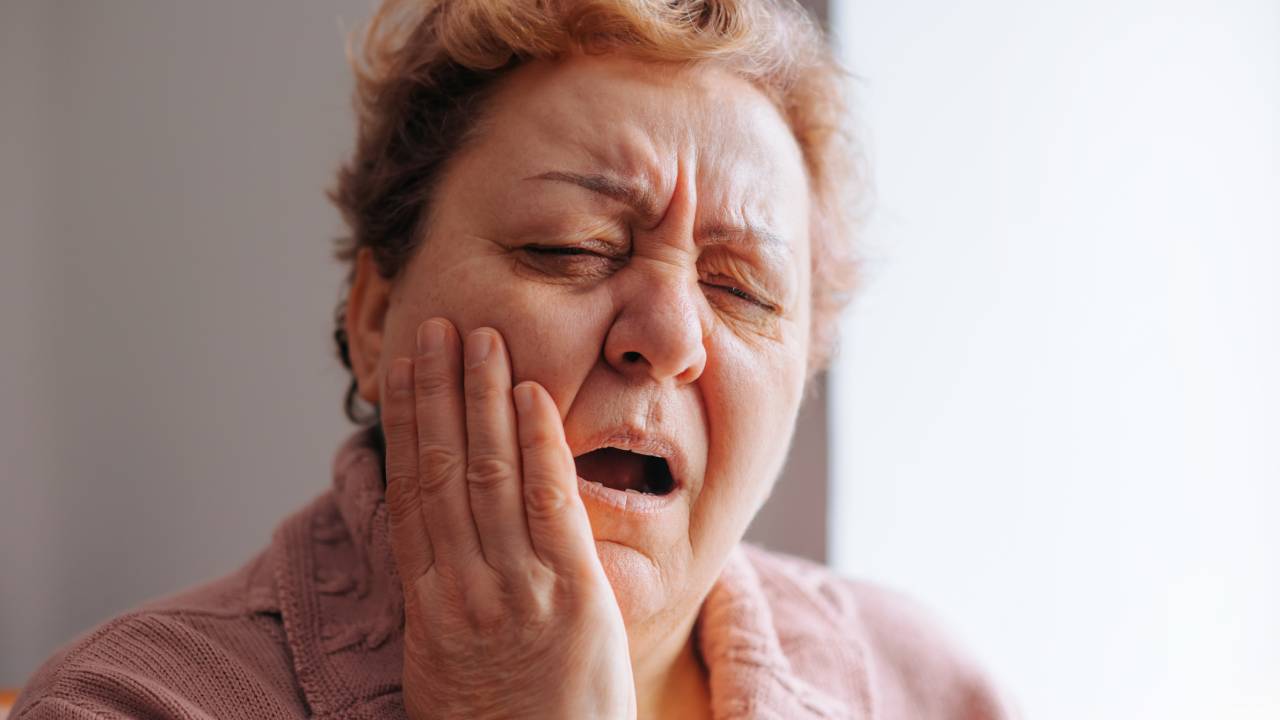
Sore, red, or swollen gums are a signal that something is not right with your dentures or your oral hygiene routine.
Common causes of sore gums with dentures
Gum pain may be due to:
- High pressure spots caused by an uneven denture base
- Sharp edges or cracks in the denture
- A bite that forces too much pressure on one area
- Loose dentures that move and rub the tissue
- Wearing dentures overnight so your gums never get a rest
- Build up of plaque or fungus on the denture surface
Ill fitting dentures can lead to gum irritation and swelling that can become infected if ignored. Over time, chronic inflammation can also contribute to bone loss under the denture.
Denture stomatitis is another common problem for seniors. This is a yeast infection caused by Candida, which naturally lives in the mouth but can overgrow when dentures are not cleaned properly or are worn constantly. It usually appears as red, sore tissue under the denture and may change how the denture fits.
When soreness is part of normal adjustment
If you recently received new dentures, mild tenderness and a few sore spots during the first days are expected as your mouth gets used to the appliance. Your dentist will usually schedule follow up visits to relieve pressure areas and adjust dentures for comfort.
However, pain that is sharp, persistent, getting worse, or making it difficult to eat is not normal and should be checked promptly.
How to relieve soreness and protect your gums
You can take several steps to improve comfort and protect your mouth:
- Remove dentures at night to allow your tissues to rest
- Rinse your mouth with warm salt water to soothe minor irritation
- Clean your dentures and your gums daily
- Use only dentist approved denture cleaners
- Avoid adjusting or bending your dentures yourself
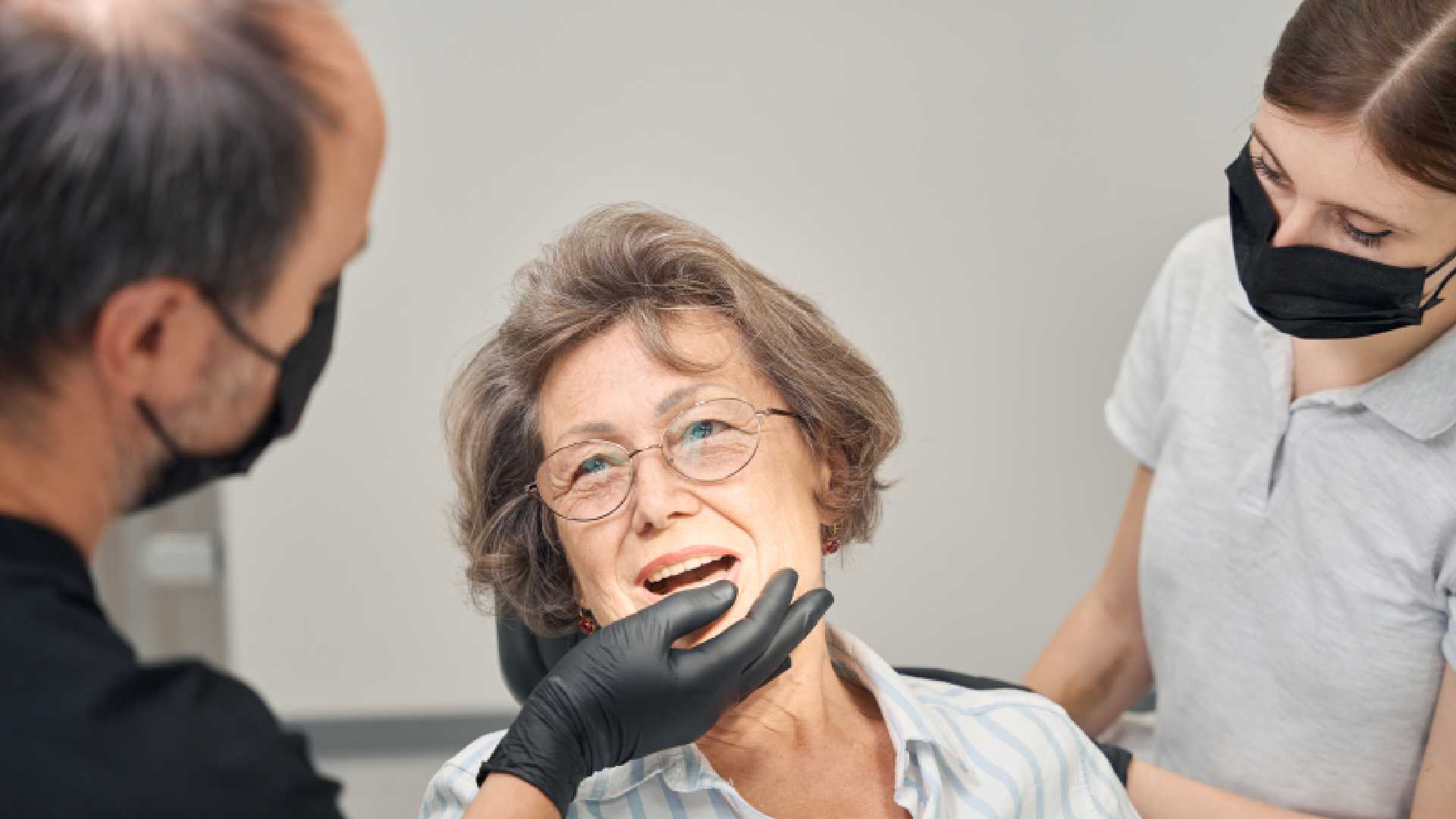
Professional care is essential if irritation does not improve. Your dentist can:
- Identify and relieve high spots on the base
- Reline the denture for better contact with your gums
- Provide medicine for fungal infections or ulcers
- Evaluate if a new denture or an alternative design is needed
Well fitted dentures help maintain your mouth structure, support your facial muscles, and improve chewing and speech, which promotes better nutrition and communication for seniors. If your denture comfort is limiting what you can eat or how you speak, consider a comfortable dentures solution with your provider.
Difficulty chewing and limited diet
Being able to enjoy food again is one of the main reasons you may choose dentures. If you are still avoiding many foods, you are not getting the full benefit of your treatment.
How dentures affect chewing strength
Traditional full dentures rest on the gums, which cannot provide the same biting power as natural teeth rooted in bone. As a result, many seniors find they need to:
- Take smaller bites
- Chew more slowly
- Avoid very hard, sticky, or tough foods
If your dentures are loose or painful, you might stop eating fiber rich foods like vegetables, meats, nuts, and seeds. Over time, this can lead to weight loss, malnutrition, or disordered eating patterns. Research has shown that many older denture wearers report difficulty chewing and painful gums that negatively affect their diet and nutrition.
Improving your chewing ability
You can usually improve chewing in two main ways: by improving the denture itself and by changing how you chew.
From a dental standpoint, steps may include:
- Adjusting or relining your dentures for a more stable fit
- Replacing worn dentures with updated designs that have better tooth form and occlusion
- Considering best dentures for chewing, such as implant supported or snap in dentures that offer stronger bite force
From a personal habits standpoint, you can:
- Start with softer foods and gradually introduce firmer items as your confidence grows
- Cut food into small, manageable pieces
- Chew slowly on both sides to distribute pressure evenly
- Avoid using your denture teeth as tools to open packages
If your current dentures never allowed you to chew well, it may be time to replace missing teeth with dentures that are specifically designed to match your bite and jaw movement.
Speech problems and social confidence
Another frequent concern with dentures for seniors is speech difficulty. You may notice lisping, whistling, or trouble pronouncing certain sounds, especially “s” and “f” sounds, when your dentures are new or when they become loose.
Why dentures affect your speech
Your tongue, lips, and teeth all work together to form speech. When the shape of your mouth changes due to dentures, your tongue needs time to relearn movements. A denture that is too thick, too long, or unstable can make this process harder.
In one study, more than 60% of complete denture wearing seniors reported difficulty speaking, and many avoided social gatherings because they felt embarrassed about eating or talking in public. Loss of confidence and low self esteem were also significant issues, especially among women.
Practical ways to improve speech with dentures
Most people adapt to speaking with dentures over several weeks. You can help this process by:
- Reading out loud each day to practice
- Repeating words or phrases that are difficult
- Speaking slowly until you feel more in control
If your dentures slip or click as you talk, or if you must constantly reposition them with your tongue, that is usually a fit problem. A reline, occlusal adjustment, or improve denture fit visit can greatly improve your clarity and confidence.
If you continue to feel self conscious about your smile or speech, talking openly with your dentist can help. Sometimes, a more natural tooth shape, size, or color or an updated restore smile with dentures approach can improve not only function but also how you feel about yourself.
Broken or damaged dentures
Even well made dentures can break, especially after years of daily use or if dropped on a hard surface. You might see a crack in the base, a chip in a tooth, or a complete break into two pieces.
Why dentures break
Common causes include:
- Natural wear and tear over time
- Changes in your bite that stress the denture
- Thin or weakened acrylic in older dentures
- Accidental dropping during cleaning
- Trying to adjust the denture at home
The typical lifespan of complete dentures is about 5 to 7 years for seniors, although proper care may extend that range. Once the materials are worn or the fit is compromised, the risk of breakage increases.
Why you should not fix dentures yourself
At home denture repair kits or household glues may be tempting, but they often cause more harm than good. Store bought glues can damage the acrylic, distort the fit, and introduce harmful chemicals into your mouth. Improper repairs may also create sharp edges or uneven pressure that injure your gums.
Instead, contact a dentist who offers broken denture repair or same day denture repair whenever possible. In many cases, a fractured denture can be repaired in a lab, preserving the existing fit. Your dentist will also check why the denture broke, such as a bite imbalance or bone changes, so the problem does not repeat.
If your dentures are old, heavily worn, or have been repaired multiple times, your provider may recommend new dentures or discuss permanent dentures options that provide stronger support.
Psychological and social impact of denture problems
Dentures affect more than your ability to chew. They can influence how you feel about yourself and how you connect with others.
The study of elderly denture wearers in rural India found that many struggled with embarrassment about eating in public and reduced social interaction. Over half of women and more than half of men reported loss of confidence and low self esteem related to denture problems. Some even experienced psychological gagging when wearing their dentures.
You might recognize some of these feelings if you:
- Avoid restaurants or family dinners
- Cover your mouth when you smile or laugh
- Worry that your dentures will slip in front of others
- Hesitate to speak up in groups
Improving denture fit and comfort is not just about teeth. It helps you participate fully in life again. Well fitted dentures support facial muscles, improve speech clarity, and allow a more varied diet, which all contribute to better overall health and confidence for seniors.
If you feel anxious or discouraged about your dentures, you are not alone. Talking openly with your dentist about both the physical and emotional effects can lead to a treatment plan that supports your whole well being.
Many denture problems are fixable. You do not have to accept daily pain, embarrassment, or a restricted diet as a normal part of wearing dentures.
Daily care to prevent denture issues
Good daily care and regular checkups can prevent many common denture problems for seniors and help your dentures last longer.
Cleaning your dentures and mouth
The American Dental Association recommends daily cleaning by soaking and brushing your dentures with a nonabrasive cleanser. This reduces biofilm, plaque, and fungal buildup and helps prevent denture related stomatitis.
A simple daily routine includes:
- Remove dentures and rinse them under running water.
- Brush all surfaces gently with a soft denture brush and nonabrasive cleaner.
- Brush your gums, tongue, and palate with a soft toothbrush to stimulate circulation and remove plaque.
- Soak dentures overnight in a denture cleanser as directed.
- Rinse dentures thoroughly before putting them back in your mouth.
Avoid regular toothpaste, which is often too abrasive for denture materials, and never use hot or boiling water, which can warp the acrylic.
Checkups and replacement timing
Because your mouth continues to change with age, seniors should plan regular dental exams even if they have no natural teeth left. These visits allow your dentist to:
- Check for sore spots, infections, or oral lesions
- Monitor bone changes and denture stability
- Recommend relines, rebases, or new dentures when needed
The American College of Prosthodontists advises replacing dentures when they are no longer fitting well or are damaged, since ill fitting dentures can cause mouth sores and bone loss.
If it has been several years since your dentures were evaluated, or if you have noticed increasing discomfort, consider seeing a full dentures dentist or an affordable dentures dentist to review your options.
When to seek professional help
You should contact your dentist promptly if you notice any of the following:
- Persistent soreness, ulcers, or red areas under the denture
- Sudden changes in how your denture fits or feels
- Cracks, chips, or breaks in the denture base or teeth
- Difficulty chewing that affects your diet or weight
- Ongoing speech problems or denture slipping
- Signs of infection, such as burning, swelling, or unusual odor
Professional services such as denture repair services, adjust dentures for comfort, or a full custom dentures fitting are designed to solve these issues, not simply cover them up.
If you have been living with uncomfortable or unreliable dentures for years, you may be surprised at what modern solutions can offer. Today’s dentures for seniors use lightweight acrylic, digital design, and improved tooth materials to create a natural look and a more secure feel. Many practices also offer flexible financial options and focused services to keep care accessible to older adults.
If you are ready to improve comfort, function, and appearance, consider scheduling a new dentures consultation. With the right plan and ongoing support, you can enjoy dentures that feel secure, look natural, and support a full and confident life.
References
- (American Dental Association)
- (AZ Dentist)
- (CareCredit)
- (CareCredit, Affordable Dentures & Implants)
- (RankMyDentist)
- (The 247 Dentist, AZ Dentist)
- (The 247 Dentist)
- (Journal of Clinical and Diagnostic Research)
- (Itani Dental)
- (RankMyDentist, AZ Dentist)
- (RankMyDentist, Itani Dental)
- (Affordable Dentures & Implants)