
Understanding how dentures restore your smile
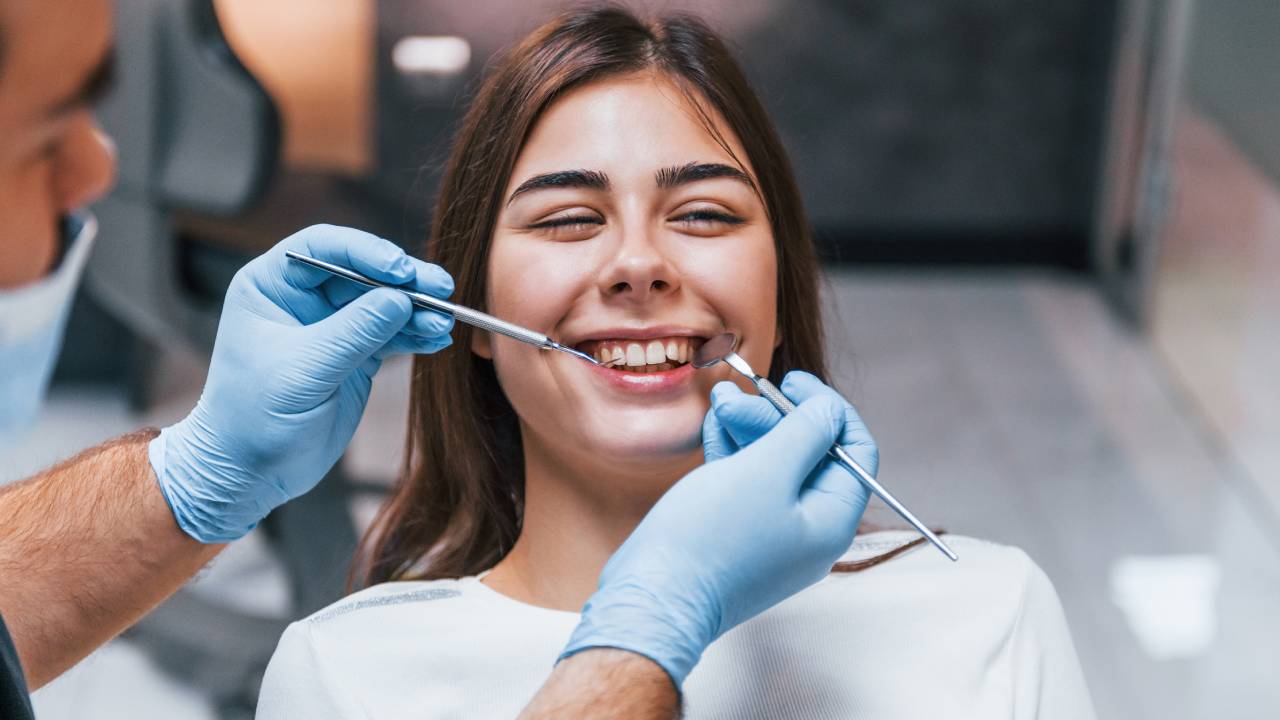
When you choose to restore your smile with dentures, you are doing much more than replacing missing teeth. Modern dentures are designed to improve how you look, how you eat, and how you speak, while also supporting your facial muscles and jaw.
Dentures are a common solution for tooth loss in the United States. More than 36 million Americans have no natural teeth, and about 90% of them use dentures to regain function and appearance. Whether you are missing several teeth or a full arch, today’s denture options can be customized to your needs and your budget.
If you feel self-conscious when you smile or you struggle to chew the foods you enjoy, understanding your denture choices is the first step toward a confident, natural-looking result.
Know your denture options
Before you can restore your smile with dentures confidently, it helps to understand the main types that may be recommended.
Full dentures to replace all teeth
Full dentures, also called complete dentures, replace every tooth in your upper or lower jaw. They are custom-made removable appliances that sit on your gums and are shaped to match your bite and facial structure.
You might consider a full dentures dentist if you:
- Are already missing most or all teeth in one arch
- Have teeth that are severely damaged or decayed
- Want a predictable way to improve chewing and speaking
Full dentures can be conventional, placed after your gums have fully healed, or immediate, which are placed right after tooth extractions so you are not without teeth while you heal.
Partial dentures when you still have teeth
If you still have some healthy natural teeth, partial dentures can fill the gaps. These removable appliances attach around existing teeth to complete your smile and improve chewing.
You might be a candidate for:
Partial dentures can:
- Keep remaining teeth from shifting out of place
- Restore a more even bite so you can chew more comfortably
- Support your lips and cheeks so your face looks fuller and more youthful
Anyone who is missing teeth or expecting extractions may be evaluated for partial dentures as a removable, realistic replacement solution.
Implant-supported and fixed options
If you want even more stability, implant-supported dentures may be an option. These dentures attach to dental implants that are placed in your jawbone. They can be removable or fixed in place permanently.
According to prosthodontic specialists, fixed dentures, including All-On-4 style solutions, provide increased stability and comfort and help prevent jawbone deterioration. If you are interested in less movement and a more secure bite, you can discuss permanent dentures options during your evaluation.
Temporary and immediate dentures
You may not be ready for your final denture on day one, especially if you need extractions. In that case, you might start with temporary dentures, often called immediate dentures.
Immediate dentures are placed right after tooth removal so you can leave the office with teeth in place while your gums heal. After the healing period, you will transition to a more precise, long-term denture.
Understand what affects denture cost
Feeling confident about your decision also means understanding the financial side of restoring your smile with dentures.
The cost of dentures in the U.S. ranges widely. Nationally, averages can run from around $452 for low-cost dentures to about $6,514 for premium options, depending on factors like location, type of denture, and materials used.
Key factors that influence your cost include:
- Type of denture, full or partial, removable or implant-supported
- Materials, acrylic resin, flexible polymers, porcelain, or metal components
- Complexity of your case, extractions, bone loss, or bite issues
- Whether you choose a budget, mid-range, or premium denture design
Some large dental providers offer clear starting prices. For example, Aspen Dental lists basic dentures starting at around $499 per arch, with several tiers up to higher-end, more natural-looking options. They also offer a Denture Money-Back Guarantee within 90 days if you are not satisfied, along with flexible financing and acceptance of most major dental insurance plans, excluding Medicaid.
If you are looking for budget-conscious solutions, an affordable dentures dentist can help you balance cost with comfort and appearance.
Tip: Ask for a written treatment plan that separates fees for extractions, temporary dentures, final dentures, and any implant work. That way you know exactly what you are investing in.
Plan your journey to a new smile
Restoring your smile with dentures is a process, not a single appointment. Knowing what to expect helps you move through each step with confidence.
Step 1: Schedule a denture consultation
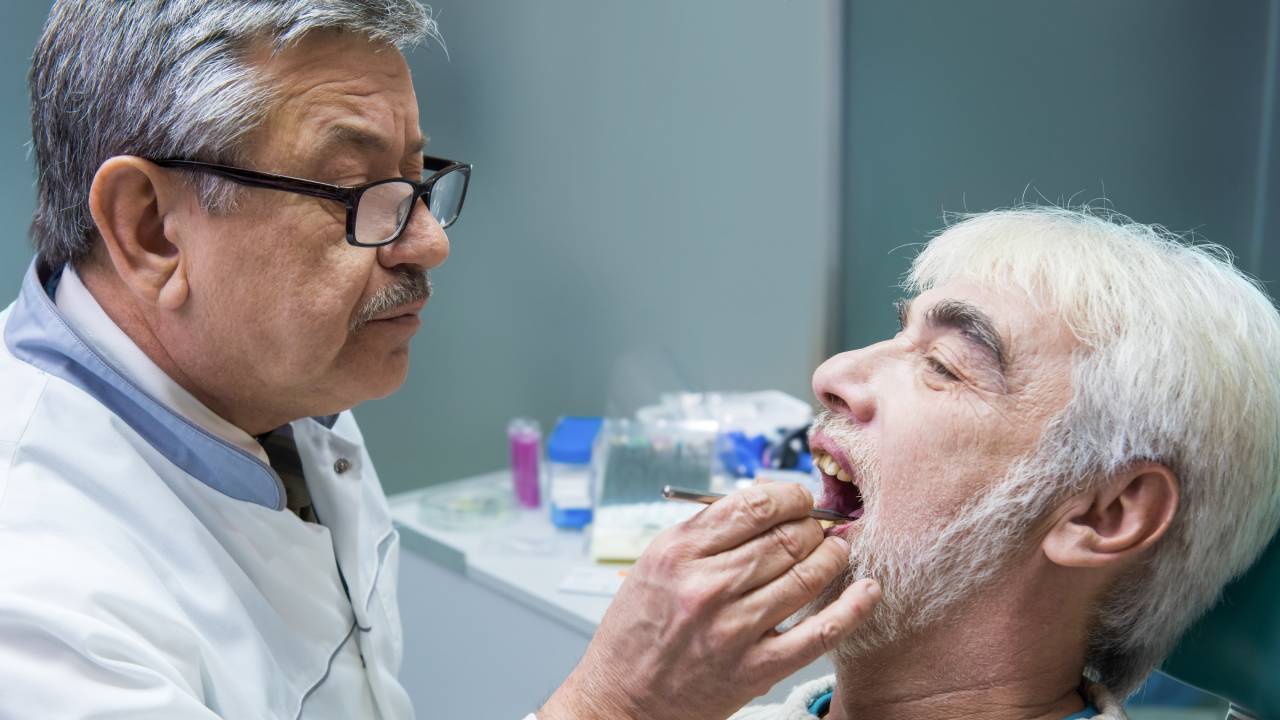
Your first step is usually a new dentures consultation. At this visit, your dentist will:
- Review your medical and dental history
- Examine your gums, remaining teeth, and bite
- Take X‑rays or 3D scans if needed
- Discuss your goals for appearance and function
- Explain which denture types fit your situation
This is your opportunity to ask questions about full versus partial dentures, fixed versus removable options, and how long the process will take in your case.
Step 2: Impressions and custom design
Once you decide to replace missing teeth with dentures, your dentist will take precise impressions of your mouth. Many practices now use digital design and 3D imaging to create more accurate, comfortable dentures and reduce the number of adjustments needed later.
You may also have a try-in appointment where you test a wax model of your denture to confirm the shape, bite, and tooth color. Working with a team that focuses on custom dentures fitting helps ensure that your final denture matches your face and feels secure.
Step 3: Extractions and temporary dentures if needed
If you need teeth removed, your dentist may:
- Extract selected teeth in stages, or
- Remove all remaining teeth for a full denture
In many cases, you will receive temporary dentures or immediate dentures at the same appointment. These act as a bandage for the extraction sites and allow you to maintain your smile during the healing period.
Healing typically takes several weeks to a few months. During this time your gums will shrink and change shape, which is why final dentures are often made once healing is more stable.
Step 4: Fitting your final dentures
When your gums have healed enough, you will receive your final full or partial dentures. The process from initial exam to final fit typically takes about two months, sometimes longer if your case is complex.
At the delivery appointment, your dentist will:
- Check how your dentures sit on your gums
- Evaluate your bite and adjust high spots
- Trim any areas that rub or cause sore spots
- Review how to insert, remove, and clean your dentures
A practice that offers a comfortable dentures solution will expect to make several refinements so your new teeth feel as natural as possible.
Focus on natural appearance and function
You are not only restoring teeth, you are rebuilding your smile and facial support. Several factors influence how natural your dentures will look and feel.
Choosing tooth shape and shade
Tooth color and shape are highly customizable. Modern denture teeth come in multiple shades and styles so you can choose a look that matches your age, complexion, and preferences. You can opt for a brighter shade for a more youthful effect or a softer, more natural tone.
During your custom dentures fitting, talk with your dentist about:
- Matching the shape to your face, round, oval, or square
- Slight irregularities that mimic natural teeth
- A tooth size that fits your smile line and lips
Supporting your facial structure
Missing teeth can lead to a sunken or aged appearance because your cheeks and lips are not supported. Well-designed dentures help restore volume in the lower face, improving your profile and helping you look more like yourself again.
Implant-supported or permanent dentures options can provide even more support to your jawbone, which helps maintain facial structure long term.
Optimizing your bite for better chewing
If you want the best dentures for chewing, your bite design matters. Properly balanced dentures:
- Spread biting force evenly across your gums
- Reduce rocking and movement during meals
- Help you chew a wider range of foods more comfortably
Your dentist will carefully adjust the biting surfaces so your teeth meet in a stable way. This process may take several visits but it greatly improves confidence when eating.
Get used to your new dentures step by step
Even with an excellent fit, your mouth and muscles need time to adjust. Feeling confident with your new dentures is a gradual process.
According to clinical guidance, the adjustment period usually lasts a few weeks to a couple of months. During this time you might notice increased saliva, mild soreness, and small changes in speech as your muscles adapt.
You can make the transition easier by:
- Starting with soft foods
Choose mashed potatoes, eggs, yogurt, and cooked vegetables. Cut foods into small pieces and chew slowly on both sides of your mouth. - Progressing to firmer foods gradually
As your comfort improves, introduce meats, salads, and crusty bread. Avoid very sticky or hard items at first. - Practicing speaking
Read aloud at home, practice common phrases, and speak in front of a mirror. This helps your tongue and lips learn how to form sounds with your dentures in place. - Wearing your dentures consistently
Unless your dentist advises otherwise, keep your dentures in during the day so your mouth can adapt more quickly. Removing them only at night lets your tissues rest.
If soreness or difficulty speaking and chewing does not improve, schedule a visit so your dentist can adjust dentures for comfort. You should never try to adjust or file your dentures yourself.
Improve fit and comfort over time
Your gums and jawbone continue to change after tooth loss. Even a well-made denture may feel loose or uncomfortable over time if it is not maintained.
When to consider a reline
As bone and gum tissue shrink, gaps can develop under your denture. This can cause:
- Looseness or rocking
- Food trapping under the plate
- Sore spots or rubbing
- More frequent use of adhesive
A denture reline adds new material to the underside of your existing denture to fit your current gum shape. If you are noticing changes in how your denture fits, talk to your dentist about a denture reline appointment to improve denture fit.
Using denture adhesive correctly
Adhesives can enhance retention and bite force for many complete denture wearers, especially if you experience dryness in your mouth, but they should be used sparingly. Adhesive is not a replacement for a proper fit. If you need larger amounts to keep your dentures in place, it is time to fix loose dentures with a reline or a replacement.
When to replace your dentures
The American College of Prosthodontists recommends evaluating dentures when red flags arise, such as chronic discomfort, poor fit, or recurrent sores, because ill-fitting dentures can cause bone loss and mouth irritation.
You should consider new dentures if you:
- Have had the same set for many years
- Notice cracks or worn-down teeth
- Feel ongoing looseness even after relines
- Are unhappy with appearance or chewing
A comfortable dentures solution may include updating to newer materials, improved design, or considering implant support.
Protect your investment with proper care
Once you restore your smile with dentures, daily care is essential for comfort, durability, and oral health.
Daily cleaning routine
Dentures can build up plaque and biofilm just like natural teeth. Proper cleaning helps prevent staining, bad breath, and infections.
Professional organizations recommend that you:
- Remove and rinse dentures after eating to wash away food debris
- Brush dentures daily with a soft brush and nonabrasive denture cleanser, not regular toothpaste
- Soak dentures overnight in water or a denture solution to maintain their shape
Millennium Family Dental notes that following a consistent cleaning routine significantly extends denture life and prevents gum irritation and infections.
If you wear partials, be sure to gently clean your natural teeth and gums around the clasps as well. Practices like these keep dentures for seniors and adults of all ages functioning comfortably for years.
Handle dentures carefully
Dentures can break if dropped or bent. To reduce the risk:
- Clean them over a folded towel or a sink filled with water
- Avoid using hot water, which can warp the material
- Do not use bleach or harsh cleaners, especially on partials with metal components, because they can damage the appliance
If a crack or chip occurs, contact your dentist for broken denture repair instead of attempting a home fix.
Keep up with regular checkups
Most experts advise seeing your dentist at least twice a year to monitor your oral health and denture condition. These visits allow for:
- Professional cleaning of your dentures
- Evaluation of tissue health under your dentures
- Early detection of sore spots, infections, or changes in fit
- Timely adjustments or relines when needed
Regular professional care supports long-term comfort and helps you continue to restore smile with dentures successfully over many years.
Know when you need repair or emergency help
Even with careful handling, dentures can sometimes crack, chip, or break. Acting quickly reduces time without your teeth and prevents further damage.
Common denture emergencies
You may need urgent attention if:
- A denture tooth breaks off
- The base cracks or snaps
- A clasp on a partial denture bends or breaks
- Your denture suddenly feels very loose and unstable
Do not use super glue or over-the-counter repair kits. These can damage the materials, irritate your tissues, and make professional repair more difficult.
Instead, contact your dentist for:
- Denture repair services
- Same day denture repair when available
On-site labs, similar to those used by large providers like Aspen Dental, can often fabricate or repair dentures quickly, sometimes even the same day, so you can restore your smile promptly and with clear pricing.
Choose a team that supports your long-term comfort
Your confidence with dentures depends as much on your dental team as on the appliance itself. When you are ready to restore smile with dentures, look for a provider who:
- Offers both full and partial denture solutions
- Explains permanent dentures options and removable choices
- Has experience with denture reline appointment services to maintain fit
- Provides denture repair services and emergency support
- Focuses on appearance, function, and long-term comfort rather than a one-time fix
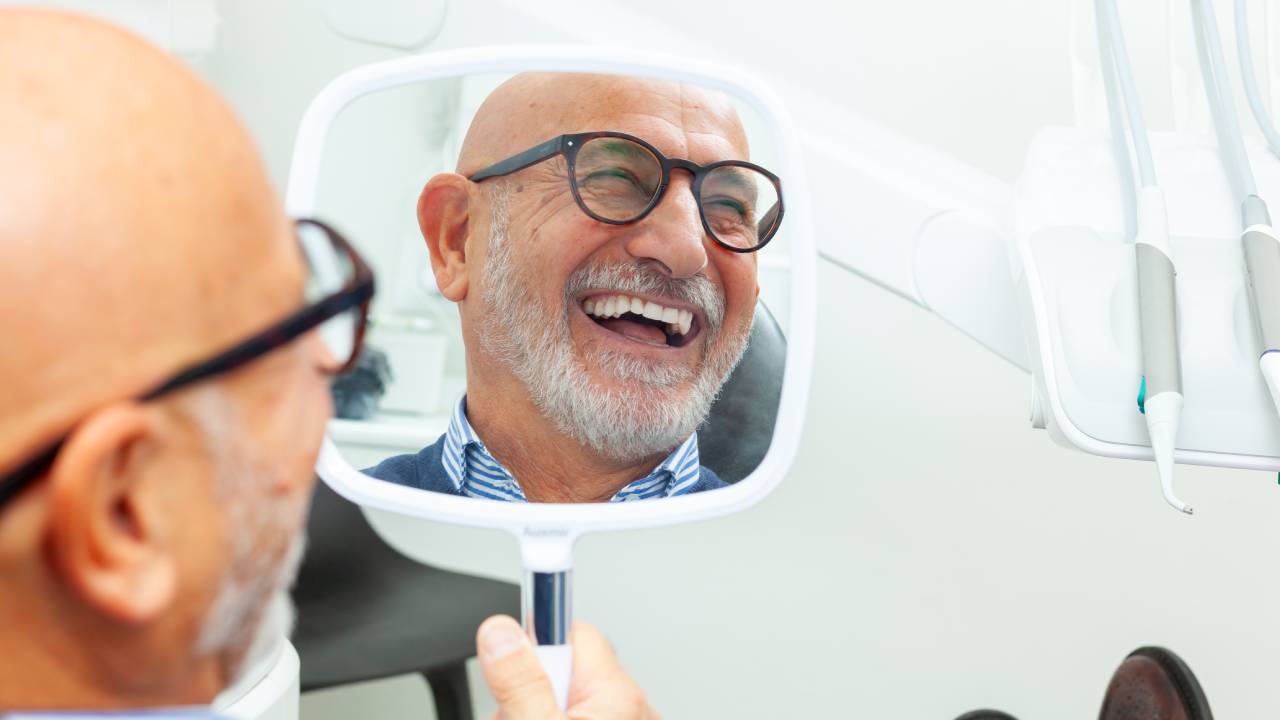
If you are an adult or senior missing multiple teeth, you do not have to live with difficulty chewing, mumbling speech, or hiding your smile. With modern materials, digital design, and a thoughtful fitting process, you can restore your smile with dentures in a way that feels secure, looks natural, and supports your daily life.
When you are ready, a new dentures consultation is the next step toward eating comfortably, speaking clearly, and smiling with confidence again.