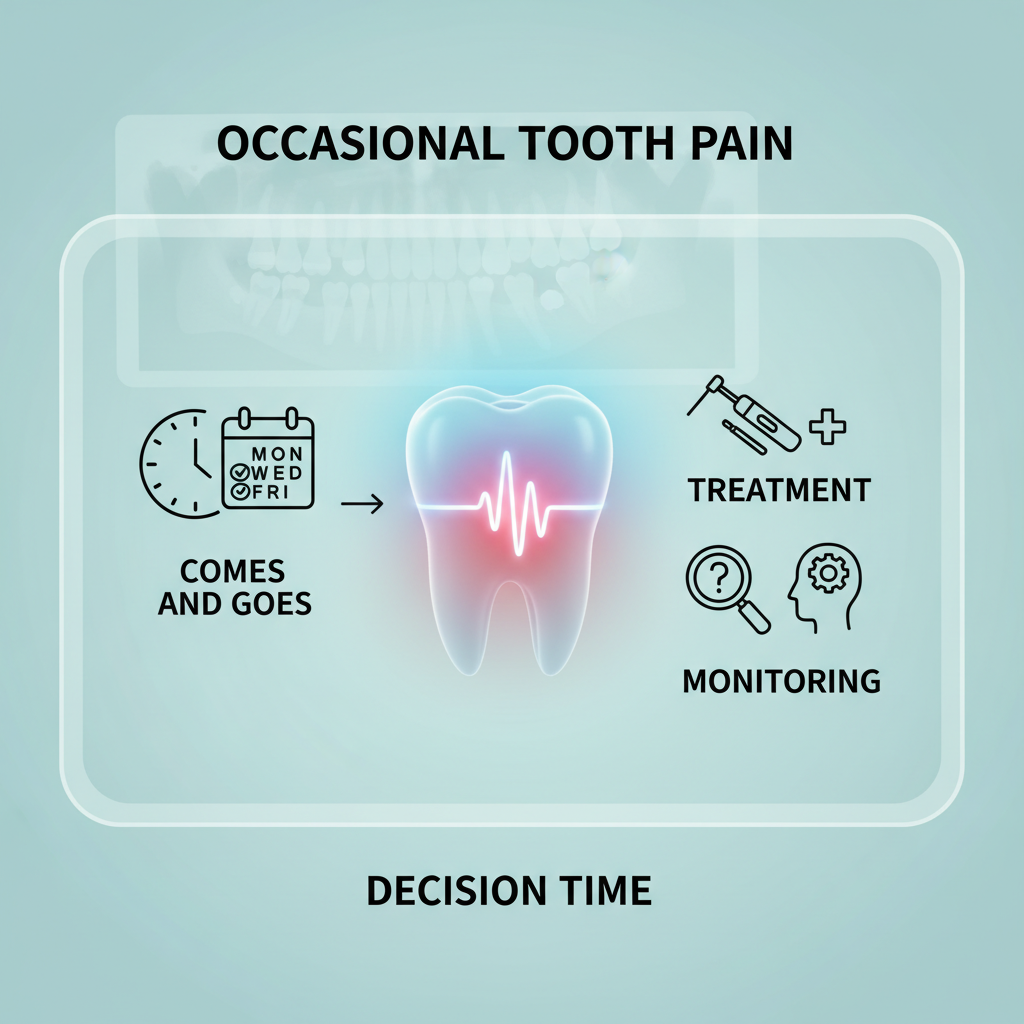

Understanding extraction for failed root canal
If you are dealing with persistent pain or infection after a root canal, you may be wondering if extraction for failed root canal is your only option. A failed root canal can be frustrating, especially when you have already gone through treatment and expected relief. When symptoms do not improve or return months or even years later, your dentist will evaluate whether the tooth can still be saved or if removal is the safest way forward.
Root canal treatment is usually very successful, but it can fail if infection remains, if a canal was missed, if new decay develops, or if the tooth cracks or breaks after treatment. In some cases, endodontic retreatment or a minor surgery called an apicoectomy can resolve the problem and preserve the tooth. When those options are not possible or do not work, extraction may become the most predictable way to stop pain and prevent the spread of infection.
Understanding why your root canal failed, what extraction involves, and what comes next helps you make confident decisions about your care.
Signs your root canal may have failed
You should contact a dentist promptly if you notice ongoing or returning symptoms after a root canal. A failed root canal means the tooth did not heal properly or became reinfected. Common warning signs include:
Persistent or returning pain. Ongoing pain that lasts weeks or months after treatment, or pain that comes back after an initial period of relief, can indicate remaining infection or untreated canal space. This may be sharp when you chew or touch the tooth, or a constant dull ache.
Swelling and tenderness. Swelling in the gums or face near the treated tooth, or tenderness when you press on the area, points to lingering or recurrent infection.
Gum abscess or pimple. A small bump that may drain pus is a clear sign of infection. This pocket of pus, called an abscess, often means bacteria are still active around the root of the tooth and require prompt attention.
Tooth discoloration or looseness. A darkening tooth, or a tooth that feels loose or unstable, can signal that the surrounding bone and tissues have been damaged by ongoing infection.
Temperature sensitivity. Sensitivity to hot or cold that worsens or persists long after treatment can indicate an incomplete seal or untreated canal, and can be one more sign of failure.
If you experience any of these symptoms, a targeted tooth extraction consultation or endodontic evaluation can determine whether retreatment is possible or whether extraction will give you more predictable relief.
Treatment options before extraction
Extraction for failed root canal is usually not the first recommendation. Dentists and endodontists typically try to save your natural tooth if there is a realistic chance of success.
Non surgical retreatment
Endodontic retreatment involves reopening the tooth and repeating the root canal process. The existing filling materials are removed, the canals are cleaned and disinfected again, and then resealed.
This may be a good option if:
- A canal was missed during the first treatment
- New decay formed and allowed bacteria back into the root
- The initial filling or crown leaked
- The tooth has no major cracks and enough structure remains
Retreatment is more complex and can be costlier than the original root canal because the dentist often has to remove crowns, posts, or other restorations, and spend additional time exploring unusual canal anatomy. However, when successful, it allows you to keep your natural tooth and avoid extraction.
Apicoectomy and other surgical options
If retreatment alone is unlikely to clear the infection, endodontic surgery may be considered. The most common option is apicoectomy. In this procedure, the endodontist makes a small incision in the gum, removes infected tissue and the tip of the root, and then seals the end of the canal.
For multirooted teeth with complex problems, additional surgical procedures such as hemisection or root amputation may be used. Hemisection removes one root, typically due to fracture or bone loss, while root amputation removes one or more roots while leaving the visible crown in place.
Your dentist may recommend these approaches if the infection is localized and the tooth still has good long term potential. When retreatment, surgery, or a combination of both is not possible or has already failed, extraction becomes the final option.
When extraction becomes the best option
You and your dentist may decide that extraction for failed root canal is the safest path to protect your health. Extraction is generally considered a last resort after other treatments such as retreatment and apicoectomy have been attempted or ruled out.
Extraction is often recommended when:
- Infection persists despite retreatment or surgery
- The tooth has a vertical crack that extends below the gumline
- There is severe structural damage or extensive decay
- Bone loss around the tooth makes long term stability unlikely
- Pain and swelling continue and are affecting your daily life
Vertical fractures are a particularly strong reason to remove a root canal treated tooth, since cracks allow bacteria to travel deep into the root system and make sealing the tooth very unpredictable. In these cases, extraction helps stop infection and prevents further damage to surrounding bone and tissues.
If you are in severe pain, you may need extraction for severe tooth pain or urgent dental extraction to control infection quickly and protect your overall health.
Simple vs surgical extraction for a failed root canal
Whether you need a simple or surgical extraction will depend on the condition and position of your tooth. Both approaches are common and are performed under local anesthesia to keep you comfortable.
Simple extraction
A simple extraction is used when the tooth is visible above the gumline and is not severely broken. During a simple tooth extraction procedure, your dentist:
- Numbs the area with local anesthetic
- Loosens the tooth gently with specialized instruments
- Removes the tooth in one piece
- Cleans the socket and may place gauze to control bleeding
If your root canal treated tooth is intact and the surrounding bone is not significantly damaged, a simple extraction may be possible. This is typically faster and involves less surgical manipulation of the gums and bone.
Many patients qualify for same day tooth extraction, especially when they present with intense pain or infection and the tooth can be removed straightforwardly.
Surgical extraction
A surgical extraction is used when a tooth is broken at the gumline, fractured, impacted, or otherwise difficult to access. In the case of a failed root canal, surgery may be needed if the crown has broken off, if roots are curved or brittle, or if infection has altered the surrounding bone.
During surgical tooth extraction, your dentist or oral surgeon may:
- Make a small incision in the gum to expose the tooth and bone
- Remove bone around the tooth when necessary
- Section the tooth into pieces for easier removal
- Thoroughly clean and possibly shape the socket
Surgical extractions are common for teeth that have had previous treatments, especially when you need to remove broken tooth fragments or pull cracked tooth roots that are still embedded in the jaw.
If infection is severe, you might be treated under an infected tooth extraction protocol that prioritizes infection control, careful cleaning, and sometimes staged treatment.
Managing infection and pain before and after extraction
When a root canal fails, pain and infection control become immediate priorities. Your dentist will evaluate your symptoms, may order imaging, and then create a plan that balances urgent relief with long term health.
Before extraction, you may receive:
- Antibiotics to reduce infection and lower the risk of spread
- Pain medication or anti inflammatory drugs
- Gentle drainage of abscesses when needed for relief
If you are dealing with significant swelling, fever, or a spreading facial or neck infection, emergency tooth extraction or urgent dental extraction may be recommended to prevent serious complications. Tooth extraction is a standard and predictable procedure in these situations.
During the procedure, local anesthesia is used so you feel pressure but not sharp pain. If you are anxious, your dentist can review painful tooth removal options, which may include additional numbing techniques or sedation in appropriate settings.
After extraction, following your dentist’s instructions closely is essential. Proper post extraction care helps reduce complications and supports smooth healing. You can explore more details in our guide on what to expect after tooth extraction.
What to expect during recovery
Healing after extraction for failed root canal usually happens in stages. The immediate goal is to form a stable blood clot in the socket and protect it as new tissue and bone gradually fill the area.
In the first 24 to 72 hours, you can expect some soreness, swelling, and minor bleeding. Your dentist will provide instructions on:
- Biting gently on gauze to control bleeding
- Using ice packs to limit swelling
- Taking prescribed or over the counter pain medication as directed
- Keeping your head elevated when resting
Over the next one to two weeks, the gum tissue typically closes over the socket. Beneath the surface, the bone continues to remodel and fill in over several weeks. Dental professionals note that after this healing phase, the site is ready for long term tooth replacement options such as implants or bridges.
To protect your healing site, you will usually be advised to:
- Avoid smoking, spitting forcefully, or using straws, which can dislodge the clot
- Stick to soft foods and avoid chewing on the extraction side at first
- Maintain gentle oral hygiene, avoiding brushing directly on the socket initially
- Return for follow up appointments so your dentist can monitor healing
If you notice increasing pain a few days after extraction, persistent bleeding, a foul taste, or worsening swelling, contact your tooth extraction dentist immediately. These may be signs of infection or a condition like dry socket that needs prompt care.
Tooth replacement options after extraction
Removing a tooth solves the problem of infection and pain, but it also creates a space that can affect chewing, speech, and appearance. Over time, missing teeth can lead to shifting of neighboring teeth and bone loss in the jaw. For these reasons, planning for replacement is an important part of your treatment.
Common options after extraction for failed root canal include:
Dental implants. If you have sufficient bone support, a dental implant can often provide a long lasting replacement. After the site heals, a titanium post is placed in the bone and topped with a crown. Some patients choose extraction specifically to pursue implant placement once an infected root canal tooth is removed.
Dental bridges. A bridge uses the neighboring teeth as supports to hold a false tooth in the gap. This can be a good option when implants are not suitable or when you prefer a non surgical replacement. Bridges are one of the standard tooth replacement options recommended after extraction.
Partial dentures. A removable partial denture replaces one or more missing teeth and can be taken out for cleaning. This may be an affordable and flexible solution when multiple teeth are involved or when other approaches are not ideal.
Dentists in various communities, including Southlake and Anchorage, emphasize the importance of considering replacement plans after tooth extraction so that you can maintain oral function and aesthetics over the long term.
Whether you need adult tooth removal or senior tooth extraction, your dentist will help you compare timelines, costs, and expected outcomes so you can choose the solution that best fits your needs and budget. If cost is a concern, exploring affordable tooth extraction options can make treatment more accessible.
Special situations: decay, fractures, abscesses, and crowding
Everyone’s situation is different, and your path to extraction for failed root canal may also involve other dental issues.
Advanced decay. Sometimes, the tooth that had a root canal develops new or extensive decay that reaches below the gumline. In these cases, decayed tooth removal along with extraction may be needed because restoration is no longer predictable.
Cracks and breaks. Teeth that have undergone root canal treatment can become brittle over time. If your tooth fractures badly, your dentist may not be able to restore it reliably. You may need to pull cracked tooth roots or remove broken tooth remnants with a surgical approach.
Abscesses. A persistent or large abscess around the root of a previously treated tooth is a strong indicator that the infection cannot be fully controlled without extraction. In these scenarios, abscess tooth removal focuses on eliminating the source of infection and protecting surrounding structures.
Orthodontic or crowding concerns. In some cases, teeth previously treated with root canals may be removed for orthodontic reasons or to correct crowding. If there are broader alignment issues, your dentist might discuss tooth removal for crowding as part of a more comprehensive treatment plan.
Whatever your specific circumstances, the goal remains the same: to remove the source of chronic infection and pain and then restore your bite and smile in a stable, long term way.
Taking your next step
If you suspect a failed root canal, you do not need to navigate the situation alone. A focused evaluation, including imaging and a clinical exam, will clarify whether retreatment, apicoectomy, or extraction offers the best balance of comfort, safety, and long term success.
If extraction is recommended, you have options for timing and technique, from same day tooth extraction when you are in acute pain to carefully planned surgical tooth extraction for more complex cases. Whether you need emergency tooth extraction or are planning ahead, a tooth extraction dentist can guide you through each step, provide appropriate pain control, and help you plan for replacement.
If you are ready to explore your options, scheduling a tooth extraction consultation is an important first step toward relief and long term oral health.