What partial dentures for missing teeth really are
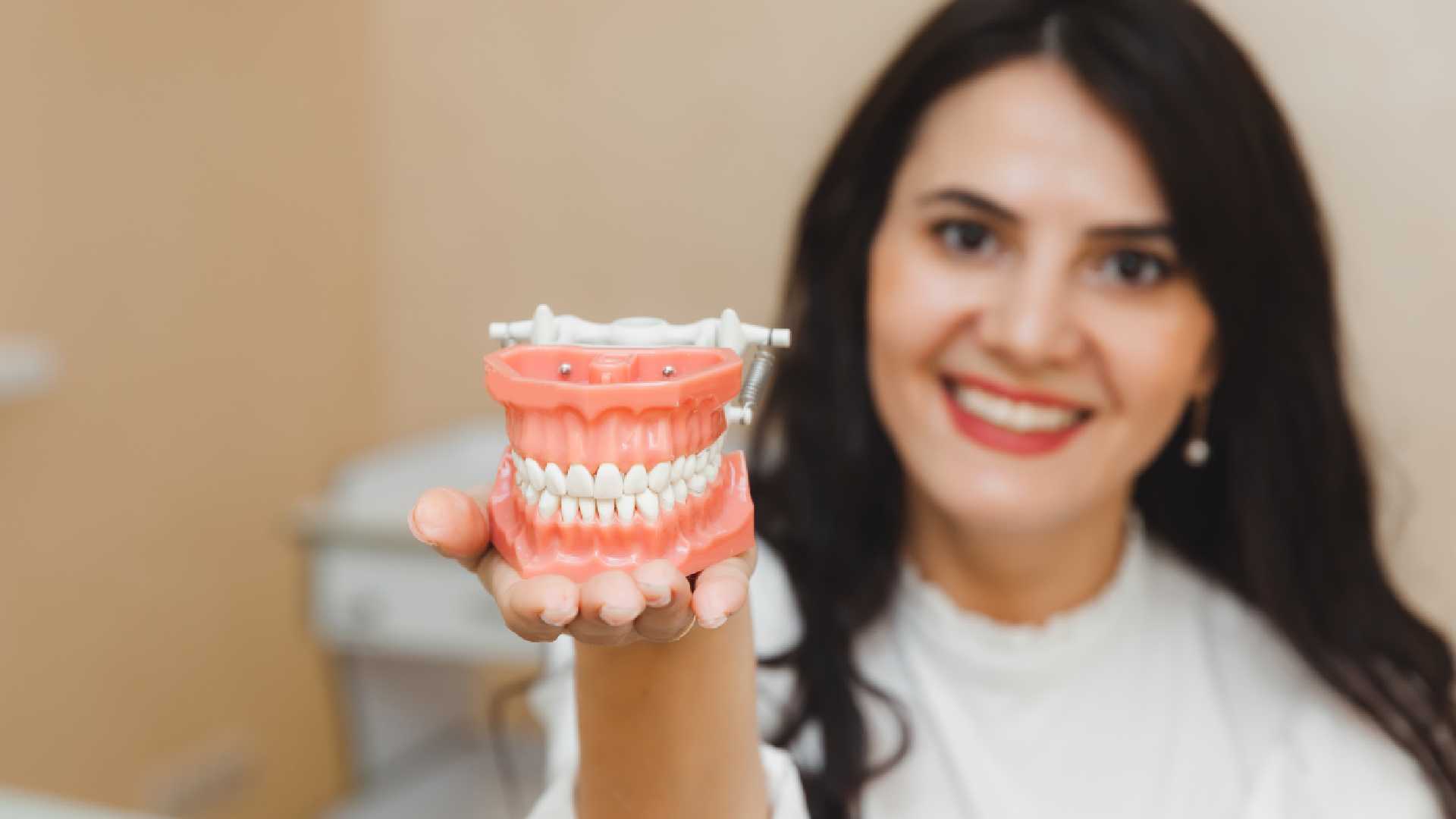
When you first start researching partial dentures for missing teeth, it can feel like you are sifting through a lot of technical language and sales talk. Underneath all of that, a partial denture is simply a custom prosthesis that fills the gaps where you are missing some, but not all, of your teeth.
Unlike full dentures that replace all the teeth in your upper or lower jaw, partial dentures are designed to work with the healthy teeth you still have. They clip or fit around your remaining teeth so you can chew, speak, and smile more comfortably and confidently.
Clinically, partial dentures are considered an effective and cost‑friendly option when you are missing one tooth or several teeth in a row, but your remaining teeth and gums are healthy enough to support a restoration. In many cases you can use partials as a long‑term solution, or as a bridge while you decide on more permanent treatments.
If you are still deciding how to replace missing teeth with dentures, understanding what partials can and cannot do will help you make a more confident choice.
How partial dentures help your mouth and smile
Partial dentures do much more than simply fill a gap. They affect how your bite works, how your face looks, and how comfortable you feel in social situations.
Restoring function: chewing and speaking
Missing teeth can make it hard to chew foods like meat, salads, and crusty bread. You may start avoiding tougher foods or chewing on only one side of your mouth, which can lead to jaw discomfort and uneven wear on your remaining teeth.
A properly fitted partial helps you:
- Distribute chewing forces more evenly
- Bite into and tear foods more efficiently
- Articulate words more clearly, especially sounds that rely on your front teeth
Many patients notice that once they adapt to their new partial denture, they can expand their diet and feel more comfortable eating in public again.
Supporting appearance and facial structure
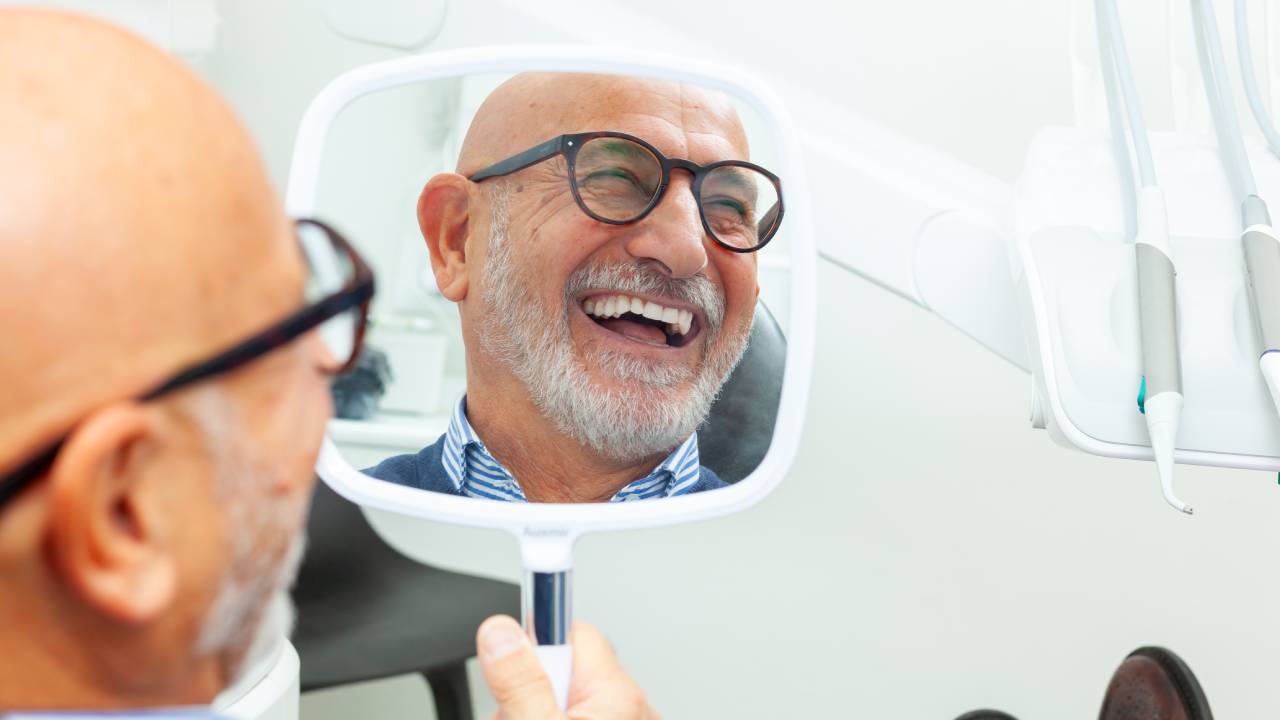
Gaps in your smile are often the first thing you see in the mirror. Over time, those spaces can also change the way your face looks. When teeth are missing, your cheeks and lips lose some of the internal support they depend on, which can make your face appear sunken or older.
Partial dentures help by:
- Filling visible gaps when you smile
- Supporting your lips and cheeks from the inside
- Reducing early facial sagging that can follow multiple tooth loss
By improving facial support, partial dentures can help restore a more youthful, balanced look and support your self‑confidence in social and professional settings.
Protecting your remaining teeth
One of the most important truths about partial dentures for missing teeth is that they protect the teeth you still have. When you leave empty spaces, nearby teeth often drift or tilt into the gap, which can:
- Change your bite and make chewing less comfortable
- Create hard‑to‑clean areas that trap plaque
- Increase your risk of gum disease and decay
A partial denture helps hold your remaining teeth in more stable positions and prevents overuse of one side of your mouth, which can otherwise lead to wear and injury.
If you already wear dentures and notice changes in how they sit or feel, scheduling a denture reline appointment or a visit to improve denture fit can help protect your natural teeth and gums as they continue to change over time.
Types of partial dentures you should know
Not all partial dentures are built the same way. Understanding the main types will help you ask better questions at your new dentures consultation and choose a design that fits your lifestyle.
Removable partial dentures
Removable partial dentures are the most common option. You insert them in the morning, take them out at night, and clean them separately from your natural teeth.
According to several clinical guides, removable partials typically include:
- Artificial teeth
- A gum‑colored base
- Clasps, hooks, or precision attachments that connect to your remaining teeth
They are designed to be taken out for cleaning and to let your gums rest at night.
Main categories of removable partials
Different materials give you different looks, costs, and comfort levels.
| Type of partial | What it is | When it is usually used |
|---|---|---|
| Acrylic partial denture | Acrylic base, usually bulkier, often with visible metal clasps | Short‑term or temporary option, such as while gums heal |
| Cast metal partial denture | Thin metal framework with acrylic teeth and metal clasps or precision attachments | Long‑term option when you want strength and stability |
| Flexible partial denture | Thin, flexible nylon‑type base with gum‑colored clasps | For patients who are sensitive to metal or acrylic, and prefer a more natural look |
Acrylic partials are often used as a temporary solution because they are more bulky and less refined, but they are also more affordable initially. Flexible partials tend to feel more comfortable at first and look very natural, but they can be less stable when many teeth are missing.
Cast metal framework partials are usually considered the most durable and stable removable option. They use a thin metal base, so they often feel less bulky while offering a precise fit around your remaining teeth.
“Flipper” or temporary partial dentures
You may also hear about flippers, which are lightweight acrylic partial dentures that replace one or two teeth. They rest mostly on the gums and are intended for short‑term use right after an extraction, during healing, or while you decide on a more permanent solution.
Flippers are useful when you want to avoid leaving a visible gap, especially in your front smile zone. However, they usually do not function as well as more stable partials and can irritate your gums if used long term. If you are currently using a flipper or another temporary denture, it is important to discuss next steps so you can move toward a stronger, more comfortable solution.
Fixed partial dentures and bridges
Fixed partial dentures, often called bridges, are cemented into place and do not come out. They are supported either by neighboring natural teeth that are reshaped as abutments or by dental implants placed in your jawbone.
A traditional bridge:
- Uses the teeth on each side of the gap as anchors
- Requires reshaping those teeth to fit crowns
- Can provide excellent chewing function and stability
An implant‑supported bridge avoids reshaping healthy teeth and can help maintain jawbone volume where teeth are missing. When you explore permanent dentures options, your provider will typically review whether a fixed bridge or an implant‑supported solution is appropriate for you.
What partial dentures really cost
Understanding the cost of partial dentures for missing teeth is an important part of planning your care. Prices vary based on materials, design, and where you receive treatment.
According to nationwide data, the national average cost in the United States is approximately:
- 2,229 dollars for partial metal dentures
- 1,738 dollars for partial resin dentures
Metal framework dentures generally cost more, but they are usually more durable and longer lasting than all‑resin designs.
Some large dental providers report average fees around 1,319 dollars for partial dentures, with typical ranges from about 1,055 to 1,819 dollars depending on the case and location.
How insurance and financing affect your cost
Insurance coverage for partial dentures can be confusing. Based on recent summaries:
- Medicare Advantage plans may cover partial dentures fully or partially, depending on the plan
- Medicaid coverage varies widely from state to state
- Many standard medical insurance plans do not cover dentures at all
- Supplemental dental insurance often covers around 50 percent of denture costs, after deductibles and waiting periods
Because there is so much variation, you will want to ask your provider for a pre‑treatment estimate and benefits check. If you are looking for help managing costs, a practice that focuses on being an affordable dentures dentist can walk you through payment plans and financing options.
What to expect during the partial denture process
If you decide partial dentures are right for you, you should know what the process involves. On average, you can expect a series of appointments over several weeks.
Clinical guides describe the process in stages:
- Comprehensive exam and consultation
Your dentist evaluates your teeth, gums, and jaw, often with X‑rays or scans. You discuss your goals, such as better chewing, a more natural appearance, or a more comfortable dentures solution. - Impressions or digital scans
Traditional impressions or digital 3D imaging capture the exact shape of your teeth, gums, and bite. These records are used to design a precise, custom dentures fitting. - Bite registration and try‑ins
You may have a “wax try‑in” of your future partial to check tooth shape, shade, and how your upper and lower teeth meet. This is your chance to give feedback on how your new smile looks. - Insertion of your partial denture
Once the final partial is finished, you return for delivery. Your dentist checks the fit, makes initial adjustments, and reviews how to insert and remove your new denture. - Follow‑up adjustments
As you start wearing your partial, sore spots or pressure areas are common. Quick visits to adjust dentures for comfort are part of the normal process. Typically you will have several short follow‑ups to fine‑tune the fit.
In total, it often takes around two months from your first visit to final delivery, although every case is a little different.
Pros and cons you should weigh carefully
Every tooth replacement solution has trade‑offs. The truth about partial dentures is that they can work very well, but only if you understand both their advantages and their limitations.
Advantages of partial dentures
Partial dentures offer several benefits when you are missing multiple teeth:
- They are typically more cost‑effective than implants or full mouth rehabilitation
- Little or no surgery is required, which can be important if you have medical conditions that make surgery risky
- Additional teeth can sometimes be added later if you lose more teeth in the same area
- They are especially useful in the lower jaw when some strong natural teeth remain, often performing better than complete lower dentures
Partial dentures also give you the flexibility of removing the prosthesis for thorough cleaning, which can make home care easier compared to fixed bridges in certain situations.
Disadvantages and limitations
On the other hand, removable partial dentures do have downsides you should understand clearly:
- There is a break‑in period while your tongue, cheeks, and gums adapt
- Clasps around support teeth can trap plaque and increase risk of decay or gum disease if you do not clean carefully
- Some designs rest on your gums, which can contribute to sore spots and gradual bone loss under the missing teeth sites
- You need to remove them at night to let your tissues rest, which some people find inconvenient
Partial dentures can also break or bend if dropped or if the fit changes significantly over time. When this happens, prompt denture repair services or broken denture repair can prevent further damage and help you stay comfortable.
How to keep partial dentures comfortable and secure
A partial denture should feel secure enough that you can talk and eat without constantly worrying it will shift. At the same time, it must not pinch, rub, or cause sores on your gums.
Getting the fit right from the start
A precise custom dentures fitting is the foundation of comfort. During this process your dentist:
- Checks that the partial seats fully on your teeth and gums
- Adjusts any areas that pinch or rock
- Evaluates how your upper and lower teeth meet with the denture in place
If you have worn full dentures before and struggled with looseness, it is important to mention this at your consultation. There are design strategies to fix loose dentures or to prevent those problems from happening with a new partial.
Many practices offer a satisfaction guarantee period for new dentures, during which your provider will make repeated adjustments at no extra cost, and in some cases offer a refund if you remain unhappy. For example, some large providers offer a 90‑day denture money‑back guarantee, along with warranties that range from six months to two years depending on the type of partial you choose.
Relines, repairs, and when to call your dentist
Your mouth continues to change over time, even after your partial is made. Gums can shrink, bone can remodel, and remaining teeth can wear or shift. As a result, a partial that once felt snug may become loose or start to rock.
You may need:
- A reline, where new base material is added to improve contact with your gums
- An adjustment of clasps or attachments to improve retention
- A repair or replacement of worn artificial teeth
Quick access to same day denture repair can be especially important if your partial cracks or a tooth breaks off unexpectedly. Do not try to bend metal clasps yourself or use household glues, because these can damage the denture or your tissues.
Everyday comfort tips
Even with a well‑fitted partial, a few simple habits can improve day‑to‑day comfort:
- Start with soft foods and cut tougher foods into smaller pieces
- Chew evenly on both sides of your mouth
- Speak slowly at first and practice reading aloud to adapt your tongue and lips
- Use a small amount of denture adhesive if your dentist recommends it, but do not rely on adhesive to fix a poor fit
If you still feel pressure points, rubbing, or instability after the typical adjustment period, scheduling an appointment to improve denture fit is the best way to get long‑term relief.
Caring for your partial dentures and your natural teeth
Good care routines help your partial last longer and keep your mouth healthier.
Cleaning partial dentures correctly
Dental providers recommend that you:
- Remove your partial and brush it daily using a denture brush or soft toothbrush
- Avoid regular abrasive toothpastes that can scratch the surface
- Soak the denture overnight in water or a recommended soaking solution so it does not dry out or lose its shape
- Rinse thoroughly before putting it back in your mouth
You should also remove your partial at night to let your gums and oral tissues rest, which reduces the risk of irritation and infection.
Protecting your remaining teeth and gums
Because partials hook or rest on your existing teeth, keeping those teeth healthy is essential. Daily care should include:
- Brushing natural teeth twice a day with fluoride toothpaste
- Cleaning around and under denture clasps, where plaque tends to collect
- Flossing or using interdental brushes to clean between teeth
- Using a power toothbrush if you have limited dexterity
Regular dental visits are also important. Your dentist can:
- Check for early signs of decay near clasped teeth
- Monitor gum health and bone levels under the partial
- Apply fluoride or other protective treatments if your risk of decay is high
If you are an older adult, choosing a provider who routinely offers dentures for seniors can help ensure your treatment plan accounts for medications, dry mouth, and other age‑related factors that affect your oral health.
How partial dentures compare with full dentures
If you are missing many teeth, you might wonder whether you should remove the remaining ones and move straight to full dentures. The answer depends on the condition and position of your existing teeth.
Partial dentures are typically preferred when:
- You still have several strong, stable teeth
- Those teeth are in useful positions to support a denture
- You want maximum chewing strength with fewer extractions
Full dentures make more sense when:
- Most remaining teeth are severely decayed or loose
- The cost of restoring them individually would be very high
- You want a simpler, more uniform prosthesis
In some situations, combining partials and full dentures, or transitioning from partials to full dentures over time, gives you the most practical sequence of treatment. A full dentures dentist can explain how your options change as your mouth changes and can help you plan ahead.
If you are mainly concerned about eating comfortably, ask specifically about the best dentures for chewing. In some cases, adding a few implants under a partial or full denture can dramatically improve stability and biting power.
Deciding whether partial dentures are right for you
When you look past the marketing and myths, the truth about partial dentures for missing teeth is straightforward. They are a practical, proven way to:
- Restore your ability to chew and speak
- Support your facial shape and appearance
- Protect the teeth and gums you still have
- Do all of the above with less cost and less surgery than many other options
At the same time, they demand a commitment from you. You will need to adapt to something new in your mouth, follow a daily care routine, and return for occasional adjustments or denture repair services to keep your partial functioning at its best.
If you are ready to restore your smile and quality of life, the next step is a thorough new dentures consultation. You can review all your options, from tooth replacement with partial solutions to permanent dentures options, and design a plan that fits your goals, budget, and timeline.
With the right guidance and a well‑crafted partial denture, you can restore smile with dentures that look natural, feel comfortable, and support you for years to come.