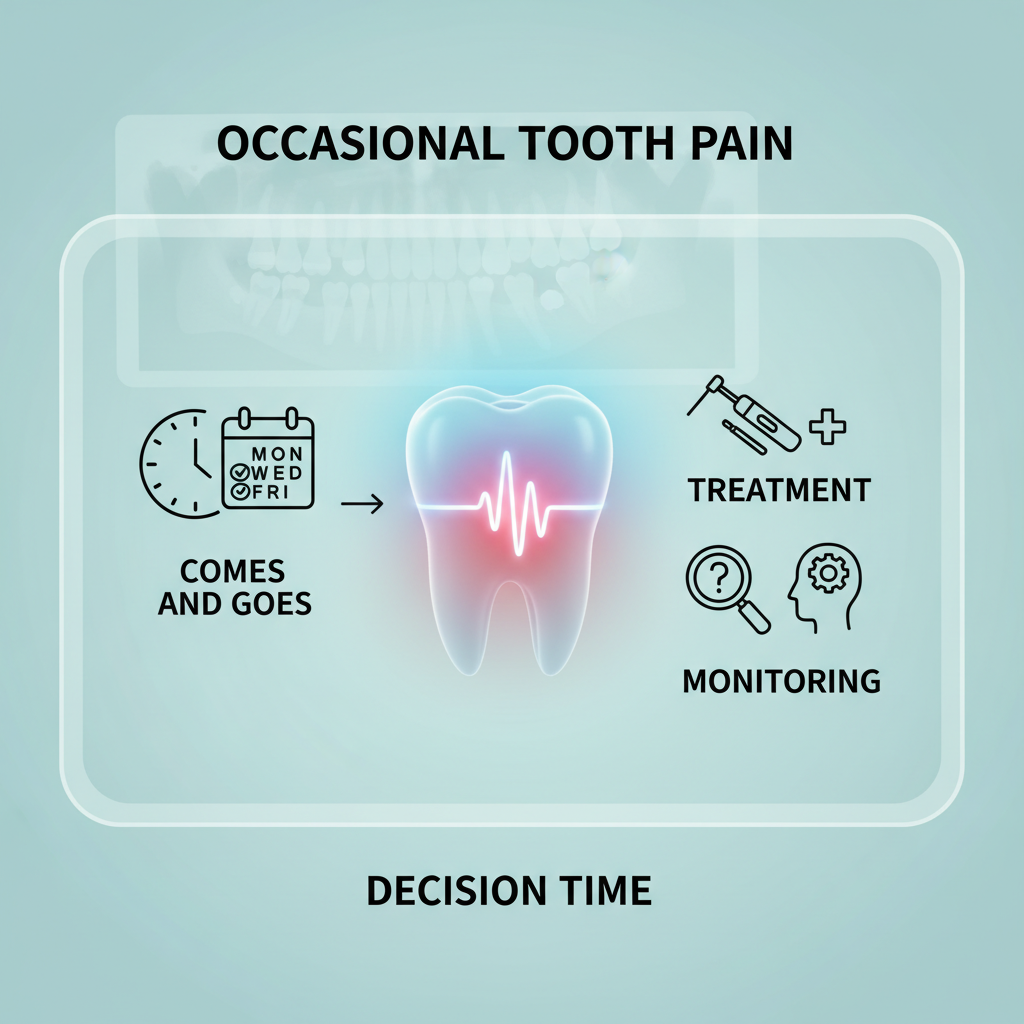

Understanding root canal treatment
If you are searching for a trusted root canal treatment dentist, you are likely dealing with tooth pain, a deep cavity, or a cracked tooth that has reached the nerve. A root canal is a restorative treatment that allows your dentist to save a severely damaged or infected tooth instead of removing it.
During root canal treatment, your dentist or endodontist removes the inflamed or infected pulp from inside the tooth, carefully cleans and shapes the root canals, then fills and seals them to eliminate bacteria and prevent reinfection. This preserves your natural tooth structure and allows the tooth to function normally again.
Modern root canal treatment is typically no more uncomfortable than getting a cavity filled, because the area is fully numbed with local anesthesia. Most procedures are completed in one or two visits, usually within 60 to 90 minutes per appointment, depending on the complexity of the tooth.
Signs you may need a root canal
Recognizing symptoms early helps you get care before the infection spreads or the tooth becomes too damaged to save. Root canal treatment is usually needed when bacteria have reached the pulp inside the tooth, causing inflammation or infection.
Common warning signs include:
- Persistent or throbbing toothache that does not go away
- Sharp pain when chewing or biting
- Lingering sensitivity to hot or cold, even after the source is removed
- Swelling or tenderness in the gums near the tooth
- A pimple-like bump on the gums that may drain fluid
- Darkening or discoloration of the tooth
- Pain that wakes you at night or requires pain medication to manage
These symptoms often indicate infection of the pulp due to deep decay, a large or untreated cavity, repeated dental work, a cracked or chipped tooth, faulty crown, or trauma to the tooth.
If you notice any of these issues, it is important to see a tooth pain treatment dentist promptly. You can also review common warning signs in more detail in, do i need a root canal.
How a root canal saves your tooth
A root canal is designed to treat the problem inside the tooth while preserving as much of your natural structure as possible. Instead of extracting the tooth, your dentist cleans out the infected tissue and restores the tooth so you can continue to chew and smile comfortably.
When a root canal is performed:
- The infected pulp is removed so bacteria and toxins are cleared from inside the tooth
- The canals are disinfected and sealed to prevent reinfection
- The tooth is restored, often with a crown, to protect it from cracking or breaking
- You keep your natural tooth in place instead of replacing it with an implant or bridge
Root canal treatment has a high success rate, and many treated teeth last for many years or even a lifetime with proper care. Saving your tooth means you maintain normal chewing, keep your bite aligned, and avoid the bone loss that can occur after tooth extraction.
If your tooth is cracked or broken, your dentist may combine root canal therapy with a dental crown for cracked tooth or other cracked tooth repair dentist services to fully stabilize the tooth.
What to expect during root canal treatment
Understanding what happens during a root canal can help you feel more confident and prepared when you visit a root canal treatment dentist.
Step 1: Examination and diagnosis
Your dentist will begin by:
- Reviewing your symptoms and dental history
- Examining your tooth and surrounding gums
- Taking digital X‑rays to see the roots, pulp, and surrounding bone
In some cases, additional testing is performed, such as checking temperature sensitivity or bite pressure. If the infection is advanced or the roots are complex, your dentist may refer you to an endodontist, a specialist in root canal therapy.
Step 2: Numbing and comfort
Before treatment starts, the area around your tooth is numbed completely with local anesthesia. Many people find that a root canal feels similar in comfort to a standard cavity filling appointment.
Modern techniques and anesthetics make root canal treatment generally quick and comfortable, similar to getting a filling, and most patients feel only pressure or mild sensations during the procedure, not sharp pain.
Step 3: Cleaning the canals
Once the tooth is numb, your dentist will:
- Place a small protective barrier called a rubber dam around the tooth to keep it dry and free of saliva.
- Create a small opening in the top of the tooth to access the pulp chamber.
- Use fine instruments to remove the infected or inflamed pulp tissue from inside the root canals.
- Gently clean, shape, and disinfect each canal to eliminate bacteria and debris.
If the infection is severe, medication may be placed inside the canals and the tooth may be sealed with a temporary filling between visits.
Step 4: Filling and sealing the tooth
After the canals are clean and dry, they are filled with a biocompatible material and sealed to prevent bacteria from re-entering the space. The opening in the tooth is closed with a temporary or permanent filling.
In many cases, especially for molars and premolars, your dentist will recommend placing a dental crown over the tooth as the final step. Root canal treated teeth can become more brittle over time because the pulp, which provides some moisture and nourishment to the tooth, has been removed, so a crown helps protect against cracking or breaking.
You can learn more about this step in our guide to the dental crown procedure or schedule a same day dental crown consultation if you need prompt protection after root canal therapy.
Is a root canal painful
Many people delay treatment because they are worried about pain. In reality, root canal treatment is intended to relieve pain, not cause it. The severe toothache you feel before treatment is typically caused by infection and inflammation inside the tooth, which is exactly what the root canal removes.
With modern local anesthesia:
- Root canals are usually no more painful than getting a filling
- You may feel some pressure or mild sensations, but not sharp pain
- Most patients report feeling much better once the infection has been removed
After the procedure, it is common to experience some mild soreness or pressure when biting down for a few days. Over-the-counter pain relief is usually enough to manage this, and discomfort should gradually improve. If pain persists or worsens, your dentist will want to evaluate the tooth.
If you are dealing with intense tooth nerve pain, you can explore options in more detail in, tooth nerve pain treatment and infected tooth treatment, then schedule an appointment so your dentist can relieve your symptoms quickly.
Risks, side effects, and long term outlook
Root canal treatment is considered a common and predictable procedure with a high success rate. More than 15 million teeth are treated and saved each year with root canal or endodontic treatment.
Like any procedure, there are potential risks and side effects:
- Reinfection. If canals are not completely cleaned or if the seal fails, bacteria can re-enter and cause reinfection. Choosing an experienced root canal treatment dentist or specialist helps minimize this risk.
- Brittleness and fracture. Since the pulp is removed, the tooth can become more brittle over time, which is why a crown is usually recommended, especially on back teeth that handle heavy chewing forces.
- Tooth discoloration. Occasionally, a root canal treated tooth can darken as the non-vital tooth structure shows through. This cosmetic issue can often be corrected with whitening, veneers, or a crown.
- Sinus symptoms. In rare cases, upper tooth root canal treatment can lead to temporary sinus congestion or headaches due to proximity to sinus membranes, which usually resolves with time or simple care.
With proper technique and follow up care, most root canal treated teeth function normally for many years. They allow you to maintain your natural smile, continue eating comfortably, and often reduce the need for more extensive dental work in the future.
If you have concerns about the condition of a tooth that already had a root canal, a dental restoration consultation can help you understand your options for reinforcing or retreating the tooth.
When a root canal is not the only option
Not every painful or damaged tooth requires a root canal. Your dentist will evaluate the location and size of decay, the extent of the crack, and the health of the pulp before recommending a treatment plan.
When a filling may be enough
If the decay or damage does not reach the pulp, a filling can often restore the tooth. A tooth filling dentist might recommend:
- A simple filling if you have a small or moderate cavity
- In some cases, a larger filling or onlay for large cavity treatment options
You can learn more about conservative cavity care in, best treatment for cavity and repair decayed tooth.
When you might need a crown without root canal
If your tooth is cracked, fractured, or heavily worn but the nerve remains healthy, your dentist may recommend a crown to protect and strengthen the tooth without performing a root canal. This is common for:
- Teeth with large fillings that are breaking down
- Teeth with significant wear that need to rebuild worn down teeth
- Some types of tooth fracture repair or restore chipped tooth
Detailed guidance on crowns is available in our dental crown procedure overview, and you can discuss timing and materials during a dental restoration consultation.
When extraction and replacement are recommended
If a tooth is too damaged to be saved, or if the infection has destroyed too much bone support, extraction and replacement may be the most predictable solution. In that case, your dentist may discuss:
- A dental bridge for missing tooth
- Options to replace missing tooth with bridge
- Other forms of permanent tooth restoration
You can explore your options further in a dental bridge consultation, especially if you are looking for a non-removable solution after extraction.
In many cases, treating infection with a root canal and then reinforcing the tooth with a crown is the most conservative way to keep your natural tooth and avoid the need for replacement.
Root canal vs other restorative treatments
You may be weighing several different treatments if you are dealing with pain, decay, or a cracked tooth. Comparing options can clarify when a root canal is the most appropriate choice.
| Situation | Likely Treatment Options | Goal |
|---|---|---|
| Small to moderate cavity, no nerve involvement | Filling, possibly onlay | Restore structure and stop decay |
| Deep decay close to nerve, but pulp not yet infected | Larger filling or crown, monitoring | Protect tooth and avoid future nerve damage |
| Deep decay or crack into pulp, infection present | Root canal plus crown | Remove infection and save the tooth |
| Severely fractured tooth below gumline or tooth non restorable | Extraction, bridge or implant | Replace missing tooth for function and appearance |
If you are unsure which category your tooth falls into, scheduling a dental restoration consultation allows your dentist to assess whether a filling, crown, root canal, or replacement is the best long term solution.
Caring for your tooth after a root canal
How you care for your tooth immediately after treatment and over the long term can affect how well it heals and how long it lasts.
Right after the procedure
For the first few days, you should:
- Avoid chewing on the treated side until any numbness wears off to prevent accidentally biting your cheek or tongue
- Be cautious with very hard or sticky foods, especially if the tooth only has a temporary filling
- Take any prescribed medications as directed
- Use over-the-counter pain relievers if you feel mild soreness and contact your dentist if pain is severe or does not improve
If the tooth is waiting for a crown, be gentle to avoid fracturing the remaining structure. Your dentist will advise you when to return for permanent restoration.
Long term care and protection
Once your root canal and final crown or filling are complete, you can treat the tooth like your other teeth, with a few considerations:
- Maintain consistent brushing and flossing to keep bacteria away from the margins of the crown or filling
- Schedule regular checkups so your dentist can monitor the tooth and surrounding bone
- Avoid using your teeth as tools to open packages or bite very hard objects such as ice
If you grind or clench your teeth, your dentist may recommend a night guard to protect not only your root canal treated tooth but also any other restorations, such as broken tooth restoration, fix damaged molar, or restore damaged tooth.
Finding the right root canal treatment dentist
Choosing the right provider is an important part of feeling confident about your care. When you look for a root canal treatment dentist, consider:
- Training and experience with root canal procedures
- Access to advanced technology, such as digital X‑rays and rotary instruments
- Ability to coordinate related services, such as crowns, bridges, and other restorations
- Willingness to explain your options and answer questions clearly
In some cases, your general dentist may recommend that an endodontist perform your root canal. Endodontists are dental specialists with two to three additional years of advanced training focused on the diagnosis and treatment of tooth pain and root canal procedures. They use specialized technology and have refined precision and hand-eye coordination to manage complex cases and save natural teeth whenever possible.
Whether you see a general dentist or an endodontist for the root canal, you will typically return to your general dentist for the final crown or other restoration. This integrated approach supports durable, long lasting results.
If you are also dealing with other concerns such as missing teeth, cracks, or multiple cavities, you can talk about a comprehensive plan that may include:
- repair decayed tooth in several areas
- broken tooth restoration
- rebuild worn down teeth
- dental bridge for missing tooth
Coordinating these treatments can help you restore comfort, function, and appearance in a structured, efficient way.
When to schedule a consultation
If you are experiencing tooth pain, swelling, or sensitivity, or you have been told you might need a root canal, do not wait. Infection inside a tooth does not heal on its own, and delaying treatment can make the problem more difficult and more expensive to correct.
You should schedule a visit with a root canal treatment dentist if:
- Your tooth hurts when you chew or apply pressure
- Pain lingers after hot or cold foods
- You notice swelling, a gum bump, or a bad taste near a specific tooth
- Your tooth appears darker than the surrounding teeth
- A tooth fractured down to or near the gumline
During your dental restoration consultation, your dentist will examine your teeth, take any necessary X‑rays, and discuss clear treatment options tailored to your needs, whether that is a filling, crown, root canal, bridge, or other permanent tooth restoration.
Getting answers quickly helps you move from pain and uncertainty to a plan for lasting relief and a stronger, healthier smile.
References
- (American Association of Endodontists)
- (Cleveland Clinic, American Association of Endodontists)
- (American Association of Endodontists, Cleveland Clinic)
- (American Association of Endodontists)
- (Dental Perfections)
- (Cleveland Clinic, American Association of Endodontists, Virginia Family Dentistry)
- (American Association of Endodontists)
- (Virginia Family Dentistry)