
Why a damaged molar needs fast attention
If you have a damaged molar, you might be trying to decide whether you can wait or if you need to fix it right away. Molars do most of the heavy chewing, so when one cracks, decays, or breaks, it is under constant pressure every time you eat. That pressure can quickly turn a small problem into a serious one.
A damaged molar also creates openings in the enamel that let bacteria in. This raises your risk of cavities, infection, and even tooth loss if you do not treat it. A cracked or broken molar cannot heal on its own because enamel does not regenerate, so professional care is essential to prevent the fracture from spreading and to restore function and appearance.
Fixing a damaged molar promptly can relieve pain, protect the nerve of the tooth, and help you avoid more invasive and expensive treatments later. With modern restorative dentistry, you often have several options to repair or replace a damaged molar and get back to eating comfortably again.
Common causes of damaged molars
Molars can become damaged in several ways, and understanding the cause helps you choose the right treatment and prevent future problems.
Tooth decay and large cavities
Deep decay weakens the internal structure of a molar. Over time, a cavity can grow so large that the remaining enamel and dentin are too thin to withstand chewing forces. At that point, the tooth might fracture or become too sensitive to use comfortably.
When decay reaches the inner pulp chamber, you can develop infection, severe pain, and swelling. Root canal therapy followed by a crown is the standard way to save a tooth with pulp infection so that it can regain strength and avoid fracture.
Cracks and fractures
Cracks in molars can develop from:
- Biting hard objects like ice, popcorn kernels, or pens
- Old, large fillings that no longer support the tooth well
- Teeth grinding or clenching
- Sudden trauma to the face or jaw
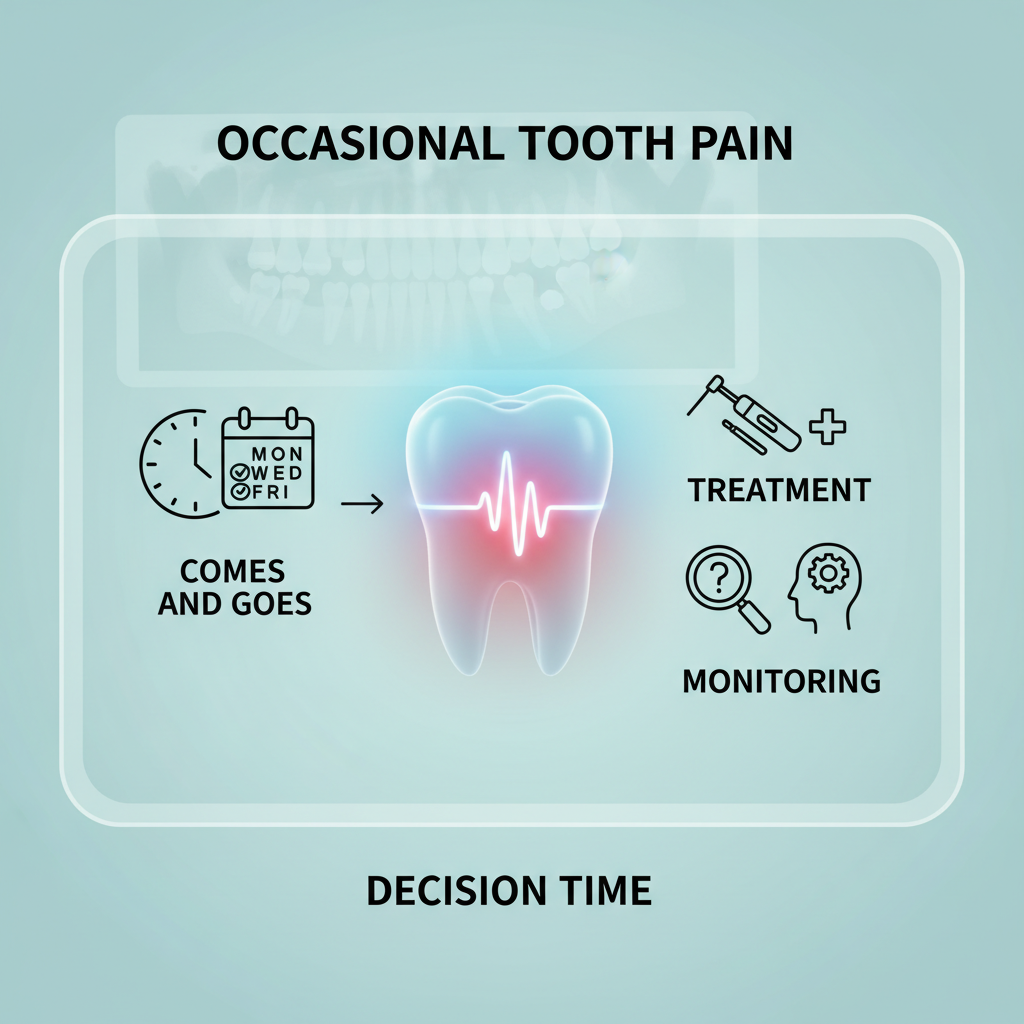
Cracked tooth treatment depends on the location and severity of the crack. Common options include fillings, crowns, root canals, or sometimes extraction. A hairline crack that does not cause pain or infection may not need immediate treatment, but it still should be monitored closely by your dentist.
Chipped or broken cusps
Sometimes a piece of the chewing surface breaks off. This can happen from biting something hard or from an existing cavity undermining the enamel. Even a minor chip increases your risk of tooth decay because the protective enamel is compromised.
Small chips can often be repaired with bonding or a filling, while larger breaks may need a crown or other full coverage restoration.
Wear, grinding, and old restorations
Chronic grinding and clenching can wear down molars, flattening the chewing surfaces and creating tiny cracks. Old fillings and crowns eventually fail as the materials wear and tooth structure changes, creating gaps where bacteria can enter and causing fractures along the edges.
If you grind your teeth at night, your dentist may discuss ways to rebuild worn down teeth and protect them with night guards or stronger restorative materials.
When a damaged molar is a dental emergency
Not every damaged molar is an emergency, but some symptoms mean you should not wait.
You should see a tooth pain treatment dentist right away if you notice:
- Severe or throbbing toothache that keeps you awake or worsens with heat
- Swelling in your gums, face, or jaw near the tooth
- Profuse bleeding after a break or fracture
- Pus, a bad taste, or bad odor from the tooth
- Trouble opening your mouth or swallowing
Severe toothache often means the damage has reached the dentin and pulp chamber, and you likely need immediate treatment to fix the tooth and relieve pain. Infection in a broken molar is a true emergency because it can spread through the bloodstream and, if left untreated, can even affect vital organs like the heart and brain.
If you break a tooth and have intense pain, swelling, or heavy bleeding, do not try to manage it at home. Home treatments cannot fix a cracked or broken molar, and only a dentist can properly diagnose the problem and prevent complications like abscesses or further damage.
How your dentist evaluates a damaged molar
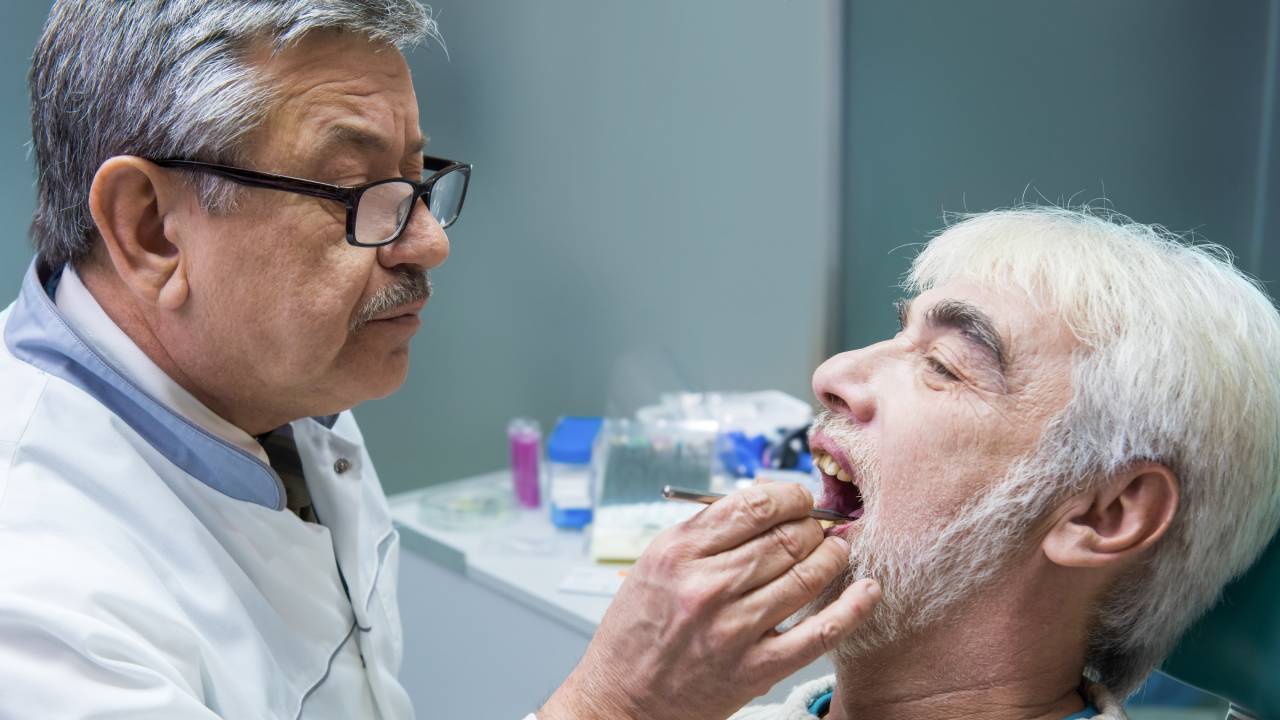
To fix a damaged molar correctly, your dentist needs to understand exactly what is going on inside the tooth and surrounding tissues. At a dental restoration consultation, you can expect a step by step evaluation.
Visual exam and history
You will discuss:
- When the pain or damage started
- What triggers pain, such as biting or hot and cold
- Any history of grinding, trauma, or previous dental work on that tooth
The dentist then inspects the tooth with magnification and good lighting to look for visible cracks, chips, discoloration, cavities, or failing restorations.
X rays and pulp testing
Dental X rays show how deep decay or cracks extend, the condition of the roots and surrounding bone, and signs of infection or abscess. Dentists also perform vitality tests to see if the nerve is alive, irritated, or dead, which strongly influences whether you need tooth nerve pain treatment such as a root canal.
Dentists are trained to preserve your natural tooth whenever possible, and they rely on these tests to determine if the tooth can be saved with restorative procedures before recommending extraction.
Diagnosis and treatment plan
Based on the findings, your dentist will explain:
- Whether the tooth can be restored
- If the pulp is healthy, inflamed, or infected
- What type of restoration is needed for strength and longevity
- The steps, timeline, and costs involved
This is where you can ask questions, compare options, and plan your permanent tooth restoration.
Minor damage: fillings and bonding
If your damaged molar has a small cavity, chip, or superficial crack, it may be fixed with a filling or bonding. These are conservative options that preserve as much natural tooth structure as possible.
Tooth colored fillings
Composite resin fillings are often used to repair decayed tooth structure that is not too extensive. The dentist removes the decayed portion, cleans the area, and places a tooth colored material that bonds to your enamel and dentin.
Fillings are a cost efficient way to fix broken molars temporarily or permanently when the tooth has suffered from cavities but still has strong remaining structure. If you are dealing with new or recurrent decay, scheduling a cavity filling appointment can prevent the need for more invasive work later.
Dental bonding for chips and small fractures
Bonding also uses composite resin but focuses more on reshaping and restoring lost enamel. It is ideal to restore chipped tooth edges or small pieces that have broken off molars, as long as the bite forces are not extreme in that area.
Dental bonding is minimally invasive and usually does not require anesthesia for small defects. The material is applied directly to the tooth and hardened with a special light to restore appearance and function.
If you have a larger cavity or extensive damage, your dentist may review large cavity treatment options that go beyond simple fillings.
When a crown is the best way to fix a damaged molar
If your molar is badly cracked, has a large existing filling, or has had root canal treatment, it usually needs a crown for long term protection. A crown covers the entire visible part of the tooth and restores its shape, strength, and appearance.
Why crowns work well for molars
Dental crowns are considered a safe and effective option to fix or restore broken or decayed molars. They protect against further fracture and seal the tooth from bacteria, which is especially important after root canal therapy. After root canal treatment, porcelain or zirconia crowns are commonly placed on damaged molars to reinforce the tooth and restore chewing ability.
Crowns are also a leading option for dental crown for cracked tooth cases where the crack does not extend too far down the root and the pulp is intact or has been properly treated.
If you want to understand the process in detail, you can explore the steps of a dental crown procedure or schedule a same day dental crown consultation to see if faster options are available.
Cracks, pulp health, and crowns
For cracked molars with normal pulp or reversible pulpitis, single stage restorative treatments such as direct composite restorations, onlays, or full crowns have shown favorable long term outcomes in preserving vitality and reducing symptoms over 6 to 7 years. Some cracks can even be carefully monitored if there are no symptoms or compromised tooth structure, and rapid intervention is not always necessary.
When cracks involve the pulp and the tooth receives endodontic treatment, combining an appropriate root canal with coronal splinting by crowns or onlays can yield outcomes comparable to non cracked root filled teeth. Your dentist or cracked tooth repair dentist will decide if a crown, onlay, or another restorative option gives you the best long term prognosis.
Root canal therapy to save an infected molar
If decay, a crack, or trauma allows bacteria to reach the pulp of your molar, the nerve and blood supply inside the tooth can become inflamed or infected. At this stage, fillings and crowns alone are not enough, because the infection will persist inside the root canals.
When you might need a root canal
You may wonder, do i need a root canal or can a filling take care of it. Signs that a root canal might be required include:
- Lingering pain after hot or cold
- Spontaneous or throbbing pain
- Swelling near the tooth
- Tenderness when biting or touching the tooth
- A pimple like bump on the gums
Root canal therapy is a dependable way to save a damaged molar affected by deep infection or inflammation. The treatment removes diseased pulp, cleans and disinfects the canals, and then seals them so the tooth can remain intact and functional.
For fractured molars where the crack extends into the pulp, root canal treatment is usually necessary to prevent infection, typically followed by fitting a dental crown to restore appearance and function.
If you have symptoms of infection, seek infected tooth treatment promptly. Delaying can lead to an abscess, bone loss, or systemic health risks.
What to expect from root canal treatment
A root canal treatment dentist will:
- Numb the tooth and isolate it to keep it clean
- Open a small access in the crown of the tooth
- Remove the inflamed or infected pulp tissue
- Disinfect and shape the root canals
- Fill the canals with a sealing material
- Place a temporary or permanent filling
Most molars that undergo root canal therapy need a crown afterward to protect the remaining tooth structure. This combined approach, root canal plus crown, is one of the most reliable ways to restore damaged tooth structure and avoid extraction.
When a molar cannot be saved
Even with modern restorative options, some molars are too damaged to repair. Extraction may be necessary when there are:
- Vertical root fractures
- Severe bone loss
- Inadequate remaining tooth structure above the gum line
- Persistent infection that does not respond to treatment
- Failed root canals that cannot be retreated successfully
In these situations, removing the tooth protects your overall health and creates a clean foundation for replacement. Teeth that are extracted can often be replaced with implants, bridges, or removable prostheses.
Losing a molar affects your bite, chewing efficiency, and can cause neighboring teeth to shift. That is why replacing a missing molar is an important part of long term oral health.
Replacing a missing or unsalvageable molar
If your damaged molar is already missing or must be extracted, you have several restoration choices. Replacing it helps redistribute biting forces, protect surrounding teeth, and maintain jaw alignment.
Dental bridges
A dental bridge uses the teeth on either side of the gap as support. A replacement tooth, or pontic, is connected to crowns placed on the neighboring teeth.
Bridges are a proven option if you cannot or do not want to have an implant. Your dentist may recommend a dental bridge for missing tooth if the adjacent teeth also benefit from crowns or already have large restorations. If you are comparing solutions, a dental bridge consultation can help you decide whether to replace missing tooth with bridge or explore other alternatives.
Implants and other options
Dental implants replace both the root and crown of the tooth and are one of the most durable ways to restore a missing molar. They involve placing a titanium post into the jawbone, letting it integrate, and then attaching a custom crown. Implants can be an excellent choice when a tooth is damaged beyond repair and must be extracted, although they are often not fully covered by dental insurance.
Your dentist will help you compare implants, bridges, and removable options based on your bone health, budget, and long term goals.
Even if a molar cannot be saved, replacing it quickly protects your smile, your bite, and the health of your remaining teeth.
Costs, insurance, and why waiting often costs more
The cost to fix a damaged molar varies with the severity of the problem and the type of restoration. In some cities, minor repairs for small chips or cavities may start around a few hundred dollars, while more complex cases requiring crowns, root canals, or implants can reach into the thousands.
Delaying treatment almost always increases overall costs. A simple filling today might become a crown and root canal later if decay continues. Untreated fractures can spread, cause nerve damage, and require more expensive therapies or extraction.
Dental insurance often helps with medically necessary procedures like crowns and root canals but may cover less of cosmetic work. Many practices also offer financing, payment plans, and accept HSAs and FSAs to make treatment more manageable.
If cost is a concern, talk with your dentist early. A timely tooth filling dentist visit or broken tooth restoration can save you money compared with waiting until the damage becomes severe.
How to avoid future molar problems
Once you fix a damaged molar, you want the restoration to last and prevent new issues. Long term tooth preservation comes from a mix of good home care, regular checkups, and protecting your teeth from excessive stress.
You can help protect your molars by:
- Brushing twice a day with fluoride toothpaste and flossing daily
- Scheduling cleanings and exams so your dentist can spot small problems early
- Using a night guard if you grind or clench your teeth
- Avoiding chewing on ice, hard candy, or non food objects
- Treating gum disease early so the bone and tissue supporting your molars stay healthy
If you are not sure what the best treatment for cavity or tooth fracture repair is for your situation, your dentist can tailor a plan to your oral health, lifestyle, and goals.
Taking your next step to fix a damaged molar
You do not have to live with chewing pain, sensitivity, or the worry that your cracked tooth might suddenly break more. Whether you need a simple filling, a sturdy crown, root canal therapy, or help deciding how to replace a missing molar, the first step is a thorough exam and clear diagnosis.
A focused dental restoration consultation allows your dentist to evaluate the damage and outline options to fix damaged molar issues in a way that relieves pain and protects your smile for years. By acting now, you give yourself the best chance to keep your natural teeth, avoid emergencies, and enjoy a comfortable, confident bite again.