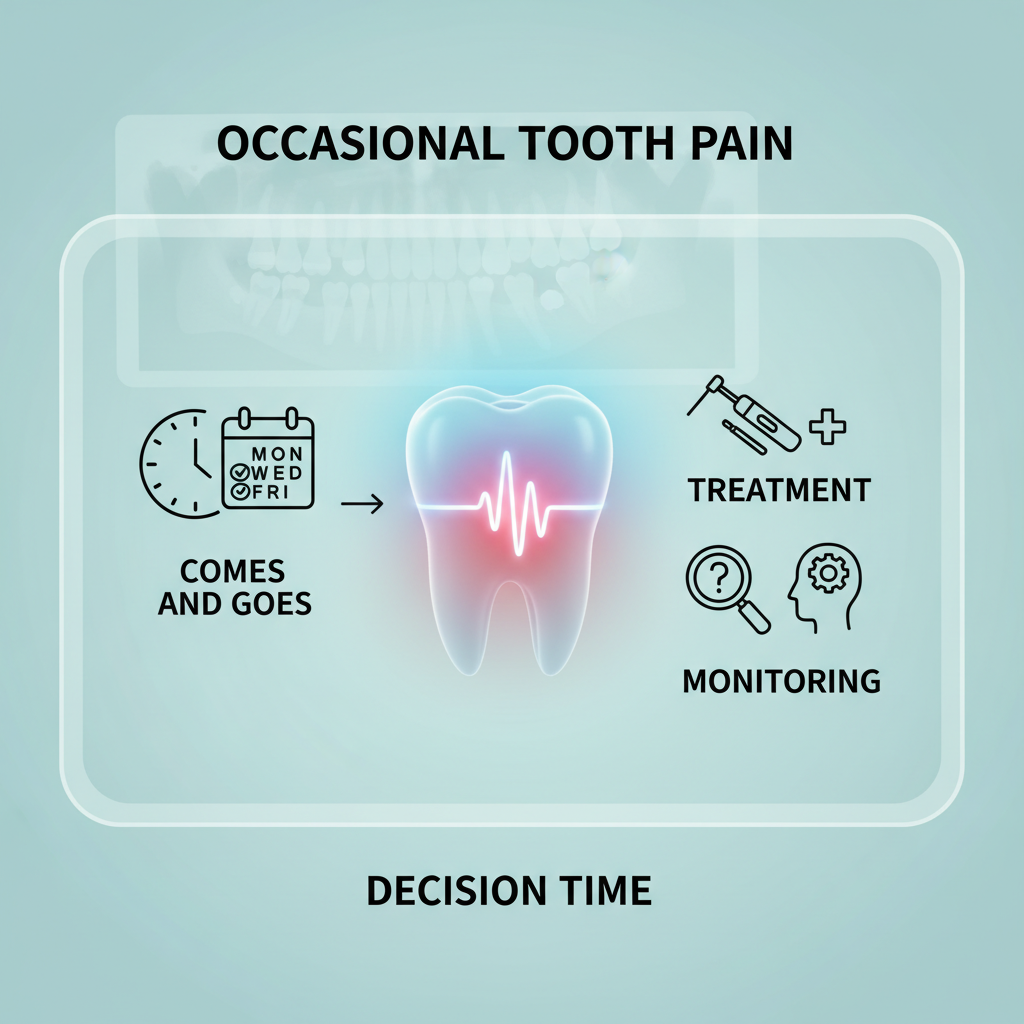

Why seeing a tooth filling dentist matters now
If you are living with tooth pain, sensitivity, or a visible cavity, visiting a tooth filling dentist is one of the fastest and most effective ways to protect your smile. Dental fillings are routinely used to repair tooth cavities and minor chips or cracks, so your tooth structure is restored and further decay is stopped before it reaches the nerve.
By getting help early, you often avoid more complex procedures such as large restorations or extractions. You also get something just as important, relief from the constant worry about what might happen if you keep putting treatment off.
Understanding what a tooth filling dentist does
A tooth filling dentist focuses on restorative dentistry, which means repairing damage from decay, fractures, or infection so you can keep your natural teeth as long as possible.
How tooth decay and cavities start
Tooth decay begins when bacteria in your mouth feed on sugars and starches, then produce acids that attack your tooth enamel. Over time, these acids cause mineral loss and create a small hole, or cavity, in the tooth surface.
In the earliest stages, enamel can sometimes repair itself using minerals from your saliva and fluoride, either from toothpaste or professional treatments. Once a cavity forms, however, a dental filling is the standard way to stop the process before it reaches deeper layers.
Direct and indirect restorations
When you visit a tooth filling dentist, you have access to different types of restorations:
- Direct fillings are placed in a single visit. The dentist removes decay and fills the space immediately with a material such as composite resin or amalgam.
- Indirect restorations, such as inlays, onlays, and many crowns, are custom made by a lab or with in-office equipment, then bonded to your tooth, often over two visits.
Your dentist will recommend the right option based on the size and location of your cavity and whether the tooth is cracked, severely worn, or already infected.
Benefit 1: Fast relief from tooth pain and sensitivity
One of the most immediate benefits of seeing a tooth filling dentist is pain relief. Tooth decay, cracks, and infections can trigger sharp sensitivity to hot, cold, or sweets, and in more advanced cases, constant throbbing pain.
How fillings and related treatments ease pain
During a typical cavity filling appointment, your dentist will numb the area with local anesthesia, remove the decayed or damaged portion of the tooth, and place a filling material to seal and protect the inner layers. After treatment, you may notice temporary sensitivity or mild soreness, which usually improves over a few days and can be managed with over the counter medications like ibuprofen or acetaminophen.
If your tooth pain is caused by a deeper infection or nerve involvement, your dentist may recommend a root canal treatment dentist instead of, or in addition to, a filling. This procedure removes infected tissue from inside the tooth and seals it, which is often the most reliable way to stop intense tooth nerve pain.
If you are wondering whether your symptoms point to nerve damage or infection, you can review common signs at do i need a root canal and tooth nerve pain treatment.
When pain signals a bigger problem
If you are experiencing:
- Persistent toothache that wakes you at night
- Swelling of the gums or face near a tooth
- Sensitivity that lingers long after eating or drinking
you may already have an infected tooth treatment need rather than a simple filling. Visiting a tooth filling dentist promptly gives you a clear diagnosis and a plan to get comfortable again.
Benefit 2: Stopping decay before it spreads
Another key advantage of scheduling with a tooth filling dentist is that you stop decay while it is still relatively small. Once a cavity is detected, it does not improve on its own. Without treatment, decay spreads deeper into the tooth, often turning a simple filling into a much more extensive restoration.
Protecting healthy tooth structure
A standard filling or small inlay lets your dentist repair decayed tooth tissue while preserving as much healthy structure as possible. Modern materials are strong and conservative, so your dentist only needs to remove the damaged portion, then rebuild it.
If the cavity continues to grow, however, you may eventually need large cavity treatment options such as a crown or onlay. These restorations are very effective, but they require more tooth preparation and are typically more costly than a simple filling.
By acting early and asking about the best treatment for cavity problems at their first sign, you give yourself the best chance to avoid more complex work.
Reducing the risk of infection and tooth loss
Unchecked decay can eventually reach the tooth pulp where the nerve and blood supply live. At that stage, you often need root canal therapy or even extraction if the tooth is not salvageable. By treating cavities promptly, your tooth filling dentist helps you avoid these complications and lowers your risk of losing the tooth entirely.
If you are already dealing with advanced decay or a fractured tooth, a dental restoration consultation allows your dentist to map out a step by step plan to stabilize and restore your tooth instead of removing it.
Benefit 3: Strong, natural looking restorations
Today’s tooth filling dentists use a variety of materials that are designed to be durable, reliable, and aesthetically pleasing. Modern fillings and crowns can blend so well with your natural teeth that most people will not notice where the repair begins.
Common filling materials and how they help you
According to major dental organizations, dentists rely on several primary filling materials, each with its own strengths:
- Amalgam fillings are made from silver, tin, copper, and mercury. They have been used for over 150 years, are among the most durable and cost effective options, and can last around 15 years on average, and in some cases decades longer. Public health agencies including the FDA and ADA consider amalgam safe for most people, although they recommend avoiding it in those at higher risk from mercury exposure, such as pregnant women or patients with mercury allergies.
- Composite resin fillings are made from plastic and fine glass particles. They can be closely matched to your tooth color and are ideal for small to medium sized cavities in visible areas. Composite fillings typically last around 7 years on average, though with good oral health and smaller restorations they can reach 10 years or more.
- Porcelain inlays and onlays are custom restorations used for larger cavities or damaged teeth. They are strong, durable, and mimic the natural appearance of enamel very well.
- Gold fillings and inlays are extremely durable and can last 20 years or more, although they are more expensive than other options.
Most modern practices rely heavily on tooth colored composite resin and porcelain so you can smile and talk confidently without metal showing when you laugh.
Long term performance you can rely on
In general, dental fillings last around 5 to 15 years, depending on the material used, the size of the restoration, and your oral hygiene habits. Some gold and amalgam restorations last 20 years or more. Regular checkups are essential, because your dentist can spot early signs of wear, cracking, or decay around or under a filling and replace it before the tooth is at risk.
With proper care and maintenance, you can significantly extend the lifespan of your restorations and keep your teeth healthy for many years.
Benefit 4: Saving teeth with crowns, bridges, and cracked tooth repair
When a tooth is severely damaged or cracked, a simple filling may not be enough. A tooth filling dentist who offers advanced restorative treatments can help preserve teeth that might otherwise be lost.
Crowns for larger cavities and cracked teeth
If your tooth has a large cavity, multiple old fillings, or a crack that compromises its strength, your dentist may recommend a dental crown procedure. A crown is a custom cap that covers the entire visible portion of the tooth, restoring its shape, appearance, and function.
Crowns are also commonly used after root canal therapy to reinforce weakened teeth, especially molars that handle heavy chewing. If you have a painful or fractured tooth, you can explore options like dental crown for cracked tooth, fix damaged molar, and broken tooth restoration.
Some practices even provide same day CAD/CAM crowns, so you can receive your permanent restoration in a single visit. If that convenience is important to you, ask about a same day dental crown consultation.
Bridges to replace missing teeth
In cases where a tooth is too damaged to save or has already been lost, your dentist may recommend a dental bridge for missing tooth. A bridge uses neighboring teeth as anchors and fills the gap with a false tooth that looks and functions like a natural one. This option helps you chew comfortably again and prevents surrounding teeth from drifting out of place.
You can learn more about whether this approach fits your needs at replace missing tooth with bridge and dental bridge consultation.
Specialized cracked and fractured tooth repair
Cracked and fractured teeth can be complex. Sometimes a conservative filling is enough. In other cases, you may need advanced therapies or even a combination of root canal treatment and a crown.
If you suspect a crack, seeing a cracked tooth repair dentist promptly is essential. Early treatment can often prevent the crack from spreading into the root, which is a common reason teeth become non-restorable.
For more severe cases, you may look into tooth fracture repair, restore chipped tooth, or rebuild worn down teeth, all of which fall under the larger umbrella of restore damaged tooth and permanent tooth restoration.
Benefit 5: Lowering your risk of emergency dental visits
Putting off a visit to a tooth filling dentist often leads to sudden emergencies. A small cavity that could have been treated easily can turn into a broken tooth, a severe infection, or intense pain that sends you to an emergency dentist at an inconvenient time.
How early treatment prevents urgent problems
By scheduling care when you first notice symptoms, you reduce the chance of:
- Sudden fractures in teeth weakened by decay
- Abscesses that cause swelling and fever
- Severe pain that interferes with sleep or daily tasks
Routine fillings, crowns, and root canal therapy, when needed, are planned procedures. They allow you to budget time and cost, instead of being forced into last minute decisions due to an emergency. If you are already having significant discomfort, consider contacting a tooth pain treatment dentist before things escalate.
Monitoring existing restorations
Even the best fillings and crowns do not last forever. Over the years, normal chewing forces, grinding, or clenching can create small cracks or gaps where bacteria can seep in. Regular checkups give your dentist the chance to monitor these restorations through visual inspection and X rays, then replace or repair them before decay develops underneath.
This kind of preventive maintenance is much less stressful than dealing with a sudden, painful failure of an old filling.
Benefit 6: Protecting your overall health
Your oral health and overall health are closely linked. Teeth that are decayed, infected, or broken can make it difficult to eat a balanced diet, can cause chronic pain, and may harbor bacteria that affect your gums and possibly other parts of your body.
Preventing complications from long term dental issues
When you visit a tooth filling dentist and complete recommended restorative care, you make it easier to chew, speak, and maintain good nutrition. Treating infected teeth and deep cavities also reduces the bacterial load in your mouth, which may help prevent more advanced gum disease and its associated health risks.
Many people find that once painful or broken teeth are addressed, they are more willing to smile and interact socially. That confidence boost can be an important part of overall wellbeing.
Long term preservation of your natural teeth
Modern restorative dentistry offers an incredible range of options for saving and rebuilding teeth. From simple fillings to complex reconstructions, your dentist can often restore function and comfort without resorting to extractions.
Over time, this helps you maintain a full, functional bite, which supports jaw health and facial structure. For severely damaged or multiple teeth, a permanent tooth restoration plan can combine fillings, crowns, bridges, and root canals to rebuild your smile in a structured, predictable way.
When you take care of cavities early, a single filling today can prevent a long chain of more serious problems years from now.
What to expect during your visit
Knowing what to expect when you see a tooth filling dentist can reduce anxiety and help you feel prepared to move forward.
Step by step process
While each situation is unique, your visit typically includes:
- Evaluation and diagnosis
Your dentist will examine your teeth, ask about your symptoms, and often take X rays to see the extent of decay, cracks, or infection. This helps determine whether you need a filling, crown, bridge, or root canal treatment dentist care. - Treatment planning
You will review recommended options, including materials, timelines, and costs. If you have multiple problem teeth, your dentist may suggest a staged plan so you can address the most urgent issues first. - Numbing and preparation
Local anesthesia is used to keep you comfortable while the dentist removes decay or damaged tooth structure. If you are receiving a composite filling, the tooth is isolated, etched, and bonded before the resin is layered and cured with a special light. - Placement of the restoration
For direct fillings, the material is shaped and polished in the same appointment. For crowns or bridges, your tooth is prepared, impressions are taken, and a temporary restoration may be placed while the permanent one is fabricated. - Aftercare instructions
You will receive guidance about eating, drinking, and caring for the treated tooth. After a filling, it is common to experience temporary sensitivity or soreness, which usually responds well to over the counter pain relievers.
Following instructions about avoiding very hard or sticky foods for a few days and maintaining gentle but thorough oral hygiene around the treated area helps ensure proper healing.
When you should schedule with a tooth filling dentist
You do not need to wait for severe pain before you seek care. You should schedule an appointment if you notice:
- Sensitivity to hot, cold, or sweet foods that keeps returning
- A visible dark spot or hole in a tooth
- A chipped, cracked, or broken tooth
- Old fillings that look worn, cracked, or feel rough
- Food regularly getting stuck between the same two teeth
If you are already dealing with pain or difficulty chewing, it is especially important to contact a tooth pain treatment dentist as soon as possible. The earlier your dentist identifies the problem, the more likely it is that conservative treatments like fillings or simple crowns will be enough.
For more complex situations, you can ask for a comprehensive dental restoration consultation to review options such as crowns, root canals, and bridges to stabilize and restore your entire bite.
Take the next step toward a healthier smile
Dental fillings and related restorative treatments have been helping people keep their teeth for thousands of years, evolving from early materials like beeswax into the durable, natural looking options available today. Modern techniques are faster, more comfortable, and more predictable than ever.
If you suspect a cavity, crack, or infection, visiting a tooth filling dentist now can give you:
- Rapid relief from pain and sensitivity
- Protection against spreading decay and tooth loss
- Strong, attractive restorations that blend with your smile
- Fewer emergency visits and long term stability
You can start with a focused cavity filling appointment for a single problem tooth or schedule a broader dental restoration consultation if you have several concerns. Taking that first step today puts you in control of your oral health and moves you closer to a comfortable, confident smile.