Why a “gentle dentist for anxiety” matters
If you live with dental anxiety, finding a truly gentle dentist for anxiety is not a luxury. It is what allows you to get the routine dental checkup, cleanings, and preventive care you need without dread every time you see an appointment reminder.
Dental anxiety and dental phobia are very common. Research shows that when fear keeps you from regular visits, you are more likely to end up with more cavities, missing teeth, and gum problems, and you are more likely to seek care only in emergencies. That “emergency only” pattern can turn into a difficult cycle of fear and urgent, painful treatment.
A gentle, anxiety aware dentist helps you break that cycle so your visits feel manageable, predictable, and as comfortable as possible.
At Total Smiles of Leland, preventive and family dentistry is built around that idea. Your exams, cleanings, digital diagnostics, fluoride, and sealants are all delivered with extra attention to comfort and communication so you can actually stay ahead of problems instead of reacting to them.
Understanding dental anxiety and fear
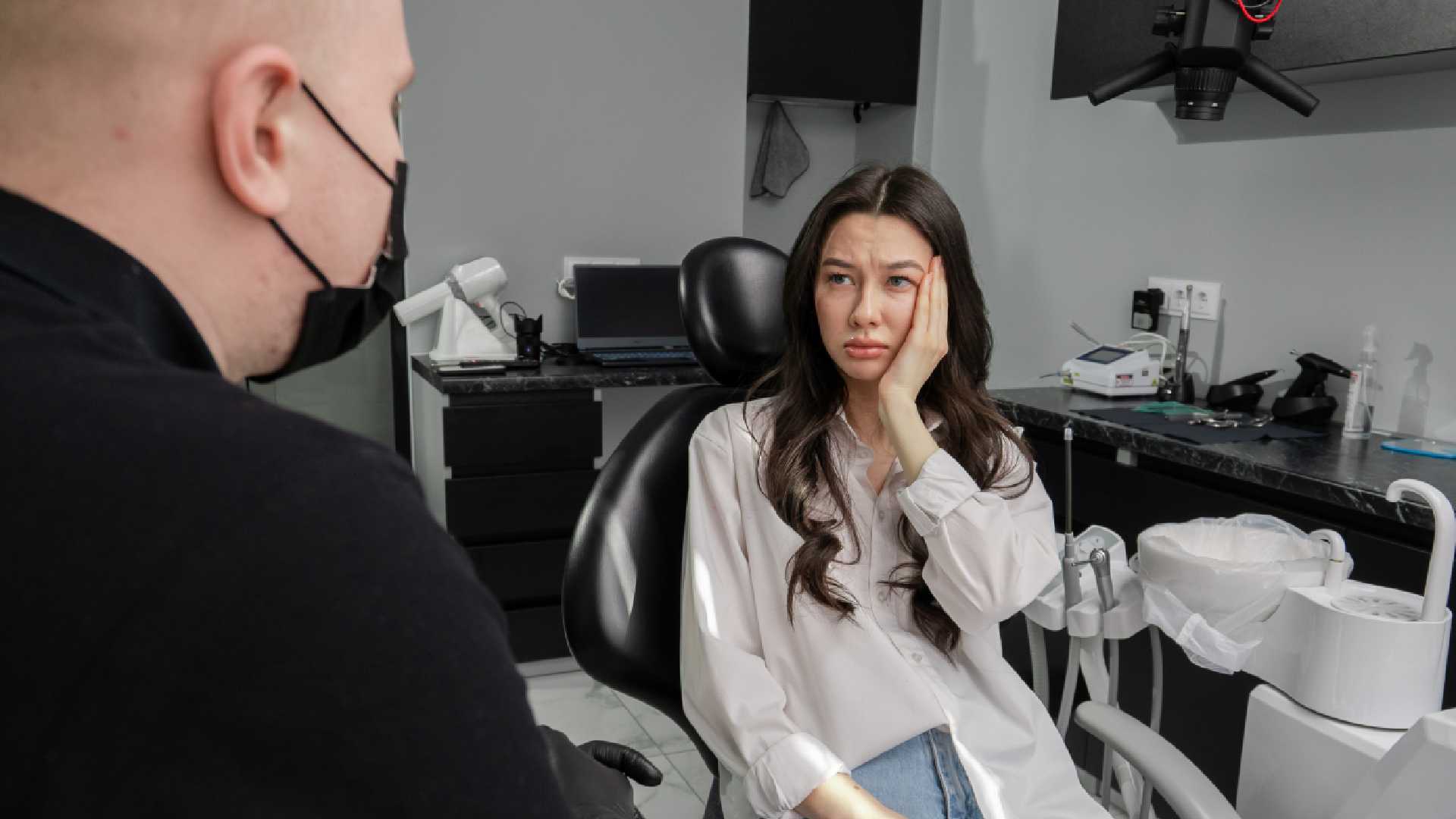
Dental anxiety can show up in different ways. You might notice a racing heart when you think about a dental exam and cleaning, trouble sleeping the night before, or a strong urge to cancel at the last minute. For some people, the fear is so intense that they avoid the dentist altogether.
Studies note several common causes, including past traumatic dental experiences, fear of pain, or general unease with dental procedures and environments. Even the sounds, smells, and sights in a dental office can trigger old memories or worries.
Avoidance unfortunately makes oral health worse. Over time, people who stay away because of fear are more likely to have decayed or missing teeth and poorer gum health. That leads to more complex treatment when you finally do come in, which can reinforce anxiety if it is not handled gently.
A truly gentle dentist for anxiety patients understands this pattern and works from your very first visit to make sure each experience is calmer and more positive than the last.
Communication that lowers anxiety
One of the most effective ways dentists reduce anxiety is through clear, honest, and patient communication. Practices that specialize in caring for nervous or anxious patients emphasize explaining each step of a visit to remove the fear of the unknown.
You should expect your gentle dentist to:
- Ask about your past dental experiences and current worries
- Explain what will happen before and during a procedure
- Check in frequently about your comfort level
- Encourage you to speak up and ask questions
This style of communication helps you feel like an active partner instead of a passive patient. It can be especially important during a new patient dental exam or your child’s dentist for kids first visit appointment, when there is more uncertainty.
Many anxious patients find that simply having a dentist describe what you might feel, how long a step will take, and what options you have if you need a break reduces their fear significantly.
What “gentle” really looks like in the chair
Being gentle is about more than a light touch, although that is important too. It is a combination of clinical skill, pacing, empathy, and planning.
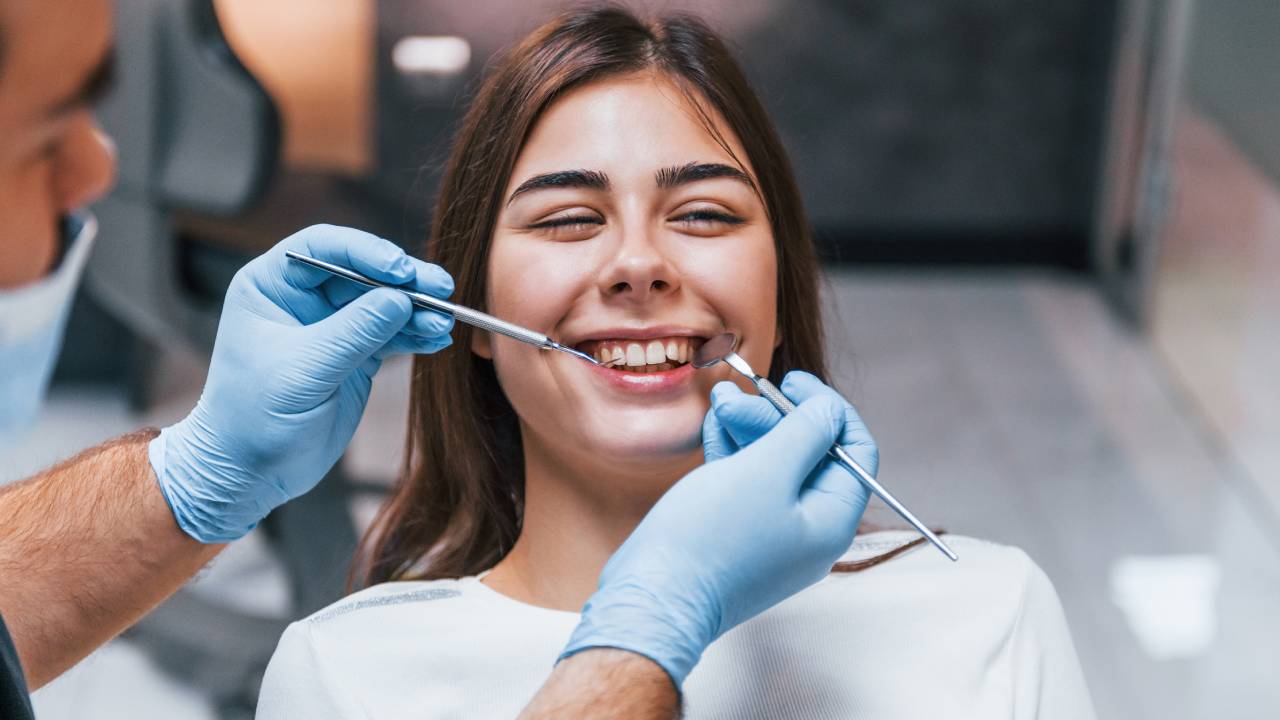
During a comprehensive dental exam or dental hygiene appointment, a gentle dentist for anxiety will:
- Move slowly and explain instruments before using them
- Use topical numbing gel before an injection whenever appropriate
- Pause if you raise your hand or give another agreed “stop signal”
- Offer distraction options like TV, music, or conversation
- Check that you are fully numb before starting any procedure
Behavior modification techniques like relaxation training, guided imagery, distraction, and stop signaling have been shown to improve cooperation and comfort for anxious patients during dental care. A caring team incorporates these techniques into every visit, not just long or complex treatments.
If you have sensitive teeth, your dentist can also tailor your cleaning, use gentler tools when appropriate, and recommend ongoing care with a dentist for sensitive teeth to keep everyday activities like brushing and drinking cold water more comfortable.
How the environment shapes your experience
Your surroundings have a powerful effect on how you feel in a dental office. A calm, welcoming environment can reduce anxiety even before you reach the treatment room.
Research has shown that soft music, pleasant scents, softened lighting, and shorter waiting times each contribute to lower anxiety and better comfort for patients with dental fear. Other recommendations include relaxing music, calming images, and simple stress relief tools like stress balls in the chair.
Some practices, such as Dental Oasis of Clayton, even design the entire office to feel spa like and provide TVs in treatment rooms so you can watch your favorite shows during care. The goal is the same, to keep your focus away from your worries and to make the space feel safe.
At a truly gentle family dental office, these design choices support all ages. Children, teens, adults, and seniors each benefit from a setting that feels less clinical and more like a calm, organized space where you know what to expect.
Anxiety sensitive care for every age
Dental anxiety affects children, teens, adults, and seniors. A gentle family focused practice looks at what each age group needs to feel safe and understood.
Kids and first visits
If you are looking for a dentist for kids first visit, your goal is usually to prevent fear from developing in the first place. That means:
- Short, positive appointments that focus on “getting to know the dentist”
- Gentle pediatric dental checkup visits that use kid friendly language
- Telling and showing instruments before using them
- Strong praise and positive reinforcement during and after treatment
Modeling, positive reinforcement, and gradual exposure are all recognized behavior techniques that help dentally anxious patients manage and reduce their fear over time. For kids, it can be as simple as starting with a quick polish and building up to longer cleanings as they gain confidence.
Teens, adults, and seniors
Teens, especially those balancing school, activities, or braces, may need extra time to ask questions and understand why a teen dental care services visit matters. Gentle care for teens often involves privacy, respect, and letting them speak for themselves while keeping parents informed.
Adults and seniors may have long histories, both with their teeth and with past dental offices. If you are seeking an adult dental care provider or senior dental care services, gentle, anxiety conscious care might look like:
- Extra time to review medical conditions and medications
- Adjusted positioning for comfort and mobility
- Clear explanations of all preventive options, from fluoride treatment for adults to oral cancer screening dentist checks
- A focus on preserving function and comfort, not just appearance
Across all ages, your dentist’s empathy, patience, and listening skills are what make the biggest difference in how anxious or relaxed you feel.
Sedation options when anxiety is severe
For some people, anxiety is so strong that even gentle techniques and a calm environment are not enough. In those cases, sedation dentistry can be an important tool.
Sedation and, when needed, general anesthesia are recommended when anxious or phobic patients do not respond well to other therapies or cannot otherwise cooperate enough to complete necessary care.
You may encounter several levels of sedation in a gentle, anxiety aware practice:
- Laughing gas, or nitrous oxide, to help you feel calmer while you remain awake and able to respond. Practices like Centreville Dental Wellness Center use nitrous to help patients feel relaxed and note that it calms the brain’s stress response, which can make sensitivity and discomfort easier to manage.
- Oral sedation, usually a prescription pill taken before your visit, which lets you stay conscious but deeply relaxed. D and D Family Dentistry describes this as the most common option for anxious adults, with patients typically remembering little of the appointment afterward.
- Deeper sedation or general anesthesia, usually in a more specialized setting, for patients with very severe phobia or complex needs.
Sedation can also help children during extensive or difficult procedures so that they can remain still and comfortable, although this requires special training and is not available everywhere.
A gentle dentist for anxiety will walk you through your options, talk honestly about risks and benefits, and help you decide what level of support is right for your dental exam and cleaning or treatment.
Sedation is not a replacement for empathy, clear communication, and gentle technique. The safest and most comfortable care usually combines both.
Preventive care that feels manageable
Once you find a dentist who understands your anxiety, the next step is to settle into a preventive rhythm that feels realistic for you. The more consistent your care, the less likely you are to face painful emergencies that trigger past fears.
A gentle, prevention focused practice will help you build a preventive dental care plan that usually includes:
- Regular dental exam and cleaning visits
- Low radiation digital dental x rays only when needed
- Periodic oral cancer screening dentist checks
- Fluoride treatment for adults and fluoride treatment for kids to strengthen enamel
- Dental sealants for children on back teeth where cavities often start
Each of these steps is designed to prevent cavities dentist issues and gum disease so that your appointments stay simple. If you are prone to decay, your dentist may recommend additional cavity prevention treatment or at home products to protect your teeth between visits.
The key is to move at a pace that fits your comfort level. You might start with a shorter new patient dental exam and work toward longer cleanings, or use mild nitrous oxide at first and gradually reduce it as your anxiety improves.
Psychological approaches like cognitive behavior therapy (CBT) have strong evidence for helping people manage dental anxiety and phobia, and they are often considered a first line treatment. If your anxiety is intense or affects other areas of life, combining a supportive dentist with a therapist who offers CBT can give you more tools to stay on track with your oral health.
How to tell if a dentist is right for your anxiety
When you are looking for a gentle dentist for anxiety, it helps to know what signs to look for before you book.
You can start by asking questions when you call or schedule a new patient dental exam:
- Do they regularly care for anxious or nervous patients?
- How do they handle patients who have had bad experiences in the past?
- What sedation or comfort options are available?
- Can you meet the dentist briefly before scheduling treatment?
Guidance from anxiety focused practices suggests looking for dentists with strong education, empathy, and excellent communication skills, as well as offices with calming environments and supportive staff. Reviews that mention kindness, patience, and clear explanations can also be helpful. Many anxious patients at practices like Martin Family and Cosmetic Dentistry in Virginia highlight how a calm, compassionate approach from the entire team transformed their experience of dental care.
If cost is a concern, ask about an affordable dental checkup and any membership or savings plans they offer. Knowing what to expect financially can remove another layer of stress from your decision.
If you already know that you tend to feel fearful, saying upfront that you are looking specifically for a dentist for nervous patients helps the team prepare for your visit and schedule extra time if needed.
Scheduling care with a gentle, family focused team
Total Smiles of Leland is designed to be a long term home for your family’s oral health. Whether you are scheduling your child’s first pediatric dental checkup, looking for a family dentist accepting new patients, or want an adult dental care provider who respects your anxiety, you can expect:
- Calm, clear explanations at every visit
- A focus on comfort, from the waiting room to the chair
- Preventive care that fits your life and your budget
- Respectful, judgment free support, no matter how long it has been since your last visit
If you have been putting off a tooth cleaning dentist appointment because of fear, you are not alone. Studies indicate that around a third of people have some level of dental anxiety, and about half of people report trouble visiting the dentist due to anxiety or sensitivity.
You deserve care that takes that fear seriously.
If you are ready to take the next step, schedule a new patient dental exam at a gentle, anxiety aware family dental office. With the right team, your routine dental checkup can become a simple, predictable part of keeping you and your family healthy, not something to avoid.
Your first appointment can be the moment you start experiencing dentistry in a very different, much more comfortable way.