Why oral cancer screening matters for you
When you hear the term oral cancer screening dentist, you might think of a complicated or uncomfortable test. In reality, screening is a quick, simple part of your regular dental exam and cleaning that could save your life. Oral cancers are often painless and easy to miss in the early stages, which is exactly when treatment works best.
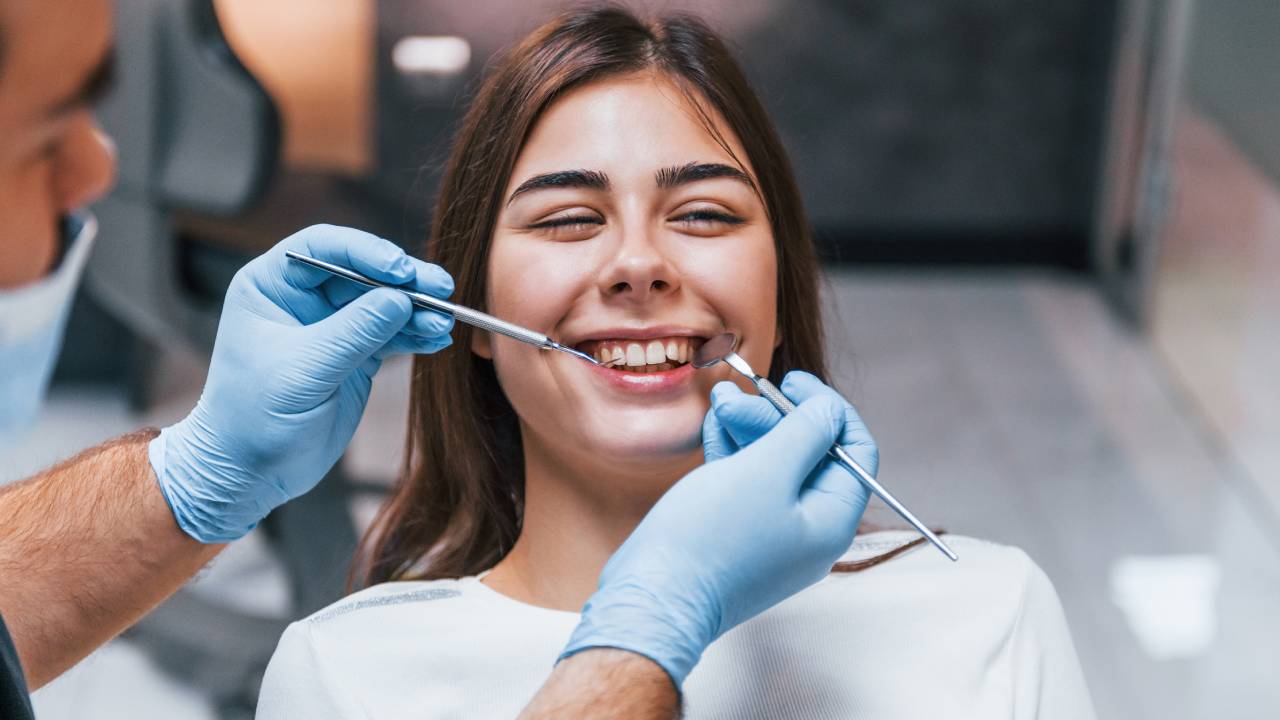
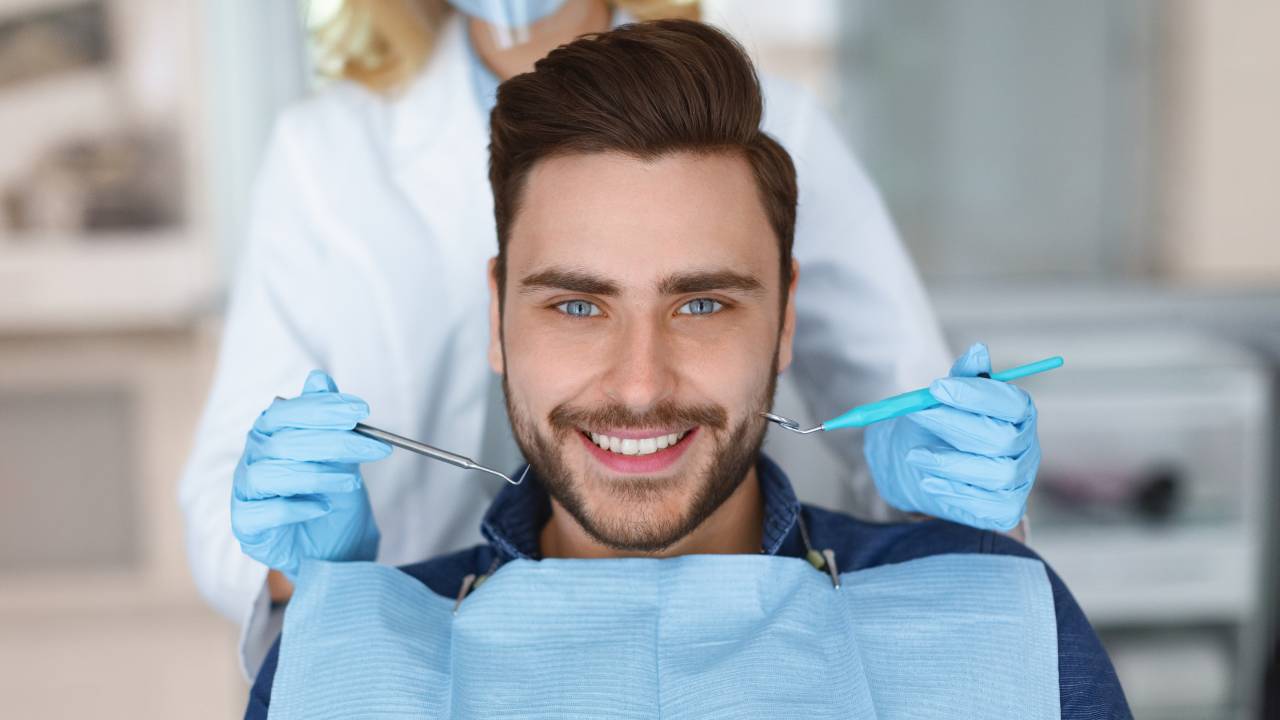
During a routine dental checkup, your dentist is not only looking for cavities and gum disease. You are also being checked for early signs of oral cancer in your lips, tongue, cheeks, gums, throat, and the roof and floor of your mouth. This is one of the most important ways your family dentist protects your long term health, not just your smile.
What an oral cancer screening includes
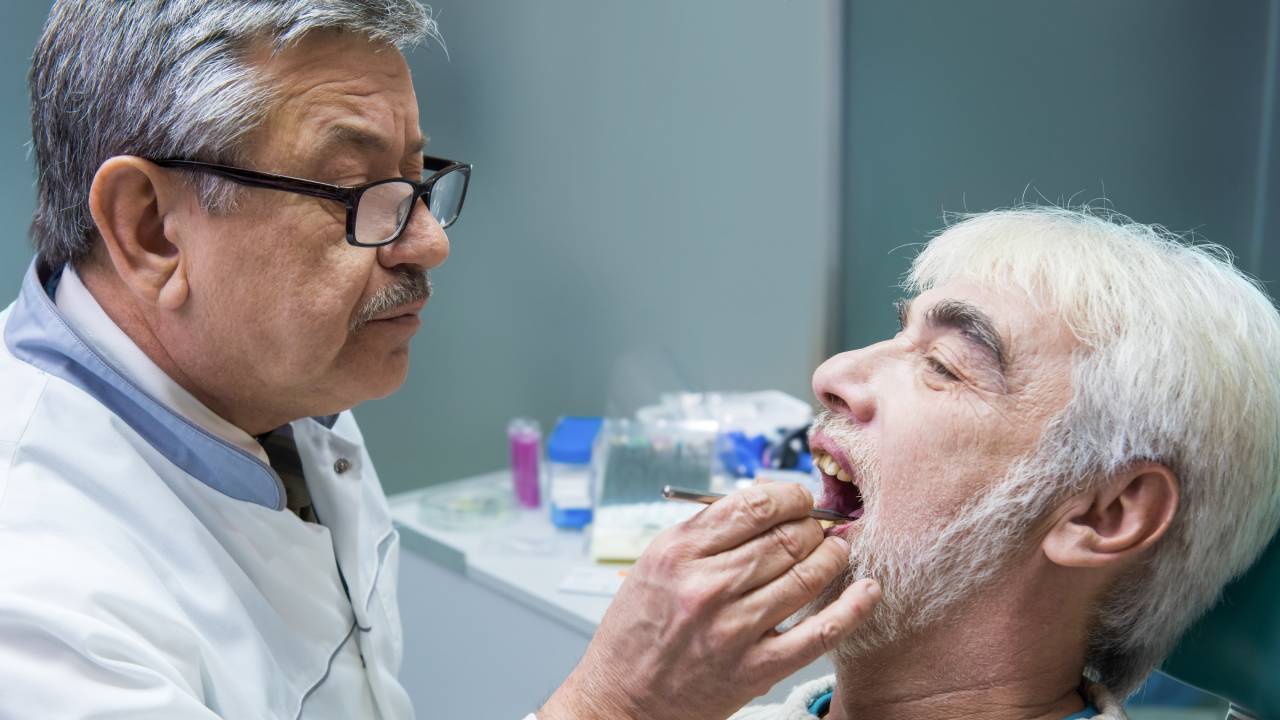
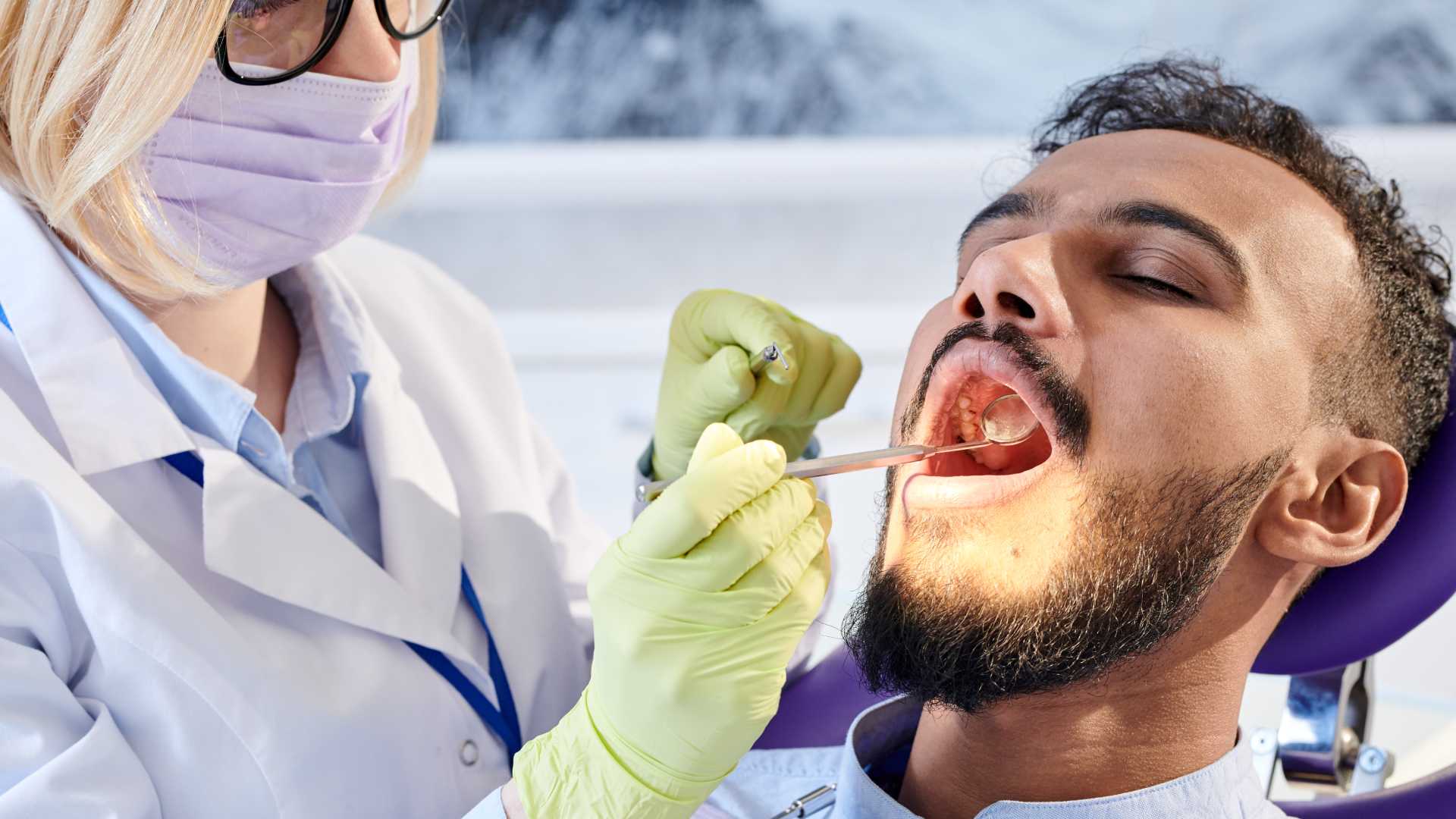
An oral cancer screening dentist uses both a visual exam and a hands on exam to look for anything that does not belong. You will recognize many parts of the process from your usual visit, but your dentist is looking with a very specific purpose.
Visual exam
Your dentist will:
- Look at your lips, cheeks, gums, tongue, and the roof and floor of your mouth
- Ask you to say “ahh” so they can see the back of your throat
- Check for color changes, sores that are not healing, or unusual patches
They are looking for areas that are red, white, speckled, thickened, or that have an unusual texture. Most of the time, these changes are not cancer. Still, spotting them early lets your dentist decide if anything needs a closer look.
Physical exam
Next, your dentist will gently feel certain areas with gloved hands. This includes:
- Under your jaw and along your neck
- Inside your cheeks
- Around your tongue and under your tongue
They are checking for lumps, bumps, or areas that feel different from the surrounding tissue. Again, most findings are harmless, but the goal is to notice what is normal for you and what has changed.
Optional enhanced screening tools
Some offices also use special lights, rinses, or imaging tools to highlight abnormal tissue. These tools do not replace an exam by your oral cancer screening dentist, but they can help your dentist decide if an area needs follow up.
If your dentist notices something that should be evaluated more closely, you may be scheduled for a follow up visit or referred to a specialist for a biopsy. A biopsy is the only way to confirm whether a spot is cancerous or not, and many biopsies come back completely benign.
Signs and symptoms you should never ignore
You see your mouth every day, so you are an important part of early detection. Let your dentist know right away if you notice any of the following changes that last more than two weeks:
- A sore or ulcer that does not heal
- A lump, thick area, or rough spot in your mouth or on your lips
- Red, white, or mixed red and white patches
- Unexplained bleeding in your mouth
- Numbness, pain, or tenderness in your lips, tongue, or mouth
- A feeling that something is caught in your throat
- Trouble chewing, swallowing, or moving your tongue or jaw
- A change in the way your teeth fit together when you bite
According to the American Cancer Society, early stage oral cancers are often found during routine dental visits or when patients mention persistent sores or spots to their dentist [1]. Speaking up as soon as you notice a change gives you the best chance of catching any problem early.
Who is at higher risk for oral cancer
Oral cancer can develop in anyone, even if you have no known risk factors. That is why screening during a comprehensive dental exam is important for every adult. Some habits and health factors, however, do increase your risk.
Lifestyle and medical risk factors
You may have a higher risk if you:
- Use tobacco of any kind, including cigarettes, cigars, pipes, or smokeless tobacco
- Drink alcohol regularly, especially in larger amounts
- Have a history of human papillomavirus, especially HPV 16
- Have had oral cancer in the past
- Spend a lot of time in the sun without lip protection
- Have a weakened immune system
The American Cancer Society notes that tobacco and alcohol together multiply oral cancer risk more than either factor alone, which makes screening especially important if you use both [2].
Age and family history
Most oral cancers are diagnosed in people over age 40, but cases in younger adults are increasing, especially those linked to HPV. If you are over 40, or you have a family history of head and neck cancers, your dentist may recommend more frequent or more detailed screenings as part of your preventive dental care plan.
How often you need an oral cancer screening
For most healthy adults, your oral cancer screening is automatically included in your regular dental hygiene appointment and tooth cleaning dentist visit. In other words, every time you come in for your six month routine dental checkup, your dentist is giving you a screening at the same time.
Your oral cancer screening dentist may suggest more frequent or more focused screenings if you:
- Use tobacco or vape
- Drink alcohol heavily
- Have had oral cancer before
- Have ongoing HPV related concerns
If you are unsure how often you should be screened, ask during your new patient dental exam or your next visit. Your dentist can tailor a schedule that fits your age, health history, and risk factors.
A good rule of thumb is simple. If you are due for a cleaning, you are due for an oral cancer screening too.
What screening feels like during a checkup
Many patients are surprised to learn they have already had an oral cancer screening without realizing it. Your dentist intentionally folds it into a standard visit so it feels natural and comfortable.
During your dental exam and cleaning, you can expect:
- A conversation about any changes you have noticed in your mouth or throat
- A careful look at all areas of your mouth, including under your tongue and at the back of your throat
- Gentle palpation of your jawline, under your chin, and along your neck
- A review of your medical history, medications, and lifestyle factors
If you have dental anxiety, tell your dentist early in the appointment. A gentle dentist for anxiety or dentist for nervous patients can explain each step before it happens, move at your pace, and adjust anything that makes you uncomfortable. The exam itself is not painful, and it usually only adds a few minutes to your visit.
How oral cancer screening supports your whole family
You may think of an oral cancer screening dentist as someone who works mainly with older adults. In reality, family focused practices use screening principles across all ages, with the approach tailored to each stage of life.
Kids and teens
For children, the focus is on teaching healthy habits and watching for anything unusual as the mouth grows and changes. During a pediatric dental checkup or with a dentist for kids first visit, your dentist will gently examine your child’s mouth and look for spots, sores, or growths that are not typical.
As your child becomes a teen, your dentist will also discuss:
- The risks of tobacco, vaping, and certain oral piercings
- The importance of sun protection for their lips
- How to speak up if they notice a sore or lump that does not go away
If you have a teen in sports or other activities, consistent teen dental care services help keep their mouth healthy while an experienced dentist monitors for any concerning changes.
Adults
For adults, screening is built into every visit with your adult dental care provider. Your dentist will balance oral cancer screening with other prevention tools, such as:
- Digital dental x rays to check below the surface
- Fluoride treatment for adults to strengthen enamel
- Guidance from a prevent cavities dentist if you are at high risk for decay
- Cavity prevention treatment if your enamel needs extra support
If you have sensitive teeth, your dentist for sensitive teeth can adjust your cleaning techniques while still performing a complete cancer screening.
Seniors
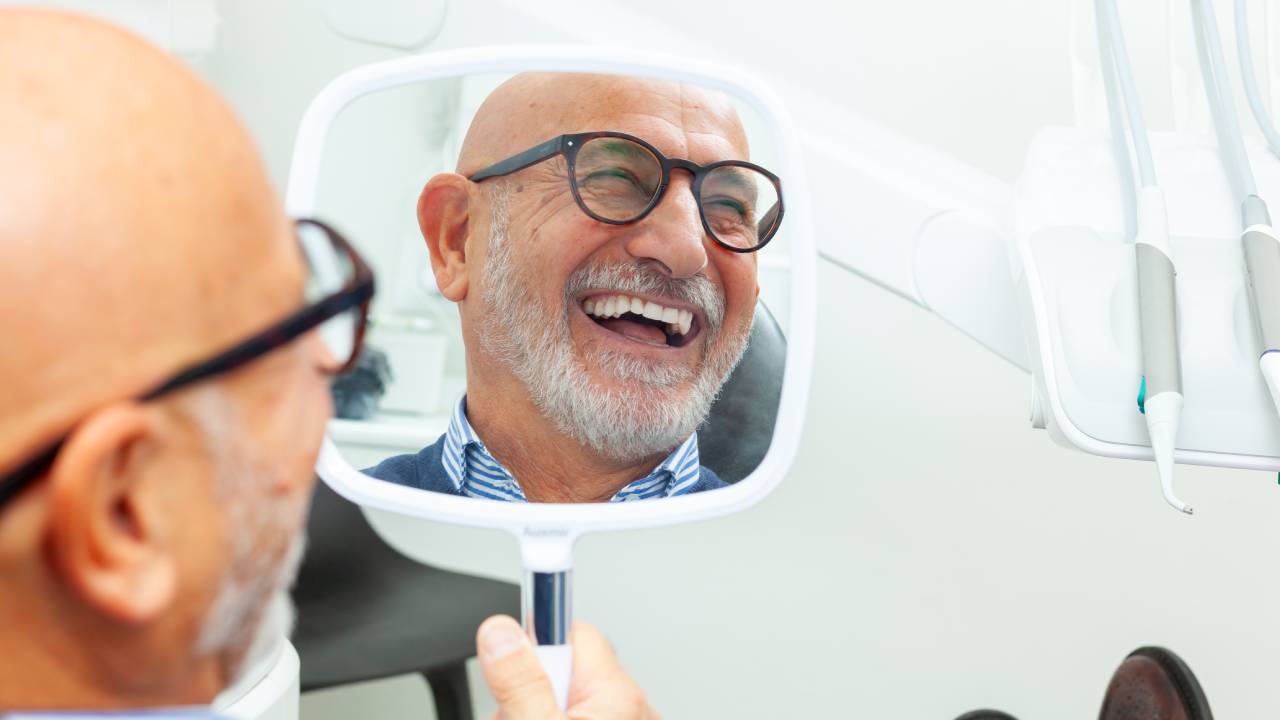
As you age, your risk for oral cancer increases, especially if you have a history of tobacco or alcohol use, or if you wear dentures or have other oral appliances. Regular visits for senior dental care services help your dentist:
- Check areas under and around dentures
- Monitor long standing sore spots or irritation
- Watch for dry mouth related changes that can irritate tissue
A family dentist accepting new patients who sees you over many years can notice subtle changes that might be easy to miss in a single visit at a new office.
Reducing your oral cancer risk at home
Screening is only one part of prevention. The choices you make every day also play a major role in your oral cancer risk.
You can support your oral health by:
- Avoiding all tobacco products, including vaping
- Limiting alcohol and avoiding heavy drinking
- Using a lip balm with SPF when you are outdoors
- Brushing twice a day and flossing once a day
- Wearing properly fitted mouthguards for sports
- Checking your own mouth regularly and reporting any changes
Combined with consistent visits to a family dental office, these habits lower your risk and make early detection more likely if a problem does develop.
What happens if your dentist finds something
Hearing that your oral cancer screening dentist found an area of concern can feel frightening. It is important to remember that most suspicious areas are not cancer. Many are minor irritations, harmless growths, or sores caused by biting your cheek or rubbing from a denture.
If your dentist finds something that needs follow up, you can expect a clear plan that may include:
- Watching the area for a short time to see if it heals
- Adjusting a denture or smoothing a tooth that is causing irritation
- Scheduling a follow up visit to recheck the area
- Referring you to an oral surgeon or specialist for a biopsy
A biopsy is a quick procedure that removes a small sample of tissue so it can be examined under a microscope. If the biopsy shows early changes, treatment can often be less invasive and more successful.
Your dentist will walk you through each step and answer your questions. If you struggle with anxiety in medical settings, a gentle dentist for anxiety will take extra time to make sure you understand what is happening and why.
How Total Smiles of Leland supports preventive care
When you choose a family dental office like Total Smiles of Leland, you get more than a quick cleaning. You gain a partner in your long term health who is focused on early detection, prevention, and comfort for every age.
During your visits, your care may include:
- A new patient dental exam or established comprehensive dental exam
- Gentle professional cleaning with a tooth cleaning dentist
- Low radiation digital dental x rays as needed
- Fluoride options for every age, including fluoride treatment for kids and fluoride treatment for adults
- Protective dental sealants for children when appropriate
- A built in oral cancer screening at every recall visit
If cost is a concern, ask about options for an affordable dental checkup and long term preventive dental care plan. Staying on schedule with your visits is much more affordable than treating advanced dental or medical problems later.
Here is how regular preventive visits work together to protect you:
| Visit type | What you receive | How it helps with oral cancer |
|---|---|---|
| Routine dental checkup | Exam, cleaning, screening | Finds changes early and keeps tissue healthy |
| Dental hygiene appointment | Deep plaque and tartar removal | Reduces irritation and infection that can complicate treatment |
| Comprehensive dental exam | Full mouth evaluation, history review | Establishes baseline so new changes stand out |
When to schedule your next screening
If you cannot remember the last time you had an oral cancer screening, you are likely overdue. The simplest way to stay on track is to keep a six month schedule with a trusted adult dental care provider or family dentist accepting new patients.
Consider scheduling an appointment if:
- You are due or past due for a cleaning
- You have noticed a sore or spot that has not healed in two weeks
- You use tobacco or drink alcohol regularly
- You have not yet established a home with a family focused practice
By making your next visit a priority, you give your oral cancer screening dentist the chance to catch problems while they are still small, manageable, and easier to treat. Your oral health, and your overall health, are worth that time.
To get started, contact your local family dental office for an affordable dental checkup and ask about scheduling a comprehensive exam with oral cancer screening.