
Why your new patient dental exam matters
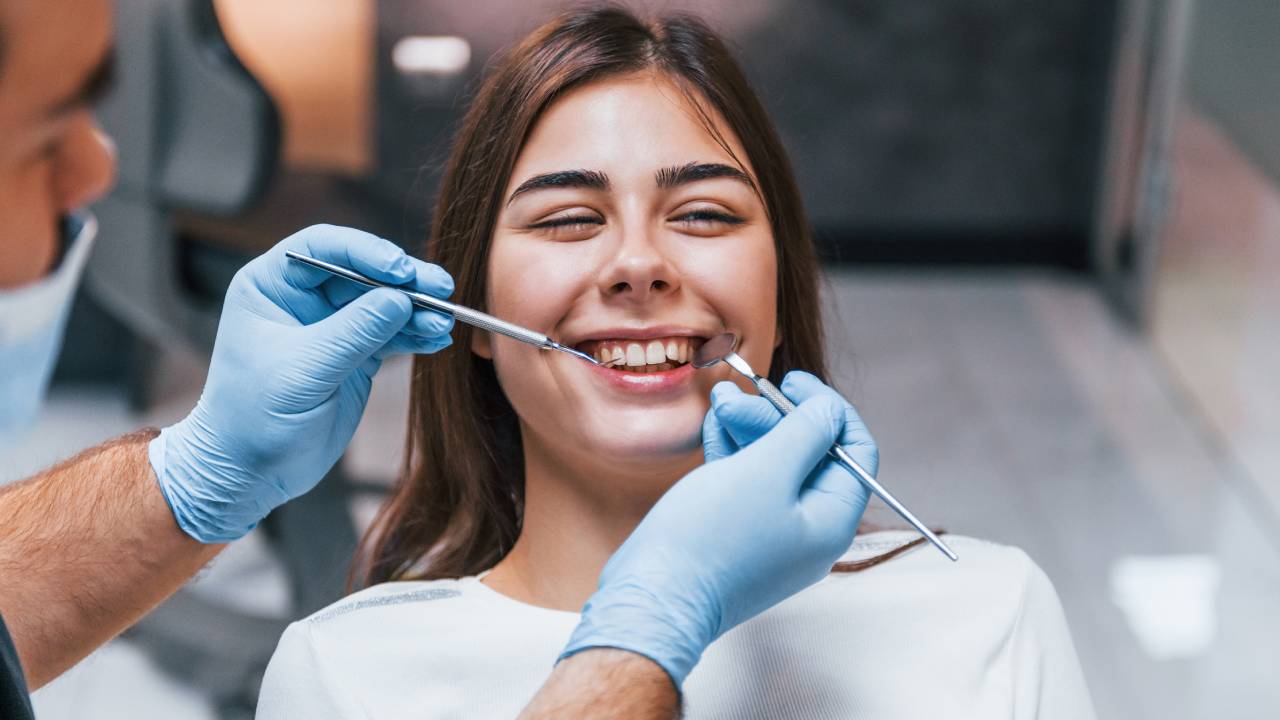
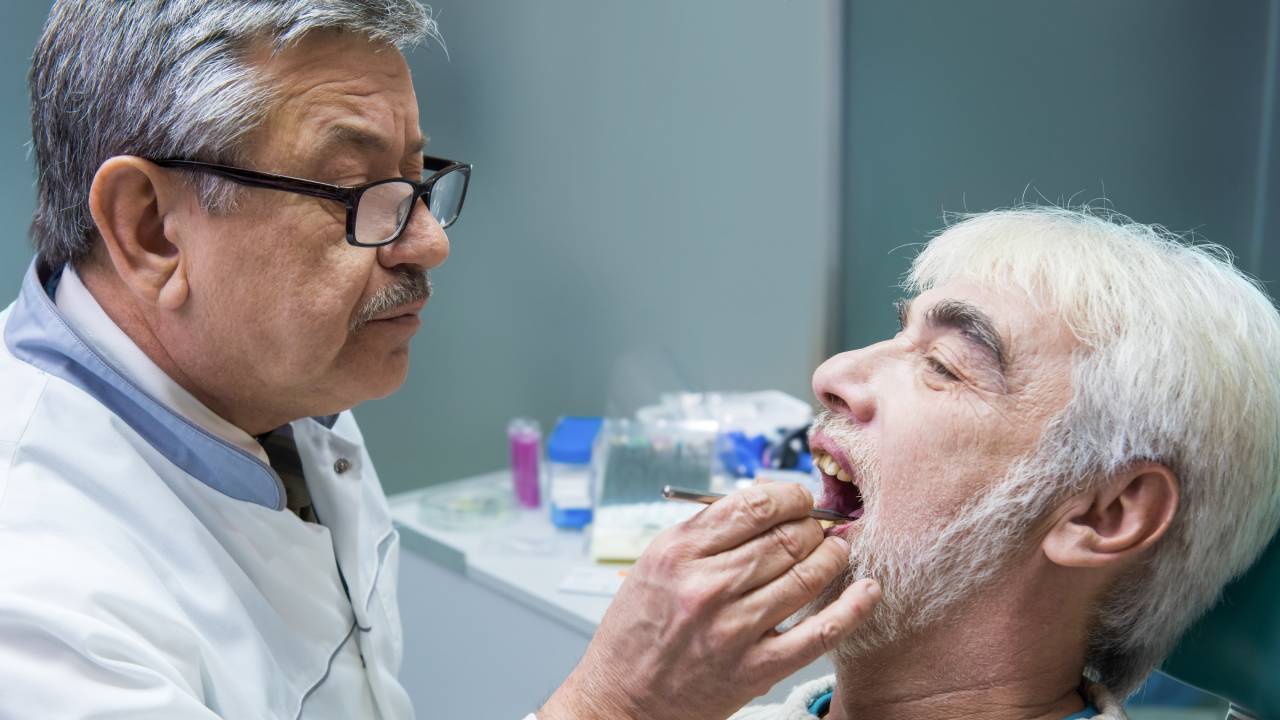
Your first visit for a new patient dental exam is more than a quick look at your teeth. It is a comprehensive evaluation that helps your dentist understand your health history, spot small problems before they become major, and plan the best way to protect your smile for years to come.
Dentists describe a New Patient Comprehensive Exam as a thorough and holistic evaluation that focuses on long-term oral health and early detection of issues before they turn serious. When you combine that exam with a professional cleaning, digital X‑rays, and preventive treatments, you create a strong foundation for healthier teeth and gums at every age.
At Total Smiles of Leland, your new patient visit is designed to be family friendly, detailed, and comfortable. Whether you are looking for a family dentist accepting new patients or you are coming back to routine care after a break, knowing what to expect can make the appointment easier and less stressful.
How long your first dental visit takes
A typical new patient dental exam is longer than a quick checkup because your dentist is getting to know you and your health history.
Many practices schedule about 60 to 90 minutes for a first visit that includes a full exam, X‑rays, and a professional cleaning. That extra time allows your dental team to:
- Review your medical and dental history in detail
- Take a complete set of digital X‑rays if needed
- Perform a thorough exam of teeth, gums, bite, and soft tissues
- Screen for oral cancer and other abnormalities
- Complete a full dental exam and cleaning
- Discuss findings, options, and your preventive care plan
Booking about an hour for a new patient dental exam and cleaning gives your dentist enough time to work carefully and answer your questions without rushing.
What happens before your exam starts
Check in and health history
Your visit usually begins at the front desk with simple paperwork. You will be asked to complete a questionnaire about your oral and general health history, current medications, allergies, and any concerns you have about your teeth or gums. This helps the office understand your background before the exam begins.
During a New Patient Comprehensive Exam, your dentist will carefully review:
- Past dental treatments and surgeries
- Ongoing medical conditions such as diabetes, heart disease, or osteoporosis
- Medications and supplements that may affect your mouth
- History of gum disease, cavities, or tooth loss
- Any dental anxiety or previous negative experiences
This detailed review allows your provider to tailor care to you, which is a key part of a comprehensive dental exam.
Simple steps to prepare at home
You can make your visit smoother and more comfortable by:
- Brushing and flossing gently before your appointment
- Avoiding food or sugary drinks right before you come in
- Bringing a list of medications and your insurance card
- Writing down questions or concerns you want to discuss
Clinics also recommend good oral hygiene before your visit, since it can reduce the time spent removing plaque and tartar and makes buildup easier to see and treat.
If you feel nervous about dental visits, calling ahead and letting the office know can help the team prepare accommodations that make you more comfortable.
Digital diagnostics and X‑rays
Why X‑rays are part of a new patient dental exam
Even with a careful visual exam, your dentist can only see part of each tooth. Digital X‑rays and other imaging allow them to check what is happening below the surface so problems can be found early.
During a typical new patient dental exam, your dentist may recommend a full series of digital X‑rays. One practice notes that a full series often includes 18 to 20 images and helps reveal:
- Cavities between teeth
- Bone loss and signs of gum disease
- Infections at the root tip
- Position and development of wisdom teeth
Digital systems can reduce radiation exposure by up to 80 percent compared with traditional films. To learn more about how imaging keeps your visits efficient and safe, you can review information on digital dental x rays.
Advanced offices may also use intraoral cameras or 3D imaging in certain cases to detect hidden issues like impacted teeth, deep cavities, or bone changes that are not visible to the eye.
How long imaging takes
Dental X‑rays are usually a quick part of your visit. A full mouth series often takes 10 to 15 minutes, while smaller sets of bite‑wing X‑rays focused on the back teeth may require only a few minutes.
Your dentist will only recommend X‑rays that are appropriate for your age, risk level, and specific concerns.
What your dentist checks during the exam
Your new patient dental exam is designed to give your provider a complete picture of your oral health. This goes beyond just looking for cavities and includes your gums, bite, jaw joints, and soft tissues.
Visual exam of teeth and bite
The clinical exam usually begins with a visual inspection of:
- Each tooth, to check for decay, cracks, worn enamel, and existing restorations
- Your bite, to see how your upper and lower teeth come together
- Signs of grinding or clenching, such as flat or chipped edges
This portion often takes about 10 to 15 minutes and may take a bit longer if you have extensive dental work or a more complex bite pattern.
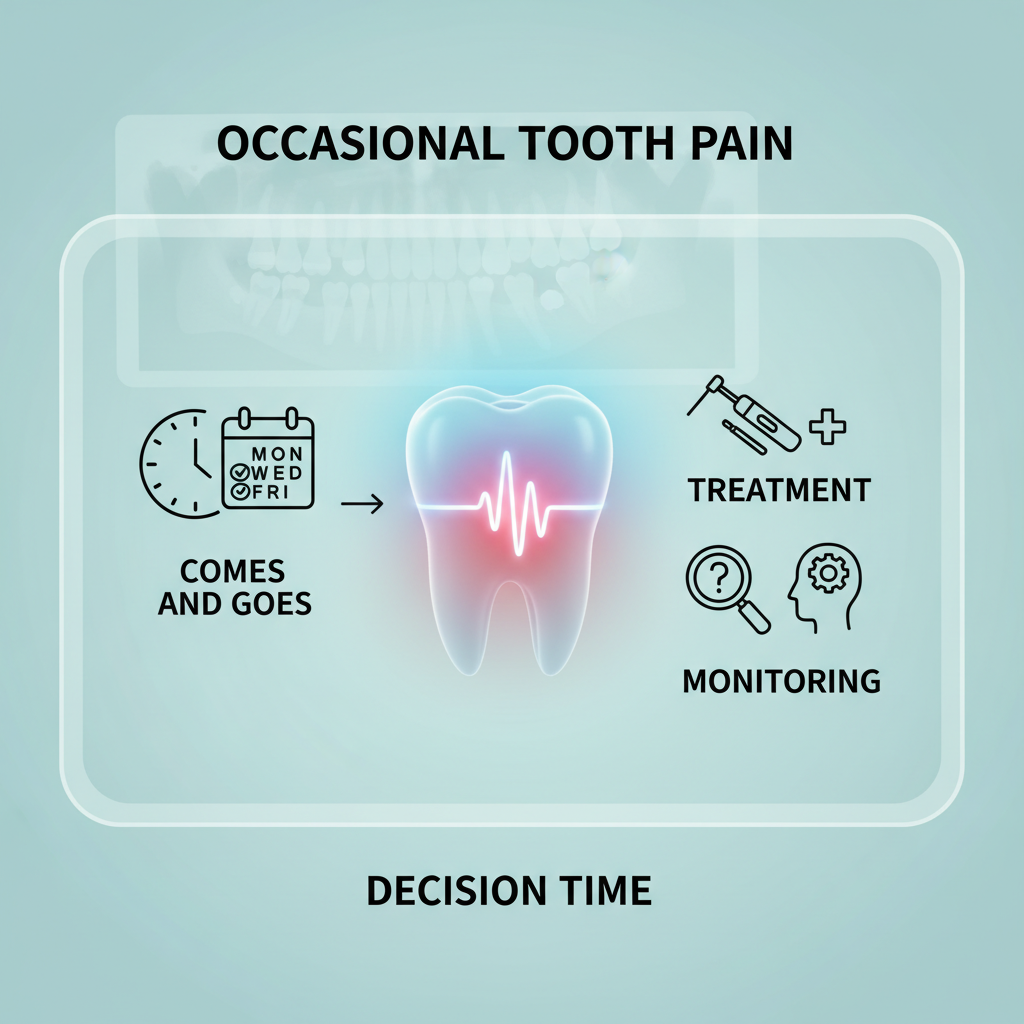
If you have noticed sensitivity to hot, cold, or biting, this is a good time to bring it up. Your provider can help you decide if you would benefit from care with a dentist for sensitive teeth or other focused treatment.
Gum health and periodontal screening
Healthy gums are just as important as healthy teeth. During your new patient dental exam, the dentist or hygienist will gently measure the spaces between your teeth and gums.
- Pocket depths of 3 millimeters or less usually indicate healthy gums
- Measurements of 4 millimeters or more can be signs of gum disease or inflammation
Each tooth is typically checked in six spots to create a detailed map of your gum health. This helps your provider recommend the right cleanings or periodontal therapies to protect your bone and avoid future tooth loss.
Oral cancer and soft tissue screening
Your exam also includes a careful check of your tongue, cheeks, palate, lips, and the floor of your mouth for any unusual spots, sores, or texture changes. Many practices routinely perform an oral cancer screening as part of a standard exam to support early detection of serious conditions.
If you are specifically looking for an oral cancer screening dentist, a new patient appointment is the best time to establish this as part of your ongoing care.
Cleaning, polishing, and fluoride
What happens during your professional cleaning
For many people, the most noticeable part of a new patient dental exam is the professional cleaning. This is usually performed by a hygienist or certified dental assistant before the dentist does the final exam.
A typical dental hygiene appointment at your first visit includes:
- Scaling: removing plaque and tartar that have hardened on your teeth, especially along the gum line and between teeth
- Polishing: using a gentle polishing paste to remove surface stains from coffee, tea, or red wine
- Flossing: cleaning between each tooth to remove loosened debris and check gum response
Basic cleanings usually take 15 to 30 minutes, while deeper cleaning procedures such as scaling and root planing may require 30 to 60 minutes or more if there is significant tartar buildup or gum disease.
Because tartar forms over time even with good brushing and flossing, most providers recommend regular visits to a tooth cleaning dentist to help prevent decay and gum problems.
Fluoride and cavity prevention options
After your cleaning, your dentist may recommend a fluoride treatment to strengthen enamel and reduce your risk of cavities. Fluoride is often applied as a gel, foam, or varnish that stays on the teeth for a short time.
If you are at higher risk of decay, you may benefit from fluoride treatment for adults. Children and teens often receive fluoride treatment for kids during their pediatric dental checkup or teen dental care services visit.
Some patients also qualify for additional cavity prevention treatment, such as prescription fluoride, desensitizing agents, or dietary counseling from a prevent cavities dentist.
Sealants and preventive care for children
If you are bringing a child for a new patient dental exam, your visit may also include a discussion of sealants. Dental sealants are thin protective coatings applied to the chewing surfaces of back teeth. They help block food and bacteria from getting into the pits and grooves where cavities often start.
Sealants are a common part of dental sealants for children and are usually recommended for permanent molars soon after they come in. Your dentist may suggest sealants for kids who:
- Have deep grooves in their molars
- Have had cavities in baby teeth
- Are still working on their brushing skills
If this is your child’s very first appointment, you can also explore resources on choosing a dentist for kids first visit. A calm, positive first experience helps set the stage for good habits and less fear at future visits.
Anxiety sensitive and gentle dental care
Many children, teens, and adults feel nervous about visiting the dentist. A thoughtful new patient dental exam should always include space for you to talk openly about anxiety, past experiences, and what helps you feel more comfortable.
Clinics recommend clear communication and honesty on health forms so your team can plan the right approach and schedule enough time for breaks when needed. If you have a strong gag reflex, sensitivity, or fear of injections, a gentle dentist for anxiety or dentist for nervous patients can suggest options such as:
- Numbing gels to make cleanings or injections more comfortable
- Quiet rooms or headphones to reduce sound and stress
- Slower pacing or shorter appointments with more frequent breaks
Some practices also provide nitrous oxide or other methods to help anxious patients relax during treatment. If this is important to you, mention it when you call to schedule.
The more honest you are about your concerns, the better your dental team can adjust your visit so that you feel safe, heard, and in control of your care.
Discussing your results and treatment plan
Once your exam, X‑rays, and cleaning are complete, your dentist will sit down with you to review what they have found. A New Patient Comprehensive Exam always includes a discussion of findings and next steps so that you understand your oral health status and your options.
This conversation may cover:
- Areas of decay or worn fillings that need repair
- Early signs of gum disease and recommended cleanings or therapies
- Alignment concerns that might benefit from orthodontic evaluation
- Preventive options like fluoride and sealants for you or your children
- Home care tips tailored to your specific risks
Many offices then create a customized preventive plan that prioritizes urgent issues, explains costs and insurance coverage, and outlines timing for follow up visits. This type of preventive dental care plan helps you stay ahead of problems instead of reacting when something hurts.
If you come in as an adult looking for an adult dental care provider or as a senior who needs senior dental care services, your plan can also take into account medications, dexterity changes, dry mouth, and other age related concerns.
How often you should schedule exams and cleanings
For most people, dentists recommend a routine dental checkup with a cleaning and exam at least once a year to maintain oral health, detect problems early, and avoid more complex, costly care [4]. Many patients benefit from seeing their dentist every six months, especially if they have a history of cavities or gum issues.
Some people need visits more frequently, such as:
- Patients with active gum disease or bone loss
- Children and teens in orthodontic treatment
- Individuals with medical conditions that affect the mouth
In these situations, your dentist may suggest more frequent new patient style exams and follow ups in order to monitor conditions closely and adjust your plan as needed.
A first new patient dental exam at a family dental office acts as your starting point. From there, your preventive schedule is customized so your whole family can stay on track.
Cost, insurance, and value of preventive care
The cost of a new patient dental exam depends on what is included, your specific dental plan, and any additional procedures recommended. Routine teeth cleanings and basic exams are often covered partially or fully by insurance, while extra treatments may require copays or separate estimates.
An affordable dental checkup that catches problems early will usually cost far less than waiting until pain or infection appears. Early detection often means simpler fillings instead of root canals, less invasive gum treatment, and fewer emergencies that disrupt work, school, or family time.
If you do not have insurance, ask about:
- New patient specials
- In office membership or savings plans
- Phased treatment plans that prioritize urgent issues first
The team at Total Smiles of Leland can help you understand the costs of your care and work with you to find a preventive plan that fits your budget and goals.
When and how to schedule your new patient dental exam
If you have been putting off the dentist, your new patient dental exam is the best first step to get back on track. Your initial visit usually lasts about an hour and establishes a foundation for ongoing care through open communication, education, and personalized recommendations [9].
You are a good candidate to schedule now if:
- It has been more than a year since your last dental exam and cleaning
- You are new to the area and need a family dentist accepting new patients
- Your child is ready for a pediatric dental checkup or first visit
- You notice sensitivity, bleeding gums, or other changes
- You want a long term partner in your oral health
To get started, contact Total Smiles of Leland and request a new patient appointment for yourself, your child, or your entire family. Let the team know if you are anxious or have specific concerns so they can match you with a provider experienced in gentle care.
With each visit, your preventive dental care plan will be updated to keep your smile as healthy and comfortable as possible at every stage of life.