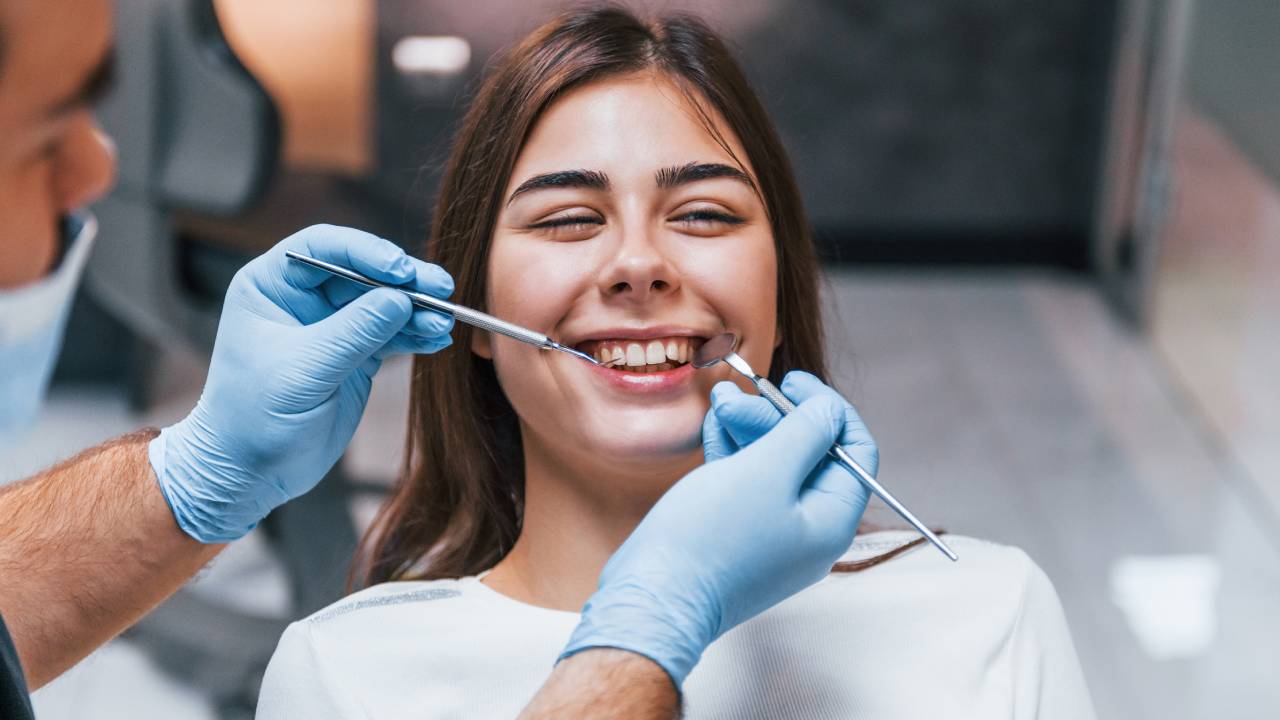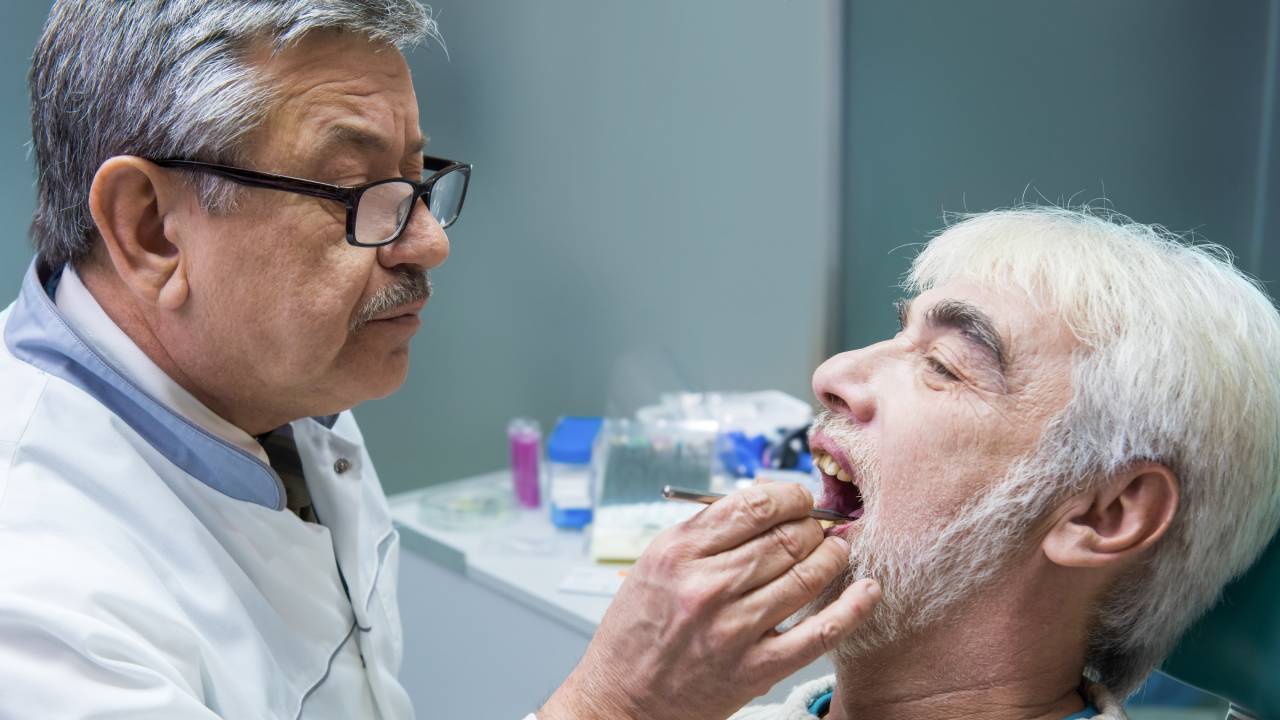
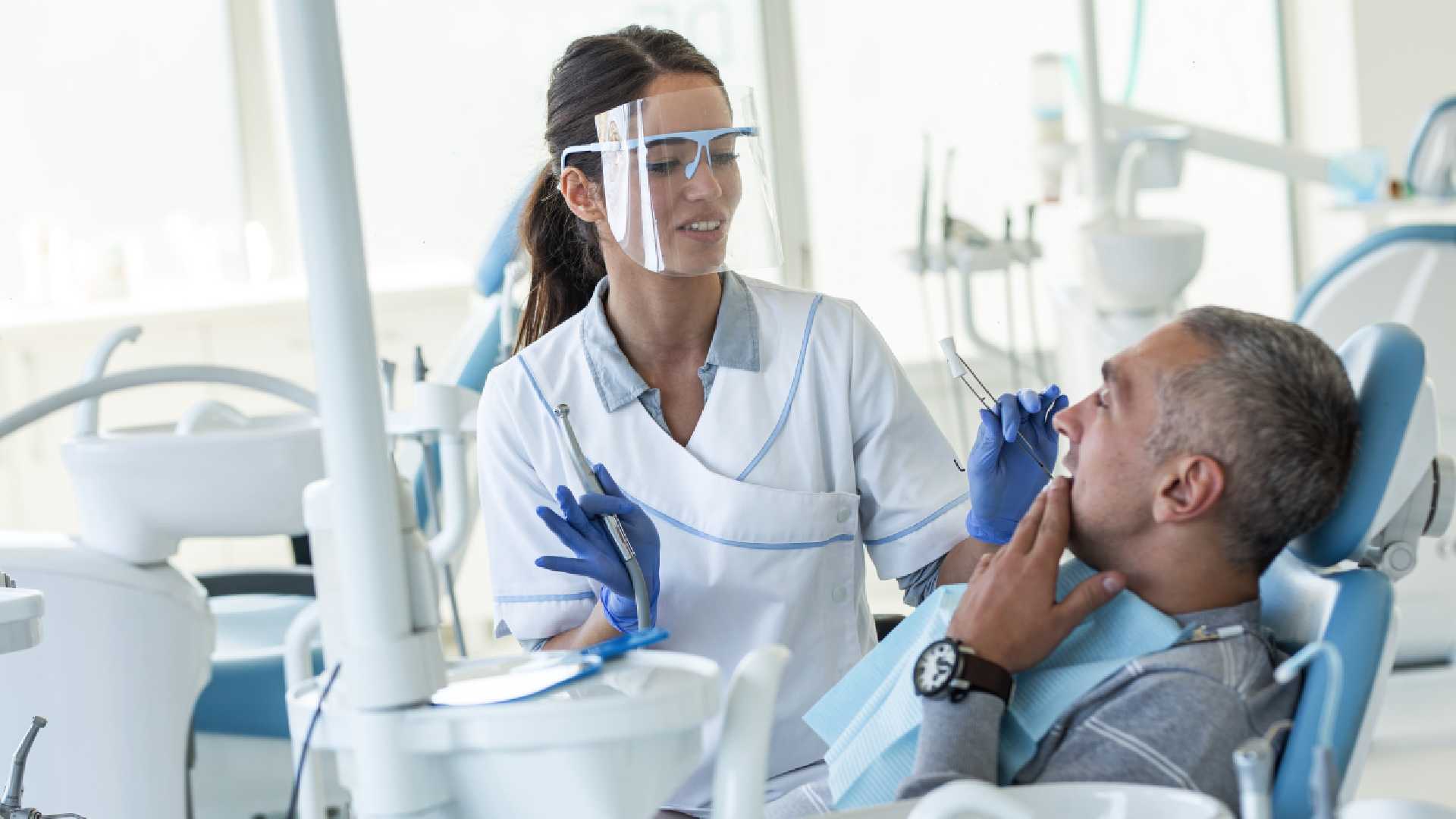
Regular dental exams and cleanings are about much more than a bright smile. A consistent dental exam and cleaning schedule is one of the simplest ways to protect your long-term oral and overall health, reduce emergency visits, and keep future treatment costs down. At Total Smiles of Leland, your preventive visits are designed to be thorough, comfortable, and tailored to every member of your family.
In this guide, you will learn what really happens during your visit, why it matters for your total health, and how to build a preventive dental care routine that works at every age.
Why routine dental exams and cleanings matter
When you come in for a dental exam and cleaning, you are not just getting your teeth polished. You are giving your dentist the chance to:
- Catch cavities and gum disease before they cause pain or tooth loss
- Screen for oral cancer and other serious health issues
- Remove buildup that brushing and flossing leave behind
- Protect your enamel with fluoride and sealants
- Build a preventive plan that fits your health, age, and risk factors
Regular exams and cleanings help prevent tooth decay, gum disease, and other problems by removing plaque and tartar that your toothbrush cannot reach and by spotting early warning signs so treatment stays simple and minimally invasive. This is the foundation of a strong preventive dental care plan.
Most children and adults should have a routine dental exam and cleaning every six months, although some people may need visits more or less frequently depending on their oral health, medical history, and lifestyle.
What happens during your dental exam
Your visit begins with a comprehensive look at your teeth, gums, and oral tissues. A typical comprehensive dental exam or new patient dental exam includes several important steps.
Review of your health history
You will update a brief questionnaire about your medical and dental history, current medications, and any concerns you have noticed. This helps your dentist understand:
- Past dental treatment
- Any history of gum disease or frequent cavities
- Medical conditions like diabetes, heart disease, or thyroid issues
- Lifestyle factors such as smoking or dry mouth
These details are important because many systemic health conditions have oral signs, and your dentist can sometimes identify issues that need follow up with your physician.
Visual exam of teeth and gums
During a routine dental checkup, your dentist and hygienist carefully examine your teeth, gums, tongue, cheeks, and the roof and floor of your mouth. They look for:
- Cavities or soft spots in enamel
- Cracked or worn teeth
- Signs of clenching or grinding
- Red, swollen, or bleeding gums
- Receding gumlines or deep pockets
This helps catch early gum inflammation before it progresses from gingivitis to more serious periodontitis, which can cause tooth loss and jawbone damage if left untreated.
Digital dental X rays when needed
Not every problem is visible on the surface. That is why your visit may include digital dental x rays to evaluate:
- Decay between teeth
- Bone levels around roots
- Infections, cysts, or impacted teeth
- The health of existing fillings and crowns
How often you need X rays depends on your individual risk and history, and your dentist will discuss this with you. Dental X rays use low levels of radiation and are considered safe for most patients, although they are generally limited during pregnancy unless absolutely necessary.
Oral cancer screening
Every exam should include an oral cancer screening, even if you have no symptoms. Your oral cancer screening dentist gently checks your tongue, cheeks, lips, throat, and the floor of your mouth for any unusual patches, lumps, or color changes.
This screening is quick, painless, and can significantly improve outcomes if cancer is detected early.
What happens during your professional teeth cleaning
After your exam, your hygienist performs a thorough dental hygiene appointment to remove buildup and polish your teeth. A typical cleaning includes several steps, each designed to protect your teeth and gums.
Step 1: Gentle scaling to remove plaque and tartar
Using a small mirror and specialized instruments, your hygienist removes hardened tartar and sticky plaque from around your gumline and between teeth. This process is called scaling.
Scaling targets the areas your toothbrush and floss cannot fully clean and helps prevent both decay and gum disease. You may hear scraping sounds, which are normal, especially if there has been extra tartar buildup.
Step 2: Deep cleaning and polishing
Once the tartar is removed, your hygienist uses an electric toothbrush and a special gritty toothpaste called prophylaxis paste. This polishes teeth, removes surface stains, and eliminates any residual plaque or tartar particles. It is usually the longest part of the cleaning but should not be painful.
This careful polishing with your tooth cleaning dentist leaves your teeth smoother, which makes it harder for new plaque to stick and helps your smile look whiter and brighter.
Step 3: Professional flossing and hygiene coaching
Your hygienist finishes with a professional flossing to clean between each tooth and remove leftover paste. This is also the perfect time to review your technique, ask questions, and identify any areas that tend to collect more plaque or bleed easily.
You leave with practical, personalized advice you can use at home to keep your results lasting longer.
Step 4: Fluoride treatment for extra protection
Many patients benefit from an in office fluoride application at the end of their cleaning. At Total Smiles of Leland, your dentist may recommend:
- Fluoride treatment for adults if you have a history of cavities, sensitive teeth, or weakened enamel
- Fluoride treatment for kids to strengthen growing teeth and reduce cavity risk
Fluoride is applied as a gel, foam, or varnish and left on the teeth briefly. You typically avoid eating or drinking for about 30 minutes so the fluoride can fully absorb and strengthen enamel.
Most routine dental cleanings take between 30 and 60 minutes, depending on how much buildup is present and whether special treatments are performed.
Regular professional cleanings remove bacteria, plaque, and tartar that brushing alone cannot reach, which is essential for preventing gum disease and cavities.
How often you really need a dental exam and cleaning
The traditional advice is to schedule a dental exam and cleaning twice a year. For many patients this is ideal. However, the right frequency depends on your unique situation.
According to recent research, some people with very low risk and no underlying health conditions may do well with a professional cleaning once a year, while others may need more frequent care. You may need to come in more than twice a year if you have:
- A history of gum disease or bone loss
- Diabetes or cardiovascular disease
- Dry mouth or frequent cavities
- Smoking or tobacco use
Your dentist evaluates your gums, X rays, and risk factors to recommend a personalized schedule. This is part of building a long term preventive dental care plan that fits your life.
If cost is a concern, ask about options for an affordable dental checkup. Preventive visits are usually far less expensive than root canals, crowns, or emergency treatment that may be needed if problems are left unchecked.
Preventive care at every age
Total Smiles of Leland is a family dental office, which means your entire family can receive exams and cleanings in one convenient location, often on the same day. Preventive dental needs look different at each stage of life, and your care should reflect that.
Babies, toddlers, and first visits
Your child should see a dentist within six months of their first tooth coming in or by their first birthday. Early visits help your child feel at ease in the dental setting and give you guidance on brushing, diet, and thumb sucking.
If you are looking for a dentist for kids first visit or a pediatric dental checkup, our team focuses on gentle, positive experiences that set kids up for a lifetime of healthy habits.
Kids and cavity prevention
Children are often at higher risk for cavities because of developing brushing skills and frequent snacking. During their exam and cleaning, your dentist may recommend:
- Dental sealants for children to protect the grooves of back teeth
- Fluoride applications to harden enamel
- Coaching on brushing and flossing techniques
This combined approach is an effective cavity prevention treatment that can dramatically reduce the chance of tooth decay.
Teens and growing smiles
Teenagers face new challenges, from sugary drinks to orthodontic appliances and sports. Our teen dental care services help monitor wisdom teeth, track jaw development, and prevent cavities around braces and retainers.
Routine exams and cleanings during the teen years are especially important for identifying early gum issues, sports related damage, or habits like grinding and vaping that can affect long term oral health.
Adults and long term maintenance
As an adult dental care provider, we focus on helping you maintain healthy teeth and gums for life. Adult visits often address:
- Early signs of gum disease
- Stress related clenching or grinding
- Wear and tear on fillings and crowns
- Diet, medications, and dry mouth
If you struggle with discomfort during cleanings, talk with your dentist for sensitive teeth. Adjustments in technique, topical numbing, or desensitizing treatments can make your cleaning more comfortable.
Seniors and whole body health
For older adults, preventive dental care is closely connected to overall health. Gum disease has been linked to a higher risk of heart disease, stroke, and respiratory infections, so consistent visits are essential.
Our senior dental care services address:
- Dry mouth related to medications
- Ill fitting dentures or partials
- Increased risk of root decay due to gum recession
- Difficulties with brushing and flossing because of arthritis or limited mobility
For many seniors, more frequent exams and cleanings help protect remaining teeth and support better nutrition and quality of life.
Dental exams, cleanings, and your overall health
Your mouth is directly connected to the rest of your body. Problems that begin in the teeth and gums can contribute to or reflect health conditions elsewhere.
Regular dental exams and cleanings help:
- Prevent tooth loss and painful infections
- Reduce the risk of advanced gum disease, which can impact cardiovascular health and blood sugar control
- Identify signs that may suggest diabetes, cardiovascular disease, or thyroid problems, prompting timely medical follow up
Dentists are often among the first to see signs of systemic disease in the mouth. By keeping up with your preventive visits, you give your providers a chance to protect more than just your teeth.
Support for anxious or nervous patients
If you feel uneasy about dental visits, you are not alone. Many patients delay care because of fear or past experiences, which unfortunately can lead to more complex treatment later on.
At Total Smiles of Leland, we take extra steps for anyone seeking a gentle dentist for anxiety or a dentist for nervous patients. During your dental exam and cleaning you can expect:
- A calm, unhurried explanation of each step
- Options to pause if you need a break
- Comfort measures for jaw fatigue or gag reflex
- A focus on building trust at your own pace
If you have been away from the dentist for a while, your first new patient dental exam is the perfect time to reset your experience in a supportive environment.
Building a strong at home routine between visits
Your dental exam and cleaning work best when they are paired with good daily habits. Between appointments, you can support your long term health by:
- Brushing twice a day with a fluoride toothpaste
- Flossing once a day
- Using a mouthwash if recommended by your dentist
- Limiting sugary snacks and acidic drinks
- Avoiding tobacco in all forms
These habits, combined with professional care, help you and your family prevent cavities and keep gum disease under control.
If you are unsure which products or tools are best for you, your hygienist can tailor recommendations at your next dental hygiene appointment.
Ready to protect your long term health?
A regular dental exam and cleaning is one of the most effective preventive steps you can take for yourself and your family. At Total Smiles of Leland, we are a family dentist accepting new patients and welcome children, teens, adults, and seniors in a single, family friendly location.
Whether you are scheduling your child’s first visit, arranging care for an aging parent, or looking for an adult dental care provider you can trust, our family dental office is here to help.
Schedule your next tooth cleaning dentist visit today and take a simple, important step toward healthier teeth, healthier gums, and better long term overall health.