Why senior dental care services matter more with age
As you age, your teeth and gums go through changes that make regular senior dental care services more important than ever. Good oral health in your later years does more than prevent cavities. It helps protect you from gum disease, tooth loss, and even serious health conditions that affect your whole body. Dr. Len Brennan of Harvard School of Dental Medicine notes that strong dental health in seniors can help shield against many age related diseases and support better overall health outcomes.
At Total Smiles of Leland, you have access to family focused preventive care that supports every stage of life. You can bring your children for a pediatric dental checkup, your teen for teen dental care services, and yourself or a loved one for senior focused exams and cleanings, all in the same welcoming family dental office. If you are ready to get back on track with regular visits, you can schedule a dental exam and cleaning and start building a preventive plan tailored to your needs.
How aging affects your teeth and gums
Aging does not automatically mean you will lose your teeth, but it does increase your risk for specific oral health issues. Understanding these changes helps you see why senior dental care services are such a critical part of your overall wellness plan.
Common age related dental changes
You may notice changes such as:
- Gums that recede and expose more of your tooth surface
- Teeth that feel more sensitive to hot, cold, or sweet foods
- A dry mouth that makes it harder to chew or speak comfortably
- Teeth that appear darker due to thinning enamel
- Dental work from years ago that now needs attention or replacement
Receding gums are especially common in older adults and can leave tooth roots exposed. This increases sensitivity and makes those areas more prone to cavities if you do not maintain regular professional care and home hygiene.
Systemic health and your mouth
Oral health is closely tied to your overall health, particularly as you get older. Research has shown that older adults who lost more than one tooth had almost a 50 percent increased risk of cognitive impairment and a 28 percent higher risk of being diagnosed with dementia, highlighting the connection between tooth loss from gum disease and brain health.
Conditions such as diabetes and rheumatoid arthritis also affect your mouth. Diabetes in older adults has been linked to an 86 percent increase in the incidence and progression of periodontitis, and it has a two way relationship with gum disease, which means both conditions can make each other worse. Rheumatoid arthritis can make it harder to brush and floss effectively, and it is often associated with dry mouth and higher rates of cavities and gum disease.
Regular routine dental checkups help your dentist watch for these connections and coordinate with your medical providers when needed.
Senior dental care services that protect long term health
Preventive senior dental care services focus on early detection, gentle cleaning, and tailored treatments that reduce your risk of common aging issues. At Total Smiles of Leland, your visit is designed around comfort, clarity, and ongoing support.
Comprehensive dental exams and digital diagnostics
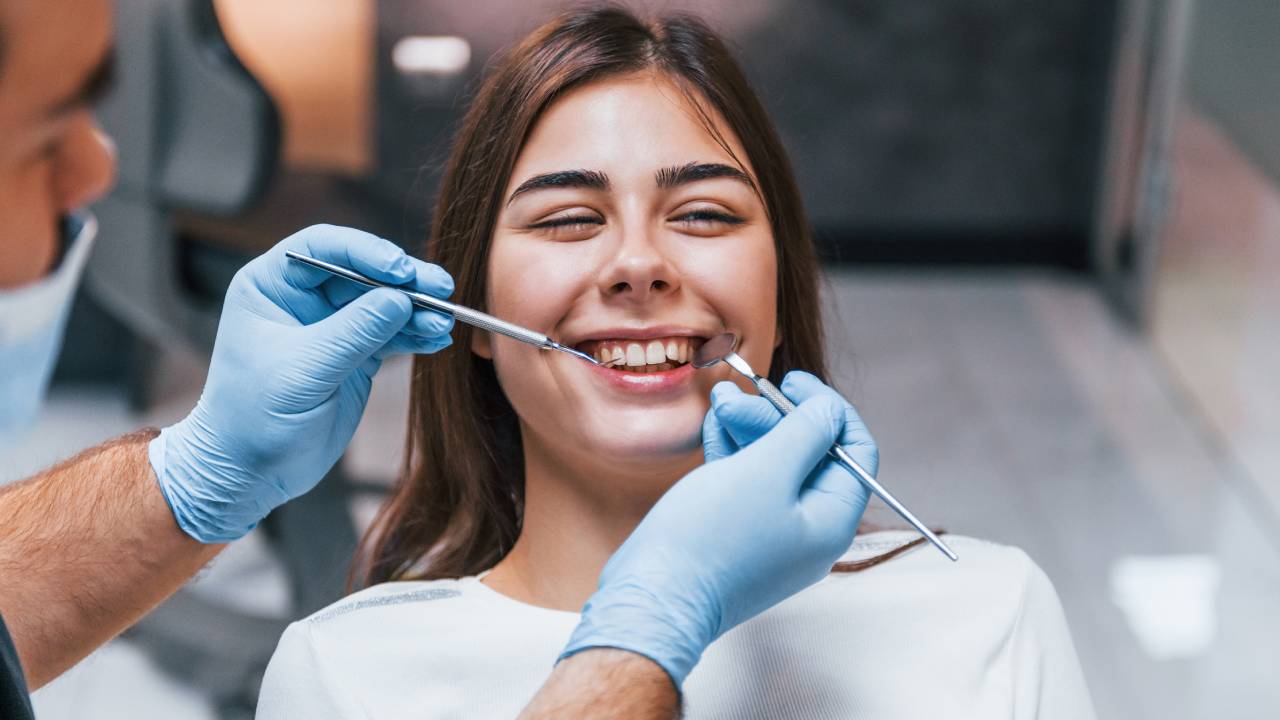
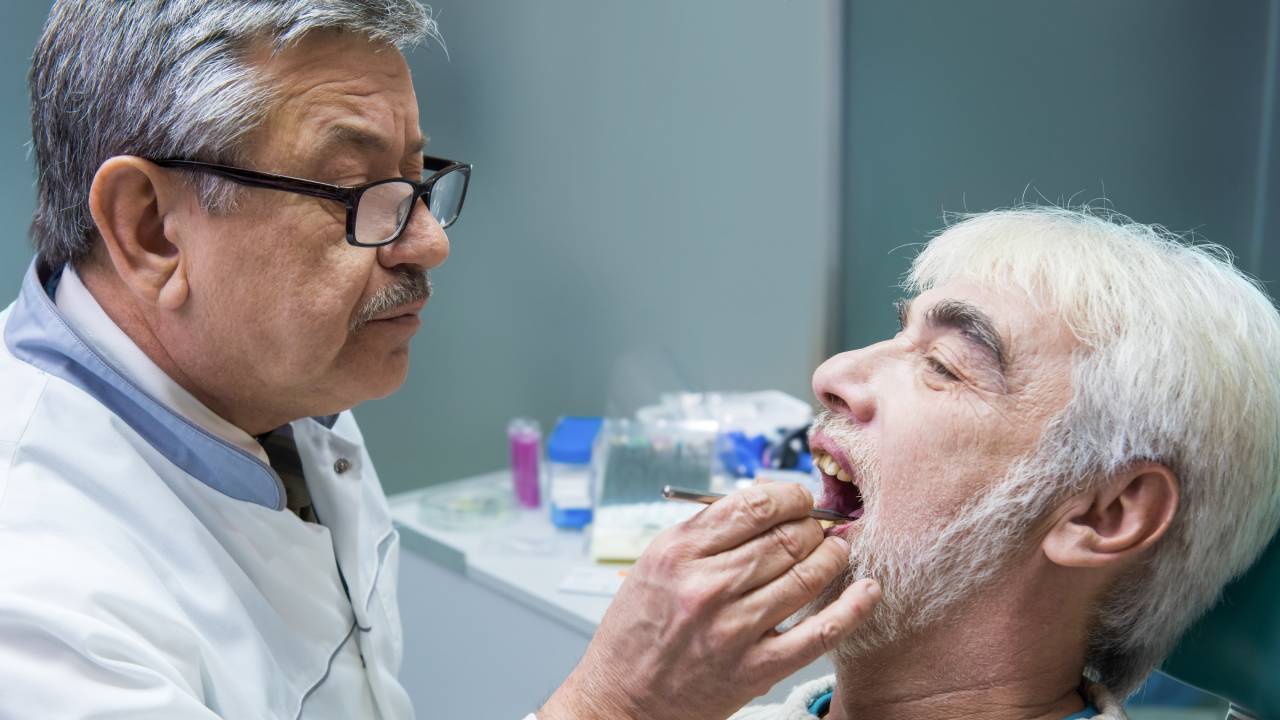
Your comprehensive dental exam is the foundation of your preventive plan. During this visit, your dentist carefully evaluates:
- Teeth and existing restorations
- Gums and bone support
- Bite and jaw joint function
- Signs of wear, grinding, or fractures
- Oral soft tissues, including cheeks, tongue, and palate
Modern digital dental x rays are used to view areas that cannot be seen with the naked eye, such as early cavities between teeth, bone loss from gum disease, and problems around old fillings or crowns. Digital imaging typically uses less radiation than traditional film and offers clear, fast results so your dentist can explain what they see and what it means for your long term oral health.
If you are new to the practice or returning after a long break, a new patient dental exam gives you a thorough baseline so changes can be tracked over time.
Professional cleanings and dental hygiene appointments
A regular dental hygiene appointment goes beyond what you can do at home with a toothbrush and floss. As plaque sits on your teeth it hardens into tartar, which you cannot remove on your own. This buildup irritates your gums and contributes to periodontal disease, a condition that affects more than 60 percent of adults over 65 and is a major cause of tooth loss and systemic complications.
During your visit with a tooth cleaning dentist, you can expect:
- Careful removal of plaque and tartar above and below the gumline
- Polishing to reduce surface stains and smooth teeth
- Evaluation of your brushing and flossing technique
- Personalized recommendations for home care tools that fit your dexterity and comfort
For many seniors, traditional flossing becomes challenging due to arthritis or limited hand movement. In these cases, your dentist may recommend electric toothbrushes, grip aids, floss holders, or water flossers to keep your teeth and gums as clean as possible at home.
Preventing dry mouth, cavities, and gum disease
Three of the most common issues in senior dental care are dry mouth, tooth decay, and periodontal disease. With the right mix of professional services and daily habits, you can prevent many problems before they become painful or costly.
Managing dry mouth and medication side effects
Dry mouth, or xerostomia, is very common in older adults and is often a side effect of medications or chronic conditions. It can make tasting, chewing, swallowing, and talking more difficult, and can increase your risk of cavities and bad breath. Reduced saliva allows more plaque and bacteria to build up and makes your teeth more vulnerable to decay at any age.
Your dentist can help you manage dry mouth by:
- Reviewing your medications and coordinating with your physician if needed
- Suggesting saliva stimulating products such as sugar free lozenges or specific gels
- Recommending alcohol free mouth rinses and gentle toothpaste
- Adjusting your preventive plan with more frequent cleanings or fluoride support
Discussing any changes in your mouth, even if they seem small, helps your dental team adjust your care before problems escalate.
Fluoride treatments for stronger teeth
Fluoride is not just for children. Seniors benefit significantly from in office fluoride treatment for adults, especially if you have exposed roots, dry mouth, or a history of frequent cavities. Professional fluoride strengthens weakened enamel and helps remineralize early decay so it does not progress to a full cavity.
If you have grandchildren, you can coordinate your visit with theirs so they can receive fluoride treatment for kids and dental sealants for children while you receive your own preventive services. This makes it easier for your whole family to see the dentist regularly and supports healthy habits across generations.
Gum disease prevention and maintenance
With age, gum disease risk increases, especially if you have diabetes, take certain medications, or smoke. Gum disease in seniors can be worsened by drugs used for heart conditions, antidepressants, hormonal changes like menopause, and alcohol use. Over time, untreated periodontal disease can lead to tooth loss and contribute to other systemic health concerns.
Preventive strategies often include:
- Regular routine dental checkups and cleanings
- Deeper cleanings if gum pockets are present
- Tailored home care instructions and tools
- Ongoing monitoring of gum measurements and bone levels
If you already have sensitive or painful teeth, a dentist for sensitive teeth can identify whether your discomfort is caused by gum recession, enamel wear, grinding, or another issue, and create a cavity prevention treatment plan that fits your sensitivity level. For preventive focused support, you can also ask about a customized preventive dental care plan.
Preventive senior dental care services are typically far more comfortable and cost effective than waiting until you need emergency treatment. A small amount of time now can save you from more complex procedures later.
Screening for oral cancer and other serious issues
Oral cancer risk increases with age, especially if you have a history of tobacco use, heavy alcohol use, or prolonged sun exposure to your lips. Many cases start as small, painless spots that are easy to overlook at home.
The importance of regular oral cancer screening
An oral cancer screening dentist examines your lips, tongue, cheeks, gums, and throat for any signs of abnormal changes. This quick screening is typically included as part of your dental exam and cleaning.
Persistent oral sores or color changes can be a serious concern in older adults. If left untreated, some lesions may progress to oral cancer and can even lead to eating difficulties or anorexia, which impacts overall health and nutrition. Early detection gives you more treatment options and better outcomes.
Monitoring changes in seniors with cognitive decline
Older adults living with dementia or Alzheimer’s disease are especially vulnerable to undetected dental pain. They may not be able to clearly describe discomfort, which can lead to frequent untreated toothaches and infection.
If you are a caregiver, regular comprehensive dental exams for your loved one can help identify issues early. The dental team can also show you how to support daily hygiene in a way that is manageable for both of you.
Adapting senior care for comfort and mobility
The best senior dental care services recognize that mobility, dexterity, and anxiety can all change with age, and they adapt appointments accordingly. Your comfort and dignity remain central at every visit.
Gentle care for anxious or nervous patients
If you feel anxious about dental visits, you are not alone. Many adults, including seniors, avoid care for years because of fear or past negative experiences. At Total Smiles of Leland, a gentle dentist for anxiety can walk you through each step of the visit and offer simple relaxation strategies.
A dentist for nervous patients can also:
- Break longer treatments into shorter, more manageable visits
- Use hand signals so you feel in control if you need a break
- Provide detailed explanations so you know what to expect
- Offer numbing options that are appropriate for your health history
Starting with an affordable dental checkup is often a low pressure way to reintroduce yourself to consistent care in a calm, understanding setting.
Working around physical limitations
Rheumatoid arthritis, back problems, and other mobility issues can make both home care and office visits more challenging. Dental teams who focus on seniors are trained to adjust treatment positions and appointment flow to reduce strain and discomfort.
Your dentist may suggest:
- Shorter visits with more frequent breaks
- Cushions or neck supports in the dental chair
- Adaptive tools to help you brush and floss without pain
- Written or visual instructions you can reference at home
If you already see an adult dental care provider at Total Smiles of Leland, you can discuss any new challenges you are facing so your care plan can be adjusted as your needs evolve.
Coordinating care for every generation in your family
One of the advantages of choosing a family focused practice is that your entire household can receive coordinated preventive care in one place. This makes it easier to keep track of appointments, share what works, and model healthy habits for younger family members.
You might bring your grandchild for a dentist for kids first visit while you schedule your own dental hygiene appointment. Your teen can get guidance on prevent cavities dentist strategies and cavity prevention treatment, while you receive senior specific fluoride and gum disease monitoring.
If you are new to the area or looking for a family dentist accepting new patients, choosing a single family dental office for all ages keeps care consistent and organized. Everyone in your family benefits when preventive visits become a normal, expected part of life.
When and how often seniors should schedule visits
Most seniors benefit from seeing the dentist at least twice a year for exams and cleanings. However, if you have diabetes, gum disease, dry mouth, multiple medications, or complex dental work, your dentist may recommend visits more often.
Preventive guidelines for seniors often include:
- Biannual checkups with x rays and cleanings to reduce plaque, gingivitis, and cavities cost effectively
- Daily brushing with ADA approved fluoride toothpaste, plus flossing or alternative interdental cleaning
- Consistent communication about changes in your mouth, medications, or health conditions
If it has been more than a year since your last visit, starting with a new patient dental exam at Total Smiles of Leland is a simple first step. From there, your dentist will help you build a realistic plan that fits your health, schedule, and budget.
Take the next step toward healthier aging
Senior dental care services give you more than a brighter smile. They help you eat comfortably, speak clearly, and lower your risk of serious health issues linked to gum disease and tooth loss. With the global population of adults over 65 expected to more than double to 1.5 billion by 2050, expert, accessible elderly dental care is becoming increasingly important for long term quality of life.
If you are ready to prioritize your oral health, you can:
- Schedule an affordable dental checkup or dental exam and cleaning
- Ask about a personalized preventive dental care plan focused on your age, health, and goals
- Bring a family member along and take advantage of Total Smiles of Leland as your family dentist accepting new patients
With the right preventive services and a supportive team, you can keep your teeth and gums healthier for years to come.