Why ignoring a cavity is risky
If you are wondering what happens if you ignore a cavity, you are not alone. Mild tooth pain, a small dark spot, or sensitivity that comes and goes can be easy to brush off. You might hope the problem will settle down on its own or that you can delay treatment until it is absolutely necessary.
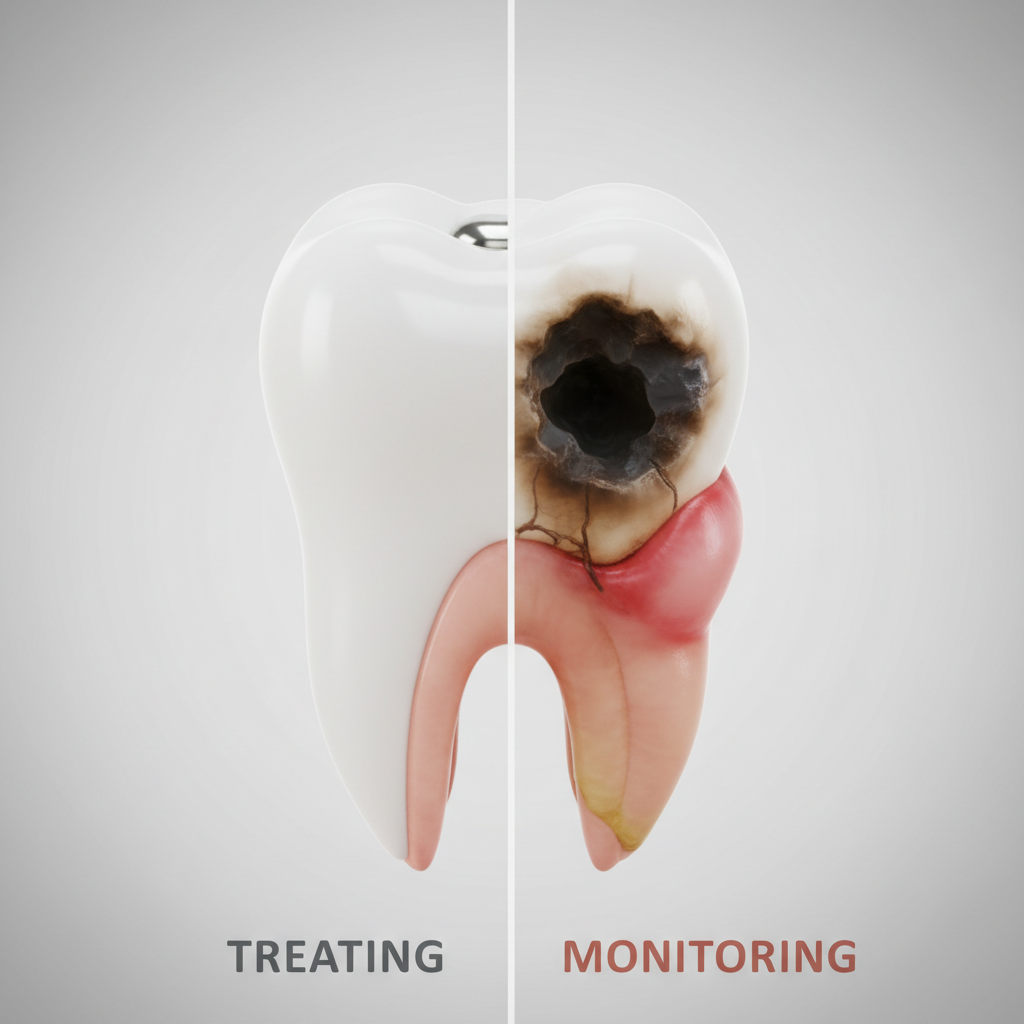
Cavities do not improve without care. Tooth decay is an active infection that slowly eats through the layers of your tooth. When you ignore a cavity, it progresses from a small, easily treated problem to a painful, sometimes urgent condition that can affect your overall health and your wallet.
Understanding how cavities develop, how pain changes over time, and when you should seek treatment can help you protect your teeth and avoid more complex procedures later.
How a cavity starts and progresses
A cavity begins long before you feel pain. Oral bacteria feed on sugars and starches in your diet and produce acids that soften and dissolve your tooth enamel. Over time, this process creates a permanent hole in the tooth surface. This is the point at which you have a true cavity, not just early demineralization.
At first, decay is limited to the enamel. You may notice a small white or brown spot, or nothing at all. As bacteria continue to work, the cavity grows and reaches the underlying dentin, the softer inner layer of the tooth. Once decay hits dentin, damage accelerates and sensitivity often begins to appear [1].
If you still ignore the cavity, decay advances toward the pulp, which contains nerves and blood vessels. Several sources note that untreated cavities can reach the nerve within about 3 to 6 months in some cases, especially when oral hygiene is poor and sugary foods are frequent [2]. Once the pulp is involved, pain often becomes severe, and more invasive treatment is usually required.
Regular checkups are important because cavities often develop without obvious symptoms in the beginning [3]. Early detection allows for simpler and less costly care.
Early warning signs you should not ignore
You might be unsure whether what you feel is serious enough to see a dentist. Paying attention to early changes can help you decide. Common early signs include:
- Sensitivity to hot, cold, or sweet foods and drinks
- Mild discomfort when biting or chewing in one area
- A visible pit, hole, or dark spot on a tooth
- Food regularly packing between specific teeth
- Occasional bad taste or bad breath that does not resolve with brushing
To understand these symptoms in more detail, it helps to review the difference between tooth sensitivity vs cavity. Sensitivity alone can come from exposed roots or worn enamel, but when sensitivity is focused on one tooth or keeps recurring, it can be a sign that decay is starting.
These subtle symptoms are also common signs you need a dental filling. At this stage, treatment is usually quick, more comfortable, and much less expensive than what may be needed if you delay.
What happens if you wait too long
If you ignore a cavity, the consequences build over time. The longer you wait, the more layers of the tooth are destroyed and the more likely you are to experience complications.
Increasing pain and sensitivity
As decay moves from enamel into dentin and then the pulp, you can expect pain to change in intensity and pattern:
- Mild, occasional twinges turn into sensitivity every time you eat or drink something hot, cold, or sweet
- Sensitivity may linger for longer and become a dull ache
- Pain can start to wake you up at night or throb without any trigger
- Biting or chewing on that tooth can feel sharp or intense [4]
Persistent pain usually means decay has moved into deeper layers of the tooth and the nerve is being affected [1]. At this point, a simple filling is less likely to be enough.
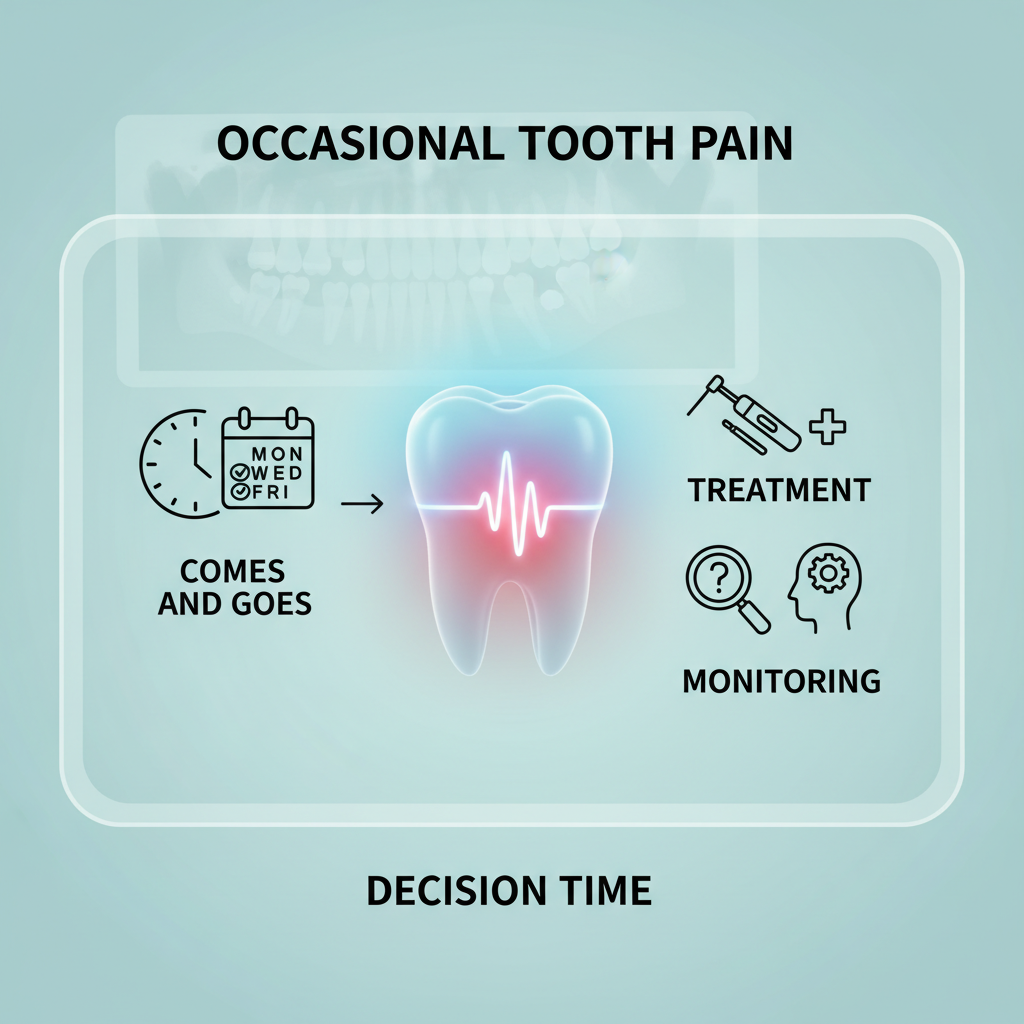
If you are noticing tooth pain that comes and goes, that pattern is a sign that something is changing inside the tooth and should be evaluated, even if the pain is not constant yet.
Infection and abscess formation
Ignoring a cavity also increases your risk of a tooth abscess. As bacteria reach the pulp, infection can form inside the tooth and then spread to the tip of the root, creating a pocket of pus in the bone.
Tooth abscesses can cause:
- Severe, throbbing toothache
- Swelling in your face or gums
- Fever or feeling unwell
- Difficulty chewing or opening your mouth
- A bad taste or drainage in your mouth
Several sources emphasize that abscesses are dental emergencies. In severe cases, infection can spread beyond the mouth to other parts of the body and can even be life threatening if not treated promptly [5]. Abscesses almost never resolve on their own and require urgent dental care.
Tooth loss and structural damage
As decay deepens, the tooth structure becomes weak and brittle. Over time, this can lead to:
- Cracking or chipping of the tooth
- Portions of the tooth breaking off during eating
- The need for extensive repair or possible extraction
If you ignore a cavity long enough, you can lose a large portion of the tooth and may reach a point where extraction is the only option [6]. Tooth loss affects your bite and jaw alignment, and it can make chewing difficult, which often leads to more complex restorative work such as bridges, implants, or dentures [7].
If you also have unexplained discomfort when biting, it is worth reviewing cracked tooth symptoms and asking your dentist to check for fractures, since decay can weaken the tooth to the point of cracking.
Effects on your overall health
Cavities are not just about your teeth. When decay progresses unchecked, bacteria and inflammation can affect your whole body.
Untreated cavities can cause infections that may enter the bloodstream and potentially contribute to systemic health problems, including heart disease [7]. Gum disease related to neglected decay can also lead to bone loss and tooth loss over time [4].
Even in children, untreated cavities can cause serious and lasting complications, which underscores that cavities at any age deserve attention and timely care [3].
Day to day, lingering mouth infections affect your quality of life. Pain, difficulty chewing, and chronic bad breath from bacterial buildup can limit what you eat, impact your confidence, and interfere with sleep and work [8].
When you treat a cavity early, you are not only protecting one tooth. You are reducing your overall infection burden and protecting your general health.
How ignoring a cavity affects treatment options
One of the most important reasons not to ignore a cavity is that your options change dramatically as decay progresses.
From simple filling to complex procedures
In the earliest stages, decay may be reversible with fluoride and improved home care. Once a true cavity has formed, a filling is usually needed. At that point, treatment is still relatively simple and cost effective [1].
If you allow the cavity to deepen, you move from:
- Small filling
to - Large filling or crown
to - Root canal therapy plus crown
to - Tooth extraction and replacement
Multiple sources highlight that the longer a cavity is left untreated, the more severe and costly the treatment becomes, often escalating from minor fillings to crowns, root canals, and extractions [9].
If you want to better understand where you might be on this spectrum, our guide on how to know if cavity is serious can help you recognize red flags that suggest more advanced decay.
When a root canal becomes necessary
A root canal is usually recommended when decay or injury has damaged the pulp to the point that it cannot heal on its own. Symptoms that can signal this stage include:
- Spontaneous, throbbing pain
- Pain that keeps you up at night
- Sensitivity that lingers long after hot or cold exposure
- Swelling or a pimple-like bump on the gum near the tooth
When you delay seeing a dentist until pain is severe, you increase the likelihood that when is a root canal necessary will apply to your situation. A timely filling is almost always simpler, faster, and less invasive than a root canal plus crown.
The financial impact of waiting
Cost is a common reason people delay treatment. However, ignoring a cavity usually raises your long-term costs. Early care typically involves a filling and routine visits. Late care can mean:
- Emergency appointments
- Antibiotics and pain medications
- Multiple visits for root canals or crowns
- Surgical extractions and tooth replacement
Neglecting a cavity tends to turn a minor fix into a major investment, both in time and money [10].
Common reasons people delay cavity treatment
If you have been putting off care, you may recognize yourself in some of these reasons. Understanding them can help you move toward a healthier decision.
Fear and anxiety
Dental anxiety is one of the most common reasons people ignore cavities. You might worry about pain during treatment, feel embarrassed about the condition of your teeth, or have had a negative experience in the past.
Research highlights that fear of dental treatment is a frequent cause of delay, and that sharing your concerns with your dentist can help you find options that feel manageable [11]. Many practices offer gentle techniques, clear explanations, and, when appropriate, sedation options to make treatment more comfortable.
“It does not hurt that much yet”
Mild or intermittent symptoms are easy to overlook, especially if you are busy. However, cavities can progress without pain, and by the time you have consistent discomfort, the decay is often advanced [12].
If you notice recurring sensitivity, food trapping, or occasional pain, it is better to treat the issue while it is still minor. Remember that why does my tooth hurt when i chew can have multiple causes, including cavities and cracks, and all of them benefit from early diagnosis.
Hoping it will heal on its own
You might wonder, can a cavity heal on its own. Very early enamel changes can sometimes be remineralized with fluoride and excellent home care. Once a cavity has formed and there is a hole in the tooth, the damage cannot reverse on its own and requires professional treatment [1].
Continuing to wait after a true cavity has formed gives bacteria more time to destroy tooth structure and move into deeper layers.
When you should see a dentist
You should schedule a dental evaluation promptly if you notice:
- New or worsening sensitivity to hot, cold, or sweet foods
- Pain when you bite or chew in a specific area
- A visible hole, pit, or dark spot that seems to be growing
- Persistent bad breath or a bad taste in your mouth
- Swelling, redness, or a pimple-like bump on your gums
- Tooth pain that wakes you up or does not respond to over-the-counter pain relievers
These are clear signs that decay may be progressing and that professional care is needed to prevent complications [8].
If you are early in the process and mainly curious about options, learning about early cavity treatment options can help you feel more prepared before your visit.
How to reduce your risk going forward
Prevention is always easier than treatment. You can lower your risk of future cavities and avoid facing the same dilemma again by focusing on a few consistent habits.
- Brush twice daily with a fluoride toothpaste and floss once per day
- Limit frequent snacking on sugary or starchy foods
- Drink water regularly, especially between meals
- Visit your dentist every six months, or as recommended, for cleanings and exams [13]
- Ask your dentist about fluoride treatments or sealants if you are prone to cavities
If you keep up with regular checkups, your dentist can identify small issues before they cause pain or require more extensive work. This proactive approach helps you maintain comfort and protect your long-term oral health.
Taking the next step
If you have been wondering what happens if you ignore a cavity, you now know that waiting rarely helps and often makes things more complicated. Cavities start quietly but can progress to pain, infection, tooth loss, and higher costs if you delay treatment.
If you are noticing early signs or are unsure whether your symptoms are serious, booking an evaluation before the pain becomes severe is the safest choice. Your dentist can confirm what is happening, explain your options, and help you choose a treatment plan that fits your needs and priorities.
Addressing a cavity early is a simple step that protects your smile, your comfort, and your overall health.
References
- (Cleveland Clinic)
- (Enamel Dental Centre, Emergency Dental Clinics)
- (Mayo Clinic)
- (The Smilist)
- (Cleveland Clinic, Emergency Dental Clinics, The Smilist)
- (Cleveland Clinic, Abundant Dental Care)
- (McConnell Dental Care)
- (McConnell Dental Care, Abundant Dental Care)
- (McConnell Dental Care, Village Dental, The Smilist)
- (McConnell Dental Care, Village Dental)
- (Enamel Dental Centre)
- (Emergency Dental Clinics)
- (Mayo Clinic, Abundant Dental Care)