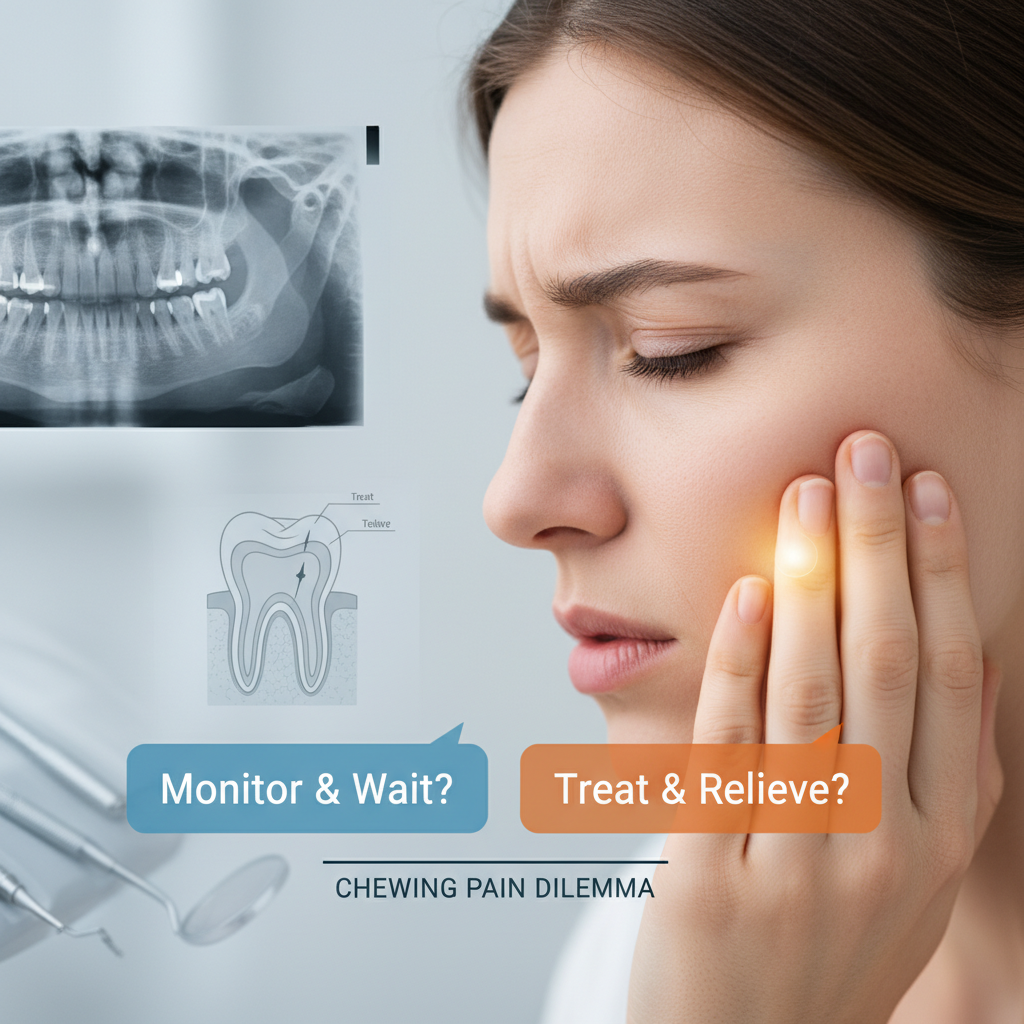
Understanding why your tooth hurts when you chew
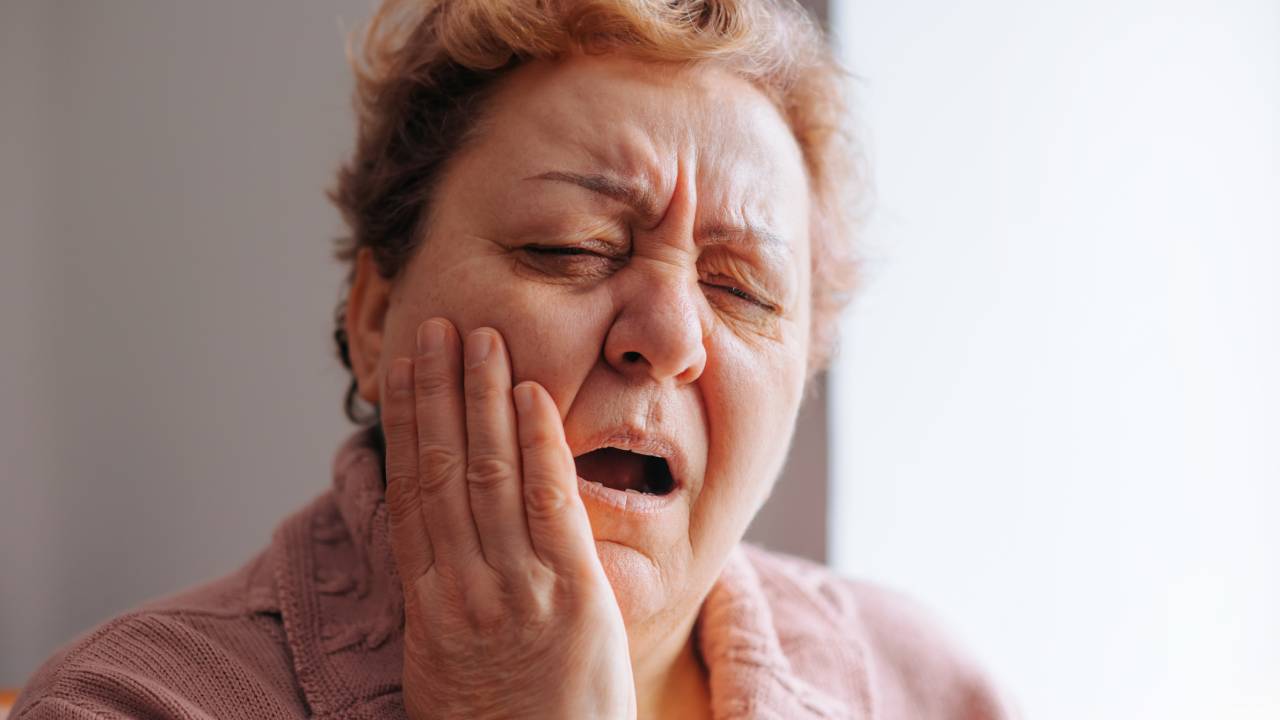
If you are asking yourself, “why does my tooth hurt when I chew,” your body is telling you something is not right. Pain with biting or chewing is rarely normal and usually points to a problem that needs attention, even if the pain is mild or comes and goes. Chewing pain can be related to early cavities, old fillings, gum problems, cracked teeth, or even issues with your jaw or sinuses.
The challenge is knowing when you can monitor it for a short time and when you need treatment as soon as possible. By understanding the most common causes of chewing pain, you can make a more informed decision about when to schedule an evaluation and how urgent it might be.
How chewing pain feels and what it can mean
Tooth pain when chewing does not always feel the same. Paying close attention to what you feel can give useful clues about the cause.
You might notice:
- A sharp, stabbing pain when you bite on one specific spot
- A dull ache or pressure that builds as you chew
- Sensitivity to hot, cold, or sweet foods along with chewing pain
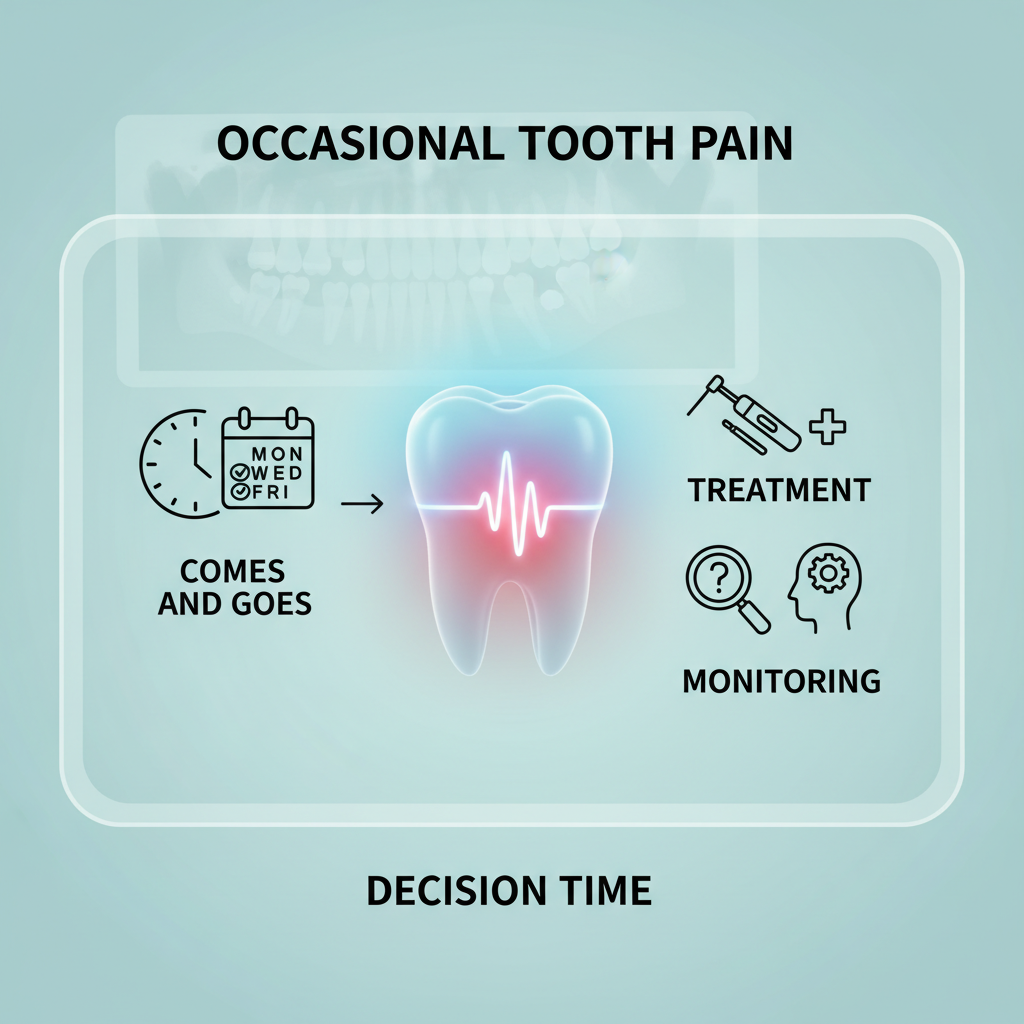
- Pain that comes and goes during the day
- Pain in your upper back teeth that feels like pressure when you chew, especially when you have sinus congestion
Any of these patterns can be related to cavities, cracked teeth, inflamed tooth nerves, gum problems, or jaw joint issues. Chewing pain that keeps recurring is usually a sign that something is changing inside the tooth or around it, and that change is very unlikely to fix itself on its own [1].
Common causes of tooth pain when chewing
Several different dental problems can create pain when you bite down. Many of them start small and are easier and less expensive to treat if you address them early.
Tooth decay and cavities
Tooth decay is one of the most frequent reasons your tooth hurts when you chew. A cavity creates a hole in the enamel and dentin, the harder outer layers of your tooth. When decay gets deep enough, chewing pressure pushes on the softened area and irritates the sensitive inner layers, which leads to discomfort or sharp pain [2].
Larger cavities can also trap food. Each time you bite down, that trapped food presses against the tooth nerve and causes painful flare ups, especially after sweets or sticky foods [3].
If you are trying to understand whether your symptoms point to decay, you may find it helpful to review the signs you need a dental filling and how to tell how to know if cavity is serious.
Cracked or fractured tooth
A crack in your tooth can be very small and still cause significant pain. When you bite down, that crack can flex slightly. This tiny movement irritates the inside of the tooth and creates sharp, often very localized pain [2].
A cracked tooth often:
- Hurts mainly when you release biting pressure
- Is difficult to see on X rays
- May cause pain only on certain foods or when you chew on one side
- Might be associated with a history of biting on something hard or grinding your teeth
Because cracks can spread over time and may lead to the need for a root canal or even extraction if ignored, a prompt dental examination is recommended if you suspect this issue [4]. You can learn more about specific warning signs in our guide to cracked tooth symptoms.
Worn or cracked fillings and dental work
If you have older fillings or crowns, they can wear down, crack, or lose their proper shape over time. A worn or cracked filling can:
- Expose sensitive tooth structure
- Allow bacteria and food to seep under the filling
- Cause parts of the tooth to flex when you chew
These changes often lead to pain during chewing. Grinding your teeth or chewing hard items like ice can speed up that wear and tear [5]. In many cases, replacing a damaged filling is a straightforward procedure that prevents further damage and more extensive treatment later.
Gum recession and exposed roots
If your gums recede, the root of the tooth can become exposed. Tooth roots do not have enamel, so they are more sensitive to temperature and pressure. Chewing on areas with exposed roots can produce sharp or lingering pain, even without a cavity on that part of the tooth.
Gum recession and early gum disease can often be managed with professional cleanings and improved home care. In more advanced cases, deep cleaning and other periodontal treatments may be needed to reduce sensitivity and protect the tooth from infection [6].
Dental abscess or infection
A dental abscess is a pocket of infection at the root of the tooth or in the surrounding gum. Abscesses typically develop from untreated cavities or advanced gum disease. Pressure from chewing can squeeze the infected area and create intense, sharp pain.
You may also notice:
- Swelling of the gum or face
- Redness around the tooth
- A bad taste or salty fluid if the abscess drains through a small pimple like opening on the gum
- Pain that varies from day to day as fluid builds and drains [7]
Dental abscesses do not heal on their own. They usually require treatment such as a root canal or, in some cases, extraction to remove the source of infection [1].
Bite problems and “high” fillings or crowns
If a tooth, filling, or crown is even slightly higher than the surrounding teeth, it can hit too hard when you bite. This is called a “high” spot. It causes uneven pressure, which can inflame the ligament that holds the tooth in its socket.
You might notice:
- Soreness or bruised feeling in one tooth when you bite
- New pain shortly after getting a filling or crown
- Difficulty finding a comfortable way to close your teeth together
These problems are usually easy to correct with a bite adjustment. Your dentist can gently reshape the high area so your bite feels even again [8].
Clenching, grinding, and TMJ problems
Grinding or clenching your teeth, especially at night, places extra stress on your teeth, jaw muscles, and jaw joints. Over time this can:
- Wear down enamel
- Cause microcracks in teeth
- Strain the ligament around teeth
- Irritate the temporomandibular joint (TMJ)
These stresses can lead to soreness when chewing, jaw stiffness, and sometimes clicking or popping sounds when you open or close your mouth [2]. Night guards and bite therapy can often reduce these symptoms and protect your teeth.
Sinus issues that feel like tooth pain
Sometimes pain that feels like it is in your upper teeth actually comes from your sinuses. The roots of your upper premolars and molars sit close to the sinus cavities. When your sinuses are inflamed or congested, chewing can increase that pressure and create discomfort that mimics tooth pain.
Sinus related tooth pain usually:
- Affects several upper back teeth at once
- Is associated with a stuffy nose or head cold
- Does not affect your lower teeth [3]
Even if you suspect a sinus problem, it is still a good idea to have your teeth examined if the pain persists or feels different than past sinus pressure.
When you can monitor and when you should treat
You may be wondering whether you can wait and see if the pain settles down or if you should schedule a visit right away. While a proper diagnosis always requires an exam, there are general patterns that can help you decide.
Situations you might monitor briefly
Short term, mild symptoms sometimes improve on their own, especially if they relate to minor irritation rather than structural damage. For example, you might watch symptoms for a day or two if:
- You notice a mild ache after biting something very hard, but there is no obvious crack or broken piece
- Your gums feel slightly sore after you floss more thoroughly than usual
- You have had recent dental work and notice very light sensitivity that is gradually improving
Temporary gum irritation, for example, often resolves within a day or two without professional treatment [9]. However, if the pain persists beyond that, worsens, or is clearly triggered by chewing or temperature, you should not continue to wait.
If your pain seems to come and go without a clear pattern, that can actually be an early sign that something inside the tooth is changing. You can read more about this pattern in our article on tooth pain that comes and goes.
Situations that call for timely evaluation
In many cases, chewing pain is a sign that a cavity or crack is progressing. You should schedule a dental evaluation soon, rather than waiting, if:
- You have a sharp pain every time you chew on a certain tooth
- You can see a dark spot, hole, or crack in the tooth
- Pain is triggered by sweets, hot drinks, or cold air
- Your pain has been present for more than a few days, even if it is mild
- Biting on the tooth feels different or “high” compared to other teeth
Early evaluation gives you more options. Small cavities can often be treated with simple fillings. You can learn more about what to expect from early cavity treatment options and why it helps to act promptly rather than wait.
Red flag symptoms that are urgent
Some symptoms mean you should seek care as soon as possible, often the same day or at an emergency clinic if your regular dentist is unavailable. These include:
- Severe, throbbing tooth pain that keeps you awake at night
- Swelling in your face, cheek, or jaw
- Fever, chills, or feeling generally ill along with tooth pain
- Difficulty opening your mouth or swallowing
- A pimple like bump on the gum that drains pus or bad tasting fluid
Unbearable tooth pain with fever and chills can indicate a serious infection that may spread to other parts of your body, including your bloodstream or brain. This is a dental emergency that requires immediate attention [9].
How early treatment protects your tooth
Chewing pain is often your first clear warning that decay or damage is reaching deeper layers of the tooth. Treating the problem early can help you avoid more extensive and costly procedures.
Fillings and early decay
When decay is limited to the outer layers of your tooth, a filling is usually the recommended treatment. The decayed area is removed, and the space is filled with a dental material that restores the tooth’s function and prevents bacteria from advancing further.
If you are wondering whether a filling will be enough or if the cavity is already advanced, reviewing how to know if cavity is serious and what happens if you ignore a cavity can help you understand what is at stake.
When a root canal might be needed
If decay or a crack reaches the pulp, the inner tissue that contains the nerve and blood supply, the tooth can become infected or severely inflamed. At this stage, you may experience:
- Spontaneous pain that does not require chewing to start
- Lingering sensitivity to hot or cold
- Swelling or a pimple on the gum
- Pain when you bite that feels deep and intense
Root canal treatment removes the damaged pulp tissue, disinfects the inside of the tooth, and seals it to prevent further infection. This procedure can be very effective at relieving chewing pain caused by nerve inflammation or infection [10]. Our guide on when is a root canal necessary explains this in more detail.
In many cases, timely root canal therapy allows you to keep the tooth that might otherwise require extraction.
Why cavities rarely “heal” once they hurt
You might wonder, “Can I just wait and see if this cavity heals?” Early enamel changes can sometimes be stopped or even remineralized with excellent home care and fluoride, especially if they are not yet cavities that have broken through the tooth surface. However, once decay has formed an actual hole, your body cannot rebuild that missing structure.
Pain when chewing usually appears when decay is already affecting the inner layers of your tooth. At that stage, monitoring alone is not enough. To understand more about what is possible and what is not, you can visit our article on can a cavity heal on its own.
Distinguishing tooth sensitivity from a cavity
Chewing pain sometimes gets confused with general sensitivity. While both can feel similar, they often have different patterns and causes.
As a simple comparison:
| Symptom pattern | More typical of sensitivity | More typical of cavity or structural problem |
|---|---|---|
| Quick, sharp pain that stops within seconds after cold exposure | Yes | Possible but less common |
| Pain only to very cold drinks or air, no chewing pain | Yes | Less likely on its own |
| Pain to sweets or pressure when chewing | Less common | Very common |
| Visible hole, chip, or crack | No | Yes |
| Pain slowly getting worse over time | Sometimes | Frequently |
Our in depth guide on tooth sensitivity vs cavity can help you sort through these differences in more detail. However, any pain that consistently occurs with chewing deserves a professional evaluation so that you do not miss early signs of a more serious problem.
What you can do while you wait to see a dentist
If you have scheduled an appointment but still need to manage discomfort in the meantime, there are a few steps you can take. These are temporary measures and not a substitute for treatment, but they can make you more comfortable.
You can:
- Avoid chewing on the side that hurts
- Choose softer foods that require less pressure
- Use over the counter pain relievers such as acetaminophen or ibuprofen as directed, if you are medically able to take them
- Rinse gently with warm salt water to soothe irritated gums
Over the counter pain medicine can reduce discomfort while you wait to be seen. However, antibiotics alone, even if prescribed, only temporarily relieve infection symptoms. They do not cure the underlying dental issue that is causing the pain and they do not replace the need for dental treatment [9].
If your pain becomes severe, if you develop swelling, or if you notice fever or chills, do not wait for a scheduled appointment. Seek emergency dental or medical care immediately.
Taking the next step toward relief
Tooth pain when you chew is your body’s way of signaling that something needs attention. Whether the cause is a small cavity, an old filling, gum recession, a cracked tooth, or a deeper infection, addressing it early almost always leads to a better outcome.
If you are unsure how serious your situation might be, reviewing resources on signs you need a dental filling and early cavity treatment options can give you a clearer picture of what to expect. The most important step is to schedule an evaluation before your symptoms progress to constant or severe pain.
By seeking care while your discomfort is still mild or moderate, you give yourself more choices, preserve more of your natural tooth structure, and reduce the likelihood that you will need urgent or emergency treatment in the future.
References
- (Cleveland Clinic, Ballantyne Endodontics)
- (Mack Dental)
- (Parkdale Dental Centre)
- (Poway Modern Dentistry, Parkdale Dental Centre)
- (Poway Modern Dentistry)
- (Poway Modern Dentistry, Mack Dental)
- (Parkdale Dental Centre, Mack Dental)
- (Parkdale Dental Centre, Ballantyne Endodontics)
- (Cleveland Clinic)
- (Ballantyne Endodontics)