Tooth pain that comes and goes can be confusing and easy to ignore, especially if it fades as quickly as it started. However, intermittent tooth pain is often your body’s early warning sign that something is changing in a tooth or in the surrounding gums. Understanding what is causing that pain helps you decide when you can monitor it at home and when you need a dental visit.
In this guide, you explore common causes of tooth pain that comes and goes, how to tell if you are dealing with simple sensitivity or early decay, and when you should schedule an evaluation before the problem becomes more serious.
What “tooth pain that comes and goes” usually means
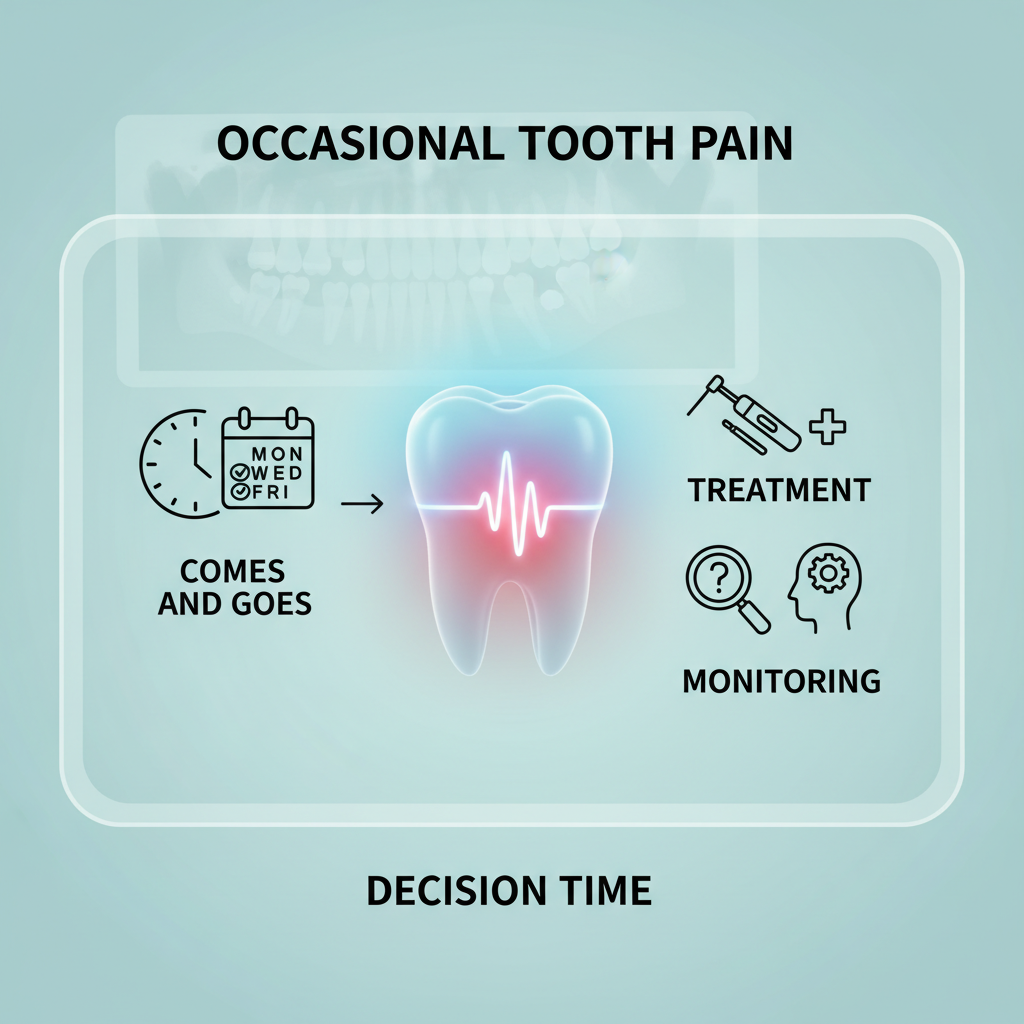
When you feel tooth pain that comes and goes, it usually falls into one of two broad categories:
- Pain triggered by something specific
- Pain that appears and disappears on its own
Paying attention to what sets your pain off, how long it lasts, and what it feels like gives you important clues about the cause.
Triggered vs spontaneous pain
Triggered pain is discomfort that starts when something contacts the tooth. For example, you may notice pain when:
- You drink something hot or cold
- You eat something sweet or acidic
- You bite, chew, or release your bite
Spontaneous pain shows up without a clear trigger. It might wake you up at night, throb randomly during the day, or come with pressure or swelling.
According to the Cleveland Clinic, intermittent pain tied to hot, cold, or sweet foods can point to sensitivity or early decay, while pain that lasts more than a couple of days or is sharp and lingering can indicate a more serious issue such as a cavity, gum disease, or a cracked tooth that needs professional care [1].
Tooth sensitivity as a common cause
One of the most common reasons you feel tooth pain that comes and goes is basic tooth sensitivity.
What is tooth sensitivity
Tooth sensitivity, also called dentin hypersensitivity, occurs when the protective enamel wears down or the gums recede and expose the inner layer of the tooth, called dentin. Dentin contains thousands of tiny tubules that connect directly to the tooth nerve. When hot, cold, sweet, or acidic substances reach this exposed dentin, they can trigger quick, sharp pain that stops when the stimulus is removed [2].
You are more likely to develop sensitivity if you:
- Brush too hard or use a stiff toothbrush that wears away enamel and gums
- Grind or clench your teeth
- Frequently consume acidic foods or drinks
- Have gum recession from gum disease or aging
In many cases, this pain is brief and predictable. For example, you wince with your first sip of ice water, then the discomfort fades within seconds.
When sensitivity is usually safe to monitor
You can often monitor sensitivity at home for a short time if:
- Pain is brief and stops as soon as the hot, cold, sweet, or acidic trigger is gone
- There is no visible hole in the tooth
- You do not see swelling, pus, or a pimple on the gum
- You do not have fever or throbbing pain that keeps you awake
Using a desensitizing toothpaste, switching to a soft-bristled brush, and avoiding extreme temperatures or very acidic foods can reduce symptoms. The Cleveland Clinic notes that desensitizing toothpaste is one of the standard treatments for sensitivity that causes intermittent pain, although you should still seek professional care if it does not improve [1].
If the pain is new, mild, and fits the pattern of sensitivity, you can typically monitor it for a couple of weeks while using these measures. If it does not improve or starts to change, you should schedule an evaluation.
For more detail on how sensitivity and decay compare, you may find it helpful to read about tooth sensitivity vs cavity.
Early cavities and intermittent tooth pain
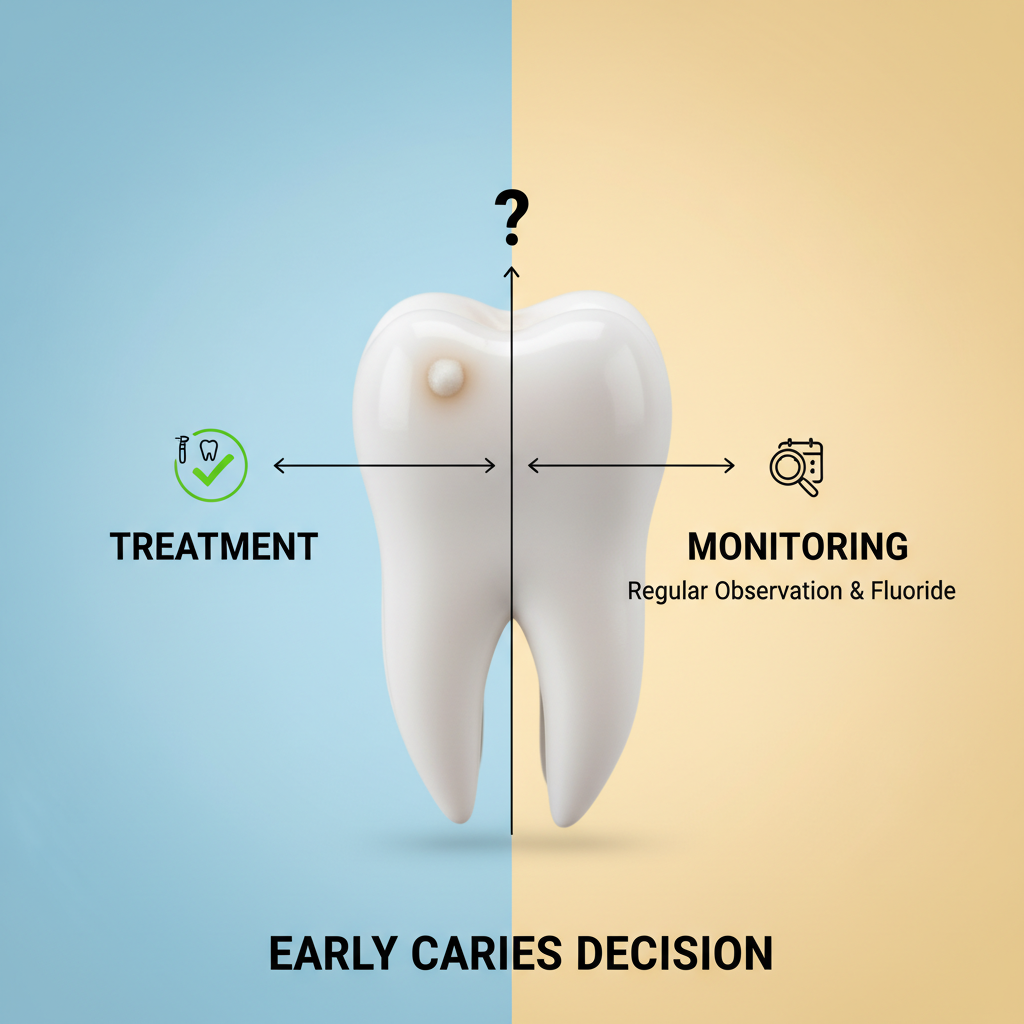
Tooth decay starts small. In the earliest stages, you may only notice discomfort occasionally. This is a key window where simple treatments, such as small fillings, can stop the problem from progressing.
How early cavities feel
In the beginning, a cavity may:
- Hurt only when you eat or drink something sweet, hot, or cold
- Cause a dull ache when you chew in a certain spot
- Feel like a twinge that disappears quickly
Downtown Dental notes that early stage cavities often cause tooth pain that occurs intermittently when hot, cold, or sweet foods contact the area, with pain subsiding after the trigger is removed. Without treatment, this pain tends to become more constant over time [3].
As decay moves deeper into the tooth, your pain usually:
- Lasts longer after a trigger
- Becomes more frequent
- Starts to occur on its own
These changes are strong signs that the decay is worsening.
Signs you may need a filling soon
You should consider an evaluation for a possible filling if you notice:
- A specific tooth that reacts to sweets or cold more than the others
- A visible dark spot, pit, or rough area you can feel with your tongue
- Food getting stuck repeatedly in the same space between teeth
- Pain when chewing on one side of your mouth
If you recognize these signs, review the guide on signs you need a dental filling and schedule a visit. Treating cavities early keeps the procedure smaller and helps you avoid more invasive options later.
You might also wonder can a cavity heal on its own. In general, once decay has broken through the enamel and formed a cavity, the tooth cannot rebuild that structure without professional treatment. Waiting often allows decay to spread toward the nerve, which increases your chances of needing more advanced care.
Gum problems and pain that comes and goes
Your teeth and gums work as a unit, so inflammation in the gums can easily feel like tooth pain.
Gingivitis and early gum disease
Gingivitis is the earliest form of gum disease. It can cause:
- Red, swollen, or tender gums
- Bleeding when you brush or floss
- Mild pain when you chew or touch the gums
As gum disease progresses into periodontitis, the gums can pull away from the teeth. This recession exposes root surfaces and dentin, which can cause intermittent tooth pain similar to sensitivity. Several sources note that gum disease, including gingivitis and periodontitis, can cause tooth pain that comes and goes, often triggered by chewing or brushing, and may be accompanied by swollen or bleeding gums [4].
If your pain is paired with gum bleeding or visible recession, you should not simply monitor it. A professional cleaning and evaluation can stop inflammation from progressing and protect the bone and tissues that support your teeth.
Cracks, chips, and pain when you chew
A cracked or chipped tooth is another common cause of tooth pain that comes and goes.
How a cracked tooth behaves
A crack can be very small and hard to see, but it still moves slightly under pressure. When you bite down, the crack opens and irritates the inner pulp of the tooth, causing:
- Sharp pain when you bite or release your bite
- Pain only when you chew on one side
- Occasional sensitivity to temperature
Pure Dental notes that cracked or chipped teeth can cause dull pain or sensitivity that fluctuates, especially when biting or chewing [5].
If you notice a pattern where biting or chewing triggers pain in the same spot, do not ignore it. A crack can deepen, and bacteria can eventually enter the inner part of the tooth. This is a common path toward infection and root canal treatment.
You may find it helpful to review cracked tooth symptoms if you suspect this problem, as well as why does my tooth hurt when i chew for additional context.
Infections and abscesses that fluctuate
Not all tooth infections cause constant, severe pain at the beginning. Some abscesses cause pain that seems to improve on its own, which can give you a false sense of security.
What a tooth abscess is
A periapical tooth abscess occurs when bacteria reach the dental pulp through a deep cavity, crack, or chip. The pulp becomes inflamed and infected, and pus collects at the root tip [6].
An abscess can cause:
- Severe, throbbing pain
- Pain that radiates to your ear, jaw, or neck
- Sensitivity to hot or cold
- Swelling in the face or gum
- A bad taste in your mouth or drainage
The Cleveland Clinic notes that pain from an abscess may come and go because pain can stop if the infection kills the pulp. Once the nerve dies, you may feel less pain, but the bacteria continue to spread and damage the surrounding bone and tissue [7]. This reduction in pain does not mean the problem has resolved.
Mayo Clinic also reports that if an abscess ruptures and drains, pain may temporarily improve, but dental treatment is still necessary to fully address the infection [6].
Why abscesses are never “wait and see”
A tooth abscess will not heal on its own. It can lead to serious complications such as:
- Spread of infection to the jaw, head, neck, or sinuses
- Systemic infection and, in rare cases, life threatening conditions such as sepsis or bacterial meningitis [8]
If you notice swelling, fever, difficulty swallowing, or severe pain that does not improve, seek emergency dental care or urgent medical attention. While over the counter pain relievers and warm saltwater rinses can reduce discomfort, they do not cure the infection [7].
An abscessed tooth often requires root canal therapy or, in some cases, extraction. If you are wondering when is a root canal necessary, persistent or severe pain, swelling, and signs of infection are strong indicators that you should be evaluated promptly.
Other non dental causes of intermittent tooth pain
Not every toothache comes directly from a tooth. Several other conditions can cause pain that you feel in your teeth.
Sinus infections and pressure
Because the roots of your upper back teeth sit close to the sinus cavities, sinus inflammation can cause dull, throbbing pain that feels like a toothache. This pain often:
- Affects several upper teeth at once
- Worsens when you lean forward or lie down
- Comes with nasal congestion, postnasal drip, or facial pressure
Both Downtown Dental and Pure Dental note that sinus infections can cause intermittent pain in the upper molar area that mimics toothache and often improves as the sinus condition is treated [4].
If you have recent cold or allergy symptoms along with upper tooth pain, a sinus issue may be contributing. Even so, if pain persists after sinus treatment, a dental checkup is a good idea.
Teeth grinding and jaw problems
Bruxism, or grinding and clenching, can wear down enamel, strain the jaw joints, and inflame the ligaments around your teeth. You may notice:
- Soreness in multiple teeth, especially in the morning
- Jaw or facial pain
- Headaches
- Flattened or chipped tooth surfaces
Downtown Dental and Warwick Dental both describe bruxism as a cause of fluctuating tooth pain, since pressure on teeth and jaws magnifies sensitivity and can damage enamel over time [9].
Stress and anxiety can make grinding worse. In many cases, a night guard, stress management, and targeted dental adjustments reduce this type of pain.
When you can monitor vs when you should treat
It can be tempting to “wait and see” when tooth pain comes and goes, especially if cost or time are concerns. However, almost all sources emphasize that intermittent pain usually signals an underlying issue that will not fully resolve without treatment [10].
Situations where short term monitoring is reasonable
You may choose to monitor your symptoms for a short period, about one to two weeks, if:
- Pain is mild and brief
- The trigger is clear, for example, ice water or very cold air
- There is no visible hole, chip, or crack
- Gums are not swollen or bleeding excessively
- There is no fever, facial swelling, or difficulty swallowing
During this time, you can try:
- Switching to a soft toothbrush and gentle brushing technique
- Using a desensitizing toothpaste
- Avoiding very hot, cold, sweet, or acidic foods
- Rinsing with warm saltwater if gums are mildly irritated
If symptoms improve and then stay stable or continue to get better, sensitivity may have been the main concern. Even so, bringing it up at your next checkup allows your dentist to examine for early changes.
Clear signs you need an exam soon
You should schedule an appointment as soon as possible if you notice:
- Pain that lingers for more than a few seconds after a trigger
- Pain that wakes you from sleep
- Increasing frequency or intensity of pain
- Visible dark spots, pits, cracks, or chips in a tooth
- Pain when chewing on one tooth or one side
- Swollen, red, or bleeding gums around a painful area
- Swelling in your face or jaw, fever, or general malaise
These changes suggest that early sensitivity or decay may have progressed into a more serious cavity, crack, or infection. Treating issues at this stage is usually less invasive and more affordable than waiting for a full dental emergency.
Penn Dental Medicine notes that preventive care to address the causes of tooth pain is often less expensive and less painful than emergency treatment later. Delaying can allow infections to spread and contribute to other health problems, including cardiovascular disease, diabetes, and respiratory infections [11].
To better understand how decay progresses and how timing affects treatment choices, you might want to read about how to know if cavity is serious, early cavity treatment options, and what happens if you ignore a cavity.
If tooth pain keeps returning, even if it is mild, it is safer to treat it as a “when” not an “if” problem. Early evaluation lets you choose simple, preventive treatments instead of facing urgent or complex procedures later.
Safe at home comfort measures while you wait
While you are arranging a dental visit, you may want some relief. At home strategies can help manage discomfort temporarily, but they are not substitutes for treatment.
Commonly recommended options include:
- Warm saltwater rinses to help reduce bacteria and soothe irritated gums
- Diluted hydrogen peroxide rinses to decrease plaque and support gum healing, avoiding swallowing the solution [12]
- Over the counter pain relievers such as acetaminophen, ibuprofen, or naproxen, if they are safe for you and do not interact with your medications [7]
- Peppermint tea bag compresses or diluted clove oil applied carefully to the area, which can provide mild numbing and anti inflammatory effects [13]
These methods often reduce pain from mild sensitivity, gum irritation, or early inflammation. However, Colgate and the Cleveland Clinic both emphasize that ongoing or recurring tooth pain requires a dental evaluation to prevent worsening [12].
Taking the next step
Tooth pain that comes and goes is your early opportunity to act before a minor problem turns into a major one. Even if your pain feels manageable, it often points to an underlying issue such as sensitivity, early decay, a crack, gum disease, or the beginnings of an infection.
By paying attention to what triggers your pain, how long it lasts, and how it changes over time, you can better decide when to monitor and when to seek care. If you are unsure, it is always safer to schedule an evaluation. A quick exam and dental X rays can reveal whether a simple filling, desensitizing treatment, or more advanced care is the best way to protect your tooth and your overall health.
References
- (Cleveland Clinic)
- (Cleveland Clinic, Colgate)
- (Downtown Dental Smile)
- (Downtown Dental Smile, Pure Dental)
- (Pure Dental)
- (Mayo Clinic)
- (Cleveland Clinic)
- (Mayo Clinic, Cleveland Clinic)
- (Downtown Dental Smile, Warwick Dental OKC)
- (Cleveland Clinic, Penn Dental Medicine)
- (Penn Dental Medicine)
- (Colgate, Cleveland Clinic)
- (Colgate)