
Why cavity prevention treatment matters
Cavity prevention treatment is one of the most effective ways to protect your smile, avoid dental emergencies, and keep your future care simple and affordable. Instead of waiting for toothaches, infections, or broken teeth, you can partner with a trusted family dentist to stop decay before it starts.
Routine preventive visits help you:
- Catch small problems early, when treatment is easier
- Avoid pain, swelling, and missed days from work or school
- Protect your natural teeth for as long as possible
At Total Smiles of Leland, your cavity prevention treatment is built around regular exams, professional cleanings, and simple in office services like fluoride and sealants, combined with practical at home habits that you can maintain.
How cavities start and how to stop them
Cavities do not appear overnight. Understanding how they form helps you see why consistent prevention really works.
The science behind tooth decay
Every day, a sticky film called plaque builds up on your teeth. Plaque is full of bacteria that feed on sugars and starches in your food. As they digest these sugars, they produce acids that attack your enamel, which is the hard outer layer of your teeth.
Over time, this process can:
- Soften and weaken enamel
- Create tiny demineralized spots
- Progress into a cavity, a permanent hole in the tooth
Early cavities can sometimes be reversed with fluoride and improved home care. Once a hole has formed, it does not heal on its own. It needs to be cleaned out and repaired with a filling.
Risk factors that increase cavity risk
Some factors make you more likely to need cavity prevention treatment, including:
- Frequent snacking or sipping sugary drinks
- Dry mouth, from medications or medical conditions
- Past history of many cavities
- Deep grooves and pits in the chewing surfaces of teeth
- Inconsistent brushing and flossing habits
By sharing your medical history, daily routines, and concerns during your comprehensive dental exam, you help your dentist tailor prevention to your specific risk level.
What is included in cavity prevention treatment
Cavity prevention treatment is not one single procedure. It is a coordinated plan that includes in office care and your daily habits at home.
At a typical dental exam and cleaning, you can expect several key steps that work together to protect your teeth.
Thorough dental examination
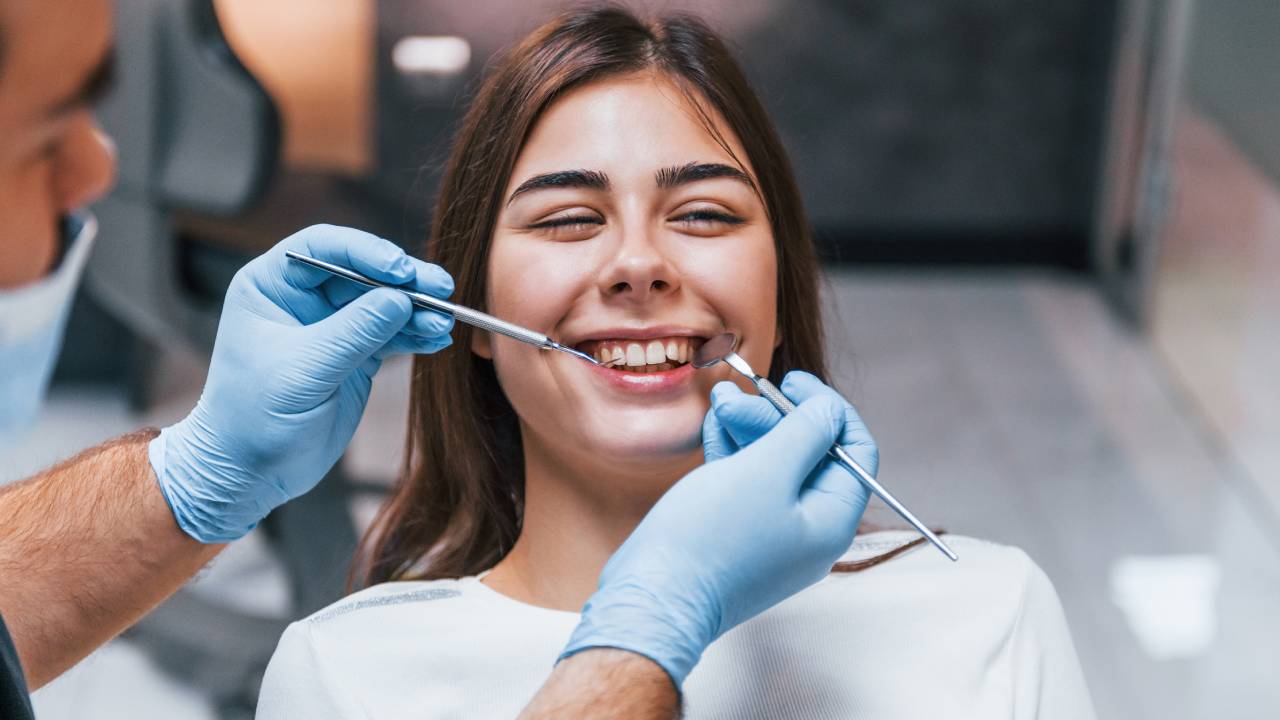
Your exam is the foundation of prevention. During a routine dental checkup, your dentist will:
- Review your medical and dental history
- Examine your teeth, gums, and bite
- Look for early signs of decay, cracks, or wear
- Check existing fillings and restorations
If you are a new patient, a new patient dental exam helps establish a clear baseline so your dentist can track even small changes over time.
Digital X rays and early cavity detection
Not all cavities are visible to the naked eye. Decay can start between teeth or beneath old fillings. Modern digital dental x rays allow your dentist to:
- Spot decay earlier than with a visual exam alone
- Evaluate bone health and tooth roots
- Monitor changes very precisely over time
Digital imaging uses significantly less radiation than traditional film, and images appear quickly, which helps you understand any recommended treatment.
Professional dental cleaning
Even if you brush and floss very well, plaque and hardened tartar can accumulate in areas that are hard to reach. A tooth cleaning dentist or hygienist will:
- Gently remove plaque and tartar from teeth and along the gumline
- Polish away surface stains
- Rinse and floss to leave your mouth clean and refreshed
Regular dental hygiene appointments reduce your risk of both cavities and gum disease, which is important for your overall health.
Fluoride: Strengthening teeth for all ages
Fluoride is a natural mineral that helps rebuild and strengthen enamel. Fluoride plays a central role in cavity prevention treatment, whether you are a child, teen, adult, or senior.
How fluoride protects your smile
Fluoride works in several ways:
- Remineralizes early weak spots in enamel
- Makes teeth more resistant to future acid attacks
- Slows or stops the progression of early decay
Professional fluoride applications are quick, comfortable, and provide a higher level of protection than most over the counter products. The American Dental Association notes that fluoride varnish and gels are supported by strong evidence for reducing cavities in both children and adults.
Fluoride treatment for kids
Children’s teeth are especially vulnerable as they are developing, and many kids have not yet perfected their brushing routine. During a pediatric dental checkup or a visit with a dentist for kids first visit, your dentist may recommend fluoride treatment for kids, which typically involves:
- Applying a flavored fluoride varnish, gel, or foam
- Allowing it to sit on the teeth for a few minutes
- Giving simple instructions about eating or drinking afterward
These treatments are safe, simple, and very effective at lowering cavity risk during childhood.
Fluoride treatment for teens and adults
Fluoride is not only for children. Teens, busy adults, and older patients can all benefit from fluoride treatment for adults, especially if you have:
- A history of frequent cavities
- Sensitive teeth or exposed root surfaces
- Dry mouth related to medications
- Braces or orthodontic appliances
Adding professional fluoride to your teen dental care services or your visits with an adult dental care provider is a small step that can make a big difference in long term oral health.
Dental sealants: Extra protection in cavity prone areas
Dental sealants act like a shield for the grooves and pits on the chewing surfaces of back teeth. These areas are narrowly shaped and can trap plaque and food, which makes them hard to clean with a toothbrush alone.
How sealants work
A sealant is a thin, protective coating that is painted onto the chewing surface of the tooth. The process is quick and painless:
- The tooth is cleaned and dried
- A gentle etching solution prepares the enamel
- The liquid sealant is applied and then cured with a special light
Once in place, sealants create a smoother, easier to clean surface that can significantly reduce the risk of cavities.
Who should consider sealants
Sealants are most commonly recommended for children and teens, particularly soon after the permanent molars erupt. During dental sealants for children appointments, your dentist will evaluate which teeth would benefit most.
Adults with deep grooves or a history of decay in certain teeth can also be candidates. Your prevent cavities dentist will guide you on whether sealants fit into your prevention plan.
Tailored prevention for every stage of life
Every family member has different needs. A preschooler’s risk looks different from a college student’s or a retiree’s. That is why a personalized preventive dental care plan makes such a difference.
Kids and first dental visits
Early positive experiences set the tone for lifelong oral health. Choosing a dentist for kids first visit ensures that your child:
- Gets gentle, age appropriate exams
- Receives early guidance on brushing and diet
- Learns that the dental office is a safe and friendly place
At each pediatric dental checkup, your dentist monitors development, offers sealants and fluoride when appropriate, and helps your child build good habits.
Teens with busy schedules
Teenagers often face unique cavity risks, such as:
- Frequent sports drinks and energy beverages
- Orthodontic brackets that trap plaque
- Irregular meals and snacks
Teen dental care services focus on practical strategies that fit real life, such as cleaning around braces, making better drink choices, and using fluoride products at home.
Adults balancing work and family
As an adult, you may be juggling work, family, and other responsibilities. Regular care with an adult dental care provider helps you:
- Stay ahead of small problems before they become urgent
- Protect past dental work like fillings and crowns
- Keep your smile confident and professional
Scheduling a consistent dental exam and cleaning every six months is one of the simplest ways to maintain oral health while life stays busy.
Seniors and long term oral health
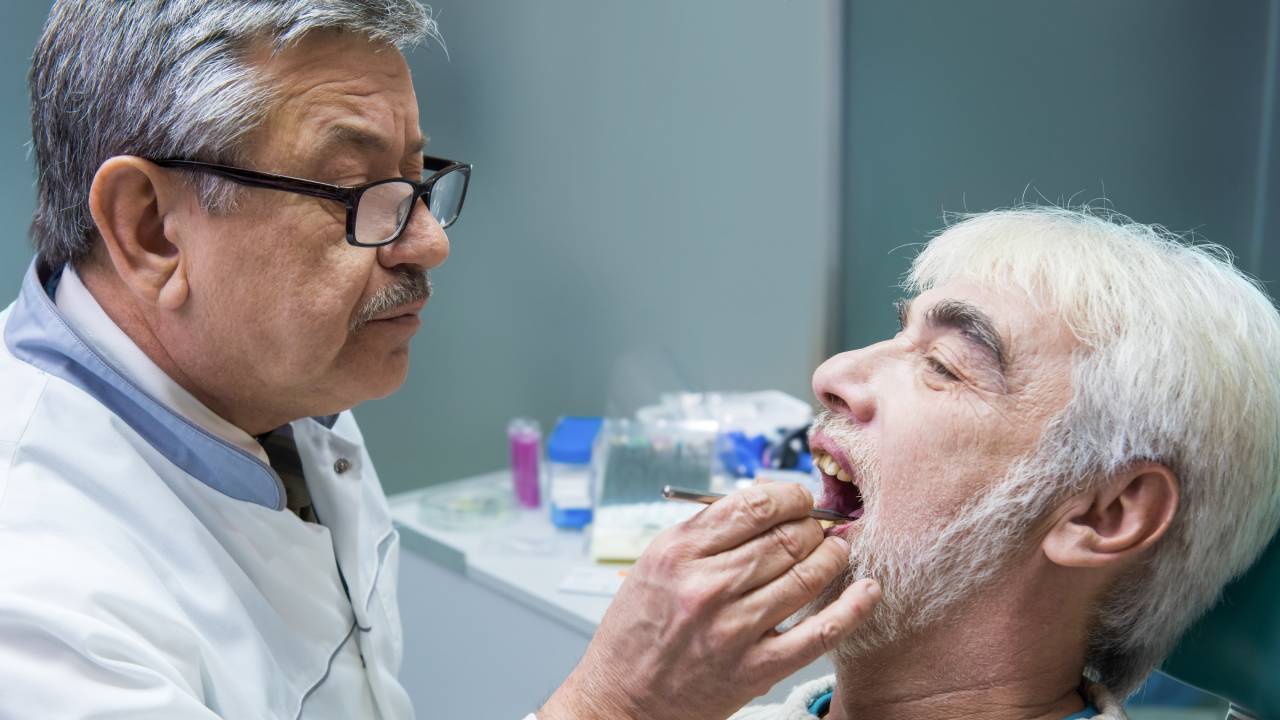
As you age, your oral health needs can change. Medications, health conditions, and natural wear can all affect your teeth. Senior dental care services often emphasize:
- Managing dry mouth and root exposure
- Protecting existing teeth and restorations
- Monitoring for gum disease and oral cancer
Prevention at this stage is about comfort, function, and preserving your ability to enjoy eating, speaking, and smiling.
Screening for more than cavities
Cavity prevention treatment often includes screenings that go beyond tooth decay, so your dentist can protect your overall health as well.
Oral cancer and soft tissue checks
During a routine dental checkup, your dentist will examine:
- Your tongue and cheeks
- The floor and roof of your mouth
- Your lips, throat, and neck
An oral cancer screening dentist looks for early changes that you might not notice at home. Finding concerns early leads to simpler and more effective treatment.
Monitoring sensitivity and enamel wear
If you struggle with discomfort when eating or drinking hot, cold, or sweet foods, a dentist for sensitive teeth can identify the cause. Enamel erosion, gum recession, nighttime grinding, and small cracks can all contribute.
By addressing these issues early, you reduce your risk of future cavities and avoid more extensive restorative work.
Reducing dental anxiety while you prevent cavities
If you feel nervous about visiting the dentist, you are not alone. Anxiety is a common reason people delay care, which can lead to more cavities and more complex treatment in the future.
At a family dental office that understands anxious patients, you can receive prevention in a calm, supportive environment.
Gentle, patient centered care
A gentle dentist for anxiety or dentist for nervous patients will:
- Take time to explain each step before it happens
- Adjust the pace of the visit to match your comfort level
- Offer simple relaxation techniques and breaks as needed
When you feel more in control, it is easier to stick with your preventive dental care plan and avoid emergency visits.
Building trust over time
Consistency helps ease anxiety. Seeing the same team at each dental hygiene appointment builds familiarity and trust. As you experience comfortable, positive visits, it becomes easier to schedule your next routine dental checkup on time.
How often you should schedule prevention visits
Most patients benefit from a checkup and cleaning every six months. However, your exact schedule will depend on your:
- Cavity risk
- Gum health
- Overall medical history
- Home care habits
Some patients, especially those with a history of frequent cavities or gum disease, may be advised to visit three or four times per year. Your prevent cavities dentist will recommend the interval that offers the best protection for you.
If you are looking for an affordable dental checkup, regular visits are usually more cost effective than waiting until you need emergency treatment. Small preventive steps now can prevent more extensive and expensive care later.
Making cavity prevention part of your daily routine
What you do at home between visits is just as important as your in office cavity prevention treatment.
Daily habits that support cavity prevention include:
- Brushing twice a day with fluoride toothpaste
- Flossing or using interdental cleaners every day
- Limiting sugary snacks and drinks, especially between meals
- Drinking fluoridated water when possible
- Wearing a nightguard if you grind your teeth
Your dentist will review your current routine during your comprehensive dental exam and offer practical suggestions that fit your lifestyle.
Schedule your cavity prevention visit
Protecting your smile does not have to be complicated. With regular exams, professional cleanings, fluoride, and sealants, you can significantly reduce your risk of cavities at every age.
If you are looking for a family dentist accepting new patients or a convenient family dental office for your whole household, now is the right time to schedule.
Whether you are due for a new patient dental exam, a simple dental exam and cleaning, or your next dental hygiene appointment, booking today is your next step toward long term oral health and a confident smile.