What is a comprehensive dental exam?
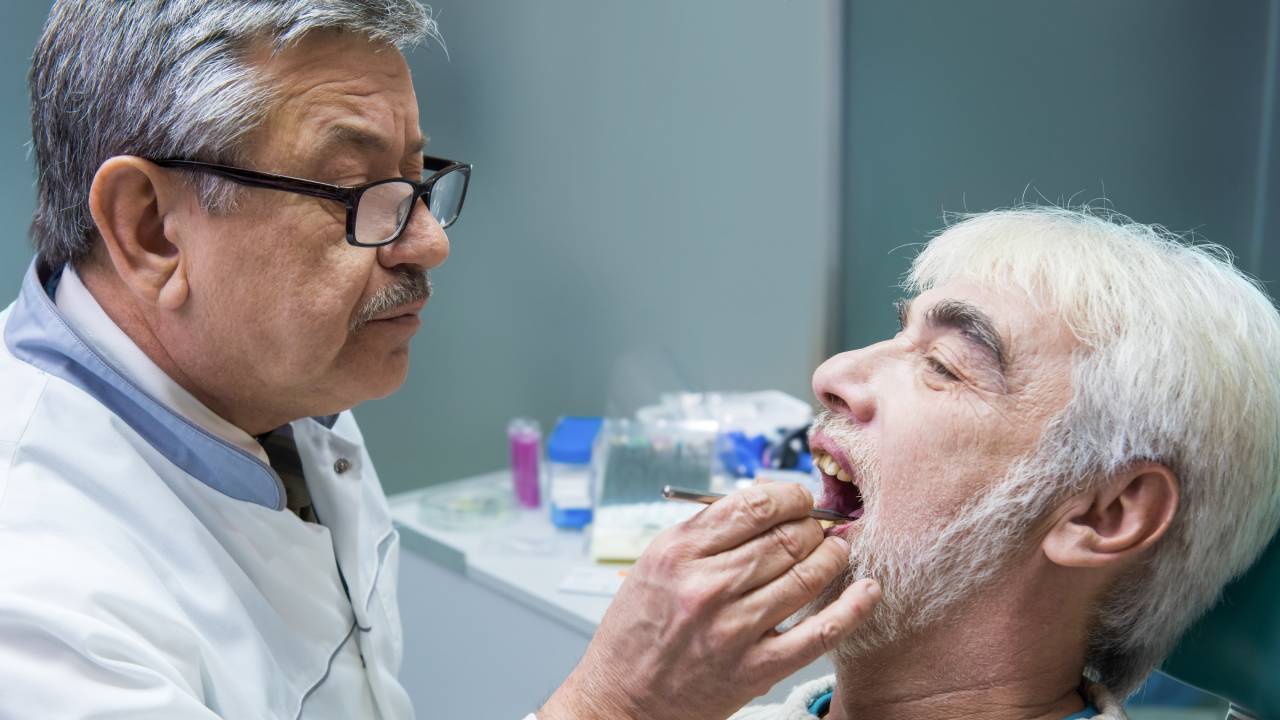
A comprehensive dental exam is a detailed, head to toe evaluation of your oral health. During this visit, your dentist looks far beyond surface-level cavities. Your teeth, gums, bite, jaw joints, soft tissues, and even aspects of your overall health are carefully checked to catch concerns early and build a long-term plan for your smile.
Unlike a quick routine dental checkup that focuses on maintenance and cleaning, a comprehensive dental exam gives your dentist a complete baseline. It typically includes a thorough review of your medical history, full mouth X‑rays, oral cancer screening, periodontal evaluation, and bite and jaw assessment, along with a detailed visual exam of every tooth.
At Total Smiles of Leland, your comprehensive exam is usually paired with a dental exam and cleaning, so you leave with both a clear picture of your oral health and a freshly cleaned smile.
How a comprehensive exam protects your health
A comprehensive dental exam is one of the most effective preventive tools you can use for yourself and your family. It is not just about detecting tooth decay. It is about protecting your comfort, confidence, and long-term health.
Early detection of hidden problems
Many dental problems develop quietly at first. You might not feel pain until a cavity is deep, an infection has spread, or gum disease has progressed. A comprehensive dental exam is designed to find these issues before they become urgent or expensive.
During this visit your dentist can identify:
- Tiny or hidden cavities between teeth
- Early gum disease and bone loss
- Cracks, chips, or worn enamel
- Signs of teeth grinding or clenching
- Bite problems that stress teeth or jaw joints
X‑rays and detailed periodontal measurements allow your dentist to see below the surface and between teeth where visual inspection alone cannot reach. This early detection is what helps you avoid sudden toothaches and emergency visits.
Lower long-term treatment costs
Catching problems early almost always means simpler and more affordable treatment. A small cavity is much less complex to treat than a broken tooth that needs a crown or root canal. Mild gum inflammation can often be reversed, while advanced gum disease may require ongoing, specialized care.
Regular comprehensive exams and cleanings can save you time and money by addressing issues before they turn into major procedures. Nationally, a typical visit that includes an exam, cleaning, and X‑rays averages around $203, with a range from about $50 to $350 depending on location.
If you have dental insurance, preventive care like checkups and cleanings is often covered at little to no cost, specifically to encourage you to stay on top of exams and prevent larger expenses later.
Support for your overall health
Your mouth can reveal important clues about your general health. During a comprehensive exam, your dentist may notice signs that relate to conditions like diabetes, acid reflux, vitamin deficiencies, sleep apnea, or autoimmune disorders.
Routine exams have also been linked to lower rates of tooth loss and fewer untreated dental issues in both children and adults. Since oral infections and chronic inflammation can affect the rest of your body, keeping your mouth healthy is an important part of protecting your overall well-being.
What happens during a comprehensive dental exam?
Knowing what to expect can help you feel more relaxed and prepared. A typical comprehensive dental exam at a family dental office like Total Smiles of Leland usually takes 45 to 60 minutes, a bit longer than a quick checkup because of the extra detail involved.
1. Review of your health history
Your visit usually begins with a conversation. You and your dental team review:
- Your medical conditions and medications
- Any past dental treatments or surgeries
- Allergies and sensitivities
- Lifestyle factors like smoking or grinding your teeth
- Any pain, sensitivity, or concerns you have today
This background helps your dentist understand your risks and tailor your preventive dental care plan to your needs.
2. Digital X‑rays and diagnostic photos
Modern comprehensive exams typically include digital dental X rays, which use low radiation levels and provide clear images quickly. These X‑rays show:
- Decay between teeth or under fillings
- Infections at the root tips
- Bone levels around your teeth
- Impacted or unerupted teeth
Many practices also capture intraoral or extraoral photos to document your teeth, gums, and bite. Some use advanced diagnostics like bite pressure scans or muscle evaluations to detect grinding, jaw joint issues, or imbalances.
3. Professional cleaning and gum evaluation
A hygienist typically performs a thorough dental hygiene appointment as part of your visit. This includes:
- Removing plaque and tartar above and below the gumline
- Polishing away surface stains
- Flossing between teeth
- Reviewing home care techniques
During this time, your gums are measured and evaluated for signs of gingivitis or periodontitis. A periodontal exam checks pocket depths, bleeding, swelling, and recession to catch gum disease in its early, more manageable stages.
4. Tooth-by-tooth exam
Your dentist then examines each tooth carefully, looking for:
- Decay or weakened enamel
- Chips, cracks, or worn areas from grinding
- Loose or shifting teeth
- Problems with existing fillings, crowns, or bridges
If you struggle with discomfort when eating or brushing, a dentist for sensitive teeth can identify the causes and recommend solutions.
5. Oral cancer and soft tissue screening
An oral cancer screening dentist examines your tongue, cheeks, lips, palate, and throat, as well as the head and neck area, for any unusual spots, sores, or lumps. This quick screening is a routine part of a comprehensive dental exam, and it is one of the simplest ways to aid in early detection of serious conditions.
6. Bite, jaw, and TMJ assessment
Your bite and jaw joints are evaluated for:
- Popping, clicking, or pain in the jaw
- Limited opening or locking
- Uneven wear on teeth
- Signs of nighttime clenching or grinding
Comprehensive diagnostics can uncover early TMJ issues and bruxism before they lead to worn teeth, cracked molars, or chronic discomfort.
7. Personalized treatment and prevention plan
After gathering all of this information, your dentist reviews the findings with you. Together, you discuss:
- Your current oral health status
- Any conditions that need treatment
- Options for cavity prevention treatment
- Cosmetic goals, if you have them
- How often you should return for exams and cleanings
Comprehensive exams are the foundation for a customized plan that fits your age, health, and priorities. This makes your care more targeted, efficient, and effective.
A comprehensive dental exam gives you a complete picture of your oral health today and a clear roadmap for keeping your smile healthy for years to come.
How often do you need a comprehensive exam?
Most people benefit from a comprehensive dental exam at least once a year, often as part of a regular new patient dental exam or periodic reassessment. For many adults and children, exams and cleanings every six months are recommended, with more frequent visits if you are at higher risk for dental problems.
Children should see a dentist by their first birthday or within six months of the first tooth appearing, and a comprehensive exam is often part of that first dentist for kids first visit. Adults who have not been to the dentist for some time, or those with complex dental histories, also benefit from a full baseline exam to restart care.
Your dentist will recommend a schedule based on:
- Your age and stage of life
- Your oral and overall health
- Past history of cavities or gum disease
- Lifestyle habits like smoking or dry mouth
- Orthodontic treatment or extensive restorations
If you are unsure when you last had a truly comprehensive evaluation, scheduling one now is a helpful first step.
Benefits for every age and stage of life
One advantage of choosing a family dental office is that everyone in your household can receive age-appropriate comprehensive exams under one roof. The focus of each visit shifts slightly depending on life stage, but the goal remains the same: to keep smiles healthy and comfortable.
Kids and pediatric patients
In children, comprehensive exams help your dentist track growth and development, guide new teeth into place, and address habits early. A pediatric dental checkup often includes:
- Monitoring baby and permanent teeth eruption
- Evaluating bite and jaw growth
- Checking for early childhood cavities
- Recommending dental sealants for children and fluoride treatment for kids
- Coaching kids and parents on brushing and flossing
For kids who are anxious about visits, choosing a gentle dentist for anxiety or dentist for nervous patients can make a big difference in how they feel about dental care for years to come.
Teens and young adults
During the teen years, a comprehensive exam focuses on:
- Wisdom teeth development and positioning
- Orthodontic needs and retention after braces
- Sports mouthguard recommendations
- Cavity risk from snacking, sports drinks, or orthodontic appliances
Teen dental care services help your dentist and your teen work together on practical habits that fit a busy schedule, while still protecting their smile.
Adults
As an adult dental care provider, a family-focused practice will look at how your teeth and gums are holding up under daily stresses. Exams often emphasize:
- Managing work and family schedules alongside regular care
- Screening for grinding and stress-related clenching
- Restoring worn or failing fillings
- Cosmetic goals like whitening or fixing chips
- Fluoride treatment for adults to strengthen enamel if you have a high cavity risk
Adults who keep up with routine exams tend to have fewer missing teeth and less need for extensive dental work over time.
Seniors
With age, dental needs change, but comprehensive exams remain just as important. Senior dental care services often focus on:
- Managing dry mouth from medications
- Monitoring gum and bone health to support natural teeth or dentures
- Checking the fit and comfort of partials or full dentures
- Screening for root surface decay and gum recession
- Supporting nutrition and comfort for eating and speaking
Regular exams and cleanings can help you keep your smile comfortable and functional for as long as possible.
Preventive treatments that strengthen exam benefits
A comprehensive dental exam is also your opportunity to add simple, preventive treatments that make it easier to avoid cavities and gum disease between visits.
Fluoride and remineralization
Topical fluoride is not just for kids. Both fluoride treatment for kids and fluoride treatment for adults can:
- Strengthen weakened enamel
- Reduce sensitivity in some cases
- Lower your risk of new decay
Your dentist may recommend fluoride as part of a cavity prevention treatment plan if you have frequent cavities, exposed root surfaces, dry mouth, or orthodontic appliances.
Dental sealants and cavity prevention
For children and some adults with deep grooves on their molars, dental sealants for children and similar protective coatings can dramatically lower cavity risk. These thin, protective layers seal out plaque and food from the chewing surfaces of back teeth.
Your dentist might also suggest other ways to prevent cavities, such as dietary changes, specific home-care products, or more frequent cleanings if you are prone to decay.
Sensitive teeth solutions
If cold drinks or brushing cause discomfort, a dentist for sensitive teeth can evaluate the cause during your exam. Sensitivity can stem from receding gums, worn enamel, grinding, or hidden decay. Addressing the root cause helps you stay comfortable and avoid bigger problems later.
Comprehensive exam vs routine checkup
You might wonder how a comprehensive dental exam differs from a regular dental exam and cleaning. Both are important, but they serve slightly different roles.
- A routine checkup focuses on maintenance, cleaning, and a quick review of your teeth and gums to keep you on track.
- A comprehensive dental exam is a deeper, more detailed assessment, often done as a new patient, after a long time away, or periodically to reestablish a full picture of your health.
Both types of visits support the same goal, which is consistent, preventive care that helps you avoid emergencies and complicated treatment.
If you are new to a practice or you have skipped dental visits for a while, starting with a comprehensive exam is usually the best way to move forward.
Making exams comfortable for anxious patients
If dental visits make you nervous, you are not alone. Many people delay care because of anxiety, which can unfortunately allow small problems to grow. Choosing a gentle dentist for anxiety and a dentist for nervous patients can help you feel more at ease.
During your comprehensive exam, you can:
- Share your concerns openly so your team understands your triggers
- Ask for explanations before or during each step
- Discuss comfort options, including breaks or distraction techniques
- Create a step by step preventive dental care plan that feels manageable
A calm, family-oriented office like Total Smiles of Leland is experienced in working with anxious adults, children, and seniors. The right approach makes it much easier to stay consistent with exams and cleanings.
When to schedule your comprehensive dental exam
You should consider booking a comprehensive dental exam if:
- You have not seen a dentist in 12 months or longer
- You are new to the area and need a family dentist accepting new patients
- Your child needs a dentist for kids first visit
- You are noticing pain, bleeding gums, or sensitivity
- You want to establish care with a single practice for your whole family
- You are interested in an affordable dental checkup that also builds a long-term plan
Total Smiles of Leland offers comprehensive exams, cleanings, tooth cleaning dentist services, digital diagnostics, fluoride, sealants, and ongoing care for every age. Whether you need teen dental care services, an adult dental care provider, or senior dental care services, you can keep everyone’s care coordinated in one place.
If you are ready to take the next step toward a healthier smile, scheduling your comprehensive dental exam now is one of the most powerful decisions you can make for your long-term oral health.
References
- (Gulfside Dental, Highlands Family Dentistry)
- (Highlands Family Dentistry, MedlinePlus)
- (Aldie Smiles Dentistry, CareCredit)
- (Guardian Life, CareCredit)
- (Guardian Life)
- (WebMD)
- (Dental Clinics of Texas)
- (Tlevit DDS)
- (Highlands Family Dentistry)
- (MedlinePlus, Tlevit DDS)
- (Aldie Smiles Dentistry)
- (MedlinePlus, Guardian Life)
- (MedlinePlus)
- (Smiles By Julia, Dental Clinics of Texas)
- (CareCredit, WebMD)