
Why you should see a cracked tooth repair dentist quickly
If you feel a sharp twinge when you bite or sip something cold, you may be dealing with a cracked tooth. A cracked tooth repair dentist focuses on quickly relieving your pain, stopping the crack from spreading, and preserving as much natural tooth as possible.
Cracked teeth will not heal on their own. According to Cleveland Clinic, a cracked tooth, sometimes called cracked tooth syndrome, always requires dental treatment to prevent further damage and infection and it cannot repair itself naturally. Getting prompt care gives you the best chance to save your tooth and avoid more extensive procedures later.
Whether your tooth cracked from biting something hard, grinding at night, or an old filling giving way, your dentist can offer quick and effective solutions that match the size and location of the fracture.
How to recognize a cracked tooth
You might not always see a crack in the mirror, but your tooth will usually tell you something is wrong. A cracked tooth repair dentist looks closely at your symptoms, then confirms the diagnosis with an exam and imaging.
Common symptoms you might notice
You should call a dentist if you notice any of the following:
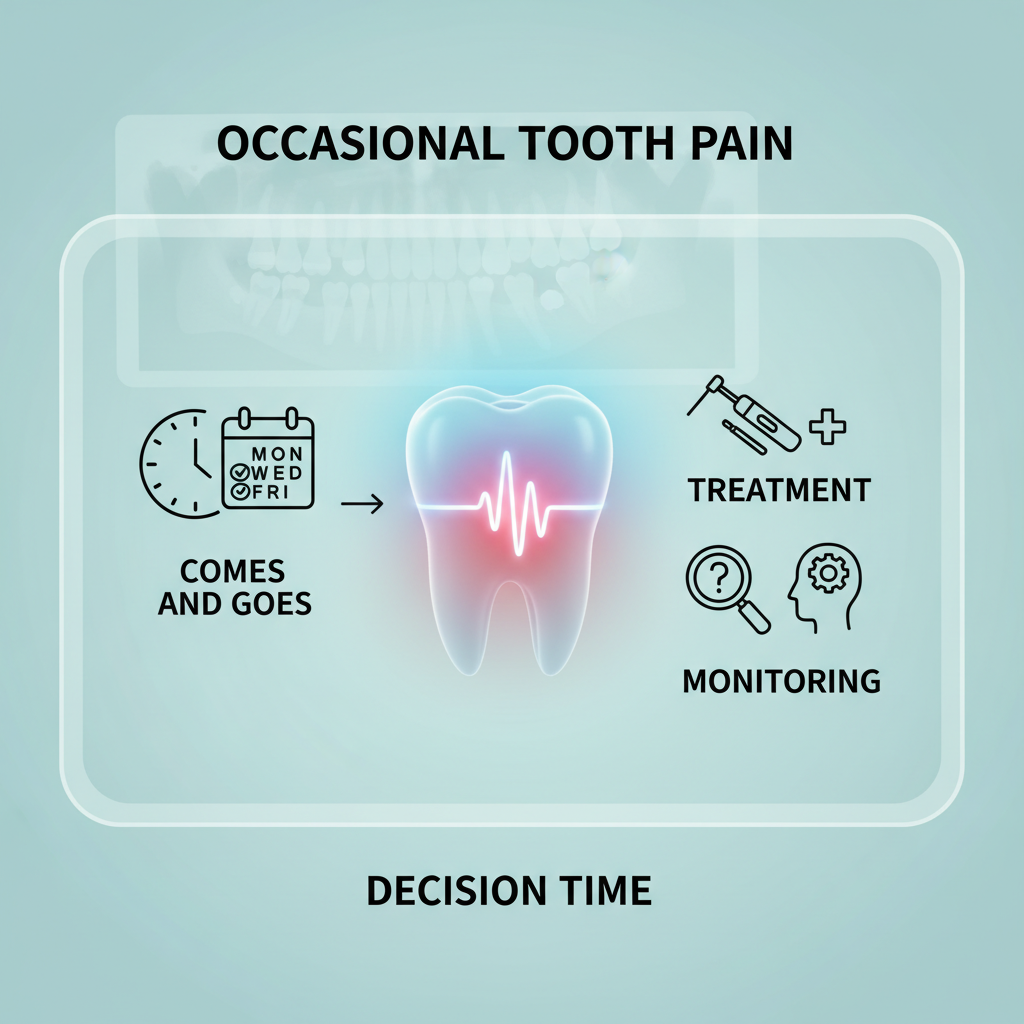
- Intermittent toothaches that come and go, especially when chewing
- Sharp pain when you bite down on one specific tooth
- Sensitivity to hot, cold, or sweet foods and drinks
- Discomfort that lingers after you remove the stimulus
- Swelling or tenderness around the gum near a tooth
Cracked teeth often cause toothaches that flare up when food, liquids, or bacteria irritate exposed nerves, then quiet down again. Early detection of these warning signs can help you avoid severe damage or infection that might require more complex procedures later.
Pain when chewing
If you feel a sharp stab of pain when you chew on hard or sticky foods, especially when you release your bite, that is a classic sign of a crack. The pressure causes the crack to flex open and closed, which irritates the inner layers of your tooth.
A cracked tooth repair dentist will often use gentle biting tests, special instruments, and sometimes stain or light to pinpoint exactly which tooth is affected and how deep the crack goes.
Temperature and sweet sensitivity
Sensitivity to hot, cold, or sweet drinks can mean your enamel has been breached and the underlying dentin or nerve is exposed. This can feel like a sharp, sudden ache that lingers longer than a typical “zing” from mild sensitivity.
If these sensations are new, worse than usual, or focused on one tooth, you should schedule a tooth pain treatment dentist visit right away.
Why cracked teeth are a dental emergency
You might be tempted to ignore a cracked tooth if the pain comes and goes. That is risky.
A crack is a pathway for bacteria to reach the inner layers of your tooth. Without treatment, the crack can:
- Grow deeper or split the tooth in half
- Lead to a painful infection or abscess
- Damage the tooth’s nerve beyond repair
- Require extraction instead of a simpler repair
Cleveland Clinic notes that patients with toothaches or pain when biting should see a dentist promptly, because early diagnosis and treatment can help you avoid serious problems like abscesses or infection spreading to nearby tissue.
In many cases, a cracked tooth repair dentist can stabilize and restore the tooth with straightforward procedures if you come in soon after symptoms start. If you wait, you may need more complex infected tooth treatment or even tooth replacement.
How your dentist diagnoses a cracked tooth
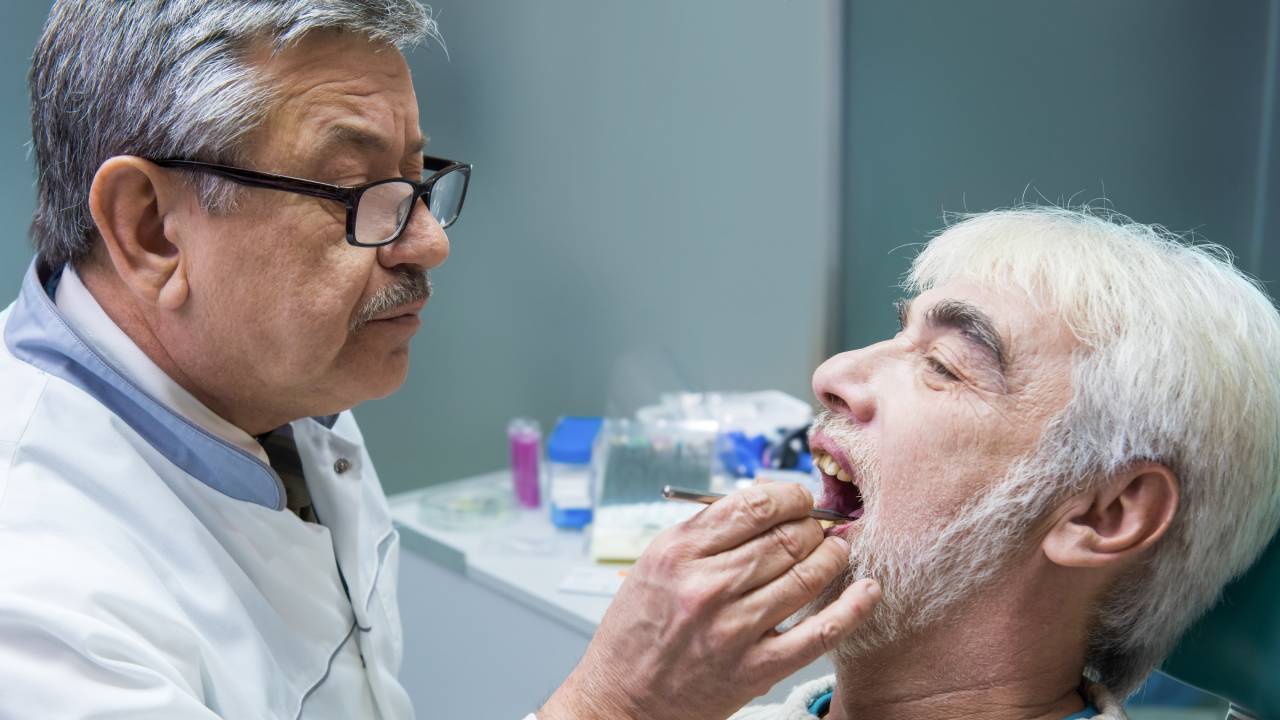
When you come in with tooth pain, your dentist’s first priority is to identify the exact cause. Cracks can be subtle, so a careful, step by step evaluation is essential.
What to expect during your visit
Your appointment will typically include:
- A detailed conversation about your symptoms, such as what triggers the pain and how long it lasts.
- A visual exam to look for chips, wear, or visible cracks.
- Gentle tapping or biting tests to see which tooth reacts.
- Temperature and pressure checks to assess nerve response.
- X rays or advanced imaging to see below the surface.
Dentists may also use staining dyes, fiber optic lights, or cone beam CT scans to better assess the crack’s location and severity.
Once your dentist understands the type and depth of the crack, you will review your options to restore damaged tooth structure and protect the tooth long term.
Quick and effective cracked tooth repair options
The right solution depends on how large and deep the crack is, whether it reaches the nerve, and how strong the remaining tooth structure is. A cracked tooth repair dentist will always try to preserve your natural tooth whenever possible.
Small surface cracks and minor chips
If the crack is shallow and only affects the outer enamel, it can often be repaired quickly and conservatively.
Common options include:
- Cosmetic contouring to smooth out minor roughness or tiny chips
- Dental bonding or filling using tooth colored resin to seal the crack and restore shape
Bonding is a common, minimally invasive method to correct and improve the appearance of a cracked or broken tooth. Dentists apply tooth colored material, shape it, then harden it with a curing light to restore both function and appearance.
If decay is also present, your dentist may recommend a cavity filling appointment so you can address both the crack and the cavity at the same time. For many small cracks and cavities, a skilled tooth filling dentist can fully repair the tooth in a single visit.
Moderate cracks that weaken the tooth
If the crack is more significant and compromises the tooth’s strength, you need a solution that covers and protects the entire tooth. In these cases, your cracked tooth repair dentist will often recommend a crown.
A crown is a custom made “cap” that fits over your natural tooth to restore its shape, strength, and appearance. Dentists consider crowns one of the safest and most reliable ways to fix or restore decayed or broken teeth, because they cover the entire visible portion of the tooth and help prevent further cracking.
You can learn more about the steps involved in a dental crown procedure and what to expect at a same day dental crown consultation if your dentist offers accelerated options. For many patients, a crown is the most predictable way to achieve a permanent tooth restoration after a crack.
If the tooth is chipped instead of cracked through, your dentist may also suggest options to restore chipped tooth structure with bonding or veneers, depending on the size and location of the damage.
Deep cracks involving the nerve
When a crack extends into the inner pulp of your tooth, you may have significant pain and sensitivity. At this stage, the nerve is often inflamed or infected, which means you likely need root canal therapy in addition to structural repair.
A root canal treatment dentist will:
- Remove the damaged or infected pulp from inside the tooth.
- Clean and disinfect the canal spaces.
- Fill and seal the canals to keep bacteria out.
- Place a strong filling and usually a crown to protect the tooth.
Root canal treatment is recommended whenever the pulp is compromised, because it removes the source of infection and allows the tooth to remain in your mouth rather than be extracted.
If you are unsure whether your symptoms point to pulp involvement, reviewing common signs at do i need a root canal can help you understand when urgent care is necessary. Addressing nerve issues early can prevent severe infections that require more intensive tooth nerve pain treatment.
When a cracked tooth cannot be saved
If a crack extends below the gum line or splits the tooth into separate pieces, it might not be possible to repair it successfully. In these cases, extraction followed by replacement will be your most reliable path to long term oral health.
Your dentist will walk you through replacement options, such as:
- A dental implant, which replaces the entire tooth root and crown and is considered an extensive but highly effective solution for badly broken or unsalvageable teeth
- A dental bridge for missing tooth, which uses the neighboring teeth as supports for an artificial tooth in between
If you prefer a non surgical approach or are replacing more than one tooth, you can schedule a dental bridge consultation to review how to replace missing tooth with bridge options and what type of bridge will work best in your situation.
Related services that protect and restore damaged teeth
Cracked tooth repair often overlaps with other restorative services. Your dentist may recommend additional treatment to address decay, infection, or worn teeth that contributed to the crack in the first place.
Repairing cavities before they cause cracks
Large or untreated cavities can weaken your enamel until the tooth fractures. Getting timely care for decay is one of the best ways to prevent future cracks.
Depending on the size of the cavity, your dentist might suggest:
- A standard filling as the best treatment for cavity in early stages
- Inlay, onlay, or crown recommendations if you need large cavity treatment options
If a tooth is already chipped or cracked due to decay, your dentist will combine repair decayed tooth steps with appropriate tooth fracture repair so you can restore both strength and health at the same time.
Fixing broken, worn, or heavily restored teeth
Sometimes a crack is only part of a bigger picture. You may have:
- Old, failing fillings
- Teeth that are worn down from grinding
- A molar that has broken multiple times
In these cases, you may benefit from more comprehensive solutions to fix damaged molar teeth or rebuild worn down teeth. A broken tooth restoration plan might include multiple crowns, bite adjustments, and possibly night guard therapy to protect your teeth while you sleep.
If you are unsure where to start, a dental restoration consultation gives you a chance to review your options in detail and create a step by step plan that fits your goals and budget.
Even when a cracked tooth cannot fully “heal,” repairing and protecting it can save your tooth from further damage or infection, and in many cases this can be achieved in a single day or within a few weeks depending on the procedure you choose.
How long cracked tooth repair takes
The time needed to repair a cracked tooth depends on the complexity of your situation. You can expect:
- Simple bonding or fillings for minor cracks to be completed in one visit.
- Crowns often require one or two visits, depending on whether your dentist offers same day technology.
- Root canal plus crown to take one or more appointments, sometimes spread over a few weeks.
- Implants or complex bridgework to take several months from start to finish.
Cleveland Clinic notes that repairing a cracked tooth may take weeks to months if treatment is complex, and your dentist or endodontist will explain the process before beginning so you know exactly what to expect.
If fast relief is your priority, let your dentist know at your first call. They can usually address your pain quickly, even if the final restoration is completed at a later visit.
Costs and insurance considerations
The cost of cracked tooth repair varies by treatment type and how extensive the damage is. For example:
- Dental bonding for mild fractures may cost a few hundred dollars per tooth.
- Veneers or crowns can range into the thousands, especially for high quality porcelain options.
- Root canal plus crown, or extraction with implant replacement, are at the higher end due to multiple steps and materials.
Many cracked tooth repairs can exceed typical annual dental insurance limits. Discount or savings plans may help reduce costs for those without robust coverage, sometimes by a significant percentage.
Before starting treatment, you can review a written plan that outlines:
- Recommended procedures
- Estimated fees
- Expected insurance coverage
- Alternative options if you want to phase care over time
A focused dental restoration consultation is the best way to get clear answers about costs tailored to your specific tooth and insurance situation.
Protecting your teeth after repair
Once your cracked tooth is repaired, your goal is to keep it stable and prevent new fractures. Your dentist will recommend specific steps based on your bite and habits, but general tips include:
- Chew hard foods carefully and avoid biting down on ice, unpopped popcorn kernels, or hard candies.
- Wear a night guard if you clench or grind your teeth in your sleep.
- Use a sports mouthguard during contact or high impact activities.
- Schedule regular checkups so tiny cracks or failing restorations are caught early.
Delta Dental notes that preventive measures like chewing hard foods slowly, using a nighttime mouth guard if you grind, and seeing your dentist regularly can significantly reduce your risk of cracked teeth in the future.
If you maintain your restorations and follow your dentist’s guidance, a treated cracked tooth can often function comfortably and reliably for many years.
When to schedule with a cracked tooth repair dentist
You should schedule an appointment as soon as you notice:
- Pain when biting or chewing on a particular tooth
- Sensitivity to hot, cold, or sweet that does not go away
- A visible crack, chip, or broken piece of tooth
- Swelling or a pimple like bump on the gum near the tooth
Early professional evaluation greatly improves the chances of saving your natural tooth and reduces the risk of needing more extensive treatment later on.
If you are ready to relieve pain, protect your smile, and explore options like bonding, crowns, root canal therapy, or a dental crown for cracked tooth, the next step is to schedule your visit. A focused consultation will give you a clear diagnosis and a tailored plan to quickly restore comfort, function, and confidence in your bite.