What a deep cleaning dental appointment really is
If you have bleeding gums, gum recession, or have been told you have periodontal disease, your dentist may recommend a deep cleaning dental appointment. This visit is different from your routine six‑month cleaning. A deep cleaning, also called scaling and root planing, goes below the gum line to remove the bacteria, plaque, and tartar that are causing infection and bone loss around your teeth [1].
Understanding what happens during this type of visit helps you feel more in control of your gum disease treatment. It also shows you how this one procedure can protect your teeth from loosening and eventually falling out.
How gum disease threatens your teeth
From gingivitis to periodontitis
In the early stage of gum disease, called gingivitis, plaque sits near your gum line and irritates the tissue. You may notice red, swollen, or bleeding gums, and sometimes persistent bad breath. At this point, the infection is still limited to the soft gum tissue. Good home care and early stage gum disease treatment can often reverse it.
If plaque is not removed, it hardens into tartar and begins to creep below the gum line. Bacteria then infect the supporting tissues and bone that hold your teeth in place. This more serious stage is called periodontitis or periodontal disease [2]. The infection causes gums to pull away and form pockets around your teeth. These pockets collect even more bacteria and tartar and become difficult or impossible to clean on your own.
At this stage, a regular cleaning on the tooth surface is not enough. You need targeted periodontal therapy to remove the source of infection from under the gums.
Signs you may need a deep cleaning
You are more likely to need a deep cleaning dental appointment if you notice:
- Gums that bleed when you brush or floss
- Red, swollen, or tender gums
- Gum recession or teeth that look longer than before
- Persistent bad breath or a bad taste in your mouth
- Loose teeth or changes in how your teeth fit together
- A history of missing cleanings for months or years
Patients who have gone many months or years without professional cleaning, have poor oral hygiene, or eat a high sugar diet are at higher risk of needing a deep cleaning to prevent or treat gum disease [3].
If these symptoms sound familiar, a visit to a dentist for gum problems for a complete periodontal evaluation is an important next step.
How a deep cleaning differs from a regular cleaning
Routine cleaning vs deep cleaning
At your standard checkup and cleaning, your hygienist removes plaque and tartar from the surfaces of your teeth above the gum line and along the gum margins. This helps prevent cavities and keeps mild gingivitis from progressing. These visits typically take 30 to 60 minutes [2].
A deep cleaning is different in three important ways:
- It focuses on areas below the gum line and along the roots of your teeth where gum disease is active [4].
- It is considered a form of gum disease treatment, not just preventive care.
- It usually takes longer and is often divided into two visits because each section of your mouth is treated very thoroughly.
During a deep cleaning, your dentist or hygienist performs scaling and root planing. Scaling removes tartar and bacteria from below the gum line. Root planing smooths the root surfaces so your gums can reattach more snugly and pockets can shrink [1].
Why surface cleanings are not enough
Once you have periodontitis, plaque and tartar sit deep in gum pockets where your toothbrush and floss cannot reach. A regular cleaning that only polishes the visible tooth will not disturb the bacteria colonies that are breaking down your bone.
Deep cleaning, also called deep cleaning for gums or gum pocket cleaning, is designed specifically to reach and disinfect these hidden areas. Without this step, the infection can progress, leading to bone loss, tooth mobility, and eventually tooth loss.
What happens during your deep cleaning dental appointment
When you arrive for a deep cleaning dental appointment, you can expect a series of planned steps that put your comfort and safety first while targeting the infection that is damaging your gums and bone.
Step 1: Periodontal assessment and numbing
Your dentist or hygienist begins by reviewing your medical history, current symptoms, and any X‑rays. They will measure the depth of the pockets between your teeth and gums using a small measuring instrument. Pockets deeper than 3 millimeters often indicate the need for scaling and root planing [1].
To keep you comfortable during treatment, a numbing gel and local anesthetic are applied to the gums in the area being treated. This step helps minimize discomfort while the instruments work below the gum line [5].
Step 2: Scaling below the gum line
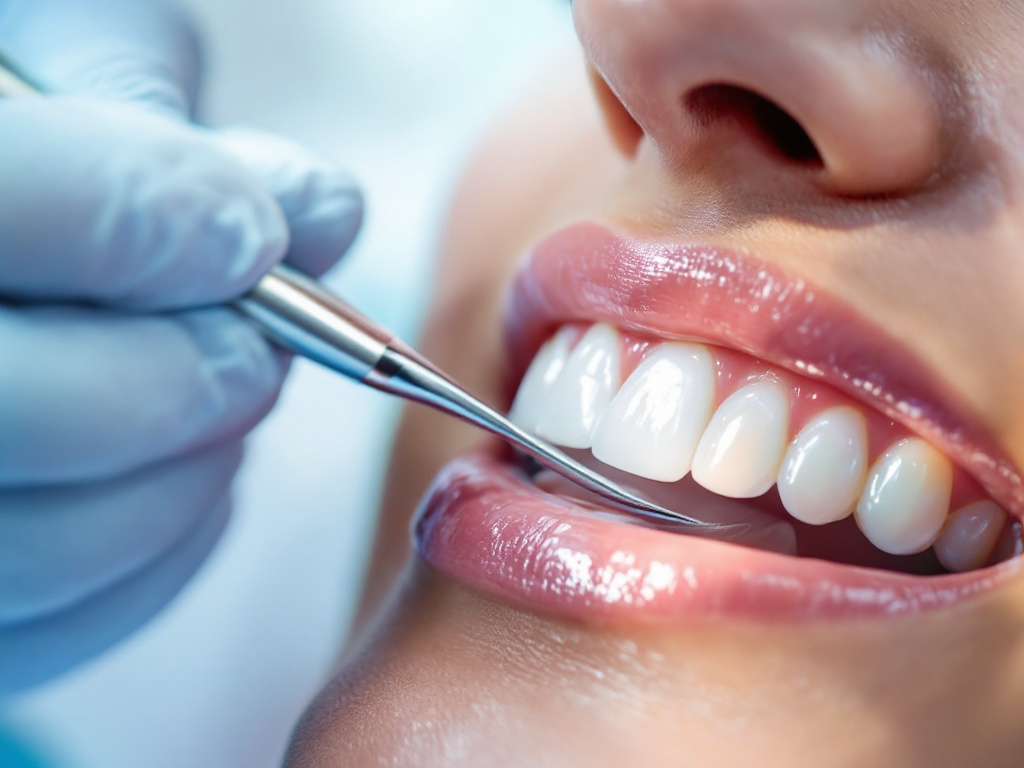
Once the area is fully numb, your provider performs scaling. Using hand instruments and sometimes ultrasonic tools with a water spray, they carefully remove plaque, tartar, and bacteria from the tooth surfaces above and, most importantly, below the gum line around each tooth [6].
Because gum disease tends to affect your mouth in sections, the provider usually treats one half or one quadrant at a time. This methodical approach helps them thoroughly clean each tooth and each pocket. Slight pressure or vibration is normal during this part of the procedure. If you feel any sharpness, you can signal for more numbing.
Step 3: Root planing for smoother roots
After scaling, your dentist or hygienist performs root planing. This step smooths the rough areas on the roots of your teeth so bacteria have fewer places to cling and grow. A smoother root surface also allows the infected gum tissue to begin reattaching more firmly, which helps pockets become shallower over time [5].
Root planing usually feels less intense than scaling because much of the heavy tartar has already been removed. The careful, section‑by‑section approach is what turns this into a targeted scaling and root planing procedure rather than a routine cleaning.
Step 4: Antimicrobials and localized treatments
In some cases, your dentist may place antimicrobial gels into deep pockets or prescribe oral antibiotics to help control stubborn bacteria that are difficult to reach mechanically [7]. This is especially common if you have signs of active infection or if you are being treated for gum infection treatment.
You may also receive detailed home care instructions and recommendations for special rinses or toothbrushes to help you keep these areas as clean as possible while your gums heal.
Step 5: Scheduling additional quadrants
A full deep cleaning often requires one to two hours per visit and may be completed in one or two sessions depending on the number of quadrants, the severity of deposits, and your comfort level [6]. Many offices treat half your mouth at the first visit and the remaining half at a second visit within a short time frame.
How long your deep cleaning will take
The length of your deep cleaning dental appointment depends on several factors, including how advanced your gum disease is and how much tartar has built up. In general, a deep cleaning session lasts between one to two hours [8].
Compared with your usual 30 to 60 minute dental cleaning, a deep cleaning can add an extra hour or more, especially when you need treatment in multiple quadrants or have significant buildup [2].
The more you have delayed cleanings or struggled with home care, the more time your dentist will need to carefully remove hardened tartar and disinfect deep pockets. The time invested at this stage helps reset the health of your gums so you can move into a more stable maintenance phase.
What to expect after a deep cleaning
Normal side effects and healing
After your numbness wears off, it is common to experience:
- Mild soreness or tenderness in your gums
- Slight bleeding when brushing for a few days
- Temporary tooth sensitivity to hot, cold, or sweet foods
These symptoms usually improve within several days to a couple of weeks. They can often be managed with over‑the‑counter pain relievers, cold compresses, desensitizing toothpaste, and antimicrobial or salt water rinses as recommended by your dentist [9].
Because the procedure involves no incisions or stitches, you can normally return to your regular activities the same day as your appointment [6]. You may simply want to avoid very hot, crunchy, or spicy foods until your gums feel more comfortable.
Most people only need scaling and root planing once, as long as they commit to excellent home care and consistent maintenance cleanings to prevent new tartar from forming below the gums [6].
When to call your dentist
While deep cleaning is considered a low‑risk procedure, you should contact your provider if you experience:
- Worsening pain that does not respond to recommended medications
- Swelling that increases after the first 48 hours
- Pus or signs of active infection
- Fever or feeling unwell
If you have a weakened immune system or certain heart conditions, your dentist may also prescribe antibiotics before and after treatment to reduce the risk of infection [7].
How deep cleaning protects against tooth loss
Stopping bone loss and gum recession
Periodontitis damages more than just the gums you can see. It affects the ligaments and bone that anchor your teeth. If bacteria and tartar remain along the roots, bone continues to dissolve, gum recession worsens, and your teeth become loose over time [1].
By thoroughly removing plaque, tartar, and bacteria from below the gum line, scaling and root planing interrupts this destructive cycle. As the tissues heal and reattach more closely to the roots, pockets become shallower and easier to keep clean. This is one of the most effective ways to prevent tooth loss from gum disease.
If you already have noticeable recession or feel your teeth shifting, a timely deep cleaning with a dentist for receding gums can help stabilize your condition and may reduce the need for more aggressive advanced periodontal treatment later.
Improving symptoms you notice every day
Beyond stabilizing bone and attachment levels, you may notice several daily improvements when deep cleaning successfully controls your gum disease:
- Less bleeding when brushing or flossing, especially if you also seek bleeding gums treatment
- Reduced swelling and tenderness, which supports gum inflammation treatment and treatment for swollen gums
- Better breath as bacterial pockets are cleaned, often combined with bad breath from gum disease treatment
- A cleaner, smoother feeling along the roots and gumline
These changes are signs that the infection has been brought under control and that your mouth is moving toward a healthier, more stable state.
Why maintenance after deep cleaning is essential
A deep cleaning is the first major step in treating periodontitis, but it is not the last. Gum disease is a chronic condition. Without ongoing care, bacteria can build up again and pockets can deepen.
Periodontal maintenance visits
After scaling and root planing, most patients benefit from specialized periodontal maintenance cleanings every 3 to 4 months, at least for a period of time. These visits are more frequent than the standard six‑month schedule and are designed to prevent the recurrence of gum disease [10].
During a periodontal maintenance appointment, your provider:
- Monitors pocket depths and gum health
- Removes plaque and tartar above and below the gum line
- Reinforces home care techniques
- Identifies any areas where disease may be returning
This type of chronic gum disease care is what helps you manage gum disease long term rather than letting it silently progress.
Your role at home
Your daily habits play a crucial role in protecting the results of your deep cleaning dental appointment. To keep infection under control you should:
- Brush at least twice a day with a soft‑bristled toothbrush
- Floss or use interdental cleaners every day to reach between teeth
- Follow any instructions for antimicrobial rinses or special tools
- Avoid tobacco, which slows healing and worsens gum disease [7]
- Keep consistent dental visits as recommended
Preventing periodontitis from coming back is far easier than treating it again once it has relapsed. Viewing your deep cleaning as the start of a partnership with your dental team and not a one‑time fix is key.
Deep cleaning works best when you combine professional treatment with daily home care. Your dentist controls the infection below the gums, and you maintain the gains with careful brushing, flossing, and regular follow‑ups.
When to talk with a dentist about deep cleaning
If you are noticing bleeding, puffiness, or bad breath that will not go away, or if you have already been diagnosed with gum disease, it is important not to wait. Early intervention is often more comfortable, more affordable, and more successful than waiting until teeth become loose or painful.
A gum disease treatment dentist can evaluate your gums, measure pocket depths, and determine whether you need a deep cleaning, additional periodontal therapy, or other advanced periodontal treatment. With a clear treatment plan that includes scaling and root planing followed by appropriate maintenance, you give your teeth and gums the best chance for long‑term health and function.
By understanding what happens during a deep cleaning dental appointment and how it protects your teeth, you can approach treatment with confidence and take an active role in preserving your smile.