What deep cleaning for gums is
If you have bleeding gums, tenderness, or gum recession, your dentist may recommend deep cleaning for gums. This treatment is different from a standard dental cleaning. It is a focused procedure that treats active gum disease and helps stabilize your mouth so you can keep your natural teeth longer.
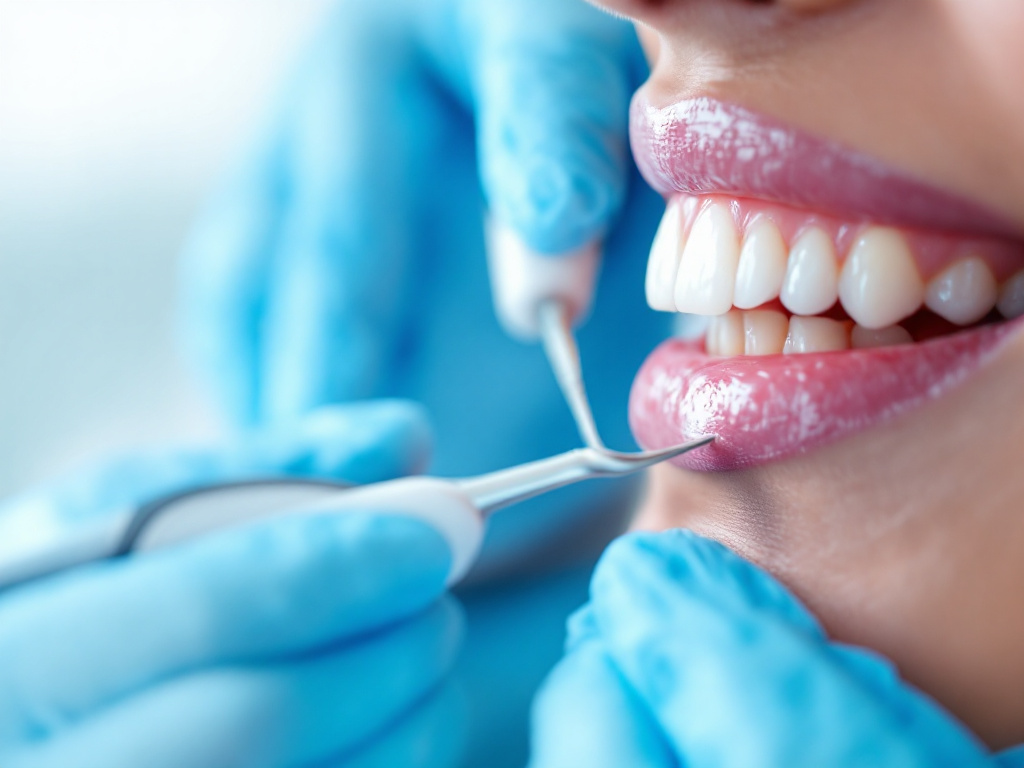
Deep cleaning for gums is the common name for scaling and root planing. During this treatment, your dental team removes hardened plaque and bacteria from above and below the gumline and smooths the roots of your teeth so your gums can heal and reattach. It is a non surgical periodontal therapy that targets the infection driving gum disease, or periodontitis, rather than just polishing the visible parts of your teeth [1].
Understanding how deep cleaning works and what it does inside your gums can help you make confident decisions about your gum disease treatment dentist and your long term oral health.
Signs you may need deep cleaning
Deep cleaning is not for everyone. It is a targeted treatment that is recommended when there is clear evidence of gum disease that goes beyond what a regular cleaning can address.
Common symptoms you might notice
You may be a candidate for deep cleaning for gums if you experience:
- Bleeding when you brush or floss
- Red, swollen, or tender gums
- Persistent bad breath or a bad taste in your mouth
- Gums that are pulling away from your teeth
- Teeth that feel slightly loose or shifting
- Spaces forming between teeth that were not there before
These are all warning signs that infection may be active below the gumline. If you recognize these symptoms, it is important to schedule a periodontal evaluation rather than waiting to see if things improve on their own.
What your dentist looks for
During a comprehensive gum exam, your dentist or hygienist will gently measure the space between your teeth and gums with a small probe. Healthy gums usually have pocket depths of 1 to 3 millimeters. When pockets are deeper than 3 millimeters, especially 4 millimeters or more, it shows that plaque and tartar have collected below the gumline where your toothbrush and floss cannot reach [2].
Deep cleaning is typically recommended when:
- Gum pockets are 4 millimeters or deeper
- There is bleeding when the gums are probed
- X rays show bone loss around teeth
- There is visible tartar buildup under the gums
These clinical signs indicate that gingivitis has progressed to periodontitis, which requires more intensive periodontal therapy than a standard cleaning can provide [3].
How deep cleaning treats gum disease
Gum disease starts when plaque, a sticky film of bacteria, builds up on your teeth and along the gumline. If it is not fully removed every day, it hardens into tartar that locks bacteria in place. Over time, the toxins from these bacteria irritate your gums, cause them to pull away from your teeth, and eventually damage the bone that holds your teeth in place.
Deep cleaning for gums breaks this cycle.
Scaling: removing bacteria above and below the gumline
The first step is scaling. Your dentist or hygienist uses hand instruments and ultrasonic tools to remove plaque and tartar from:
- The visible surfaces of your teeth
- The spaces between your teeth
- The root surfaces below the gumline
This is more thorough than a regular cleaning, which focuses mainly on areas above the gums. Deep cleaning goes into the periodontal pockets to remove material that you cannot access at home, which is why it is often described as gum pocket cleaning. By clearing out this buildup, scaling reduces the amount of bacteria that are attacking your gums and bone [1].
Root planing: helping your gums reattach
The second step is root planing. After the tartar is removed, your dental professional smooths the root surfaces of your teeth. Rough roots give bacteria places to hide. When the roots are smoother, plaque does not stick as easily and your gums are more likely to heal and reattach to the tooth.
This reattachment is one of the key ways deep cleaning for gums strengthens your oral health. As the gums heal and tighten around the teeth, periodontal pockets become shallower, which makes it harder for bacteria to cause future damage and easier for you to keep the area clean at home [2].
If you want to learn more about this procedure in detail, you can also explore scaling and root planing.
What to expect at your deep cleaning appointment
Knowing what will happen during your deep cleaning dental appointment can ease anxiety and help you prepare.
Number of visits and time involved
A full mouth deep cleaning usually takes one or two visits, and each visit is often 1 to 2 hours long depending on how many areas of your mouth need treatment and how advanced your gum disease is [4]. Many offices treat one half or one quadrant of your mouth at a time so you can stay comfortable.
Comfort and anesthesia
Because deep cleaning goes below the gumline, your dentist will almost always use local anesthesia to numb the treatment area. This keeps the procedure comfortable even if your gums are inflamed or sensitive. You stay awake, but you should not feel sharp pain, only some pressure or vibration from the instruments [5].
For many patients, this is reassuring, especially if you are already dealing with sore or bleeding gums and are nervous about treatment.
Possible use of antibiotics
In some cases, your dentist may recommend:
- A medicated mouthwash
- Topical antibiotics placed directly into deep pockets
- Oral antibiotics, especially if your immune system is compromised
These options help reduce bacterial levels and support healing when infection is more advanced [6].
How deep cleaning strengthens your oral health
Deep cleaning for gums is about more than just making your teeth feel clean. It actively changes the disease process happening around your teeth and creates a healthier foundation for your whole mouth.
Reducing inflammation and bleeding
By removing the plaque and tartar that irritate your gums, deep cleaning gives your body a chance to calm the chronic inflammation. As the infection is controlled, you should notice:
- Less redness and swelling
- Reduced bleeding when brushing or flossing
- Less tenderness along the gumline
This is a key goal of gum inflammation treatment and bleeding gums treatment. When inflammation is under control, your gums can form a stronger seal around your teeth again [7].
Helping gums reattach and pockets shrink
As healing progresses, the tissues begin to reattach to the roots. This can:
- Decrease pocket depths
- Reduce places where bacteria can hide
- Make daily brushing and flossing more effective
Over time, this tighter attachment supports the bone and connective tissues that hold your teeth in place, which is central to efforts to prevent tooth loss from gum disease. Colgate notes that deep cleaning helps reduce periodontal pocket depth and prevents further tissue loss by allowing gums to reattach to the teeth [2].
Protecting bone and preventing tooth loss
If gum disease is left untreated, the chronic infection gradually breaks down the bone around your teeth. This is what eventually leads to loose teeth and tooth loss. Deep cleaning interrupts this destructive process by removing the bacterial source of inflammation.
Cleveland Clinic emphasizes that the goal of scaling and root planing is to improve gum health so you can avoid tooth loss and reduce the need for more invasive treatments later on [8]. For many adults, especially if you are noticing early mobility or gum recession, this is one of the most important reasons to move forward with treatment.
Improving breath and everyday comfort
Persistent bad breath is a common and often embarrassing sign of gum disease. When deep pockets trap bacteria and debris, odor can linger no matter how often you brush.
By clearing out these pockets, deep cleaning can significantly improve breath and reduce that constant sour or metallic taste some patients notice. If you are struggling with these symptoms, deep cleaning is a key step in bad breath from gum disease treatment [9].
When gum disease is treated early with deep cleaning, many patients avoid more complex and costly procedures later and keep their natural teeth far longer than they otherwise would.
Recovery and healing after deep cleaning
Healing from deep cleaning for gums is usually straightforward, but it happens in stages. Understanding what is normal can help you feel more at ease in the days and weeks that follow.
What you may feel right after treatment
Once the numbness wears off, it is common to notice:
- Mild soreness or tenderness of the gums
- Slight swelling around treated areas
- Temporary tooth sensitivity to hot, cold, or sweet
- Minor bleeding when you brush the first day or two
Most people describe the discomfort as manageable, similar to bruised gums rather than sharp pain, and it typically fades within a few days to a week [6]. Over the counter pain relievers are usually sufficient, although your dentist may prescribe medication if needed [10].
At home care to support healing
Your dentist will give you specific aftercare instructions, which may include:
- Brushing gently with a soft brush twice a day
- Flossing carefully to avoid traumatizing healing gums
- Using a prescribed antimicrobial mouth rinse
- Rinsing with warm salt water to soothe soreness
- Avoiding very hard, crunchy, or sticky foods for a few days
- Not using tobacco while your gums heal
Following these directions closely promotes smoother healing and helps your gums form a tighter seal with your teeth. Colgate notes that post deep cleaning care may also include cold compresses and anti inflammatory medicines if you are more sore than expected [2].
How long healing takes
Surface tenderness usually improves within 5 to 7 days. The deeper healing that happens inside your gums and around the roots takes longer. Many sources report that full healing and gum reattachment typically progress over 6 to 8 weeks [10].
Your dentist will usually schedule a follow up visit 4 to 6 weeks after your deep cleaning to:
- Re measure gum pockets
- Evaluate bleeding and inflammation
- Check your home care techniques
- Decide whether additional gum infection treatment or advanced periodontal treatment is needed
If symptoms like significant pain, heavy bleeding, or swelling get worse instead of better, or if they persist beyond a week, you should contact your dentist for gum problems right away for guidance [9].
How often you may need deep cleaning
One of the most common questions is how often deep cleaning should be done. The answer depends on the severity of your gum disease and how your mouth responds to treatment.
Initial treatment vs ongoing care
For many patients, a single course of deep cleaning, completed over one or two visits, is enough to control the active infection. Cleveland Clinic notes that most people ideally need only one deep cleaning, followed by good home care and routine dental cleanings to maintain the results [8].
However, if you have chronic or more advanced periodontitis, you may need continued supportive care beyond a typical six month cleaning schedule.
Periodontal maintenance
After deep cleaning, your dentist may recommend a customized periodontal maintenance appointment every 3 to 4 months rather than every 6 months. During these visits, the hygienist:
- Cleans above and below the gumline in areas where pockets are still present
- Monitors pocket depths and bleeding
- Reinforces home care and checks for new problem areas
WHMCNY explains that this type of maintenance helps control bacterial recolonization and stabilize gum health after initial treatment for periodontitis [3]. Dental Arts of Plymouth also notes that patients with gum disease or tooth decay are often advised to have deep cleaning level care about every three months, while individuals with healthy gums typically only need regular cleanings twice a year [10].
If you have long standing or recurrent issues, targeted chronic gum disease care may be recommended to keep your condition stable.
Deep cleaning vs regular dental cleanings
Understanding the difference between deep cleaning for gums and a routine cleaning can clarify why your dentist is recommending a more advanced procedure.
| Feature | Regular dental cleaning | Deep cleaning for gums (scaling & root planing) |
|---|---|---|
| Primary purpose | Preventive care and surface stain removal | Treat active gum disease and infected pockets |
| Area treated | Above the gumline and shallow sulcus | Above and below the gumline, including deep pockets |
| Need for local anesthesia | Usually not needed | Typically required to keep you comfortable |
| Frequency | Typically every 6 months | One course as needed, followed by periodontal maintenance |
| Target problem | Plaque, tartar, and minor gingivitis | Periodontitis, bone loss, gum detachment |
Routine cleanings are essential for prevention, but once gum disease has created pockets and bone changes, deep cleaning is often the most effective first line gum disease treatment short of surgery [11].
When deep cleaning is part of a bigger plan
Deep cleaning for gums is often the foundation of a broader strategy to treat and manage periodontal disease.
Early, moderate, and advanced stages
- In early stage gum disease, deep cleaning combined with consistent home care can often reverse or halt damage and prevent the need for more invasive procedures. You can learn more on our early stage gum disease treatment page.
- In moderate to advanced disease, scaling and root planing is usually the first phase of advanced periodontal treatment. After healing, your dentist reassesses and may recommend additional therapies if deep pockets or infection remain.
Across all stages, the aim is to manage gum disease long term rather than only reacting when symptoms are severe.
Addressing specific concerns like recession and swelling
If you are noticing gum recession or localized swelling, deep cleaning can be one component of your care:
- A dentist for receding gums will evaluate whether bone loss from gum disease is contributing to the recession and may use deep cleaning to remove the bacterial trigger.
- If you need focused treatment for swollen gums, especially around specific teeth, scaling and root planing in those areas can reduce inflammation and protect nearby bone.
In many cases, treating the underlying periodontal infection helps stabilize these visible changes and prevents them from progressing.
Taking the next step for healthier gums
If you are dealing with bleeding, swelling, gum tenderness, bad breath, or shifting teeth, ignoring the problem rarely makes it go away. Deep cleaning for gums gives you a way to address the infection directly, reduce inflammation, and protect the bone that supports your teeth.
By understanding what scaling and root planing does inside your gums and how it supports long term periodontal therapy, you can partner with your dental team to:
- Control active gum disease
- Strengthen the attachment between your gums and teeth
- Preserve as much natural tooth structure as possible
If you are unsure whether you need deep cleaning or a routine cleaning, start by scheduling a thorough periodontal evaluation with a trusted dentist for gum problems. With the right diagnosis and a clear plan, you can take confident steps to strengthen your oral health and keep your smile stable for years to come.
References
- (Healthline, Cleveland Clinic)
- (Colgate)
- (WHMCNY)
- (WHMCNY, Cleveland Clinic)
- (Healthline, Santa Monica Periodontics & Implant Surgery)
- (Healthline, Broadway Family Dental)
- (Healthline, Dental Arts of Plymouth)
- (Cleveland Clinic)
- (Healthline)
- (Dental Arts of Plymouth)
- (Santa Monica Periodontics & Implant Surgery)