Why preparation matters before a dental bridge consultation
If you are thinking about a dental bridge consultation to replace a missing or badly damaged tooth, how you prepare can affect everything from your treatment options to your final results. A dental bridge is a fixed restoration that uses crowns on healthy nearby teeth to support one or more artificial teeth, restoring your ability to chew and speak comfortably while improving your smile.
Before your dentist recommends a bridge, you will go through a full examination to determine whether your remaining teeth, gums, and jawbone can safely support it. Avoiding common mistakes before this appointment protects your oral health, keeps more restorative options on the table, and helps you move from tooth pain and frustration to a stable, long‑term solution.
Understand what happens at a dental bridge consultation
Knowing what to expect helps you prepare and avoid missteps that delay treatment or limit your options.
During a typical dental bridge consultation you can expect:
- A conversation about your symptoms, goals, and medical history
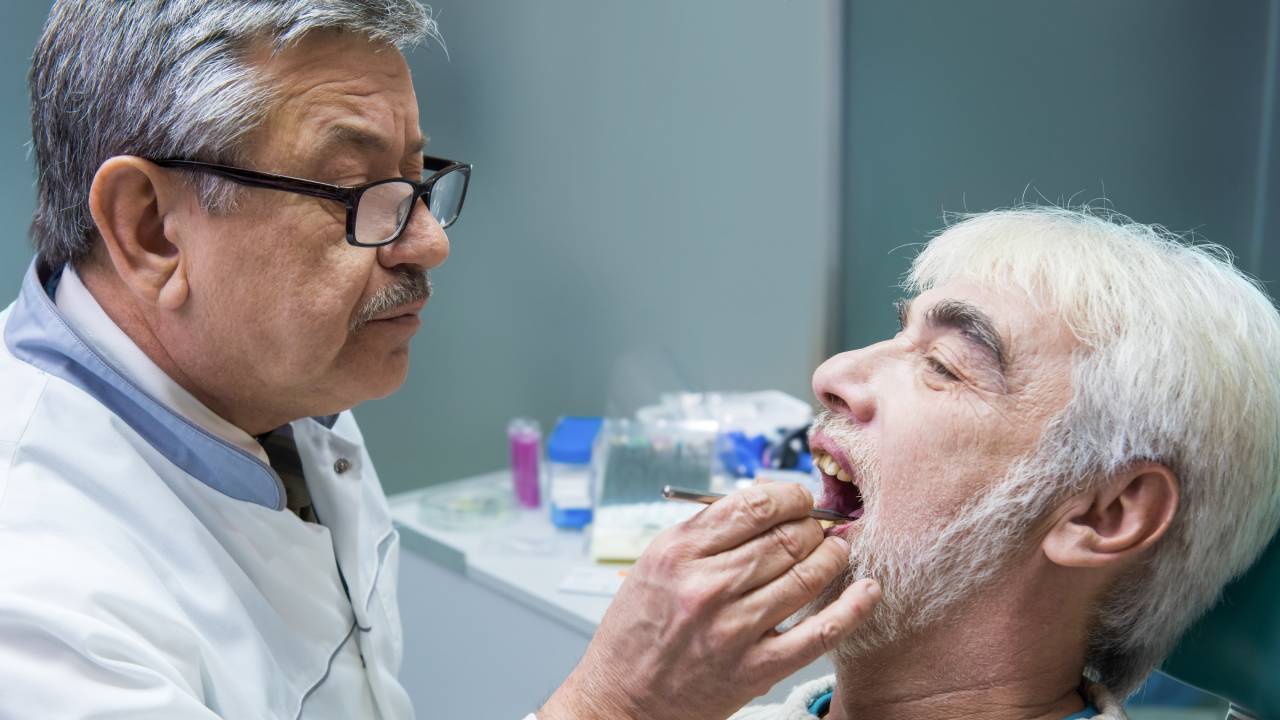
- A thorough exam of your teeth and gums
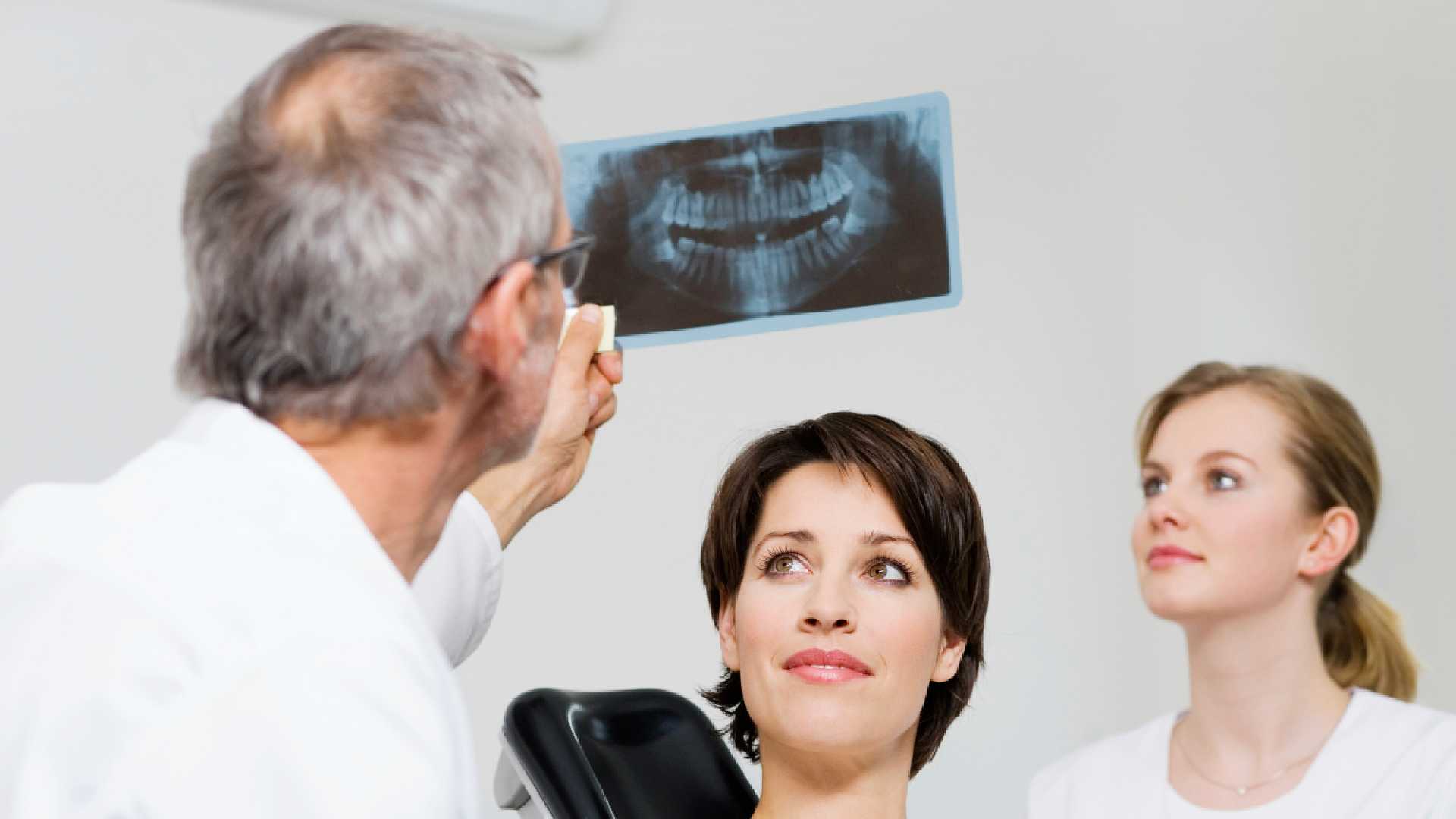
- X‑rays and possibly impressions or digital scans
- A discussion of treatment options, such as a dental bridge for missing tooth, crowns, root canal therapy, or implants
- A review of costs, timelines, and insurance coverage
Dentists use this visit to decide whether a bridge is the safest way to restore your bite, or if another service like a dental crown procedure, root canal treatment dentist, or implant is better for you. At some offices, the process from consultation to final bridge may be completed in as few as two visits.
Mistake 1: Waiting until tooth pain is severe
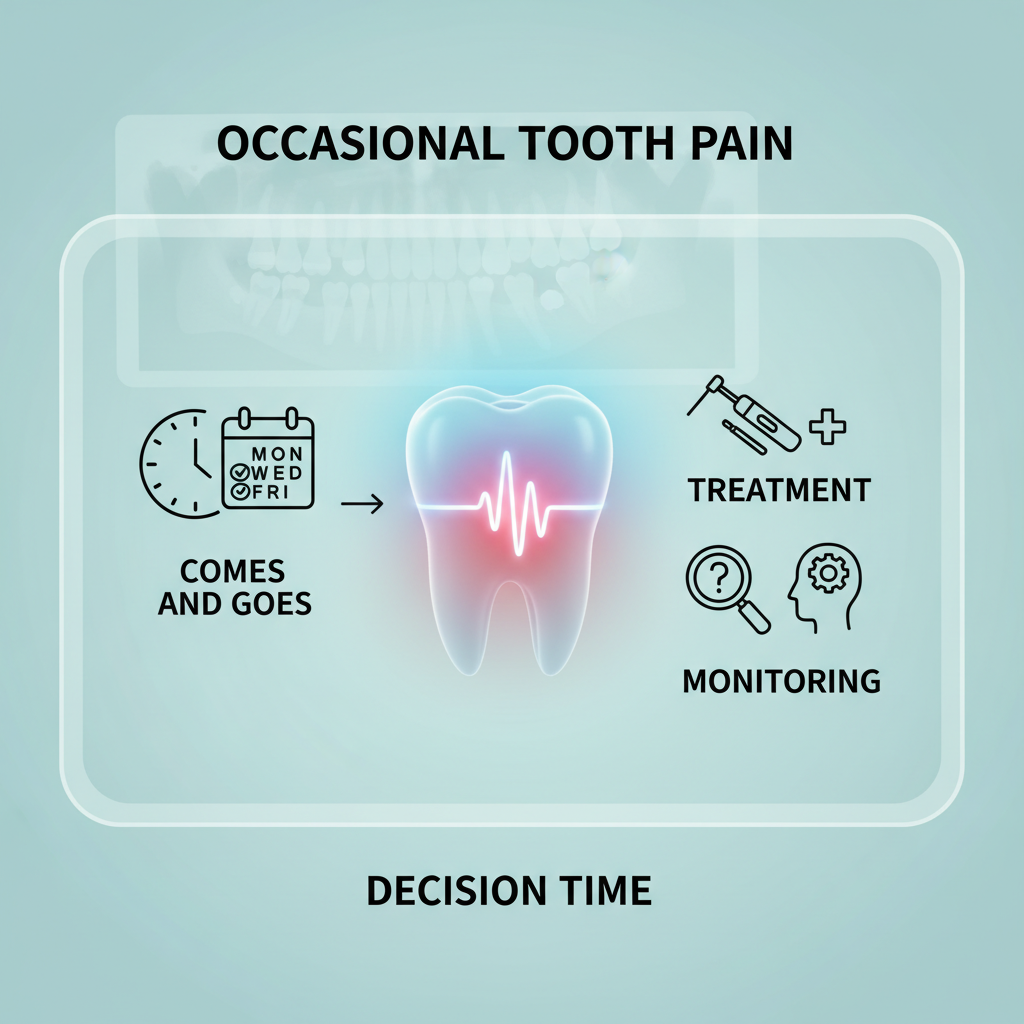
If you are postponing your dental bridge consultation because the pain “is not that bad yet,” you could be making your situation harder and more expensive to fix.
When decay, cracks, or infection affect a tooth, damage tends to spread. What might be solved with a cavity filling appointment or best treatment for cavity can progress into a larger problem that requires a root canal treatment dentist, broken tooth restoration, or even extraction. Once a tooth is lost, you are then looking at a dental bridge for missing tooth or implant to restore function.
Delaying care also lets neighboring teeth shift toward the empty space. This can change your bite, create new areas that are difficult to clean, and make it harder to design an ideal bridge later.
If you are already dealing with tooth pain, sensitivity, or trouble chewing, talking to a tooth pain treatment dentist promptly gives you more options and a better chance at preserving as much natural tooth structure as possible.
Mistake 2: Hiding your full medical and dental history
Your dentist bases recommendations on the full picture of your health. If you leave out key details, even by accident, it can affect both safety and the quality of your bridge.
Before your dental bridge consultation, gather information on:
- All medications you take, including over‑the‑counter drugs and supplements
- Blood thinners or medications that affect bleeding or healing
- Allergies to metals, anesthetics, or dental materials
- Previous crowns, fillings, implants, or root canals in the area
- Medical conditions such as diabetes, heart disease, or autoimmune disorders
Dental providers specifically recommend bringing a complete medication list and reviewing it with your dentist before a bridge procedure so they can choose appropriate pre‑surgery medicines and manage any risks.
Being open about smoking, grinding or clenching your teeth, or a history of dental anxiety is just as important. These factors can influence whether a bridge, implant, or another permanent tooth restoration is the best path forward.
Mistake 3: Ignoring other damaged teeth
If you are focused on a single missing or painful tooth, it is easy to overlook smaller chips, fractures, or cavities in other areas. However, a successful bridge depends on the health of the teeth that will support it.
A traditional dental bridge attaches to neighboring teeth with crowns, which means those teeth must be strong and relatively healthy. If you delay treating cracks or decay in those abutment teeth, your dentist might not be able to use them for support. That can limit your options or lead to a bridge that fails sooner than expected.
Before or during your dental bridge consultation, it helps to address:
- Visible chips or worn edges with restore chipped tooth services
- Cracks and fractures with a cracked tooth repair dentist or dental crown for cracked tooth
- Deep decay with repair decayed tooth or large cavity treatment options
- Structural issues in back teeth with fix damaged molar and tooth fracture repair
When your entire mouth is evaluated as part of a dental restoration consultation, you are more likely to end up with a stable bridge and fewer surprise problems later.
Mistake 4: Assuming a bridge is your only option
A dental bridge is a well established, effective way to replace one to four missing teeth in a row, and for many people it provides a good balance of cost, treatment time, and function. However, it is not the only way to restore your smile.
During your dental bridge consultation, your dentist may also discuss:
- Individual crowns to restore damaged tooth structure
- A root canal treatment dentist if the tooth can be saved
- Implants, especially if you want to replace a single tooth without affecting neighbors
- Partial dentures in certain cases
Bridges usually require fewer appointments and do not involve jaw surgery or long healing times, so they are often faster than implants. They are also generally less expensive upfront and more likely to be covered by insurance. On the other hand, implants can last longer and do not require reshaping nearby teeth.
Going into your consultation with an open mind, instead of insisting on one specific procedure, lets your dentist weigh your age, bone level, bite, and overall oral health to recommend the most stable and comfortable solution.
Mistake 5: Not asking about costs and insurance
Cost surprises can derail your treatment plan or push you to postpone care that you urgently need. You avoid this by treating your dental bridge consultation as a financial planning visit as well as a clinical one.
According to a recent national cost study, the average price for a traditional dental bridge in the United States is about 5,197 dollars, with most cases ranging between 4,100 and 9,650 dollars, depending on the number of teeth treated, materials, and region . Many dental insurance plans cover a portion of this. For example, Delta Dental notes that their plans often cover 50 to 80 percent of the bridge cost after the deductible when you see an in‑network dentist.
At your consultation, you should ask:
- How many teeth will the bridge replace
- Which materials are recommended and why
- What each visit will involve
- How your insurance benefits apply
- What your estimated out‑of‑pocket cost will be
Dental organizations strongly recommend talking with both your dentist and your insurance carrier before proceeding so you can maximize benefits and understand your share of the cost. You can also discuss financing options such as healthcare credit cards or in‑office payment plans.
Mistake 6: Overlooking bone and gum health
You might assume that as long as there is a gap, a bridge can fill it. In reality, your gums and underlying bone need to be healthy enough to support the teeth that will hold the bridge.
Insufficient bone or gum support can lead to:
- Loosened abutment teeth
- Discomfort when chewing
- Early bridge failure that requires repair or replacement
Dental experts emphasize that sufficient bone density is crucial for the stability of both traditional and implant supported bridges. If bone structure is inadequate, the bridge may fail quickly and need to be reset, which can cause further damage.
If you have had missing teeth for a long time, or have a history of severe gum disease, your dentist may recommend additional treatments before or instead of a bridge, such as:
- Deep cleaning to stabilize your gums
- A root canal treatment dentist to clear infection that threatens supporting teeth
- Bone grafting if you are considering an implant supported option
This is another reason to schedule your dental bridge consultation early. The sooner bone loss or gum issues are identified, the more options you will have to rebuild support and pursue a secure restoration.
Mistake 7: Eating and drinking the wrong way before your appointment
What and when you eat or drink before your visits matters, particularly if your dentist plans to use numbing injections or sedation. Following general guidance can help you avoid discomfort or complications.
Based on current pre‑operative instructions:
- You can usually eat a light meal before a dental bridge appointment if you are not receiving sedation
- You should avoid large, heavy meals or very hot or very cold beverages immediately before treatment
- If sedation is planned, your dentist may give specific fasting instructions
- You should continue taking regular medications, including blood thinners, unless your dentist or physician tells you otherwise
After your procedure visit, numbness from local anesthesia can last 1 to 6 hours. During that time, you should not chew on the numb side or drink hot liquids so you do not accidentally bite or burn yourself. Your consultation is the best time to clarify all pre and post appointment instructions so you know exactly how to prepare.
Mistake 8: Underestimating dental anxiety
If you feel anxious about dental work, you are not alone. Anxiety is one of the most common reasons people delay or cancel appointments, even when they are in pain. Ignoring this anxiety can lead you to put off your dental bridge consultation or rush through it without asking the questions you need answered.
Many practices are prepared to help you manage fear and stress. Suggestions from dental teams include:
- Practicing deep breathing and relaxation exercises before and during visits
- Listening to calming music with headphones
- Asking for comfort items such as pillows, blankets, or noise cancelling headphones
- Bringing a trusted friend or family member to the consultation for support
You can also ask your dentist in advance what options are available for anxious patients, such as shorter visits, more frequent breaks, or sedation for longer procedures. Being honest about your concerns allows your team to structure your visits so that you can comfortably complete both the consultation and any needed restorative care, such as replace missing tooth with bridge, broken tooth restoration, or infected tooth treatment.
When you feel heard and supported, you are much more likely to follow through with the full treatment plan and protect your long‑term oral health.
Mistake 9: Skipping questions about procedure steps and recovery
A dental bridge usually requires at least two visits after the initial consultation. Understanding what happens at each step helps you plan time off work, arrange transportation if needed, and prepare your home for a smoother recovery.
According to multiple dental sources, you can generally expect:
- First treatment visit
- Preparation of the abutment teeth, which often involves reshaping enamel to make room for crowns
- Impressions or digital scans so the lab can create your custom bridge
- Placement of a temporary bridge or temporary crowns to protect your teeth while the permanent bridge is made
- Second visit
- Removal of the temporary restoration
- Checking the fit, bite, and shade of your permanent bridge
- Cementing the bridge into place once everything feels right
Most people need one to two weeks for their teeth and gums to adjust after bridge placement, although it can take longer to feel completely natural when chewing and speaking.
Use your dental bridge consultation to ask:
- How many visits your case will require
- Whether any teeth will also need root canal therapy or other work before bridge placement
- How long each appointment is expected to take
- What you should expect in terms of soreness, sensitivity, and eating after each visit
This is also a good time to discuss any other restorative needs such as rebuild worn down teeth, a same day dental crown consultation, or tooth nerve pain treatment so that your overall treatment plan can be coordinated efficiently.
Mistake 10: Neglecting long‑term care planning
A dental bridge is designed to be a durable restoration, but like any dental work it does not last forever. Most bridges last around 5 to 15 years with proper care. However, plaque buildup, decay in supporting teeth, and bite problems can shorten that lifespan.
At your consultation, do not forget to ask about long‑term maintenance:
- How to floss and clean around the bridge, including any special tools
- Whether fluoride treatments or prescription toothpaste would help protect abutment teeth
- How often you should schedule checkups and cleanings
- Signs that a bridge or supporting tooth may need attention
Since the teeth holding the bridge are covered with crowns and carry extra load, staying on top of routine visits is critical. Providers often recommend preventive checkups at least every six months to monitor the health of the bridge and surrounding teeth.
If you have other restorations, such as fillings from a tooth filling dentist or crowns from a dental crown procedure, your dentist will use these appointments to make sure everything works together and to protect the investment you have made in your smile.
Use your consultation to move from pain to a plan
If you are living with tooth pain, a broken or missing tooth, or ongoing problems with chewing, you do not have to manage these issues alone. A well prepared dental bridge consultation can be the first step toward a stable, comfortable bite and renewed confidence.
Avoiding common mistakes such as waiting too long, leaving out medical details, or skipping questions about cost and recovery allows your dentist to create a treatment plan that fits your health needs, schedule, and budget. Whether the best solution is to replace missing tooth with bridge, pursue broken tooth restoration, or explore other permanent tooth restoration options, the most important step is to start the conversation.
If you are ready to address tooth pain, cracks, or missing teeth, consider scheduling a dental restoration consultation. With the right preparation, your dental bridge consultation can quickly turn uncertainty into clear next steps for long‑term oral health.
References
- (Drummond Dental Care, Cleveland Clinic)
- (Drummond Dental Care, West Broad Dental)
- (Cleveland Clinic)
- (CareCredit, Modern Dental of Springfield)
- (Delta Dental, Cleveland Clinic)
- (Modern Dental of Springfield, Dental Enhanced)
- (Elite Dental and Dentures PC, Cleveland Clinic)
- (Elite Dental and Dentures PC, Delta Dental)
- (CareCredit)
- (Delta Dental)
- (Modern Dental of Springfield, CareCredit)
- (Dental Enhanced)
- (CareCredit, Nichols Family Dentistry, Modern Dental of Springfield)
- (Nichols Family Dentistry)
- (Cleveland Clinic, CareCredit)