Regular dental hygiene appointments are one of the simplest and most effective ways to protect your smile and your overall health. When you know what to expect and how to prepare, your visit feels smoother, more comfortable, and more productive. Whether you are scheduling a dental exam and cleaning for yourself, your child, or a senior family member, a little preparation helps you get the most from every visit.
In this guide, you will find practical, simple tips to prepare for your next dental hygiene appointment, along with what typically happens during a professional cleaning and how to make ongoing preventive care part of your routine.
Understand why your dental hygiene appointment matters
Your dental hygiene appointment does much more than “make your teeth feel clean.” It is a preventive visit that helps your dentist and hygienist:
- Remove plaque and tartar that brushing and flossing miss
- Check for early signs of cavities and gum disease
- Monitor any changes in your teeth, gums, and bite over time
- Screen for oral cancer and other hidden problems
Professional cleanings reach areas that at-home care simply cannot. Plaque and tartar build up around the gumline and between teeth, even when you brush and floss daily. Over time this buildup increases your risk for gum disease, tooth decay, and bad breath. A hygienist uses specialized tools to safely remove this buildup, which helps keep gums healthier and your smile brighter.
Most dentists recommend a cleaning every six months, although your schedule may be adjusted based on your personal risk factors and oral health history. If you are overdue, preparing well for your next appointment is an excellent step toward a healthier mouth.
Gather your information before you go
A little preparation at home can save time and help your dental team give you more personalized care.
Update your medical and dental history
Your mouth and overall health are closely connected. Certain health conditions, medications, and past dental treatments can affect your gums, enamel, and healing. Before your visit, take a moment to:
- List your current medications, including over-the-counter products and supplements
- Note any recent hospitalizations, surgeries, or major diagnoses
- Write down any allergies, especially to medications or materials like latex
- Think about any dental symptoms you have noticed: sensitivity, bleeding gums, broken teeth, jaw pain, or headaches
Many offices, including those that offer a comprehensive dental exam or new patient dental exam, review your medical and dental history at the start of each visit. Having your information ready helps your hygienist quickly spot anything that may increase your risk for gum disease, decay, or complications.
Bring your insurance and payment details
If you have dental insurance, bring your card and any necessary identification. Preventive visits such as routine exams and cleanings are often covered in full or at a high percentage, which can make it easier to maintain a preventive dental care plan. Many plans pay 100 percent of routine cleanings at least once a year when you see an in-network dentist.
If you do not have coverage, it is still important to keep up with regular care. A routine dental cleaning typically costs between 75 and 200 dollars, with an average around 125 dollars, depending on where you live and the experience of the dental professional. Understanding these costs ahead of time helps you budget for an affordable dental checkup and avoid more expensive problems later.
Plan to arrive a little early
Try to arrive 10 to 15 minutes before your scheduled time. This gives you a chance to:
- Complete or update any forms
- Review your contact and insurance information
- Share any new concerns with the front desk
Many practices recommend that you arrive a few minutes early, especially for your first hygiene visit or when you have had health changes since your last appointment.
Take care of your teeth the day of your visit
Simple steps on the day of your dental hygiene appointment can make your cleaning more comfortable and your exam more accurate.
Brush and floss, but do not overdo it
Brush and floss your teeth as you normally would before your appointment. This helps remove loose food particles and plaque and lets your hygienist focus on areas that truly need attention.
Avoid brushing extremely hard or using new whitening products right before your visit. Aggressive brushing can irritate your gums, and your hygienist needs to see your teeth and gums in their usual condition so they can give realistic advice about home care.
Be mindful of what you eat and drink
You do not need to skip meals before a routine dental checkup, but you may want to:
- Avoid sticky or strong-smelling foods right beforehand
- Drink water instead of sugary drinks or dark sodas, which can coat your teeth
- Skip alcohol before your appointment, especially if you feel anxious
If your appointment includes fluoride treatment or certain procedures, you might be asked not to eat or drink for 30 minutes afterward to let the fluoride fully absorb into your enamel.
Wear comfortable clothing
Cleanings usually take 30 to 60 minutes, depending on your needs and whether X-rays or additional treatments are performed. Choose clothing that allows you to relax in the dental chair. If you tend to feel cold, consider bringing a light sweater.
Share your concerns and goals with your dental team
You get more value from your dental hygiene appointment when your dentist and hygienist clearly understand your needs, concerns, and priorities.
Talk honestly about dental anxiety
If you feel nervous, embarrassed, or afraid of pain, you are not alone. Many people postpone care because of dental anxiety. Let the team know how you feel as soon as you arrive. A gentle dentist for anxiety or dentist for nervous patients can adjust the visit so you feel more at ease.
You can:
- Ask your hygienist to explain each step before they begin
- Agree on a signal, like raising your hand, if you need a break
- Request numbing gel for sensitive gums before scaling
- Bring headphones to listen to calming music or an audiobook
Practices that focus on adult preventive care often emphasize a calm, reassuring environment that encourages you to keep up with regular visits instead of avoiding them because of fear [8].
Mention sensitivity or problem areas
Tell your hygienist if you have:
- Sensitive teeth to cold or heat
- Bleeding when you brush or floss
- Bad breath that does not improve with regular brushing
- Areas where food often gets stuck
- Previous trouble with deep cleanings or X-rays
This information helps your team tailor your treatment, consider adjustments such as using a dentist for sensitive teeth, and focus on cavity prevention treatment or gum care where it is needed most.
Ask for personalized home-care advice
One of the advantages of seeing an adult dental care provider or full-service family dental office is individualized guidance. Your hygienist can show you:
- The best brushing technique for your gumline and crowded areas
- Whether you should use interdental brushes, floss picks, or water flossers
- Which toothpaste or mouthwash is a good fit for your risk level
Routine visits are an excellent time to adjust your daily routine so you can better prevent cavities between appointments.
Know what to expect during your hygiene appointment
Understanding the typical steps of a dental hygiene appointment reduces uncertainty and helps you feel more comfortable in the chair.
Most professional cleanings follow a structured process similar to this:
- Oral exam
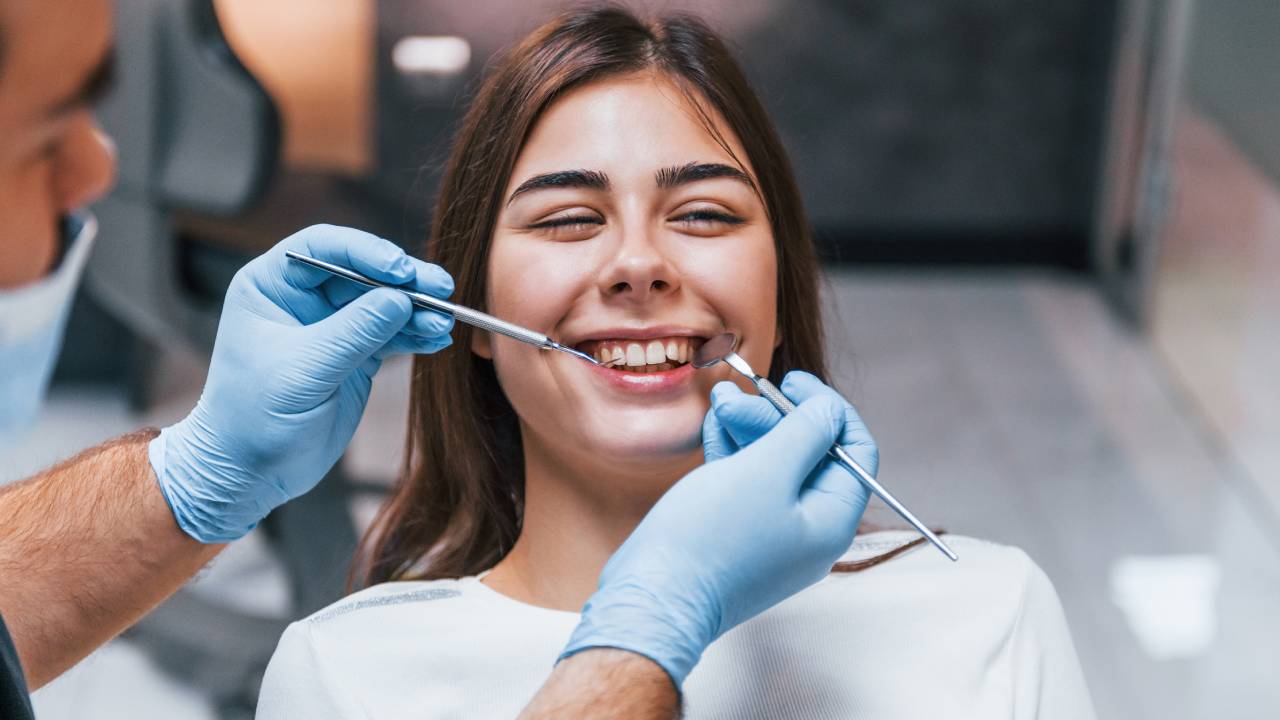
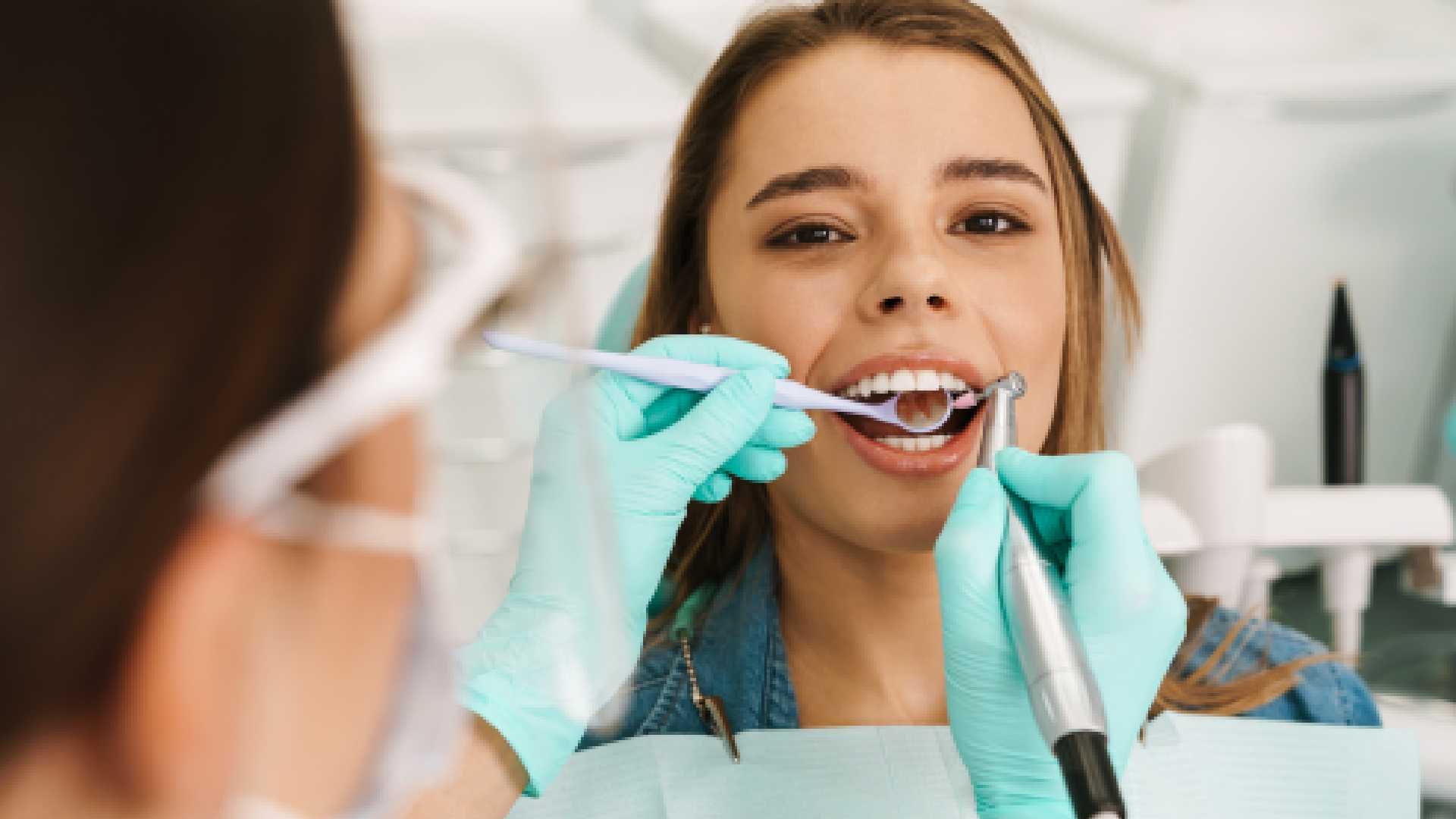
Your hygienist uses a small mirror to examine your teeth, gums, and soft tissues. They check for inflammation, plaque, tartar, bleeding, or visible decay. If anything appears serious, the dentist may look before the cleaning continues. - Digital X-rays if needed
Depending on your age, history, and risk for cavities or gum disease, your visit may include digital dental X rays. These images help detect problems like decay between teeth, bone loss, and impacted teeth that cannot be seen with a simple visual exam. - Scaling to remove plaque and tartar
Using a scaler and sometimes an ultrasonic instrument, the hygienist removes hardened tartar from around your gumline and between teeth. This step might take longer if it has been a while since your last cleaning or if tartar buildup is heavy. - Polishing
After scaling, your teeth are polished with a special brush and a gritty prophylaxis paste. This helps remove remaining surface stains and smooths your enamel. You may hear some noise from the handpiece, but the process is typically comfortable. - Professional flossing and rinse
Your hygienist flosses carefully between all your teeth and then has you rinse to clear away any debris. This step often reveals areas that need more attention at home. - Fluoride or preventive treatments
Many patients benefit from fluoride varnish or gel to strengthen enamel and reduce cavity risk. Your dentist may recommend fluoride treatment for adults, fluoride treatment for kids, or dental sealants for children based on age and risk levels. Fluoride treatment often involves a tray or varnish applied to your teeth, if varnish is used you are usually asked not to eat or drink for about 30 minutes afterward to get full protection. - Dentist exam and screening
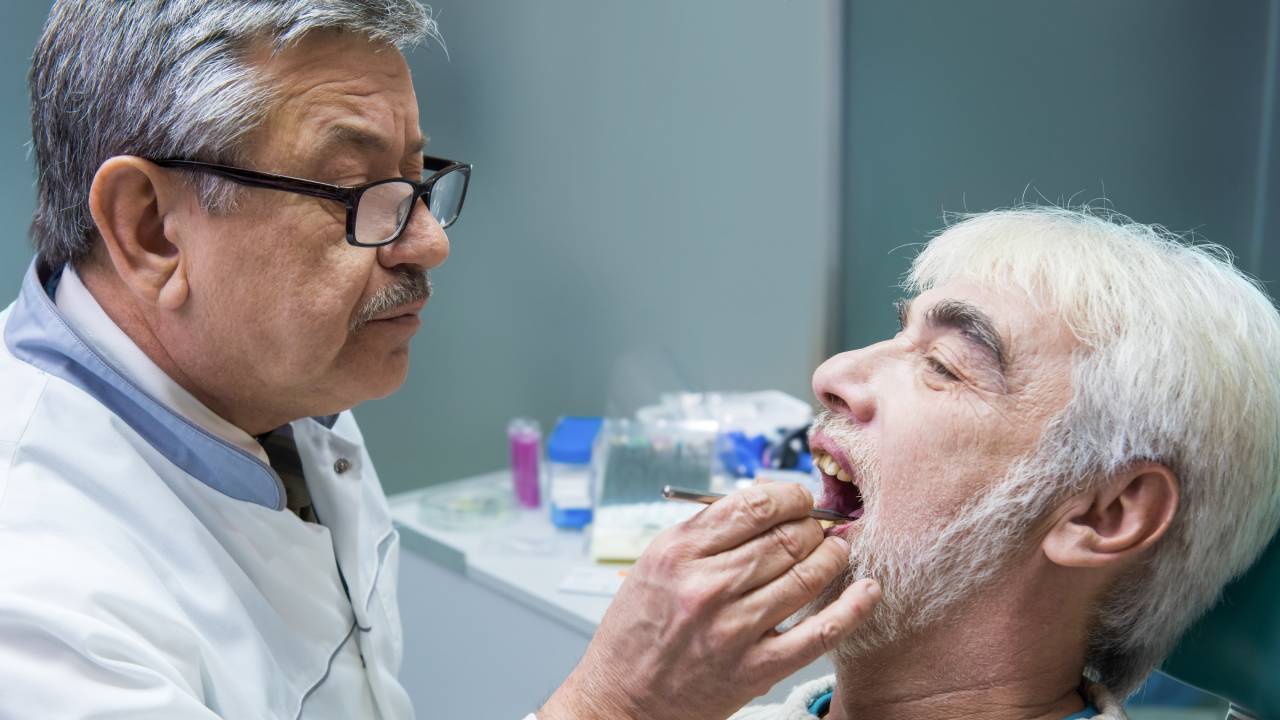
After the hygienist finishes, the dentist performs a comprehensive dental exam. This may include checking your bite, looking for signs of decay or fractures, and performing an oral cancer screening, especially if you see an oral cancer screening dentist. The dentist then reviews your X-rays, discusses any findings, and recommends follow-up care if needed.
Cleanings are generally safe and well tolerated. You might experience brief sensitivity or mild sore gums, especially if there was significant tartar under the gumline. These symptoms typically resolve within a few days and can usually be managed with over-the-counter pain relievers if needed.
A typical routine cleaning and exam, including scaling and polishing, often takes about 45 minutes. Special cleanings or additional treatments may require extra time, which is another reason it helps to arrive a bit early and allow some flexibility in your schedule.
Help kids and teens get ready for their visits
If you are bringing children or teens to the dentist, preparing them well can set the tone for a lifetime of healthy habits.
Start early with child-friendly visits
Children should have their first dental exam by their first birthday or when their first tooth erupts. A gentle dentist for kids first visit helps your child get comfortable with the sights and sounds of the office and allows the dental team to guide you on teething, brushing, and diet.
For ongoing pediatric dental checkup visits:
- Use positive language and avoid scary words
- Explain that the dentist “counts teeth” and “washes sugar bugs away”
- Bring a favorite toy or comfort item
- Schedule earlier in the day when most children have more energy
Your dentist may also recommend dental sealants for children or fluoride treatment for kids to protect back teeth and help prevent cavities.
Support teens with tailored guidance
Teenagers often need a different approach than younger children. A provider who offers teen dental care services understands the challenges of braces, sports, sugary drinks, and late-night snacking.
For teen hygiene appointments, encourage your teen to:
- Ask questions directly about whitening, sports mouthguards, or piercings
- Be honest about soda or energy drink habits
- Practice brushing and flossing well if they wear orthodontic appliances
Regular visits help reinforce healthy choices at an age when independence is increasing and long-term habits are forming.
Prepare older adults for comfortable care
If you are an older adult yourself or you help care for a parent or grandparent, consistent preventive visits remain crucial throughout life. An experienced senior dental care services provider helps address dry mouth, gum recession, medication effects, and restorations like crowns, bridges, or dentures.
Before a senior’s dental hygiene appointment:
- Bring a complete list of medications and medical conditions
- Mention any difficulty with swallowing, mobility, or lying back
- Talk about any pain when chewing or changes in fit of dentures
The dental team can adapt the visit, schedule shorter or more frequent appointments if needed, and coordinate with medical providers to protect both oral and overall health.
Plan follow-up and stick with a preventive schedule
Once your cleaning and exam are complete, your dentist will recommend when you should return. For many people, this is every six months, but others may need more frequent visits, especially if they have gum disease, a history of frequent cavities, or other risk factors.
To make it easier to stay on track:
- Schedule your next hygiene appointment before you leave the office
- Add the appointment to your calendar and set reminder alerts
- If your schedule changes often, ask about text or email reminders
Keeping a consistent relationship with a family dentist accepting new patients allows your provider to monitor changes over time, catch problems early, and adjust your preventive dental care plan as your needs evolve.
Take the next step toward a healthier smile
Preparing for your dental hygiene appointment is simple, but the impact on your long-term oral health is significant. When you gather your information, communicate your concerns, and understand what to expect, you help your dental team provide the most comfortable and effective care possible.
If you are ready to schedule a new patient dental exam or routine tooth cleaning dentist visit for yourself or your family, reaching out to a trusted family dental office is the best next step. With regular dental exam and cleaning appointments and a personalized plan for home care, you can protect your smile, reduce the risk of future problems, and feel more confident every time you visit the dentist.
References
- (Shelby Dental Care Center, Cleveland Clinic)
- (Cleveland Clinic, Delta Dental)
- (Dental Centers of Missouri)
- (Humana)
- (Waterman Family Dentistry, Humana)
- (New England Dental)
- (Cleveland Clinic)
- (Dentist Willow Street)
- (Shelby Dental Care Center)
- (New England Dental, Cleveland Clinic)
- (Delta Dental)
- (Humana, Cleveland Clinic)