What dental sealants for children are
When you think about protecting your child’s smile, you probably focus on brushing, flossing, and regular checkups. Dental sealants for children add another powerful layer of protection. Sealants are very thin, protective coatings made from durable plastic or resin that your dentist paints onto the chewing surfaces of your child’s back teeth, usually the molars and premolars. These are the teeth with deeper grooves that are hardest to keep clean and most likely to develop cavities.
Once the material is applied, it flows into those tiny pits and fissures, then hardens to form a smooth, protective shield. This barrier helps keep food particles, plaque, and acid away from the tooth enamel, which significantly lowers your child’s risk of tooth decay in those areas. Sealants are clear, white, or slightly tinted, so they are barely noticeable when your child smiles or talks.
Sealants do not replace good home care or your child’s pediatric dental checkup. Instead, they work together with regular cleanings, fluoride, and healthy habits as part of a complete cavity prevention plan.
How sealants help prevent cavities
Back teeth are built for grinding food, which is why they have deep grooves on the chewing surfaces. Those grooves are exactly where bacteria like to hide. Even with careful brushing, it is hard for your child to clean every tiny pit and fissure, especially if they are still developing coordination.
By filling in those grooves, dental sealants for children turn a rough surface into a smoother one. This has several important effects:
- Food and plaque cannot settle as easily into the deep pits
- Acids from bacteria have less chance to sit on the enamel
- Brushing becomes more effective because the toothbrush bristles can reach more of the surface
- The teeth are physically shielded from cavity-causing bacteria and acids
Research shows how effective this protection can be. Children without sealants are about three times more likely to develop cavities in their molars compared with children who have them. According to the CDC, when sealants are placed soon after the adult molars come in, they can prevent up to 80% of cavities in those teeth for 2 years, and they continue to protect against about 50% of cavities for up to 4 years.
That level of prevention is significant, especially during the years when kids tend to get the most cavities. Adding sealants to regular dental exam and cleaning visits gives your child’s back teeth the best possible start.
When your child should get sealants
The timing of dental sealants for children matters. The goal is to seal the teeth as soon as they are at risk of decay but before cavities start.
Most children’s first set of permanent molars appear around age 6, and the second set appears around age 12. Applying sealants soon after each of these molars erupts provides early protection. Many children benefit from sealants sometime between ages 6 and 14, when their new back teeth are most cavity prone.
The CDC notes that sealants can be used on both baby and permanent teeth, and can start as early as age 2 in some cases. However, many dentists reserve sealants primarily for permanent molars with deep grooves, especially if your child already has a history of cavities or has difficulty brushing well.
During your child’s dentist for kids first visit and each subsequent routine dental checkup, your dentist evaluates:
- Which permanent molars and premolars have come in
- How deep the grooves and pits are
- Whether there are early signs of decay
- How well your child is brushing and flossing
Together, you and your dentist can decide the best time to place sealants on each tooth. If your child is older and has not had sealants yet, it is not too late. Teenagers can still benefit, especially if they are cavity prone or wearing orthodontic appliances, and you can ask about this during teen dental care services visits.
What to expect during the sealant procedure
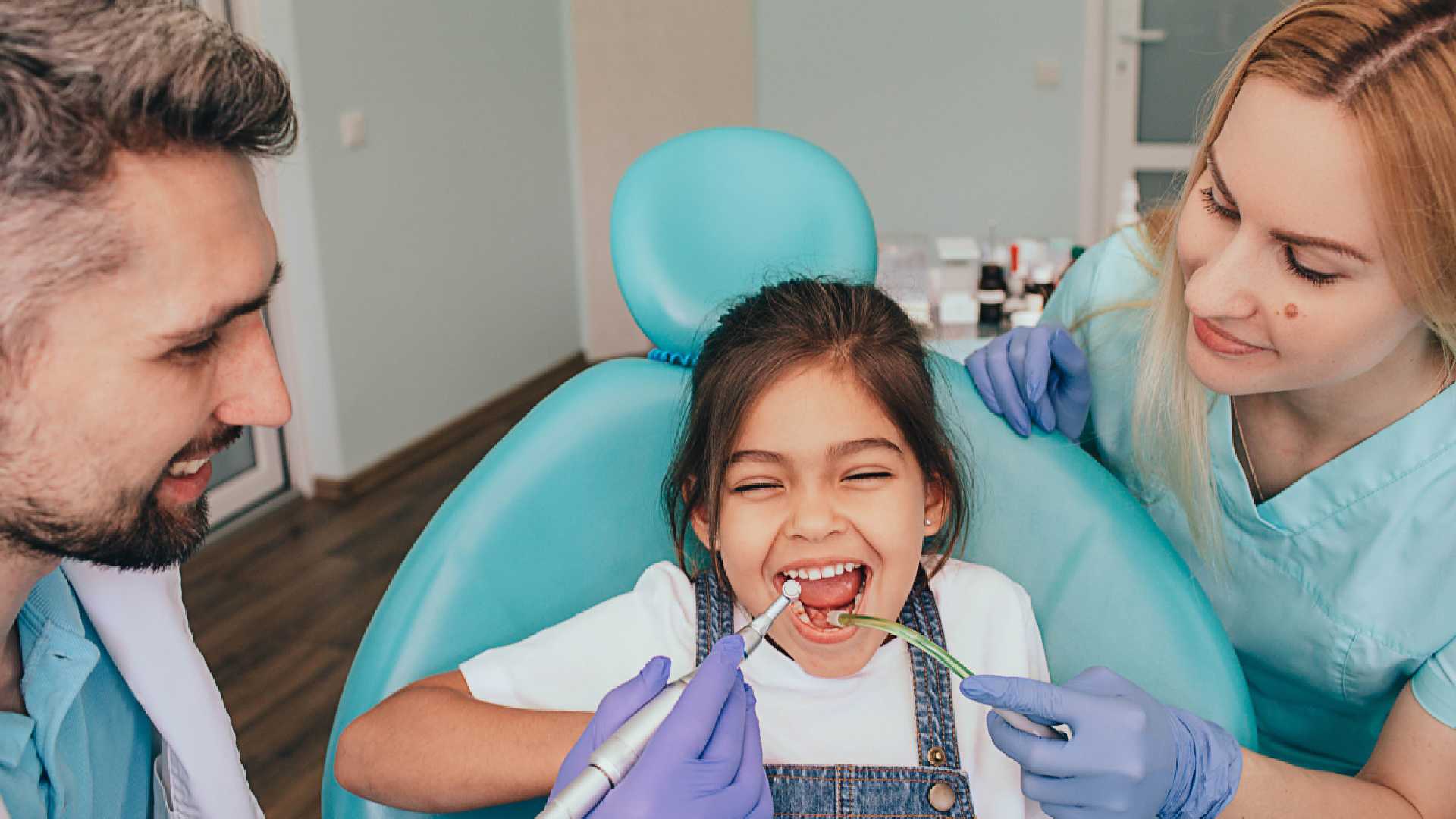
If your child feels nervous about dental visits, it often helps to know exactly what will happen. The procedure for dental sealants for children is quick, simple, and completely noninvasive. No shots, drilling, or numbing medicine are needed, which is why sealants are usually very easy for kids to tolerate.
Most of the time, sealants are placed during a normal dental hygiene appointment or tooth cleaning dentist visit. Each tooth typically takes just a few minutes.
Here is what you and your child can expect:
- Cleaning the tooth
The dentist or hygienist thoroughly cleans the chewing surface of the tooth to remove plaque and food debris. This may be done with a small brush and polishing paste, similar to what is used during a comprehensive dental exam cleaning. - Drying and isolating
The tooth is dried and kept dry with cotton rolls or a small shield so saliva does not interfere with the sealant bonding. - Preparing the surface
A gentle etching gel is placed on the chewing surface for a short time, usually seconds. This slightly roughens the enamel so the sealant can adhere well. Then the gel is rinsed away and the tooth is dried again. - Applying the sealant
The liquid sealant material is carefully painted onto the grooves of the tooth. It flows into all the pits and fissures. - Curing with light
A special blue curing light is used to harden the sealant quickly. This step does not hurt, and the light does not heat the tooth. Once hardened, the sealant becomes a solid, plastic-like coating. - Checking the bite
The dentist checks your child’s bite and smooths any small high spots so the tooth feels normal when they chew.
Your child can eat and drink normally as soon as the appointment is over. There is no downtime, and most kids say they barely felt anything during the procedure.
If your child is anxious or has had difficult dental experiences before, you can look for a gentle dentist for anxiety or dentist for nervous patients who is experienced in working with children and can move at a pace that feels comfortable.
How long sealants last and how to care for them
When you invest in dental sealants for children, you want to know how long they will protect your child’s teeth. According to several sources, sealants typically last several years. Many last up to about 5 years and sometimes longer, although they can gradually wear away over time. Some pediatric dentists report that with excellent care, sealants can last as long as 10 years in some children.
Your child does not need to do anything special at home to care for the sealants. Daily brushing with fluoride toothpaste, flossing, and limiting sugary snacks are still important, but these are the same habits recommended for every child.
The most important step for maintenance is consistent checkups. During your child’s pediatric dental checkup and new patient dental exam if they are seeing a new provider, the dentist will:
- Check that the sealants are still in place
- Look for chips, cracks, or wear
- Reapply sealant if part of it has worn off
- Confirm that no decay has started underneath
If a sealant partially or fully wears away, it can usually be repaired or replaced quickly and easily. Keeping up with regular routine dental checkup visits makes it much more likely that sealants continue to offer strong protection throughout childhood and into the teen years.
Safety and side effects: what you should know
For most children, dental sealants are considered a very safe preventive treatment. The material is designed to stay on the tooth surface and does not affect how the tooth develops internally. Because the procedure requires no drilling, numbing shots, or removal of healthy tooth structure, the risk of complications is low.
Possible side effects are usually minor and temporary. Your child may notice:
- A slightly different texture when they chew on the sealed teeth
- Mild sensitivity for a short period, which typically resolves quickly
- A sealant that feels “tall” at first, which your dentist can adjust
Allergic reactions to sealant materials are rare. If your child has a history of allergies to dental materials or plastics, you should discuss this with your dentist in advance.
You may have heard questions about BPA and sealants. Most modern dental materials are formulated to keep any potential exposure extremely low, and research has not linked standard use of dental sealants to harmful health effects when used as directed. If you have concerns, your dentist can explain the type of material they use and discuss options.
If your child has particularly sensitive teeth or dental anxiety, talk to your prevent cavities dentist or dentist for sensitive teeth about ways to keep your child comfortable before and during the visit. The noninvasive nature of sealants makes them an excellent option even for nervous young patients.
Cost and insurance coverage for sealants
Cost is an important part of deciding whether preventive treatments are realistic for your family. Sealants are usually one of the more affordable ways to protect your child’s teeth.
Without insurance, the typical cost is often cited in the range of about 40 to 70 dollars per tooth, with some offices listing 20 to 50 dollars per sealant depending on location, material, and patient age. Your cost can vary based on where you live and the specific practice you visit.
Many dental insurance plans cover sealants for children as part of preventive dental benefits, often at or near 100 percent for eligible ages and teeth. Some pediatric dental practices note that sealants for kids are covered by most plans because they help prevent more expensive restorative treatments later.
The CDC has highlighted how cost effective sealants can be at a public health level. Children aged 6 to 11 without sealants are almost three times more likely to have cavities in their molars than children with sealants, and school sealant programs have been shown to save more than 11 dollars in dental treatment costs for every sealed tooth.
If you are looking for an affordable dental checkup for your child, you can ask the office in advance:
- Whether your child’s sealants will be covered by your specific plan
- What your copay or out-of-pocket estimate will be
- Whether there are payment plans or preventive packages that include sealants
In most cases, the cost of sealants is far lower than the combined cost of fillings, possible baby root canals, and crowns that may be needed when cavities develop and progress.
When sealants may not be recommended
Dental sealants for children are highly effective, but they are not right for every child or every tooth. Your dentist will evaluate several factors before recommending them.
Some situations where sealants might not be appropriate include:
- Teeth with shallow grooves
If your child’s molars and premolars have relatively smooth chewing surfaces, there may be less benefit from sealing them. Children with shallow grooves who brush well may have a lower cavity risk in those teeth. - Teeth that already have decay
Sealants are meant to prevent cavities, not treat existing ones. If there is already decay in a tooth, a filling or other restorative treatment is usually needed instead. - Children who cannot sit still for the procedure
Very young or highly anxious children who are not yet able to keep their mouth open and cooperate long enough for the steps to be completed may need to wait until they are more ready. Your dentist may try again at a later visit or focus on other preventive steps until that time. - Older children with excellent hygiene
Some pediatric dentists may not recommend sealants for older children who have very good brushing and flossing habits and have never had a cavity, particularly if their teeth do not have deep pits and fissures. In those cases, careful monitoring and fluoride may be enough.
Your dentist’s goal is to tailor a preventive dental care plan to your child’s actual risk, not to use every possible procedure on every patient. Honest communication about habits, diet, and family cavity history helps your dentist make the most appropriate recommendations.
How sealants fit into a complete prevention plan
Sealants are just one part of building long-term oral health for your whole family. To keep smiles healthy from childhood through adulthood, it helps to think of cavity prevention as a layered approach.
A strong prevention plan for your child will usually include:
- Regular dental exam and cleaning visits
- Age-appropriate digital dental x rays when needed to check hidden areas between teeth
- Sealants on cavity prone molars and premolars
- Professional fluoride treatment for kids to strengthen enamel
- Daily brushing with fluoride toothpaste and daily flossing at home
- Limiting sugary snacks and drinks, especially between meals
- Guidance from a prevent cavities dentist on any specific risk factors for your child
Sealants, fluoride, and regular checkups work together. Sealants protect the grooves, fluoride strengthens the entire tooth surface, and cleanings plus exams catch any issues early.
As you look for a family dental office that can care for everyone in your household, you may also want services such as an oral cancer screening dentist, fluoride treatment for adults, and an adult dental care provider and senior dental care services for yourself and older family members.
Choosing a family-focused dentist for your child’s sealants
If you are ready to consider dental sealants for children, the next step is choosing a dentist who understands family needs and preventive care. A family-focused practice can make it easier to keep everyone’s care organized in one place.
When you visit a family dentist accepting new patients, you can ask:
- How they evaluate which children and teeth need sealants
- What materials they use and how long they typically last
- How often they expect your child to return for checkups
- How they help anxious or nervous children feel at ease
Look for a provider who offers thorough new patient dental exam visits, clear explanations, and practical guidance you can use at home. A practice that emphasizes prevention, education, and comfort is more likely to partner with you over the long term.
If you have delayed scheduling because of nervousness, for yourself or your child, seek out a gentle dentist for anxiety who is experienced with families and children. Many parents find that once they take that first step and schedule a dental hygiene appointment, it becomes much easier to stay consistent.
Sealants are a simple, safe, and effective tool to help your child avoid painful cavities and more complex dental work later in life. By combining them with regular routine dental checkup visits and good home care, you give your child a strong foundation for a healthy smile well into adulthood.