
What makes digital dental X rays different
When you hear “digital dental x rays,” you might picture the same old bitewing films you grew up with. In reality, modern digital imaging is very different from the traditional film X rays you may remember. The technology has evolved to give your dentist clearer information, often with less radiation and much more comfort for you and your family.
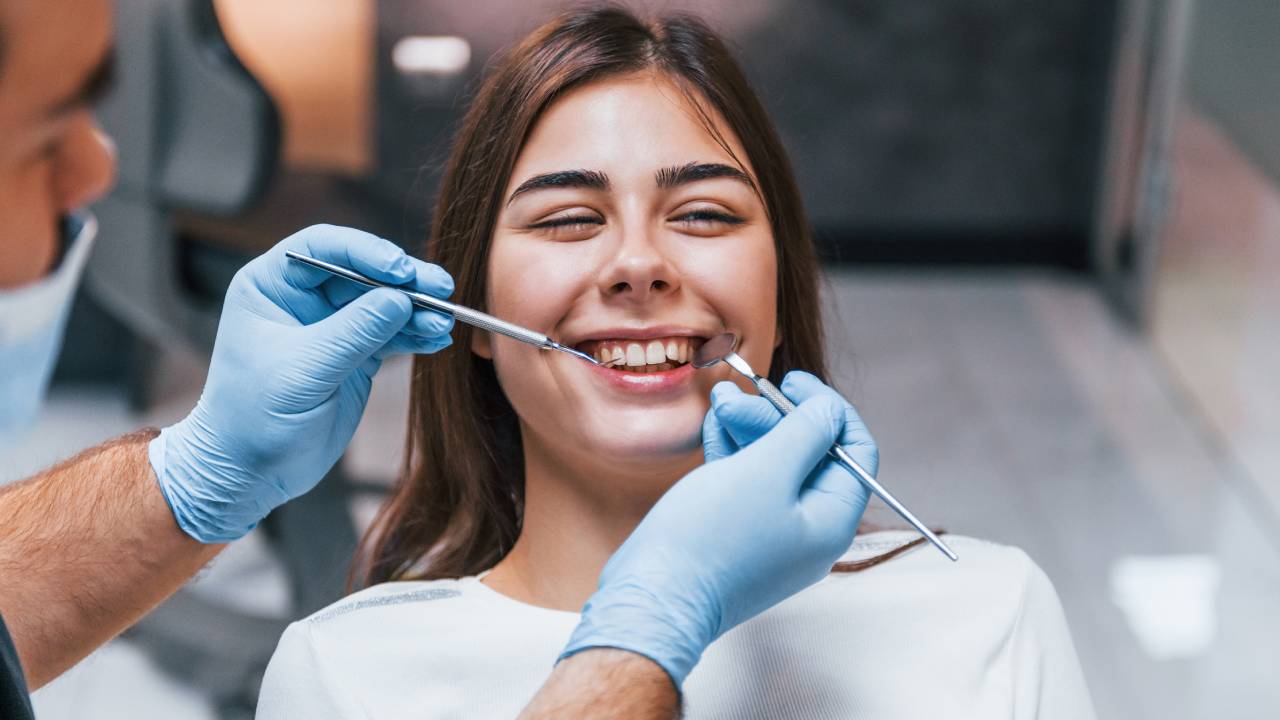
During a dental exam and cleaning at Total Smiles of Leland, digital X rays are one of the most important tools your dentist uses to protect your long-term oral health. They help reveal what the naked eye cannot see, from tiny cavities between teeth to early signs of bone loss or infection. For families who want a dependable home for ongoing dental care, understanding how these images work can make you feel more confident every time you sit in the chair.
How digital dental X rays work
Digital dental X rays capture images with electronic sensors instead of film. The sensor connects directly to a computer, so your dentist can see the result almost instantly. This is very helpful during a routine dental checkup, when your dentist is looking for subtle changes from one visit to the next.
With digital systems, the X ray beam is also more tightly focused. The American Dental Association (ADA) notes that modern equipment that limits the beam to the exact area being imaged provides better protection against unnecessary exposure than older methods that relied on broad shielding alone . That combination of focused beams and digital sensors is what sets today’s imaging apart from what you may remember.
The role of X rays in preventive care
If your teeth feel fine, it can be tempting to wonder why you even need X rays at your new patient dental exam. The reason is simple. Many common dental problems start silently, below the surface of your teeth and gums. By the time you feel pain, the issue is usually more advanced and more complicated to treat.
Digital dental X rays help your dentist:
- Find small cavities between teeth, under existing fillings, or along the gumline
- Monitor bone levels around your teeth to catch early signs of gum disease
- Check tooth roots for infection, cysts, or other changes
- Watch how your child’s permanent teeth are forming and erupting
- Plan treatment for wisdom teeth, implants, or orthodontic needs
Paired with professional cleanings and an individualized preventive dental care plan, X rays give you and your dentist a clear road map for protecting your smile at every age.
Lower radiation and updated safety guidelines
You may have questions about radiation exposure, especially if you have children or need X rays more frequently due to past dental work. Digital dental X rays use significantly less radiation than older film-based systems. The ADA notes that doses have dropped as digital techniques have been adopted, yet it continues to emphasize moderation and appropriate use, even with lower levels of exposure.
In 2024, the ADA Council on Scientific Affairs updated its recommendations on dental imaging safety. The panel advised that routine use of lead aprons and thyroid collars is no longer recommended for radiation protection, because modern digital equipment and carefully limited beam size are more effective in preventing unnecessary exposure. They also cautioned that aprons can sometimes block the main beam, which might force your dentist to retake images and, as a result, increase total exposure.
The updated guidelines align with other leading radiology organizations and were developed with input from FDA medical physicists, underscoring how seriously the profession takes your safety. At Total Smiles of Leland, digital imaging is used thoughtfully, only when it is expected to provide real benefit for your diagnosis or treatment.
Why judicious use of X rays still matters
Even at low levels, dental X rays are a form of ionizing radiation. A large review of studies published between 1997 and 2015 found associations between frequent dental X ray exposure and certain health risks, including increased rates of meningioma brain tumors in some groups and higher risks of thyroid cancer in others. Some of these risks were stronger in people who had full mouth series of X rays at younger ages, which highlights why your dentist is cautious about how often they recommend imaging.
These findings are one reason the ADA emphasizes that X rays should always be justified and appropriate, not automatic or one size fits all for every patient and every visit. Your dentist considers your age, oral health history, current symptoms, and past treatment before recommending any image. The goal is to keep your lifetime exposure as low as reasonably achievable while still capturing the information needed to protect your health.
Comfort and convenience for your family
If you remember biting down on sharp cardboard film holders, you will likely appreciate the comfort upgrade of digital dental X rays. Today’s sensors are often thinner and shaped more like your natural teeth, so they feel less intrusive. Images also take only a moment to capture, which helps children, seniors, and anyone with a strong gag reflex.
During a pediatric dental checkup or a dentist for kids first visit, this speed can make the appointment feel easier for your child. For older adults who visit a senior dental care services provider, the shorter time in the chair and the ability to adjust sensor placement are small but meaningful advantages, especially for anyone with mobility or joint concerns.
Digital systems also streamline your visit. Images appear directly on a computer screen so your dentist can review them with you in real time. If you are working with an adult dental care provider who coordinates treatment with specialists, those files can often be shared electronically instead of being physically mailed or re-taken.
Clearer images for better decisions
Another major advantage of digital X rays is image quality. Your dentist can zoom in, adjust contrast, and compare current pictures to earlier ones taken at your family dental office. This level of detail can help detect changes at their earliest stages, which is exactly what you want in preventive care.
For example, a tiny dark spot between two teeth might be the start of decay. With a clear digital image and the right cavity prevention treatment, such as fluoride or sealants, your dentist may be able to stop that spot from turning into a full cavity. When your dentist uses digital imaging during a comprehensive dental exam, you get a more accurate picture of your current oral health and a more targeted plan for the months ahead.
When your dentist can see more, you often need less: fewer surprises, smaller treatments, and a greater chance of keeping your natural teeth healthy for life.
Supporting cavity prevention at every age
Digital dental X rays are especially valuable when your goal is simple: avoid cavities. Combined with regular cleanings and home care, imaging helps your dentist decide which preventive treatments are likely to give you the most protection.
During your child’s visit, X rays help your dentist determine whether dental sealants for children are a good fit for the chewing surfaces of their molars. If early signs of weakening enamel show up on images, your dentist might also recommend fluoride treatment for kids to strengthen their teeth.
For adults with a history of decay or sensitive enamel, periodic imaging can guide decisions about fluoride treatment for adults and other cavity prevention treatment options. If you are looking for a prevent cavities dentist who focuses on stopping problems as early as possible, digital X rays are an important part of that approach.
Tailoring imaging to each life stage
The way your dentist uses digital X rays will naturally shift as you move through different stages of life. There is no single schedule that fits everyone, but there are common patterns that guide your care.
During your child’s early visits, the focus is on monitoring growth and eruption patterns and identifying cavities that may develop quickly in baby teeth. As they move into adolescence and you explore teen dental care services, X rays help track developing wisdom teeth and identify alignment issues that may benefit from orthodontic care.
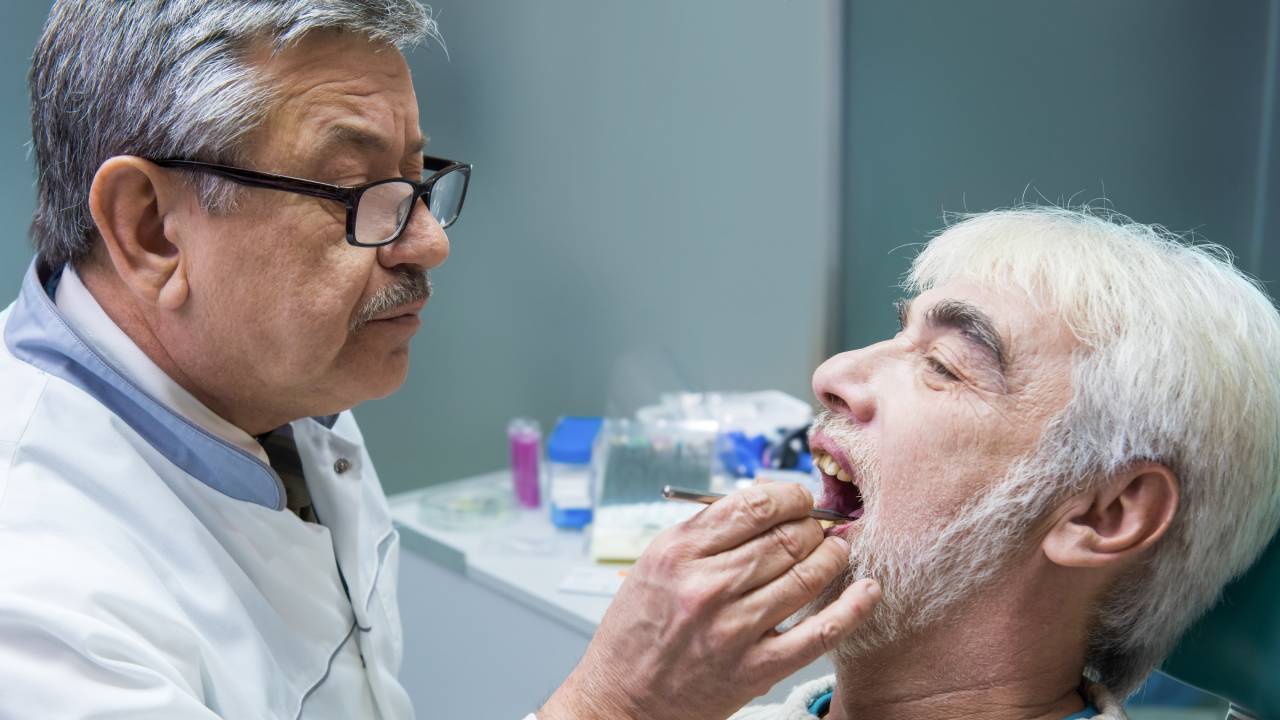
In adulthood, images are used to watch existing fillings and crowns, identify bone changes that could signal gum disease, and plan restorative work if needed. For seniors, your senior dental care services provider relies on digital X rays to monitor bone density, evaluate dentures or implants, and catch root decay that may not cause pain right away.
Throughout each phase, your dentist adjusts how often images are taken based on your current risk level. A patient with frequent decay may need more frequent imaging than someone who has gone several years without a new cavity. Your family dentist accepting new patients will discuss this with you so that you understand how your personal X ray schedule is determined.
Safety for dental teams and why it matters to you
Digital dental X rays are safer not only for you, but also for the dental professionals who work around them every day. A review of occupational exposure found that female dentists and hygienists who were frequently exposed to dental diagnostic X rays had higher rates of thyroid cancer in one study and that long periods of unprotected exposure were linked to rare cancers in other reports. These findings motivated the profession to improve both equipment and safety practices.
When your dental team uses updated digital technology and follows strict positioning and exposure protocols, they reduce scatter radiation in the office for everyone. This means you benefit from a setting where imaging is planned, controlled, and never treated as a casual step. It is one more way a prevention-focused practice protects your health during every visit.
Reducing anxiety with predictable, gentle care
If dental visits make you nervous, the idea of any X ray machine may feel overwhelming. A gentle dentist for anxiety understands that trust is built step by step. Digital dental X rays support that process because they are quick, quiet, and easy to explain as they appear on the screen in front of you.
During a visit with a dentist for nervous patients, your dentist can walk you through each image in plain language, pointing out healthy areas as well as any spots that need attention. Seeing the problem and the plan side by side often helps you feel more in control. When imaging is used thoughtfully and explained clearly, many patients find that their anxiety decreases from one dental hygiene appointment to the next.
Digital systems can also mean fewer retakes. Since your dentist sees each image immediately, it is easier to adjust angle or positioning if anything needs to be changed, which shortens the overall time you spend in the chair.
How often you might need digital X rays
Your personal schedule for digital dental X rays will depend on your age, health history, and risk for decay or gum disease. There is no rigid rule that applies to everyone, which is why your dentist asks about your medical history, medications, and previous dental work during a new patient dental exam.
In general:
- Children and teens who are at higher risk for cavities may need bitewing X rays more often so that small cavities can be treated before they cause pain
- Adults with few or no cavities and healthy gums may go longer between sets of images
- Patients with a history of gum disease, many restorations, or certain medical conditions may benefit from more frequent imaging
The ADA recommends that each X ray be ordered based on clinical need, not by habit or a fixed calendar, to minimize exposure over your lifetime. At Total Smiles of Leland, your dentist will discuss the reasoning behind any image they recommend so you can make informed decisions together.
Integrating X rays with exams, cleanings, and screenings
Digital dental X rays are most powerful when they are part of a complete approach to prevention. At a typical routine dental checkup, your visit may include:
- A thorough cleaning with a tooth cleaning dentist to remove plaque and tartar
- An evaluation of your gums and bone levels
- Digital X rays as needed to see areas between teeth and below the surface
- An oral cancer screening dentist examination to check your tongue, cheeks, and other soft tissues
All of these pieces work together. Cleanings help reduce the bacteria that cause decay and gum disease, while X rays help identify the damage those bacteria may have already caused. Screenings catch subtle changes in soft tissue that are easy to miss at home. This coordinated care is what makes a family dental office so valuable when you want stable oral health for years to come.
Making preventive care affordable and accessible
Cost is a practical concern for many families. Digital dental X rays can actually help keep your care more affordable over time. By catching problems early, they often allow for smaller, less invasive treatments that cost less than extensive repairs.
If you are looking for an affordable dental checkup, ask how X rays are billed and how often they are expected to be needed. A prevention-focused practice will be transparent about costs and will recommend imaging only when it is likely to change your treatment or provide important information about your health.
Because digital files are easy to store and compare, your dentist can also monitor changes over years without repeating images unnecessarily. That long-term perspective is part of how Total Smiles of Leland supports both your health and your budget.
When to schedule your next visit
If it has been more than six months since your last dental exam and cleaning, or if you are searching for a family dentist accepting new patients, this is a good time to schedule. Whether you are bringing in a child for their first visit, coordinating teen dental care services, or maintaining your own smile with an adult dental care provider, digital dental X rays can give you and your dentist a clearer picture of what your teeth and gums need next.
If you have sensitive teeth or have put off care due to past experiences, let the office know when you call. A dentist for sensitive teeth who uses gentle digital imaging and a calm, step-by-step approach can often make your next appointment feel very different from what you remember.
Your smile is meant to last a lifetime. Digital dental X rays, used thoughtfully as part of your ongoing preventive care, are one of the simplest tools available to help make that possible. Booking your next checkup is an easy first step toward healthier teeth, healthier gums, and greater peace of mind at every age.