Understanding gum pockets and recession
If you are noticing bleeding, swelling, or receding gums, gum pocket cleaning is one of the most important steps you can take to protect your smile and prevent tooth loss.
Gum pockets, also called periodontal pockets, form when gum tissue pulls away from your teeth and creates a space where bacteria and plaque can collect. Over time, these pockets can deepen, allowing bacteria to damage the supporting tissue and bone around your teeth, which can eventually lead to loose teeth or tooth loss if not treated [1].
In healthy gums, the natural groove around each tooth is shallow, usually 1 to 3 millimeters deep. When gum disease progresses, that groove can deepen to 4 millimeters or more. At that point regular brushing and flossing no longer reach the bottom of the pocket, which allows plaque, tartar, and bacteria to thrive out of reach of your toothbrush [2].
Gum recession often develops alongside periodontal pockets. As inflammation and infection damage the tissues, your gums can shrink back, making your teeth look longer and exposing sensitive root surfaces. Targeted gum pocket cleaning and professional periodontal care are central to preventing further recession and stabilizing your oral health.
If you are experiencing bleeding or tenderness, it may be helpful to explore focused options like bleeding gums treatment so that you can address these issues before they progress.
Signs you may need gum pocket cleaning
Gum pocket cleaning is usually recommended when you show early or moderate signs of gum disease or when your dentist measures deeper pockets during an exam. Common warning signs include:
- Gums that bleed when you brush or floss
- Persistent bad breath or a bad taste in your mouth
- Red, swollen, or tender gums
- Gums pulling away from your teeth, making them look longer
- Visible tartar build up along the gumline
- Teeth that feel slightly loose or a change in your bite
Bleeding and swelling are signals that your gums are inflamed and may be infected. When inflammation persists, the attachment between your gums and teeth can break down, which is when periodontal pockets begin to form or deepen [3].
If you recognize any of these symptoms, a focused periodontal evaluation allows your dental team to measure pocket depths, assess gum recession, and determine whether you need deep gum pocket cleaning or more advanced interventions.
How dentists diagnose gum pockets
During a periodontal evaluation your dentist or hygienist uses a thin measuring tool called a periodontal probe to gently measure the depth of the space between your gums and teeth. This is done around each tooth, usually at six points.
- 1 to 3 mm is typically considered healthy
- 4 mm or more often indicates periodontal pockets and gum disease
- Deeper measurements combined with attachment loss and bone changes point to more advanced periodontitis [4]
Your dentist may also take X rays to look for bone changes around your teeth. Together, these findings help determine whether you need conservative care such as early stage gum disease treatment, gum pocket focused deep cleaning, or advanced periodontal treatment.
This exam is also a valuable time to discuss symptoms like bleeding, tenderness, and bad breath, and to plan personalized gum infection treatment if there are signs of active infection.
What professional gum pocket cleaning includes
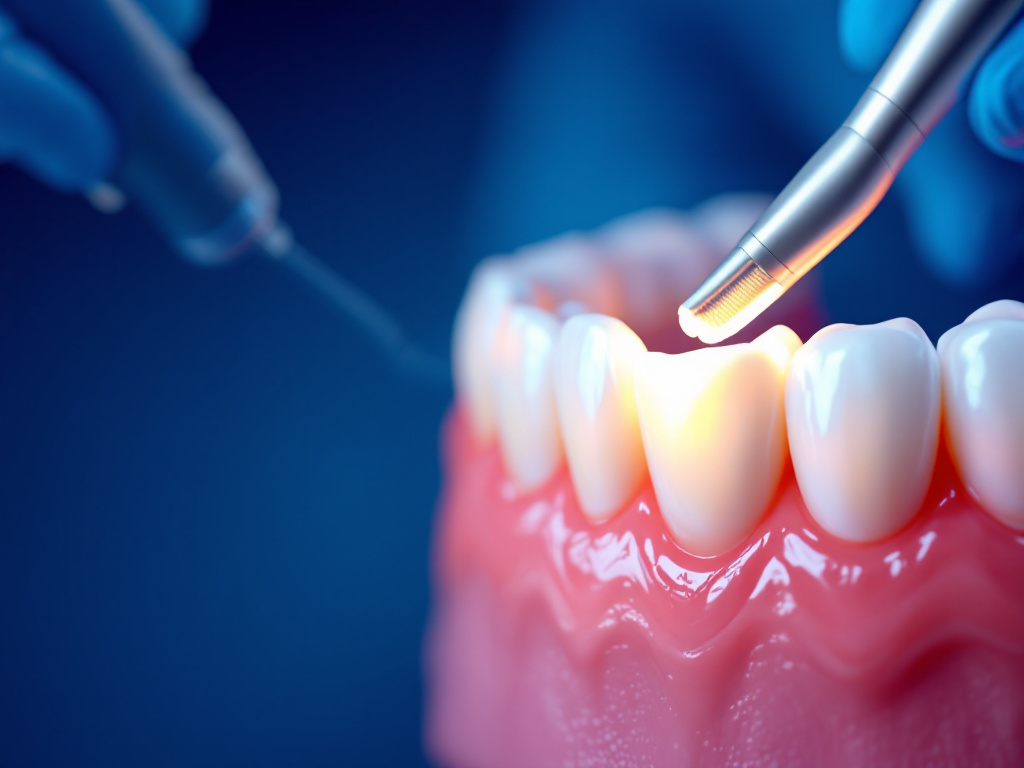
Professional gum pocket cleaning is most often performed as part of deep cleaning procedures known as scaling and root planing. These treatments target plaque and tartar that your toothbrush cannot remove, especially below the gumline and inside deep pockets.
Scaling and root planing: Deep cleaning below the gums
Scaling and root planing, sometimes called a deep cleaning for gums, is a specialized procedure that goes well beyond a routine checkup cleaning.
- Scaling focuses on removing plaque and hardened deposits, or tartar, from the tooth surfaces above and below the gumline, including inside periodontal pockets
- Root planing smooths the root surfaces so that bacteria have a harder time reattaching and so your gums can heal and reattach more tightly to the tooth surface
By smoothing and disinfecting the root surfaces, scaling and root planing reduce pocket depth and make it more difficult for bacteria to collect in those spaces again [5]. This is a cornerstone of many periodontal therapy plans.
Typically, your provider will numb the treated areas for comfort. A deep cleaning can take 1 to 2 hours per visit and is often divided into two or more appointments to treat one side or one quadrant of your mouth at a time [6]. If you are preparing for your first deep cleaning dental appointment, your dental team will review how many visits are recommended for your specific situation.
Antimicrobial rinses and pocket irrigation
In many cases your dentist will also rinse or irrigate your gum pockets with an antimicrobial or antibiotic solution after scaling and root planing. This helps reduce bacterial levels even further and supports the healing process [7].
In some situations, localized antibiotic gels or small antibiotic chips may be placed into deeper pockets to target infection over a longer period. These decisions depend on the severity of your condition and your response to initial cleaning.
Modern tools that support gum pocket cleaning
Because deep gum pockets are difficult to reach with traditional methods, your dental team may recommend specific tools to help you maintain cleaner pockets at home between professional visits.
Water flossers for deep pockets
Water flossers use a pressurized stream of water to flush out plaque and debris from around teeth and below the gumline. For periodontal pockets, specialized tips are designed to reach deeper into those spaces:
- Precision, Plaque Seeker, and Orthodontic tips have been shown to remove up to 99.9 percent of plaque from treated areas in laboratory testing, which helps support healthier gums around periodontal pockets [2]
- The Pik Pocket tip is specifically designed to deliver gentle irrigation into gum pockets. When used with a therapeutic mouth rinse that contains chlorhexidine gluconate (CHX), it can reach up to 90 percent of the depth of a 6 mm periodontal pocket in laboratory testing [2]
Clinical research cited by Waterpik shows that using water flossing with 0.06 percent CHX and the Pik Pocket tip twice daily can significantly improve periodontal health in people with periodontal pockets [2]. Your dentist can advise you whether a water flosser is appropriate for you and how to use one safely with existing dental work or sensitive areas.
Interdental brushes and specialty cleaning tools
Interdental brushes and related tools help you clean between teeth and near gum pockets where standard floss may be difficult to use or less effective if spaces are wider:
- GUM Proxabrush Go Betweens are soft bristled interdental brushes available in multiple sizes, from ultra tight to wide, so you can match the brush size to your spaces and dental devices [8]
- Dentek Slim Brush Advanced Clean features very slim interdental brushes that are designed for tight spaces and are suitable for cleaning around braces and other dental work [8]
- Curaprox Interdental Brush Set CPS 459 Prime Pocket Kit offers multiple brush sizes and holders that are specifically marketed for cleaning narrow gum pockets and interdental spaces [8]
- GUM Soft Picks Original are small, disposable brushes with soft rubber bristles that can help you remove debris in gum pockets gently, which can be especially useful for sensitive gums [8]
Some powered toothbrushes are designed to reach slightly below the gumline as well. For example, the GUM Sonic Powered Toothbrush features tapered bristles intended to clean below the gumline and target gum pockets directly [8].
Your dentist or hygienist can recommend the most suitable combination of these tools based on your pocket depths, the presence of crowns or bridges, and your manual dexterity. If you are not sure where to start, a consultation with a dentist for gum problems gives you tailored guidance.
At home care to support pocket healing
Professional gum pocket cleaning is only one part of the picture. Your day to day care at home plays a significant role in how well your gums heal and how much you can slow or stop further recession.
Daily care after deep cleaning
Following a deep cleaning, most people experience mild soreness, tenderness, or increased tooth sensitivity for a short time. Your dental team will provide specific guidance, which often includes:
- Using recommended pain relief medications if needed
- Brushing gently with a soft bristled brush
- Flossing carefully once your dentist says it is safe to resume normal flossing
- Rinsing with warm saltwater to reduce inflammation and soothe the gums
- Avoiding hard, crunchy, or sticky foods that could irritate healing gums
- Using prescribed antimicrobial mouthwash if indicated [9]
Mild tenderness and sensitivity are usually signs that your gums are healing. If you notice significant pain, persistent bleeding, or swelling, you should contact your provider promptly so they can evaluate the area. Paying attention to these signs is an important part of gum inflammation treatment and helps catch any complications early.
Everyday habits that protect your gums
To prevent plaque from reaccumulating in gum pockets and triggering new inflammation, you are encouraged to:
- Brush at least twice daily with proper technique, focusing gently along the gumline
- Clean between teeth every day using floss, interdental brushes, or soft picks, depending on what your dentist recommends
- Consider using a water flosser if your provider feels it is appropriate for your pockets
- Eat a balanced diet that supports your immune system and oral health. Nutrients like vitamin C and calcium are particularly important for gum and bone health [10]
- Avoid tobacco products, which significantly increase your risk of persistent gum disease and recession [6]
If you are managing long term inflammation or have been diagnosed with chronic periodontitis, a structured plan such as chronic gum disease care can help you stay on track with these daily steps.
Natural and supportive home remedies
Home remedies cannot replace professional gum pocket cleaning once gum disease has developed, but they can support your treatment when used in conjunction with your dentist’s recommendations.
Several approaches may help reduce bacteria and inflammation:
- Saltwater rinses use the natural antibacterial properties of salt to calm irritated tissue and fight bacteria. A warm saltwater rinse is a common at home option for soothing inflamed gums [10]
- Hydrogen peroxide rinses in low concentrations can kill bacteria and help clean the mouth. Your dentist should guide you on safe dilution and frequency so that you avoid irritation [10]
- Oil pulling with coconut oil, applications of diluted tea tree oil, aloe vera gel, turmeric paste, and regular green tea consumption have been highlighted for potential antibacterial, anti inflammatory, and healing support for gums [10]
Before adding any of these remedies, it is important to talk with your dentist, especially if you have existing gum infections or are undergoing active gum disease treatment. Natural does not always mean risk free, and your provider can help you use these options safely alongside your professional care.
Periodontal maintenance to prevent relapse
Gum disease is a chronic condition for many adults, which means that even after successful gum pocket cleaning you need ongoing monitoring and maintenance to keep your gums stable and protect against future recession.
Why periodontal maintenance visits matter
After deep cleaning and initial periodontal therapy, the goal shifts from intensive treatment to long term maintenance. Unlike standard six month checkup cleanings, periodontal maintenance appointments are typically scheduled every 3 to 4 months for patients with a history of gum disease [11].
These more frequent visits are important because harmful bacteria that drive gum disease can recolonize below the gumline within a few months. Regular maintenance visits allow your dental team to:
- Remove new plaque and tartar from above and below the gumline
- Re measure pocket depths and track gum recession
- Reinforce home care techniques and adjust your routine
- Identify any early warning signs, such as new bleeding, swelling, or pocket deepening
If you have already undergone deep cleaning, your dentist may recommend a structured periodontal maintenance appointment schedule as part of a plan to manage gum disease long term.
Coordinating care for overall health
Systemic health conditions such as diabetes can make it more difficult to control gum disease and can increase the risk that gum pockets will deepen again. Managing these conditions with your primary care provider, while working closely with your dentist, is an important part of protecting your gums over time [12].
You are encouraged to watch for warning signs like new redness, swelling, or bleeding and to reach out for evaluation promptly if anything changes. Early attention can often prevent the need for more invasive treatments later on [12].
Consistent professional gum pocket cleaning combined with daily home care and regular maintenance visits is one of the most effective ways to prevent gum recession and protect your teeth from loss due to gum disease.
When advanced gum pocket treatment is needed
Sometimes gum pockets remain deep even after thorough scaling and root planing, especially when there has been significant bone loss. In these cases your dentist may refer you to a periodontist for more advanced treatment.
According to Colgate, persistent deep pockets can require surgical procedures such as flap surgery to clean deeper areas, soft tissue grafts to rebuild receded gums, bone grafts, or guided tissue regeneration to restore supporting tissues [13]. These interventions aim to reduce pocket depth, manage infection, and strengthen the structures that hold your teeth in place.
Even if your situation is complex, a comprehensive advanced periodontal treatment plan can often slow or halt the progression of disease and significantly reduce your risk of tooth loss.
Protecting your smile from gum recession and tooth loss
Gum pocket cleaning is not just about fresher breath or less bleeding when you brush. It is a key part of how you:
- Stabilize or reduce periodontal pocket depths
- Slow or stop gum recession
- Lower your risk of painful infections
- Reduce your chances of tooth mobility and tooth loss
If you act early with professional scaling and root planing, structured deep cleaning for gums, and ongoing periodontal therapy, you give your gums the best chance to heal and reattach. Coupling that care with steady at home habits and regular maintenance visits allows you to more effectively prevent tooth loss from gum disease.
If you are concerned about receding gums, persistent bad breath, or signs of infection, connecting with a dentist for receding gums or a dedicated gum disease treatment dentist is a strong next step. With timely gum pocket cleaning and a clear long term plan, you can protect your gums, preserve your teeth, and support a healthier smile for years to come.