Why denture fit and stability matter
If you wear dentures, comfort and confidence come down to one thing: how well your dentures fit. When dentures are snug and stable, you can chew better, speak clearly, and smile without worrying they will slip. When they are loose or irritating, everyday activities quickly become frustrating.
Properly fitting dentures should feel secure without rocking, rubbing, or causing ongoing soreness. If you notice sore spots, food getting trapped, difficulty chewing, or changes in how your teeth come together, these are signs it is time to improve denture fit and stability. According to several dental experts, denture fit often changes over time as your jawbone and gums naturally shrink after tooth loss, which is the leading reason dentures become loose.
Understanding what affects denture fit and what you can do about it helps you protect your oral health and get more years of comfortable use from your appliances.
Common problems caused by poor denture fit
When dentures no longer match the shape of your mouth, you can experience a range of issues. Recognizing them early allows you to seek help before small problems turn into bigger ones.
Sore spots and denture stomatitis
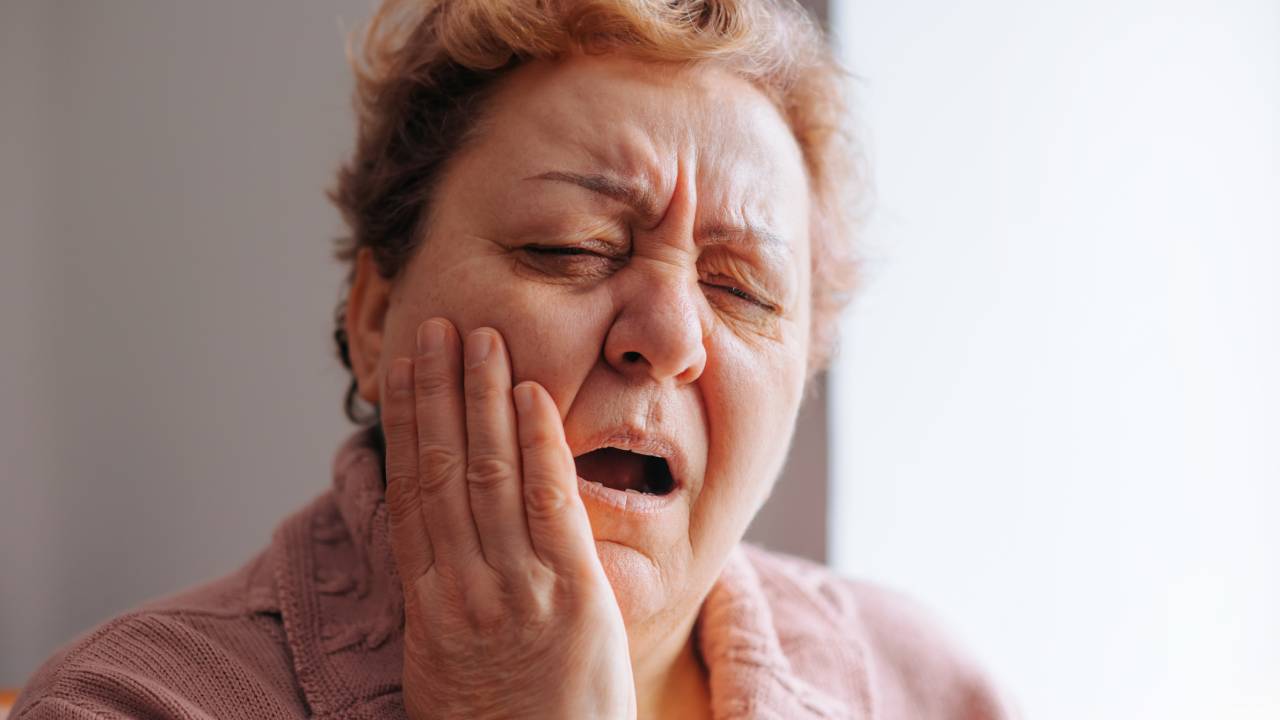
Ill‑fitting dentures often create pressure points where the acrylic presses too hard on certain areas of your gums. Over time this leads to sore spots that make it difficult to wear your dentures for more than a few hours at a time.
You may also develop denture stomatitis, a common inflammatory condition under the denture. It affects up to 67% of denture wearers worldwide, especially those with full dentures. Symptoms can include:
- Red, swollen tissue under the denture
- Tenderness or burning
- A film or bad taste in your mouth
Left untreated, denture stomatitis can contribute to persistent irritation and may eventually worsen denture fit over time.
Difficulty chewing and speaking
Loose or unstable dentures make everyday functions harder. You might:
- Avoid certain foods because they are too difficult to chew
- Struggle with nuts, meats, or crisp vegetables
- Notice slurred or unclear speech as the denture shifts when you talk
Difficulty chewing is often linked directly to an improper fit or discomfort, and it can negatively affect your nutrition if you start limiting your diet too much. The right adjustment or upgrade can move you closer to the best dentures for chewing so you can enjoy more of the foods you like.
Loose, rocking, or slipping dentures
Over time the jawbone that used to support your natural teeth shrinks. This process, called bone resorption, changes the shape of the ridge that supports your denture. As a result, dentures that once fit well can start to feel loose, rock when you bite, or even slip out of place when you laugh or speak.
You may try to compensate by:
- Using more adhesive
- Clenching your jaw to hold the denture in place
- Avoiding social situations because of embarrassment
If you notice these changes, it is time to fix loose dentures with professional support rather than continuing to struggle.
Signs it is time to see the dentist
You should schedule an evaluation as soon as you notice:
- Ongoing pain or sore areas that do not improve within a few days
- Frequent denture movement when you talk or eat
- Food packing under the denture more than it used to
- Changes in your bite or jaw discomfort
- Cracks, chips, or visible wear on the denture teeth or base
Dental professionals caution against trying to adjust or reshape dentures on your own, since you can damage the appliance or injure your gums. Adjustments and repairs should always be performed by a dentist for safe and predictable results.
Why denture fit changes over time
You may wonder why your dentures feel different now than when you first received them, even if you take good care of them. Several natural changes in your mouth and in the appliance itself can affect how your dentures fit.
Jawbone resorption and gum changes
After teeth are removed, your jawbone no longer receives the stimulation it once did from chewing forces. As a result, the bone gradually resorbs, or shrinks, over time. This is the primary reason dentures become loose and is a normal part of the healing and aging process.
In addition to bone loss, your gum tissue can:
- Shrink
- Become irritated or inflamed
- Change due to weight loss, aging, or medical conditions
All of these factors change the contours that your denture must fit against, which is why a denture that once felt secure can eventually need a denture reline appointment or replacement.
Wear and tear on your dentures
Dentures are durable but not permanent. Over years of use, the teeth can:
- Flatten or chip
- Lose their original height
- Change how your upper and lower jaws meet
The base of the denture can also warp or crack. These changes contribute to poor fit and may alter your bite or facial support, which can make you appear older than you are.
Material and design considerations
The material used for your dentures plays a role in both comfort and longevity:
- Acrylic resin is the most in‑demand material because it is easy to adjust, usually comfortable, and can achieve a very good fit. The trade‑off is that it wears down faster than porcelain and commonly needs replacement around every five years.
- Porcelain dentures are strong and durable, with a natural, translucent look that many people like. They support normal jaw movements, though they require regular professional appointments to maintain an accurate fit as your mouth changes.
- Partial metal dentures use a smaller, metal framework combined with tooth‑colored resin. Their compact size often allows for easier adjustments and an excellent fit for people who still have some natural teeth.
Choosing the right material for your full dentures dentist visit or partial dentures for missing teeth helps align your expectations about comfort, durability, and how often you might need adjustments.
Home strategies to improve comfort and stability
While professional care is the most effective way to improve denture fit, there are several steps you can take at home to keep your dentures comfortable between visits.
Maintain excellent denture and oral hygiene
Clean, fresh dentures are more comfortable to wear and reduce your risk of sore spots and infections.
Daily care should include:
- Brushing your dentures gently with a soft‑bristled brush and denture‑safe cleanser to remove plaque and food particles
- Brushing your gums, tongue, and the roof of your mouth to stimulate circulation and reduce bacteria
- Rinsing your mouth and dentures after meals
Weekly, soaking your dentures in a mixture of equal parts white vinegar and water for 15 to 30 minutes can help remove buildup and stubborn stains that affect comfort and fit. Many experts also recommend soaking your dentures overnight in plain water or a denture cleansing solution to help them maintain their shape and stay clean.
Consistent hygiene helps prevent denture stomatitis and other infections that can worsen soreness and make it harder to keep your dentures in place.
Give your gums time to rest
Removing your dentures for several hours every day, especially at night, lets your gums recover from pressure and friction. This simple habit can:
- Reduce inflammation and sore spots
- Improve blood flow to the tissues
- Help your mouth stay healthier long term
Experts note that allowing your gums to rest overnight can indirectly support a better fit over time by reducing chronic irritation.
Use denture adhesive wisely
A high‑quality denture adhesive can give extra stability and reduce friction between your dentures and gums. When used properly, adhesive:
- Helps prevent minor slipping
- Reduces rubbing that leads to sore spots
- Can boost your confidence when you are speaking or eating in public
However, adhesive should not be used to compensate for a denture that is clearly too loose. Built‑up layers of adhesive can actually interfere with how the denture seats in your mouth, which makes the fit worse over time. Dentists recommend adhesive as a temporary aid, not as a substitute for professional adjustments or relines.
Soothe minor irritation
If your gums are mildly sore but your denture fit is otherwise stable, warm saltwater rinses several times a day can help reduce inflammation and promote healing. If irritation does not improve within a couple of days, or it becomes more painful, you should contact your dentist to adjust dentures for comfort.
Professional solutions to improve denture fit
When home care is not enough, your dentist has several predictable and effective options to improve denture stability and comfort. The right choice for you depends on the cause and severity of the problem.
Targeted denture adjustments
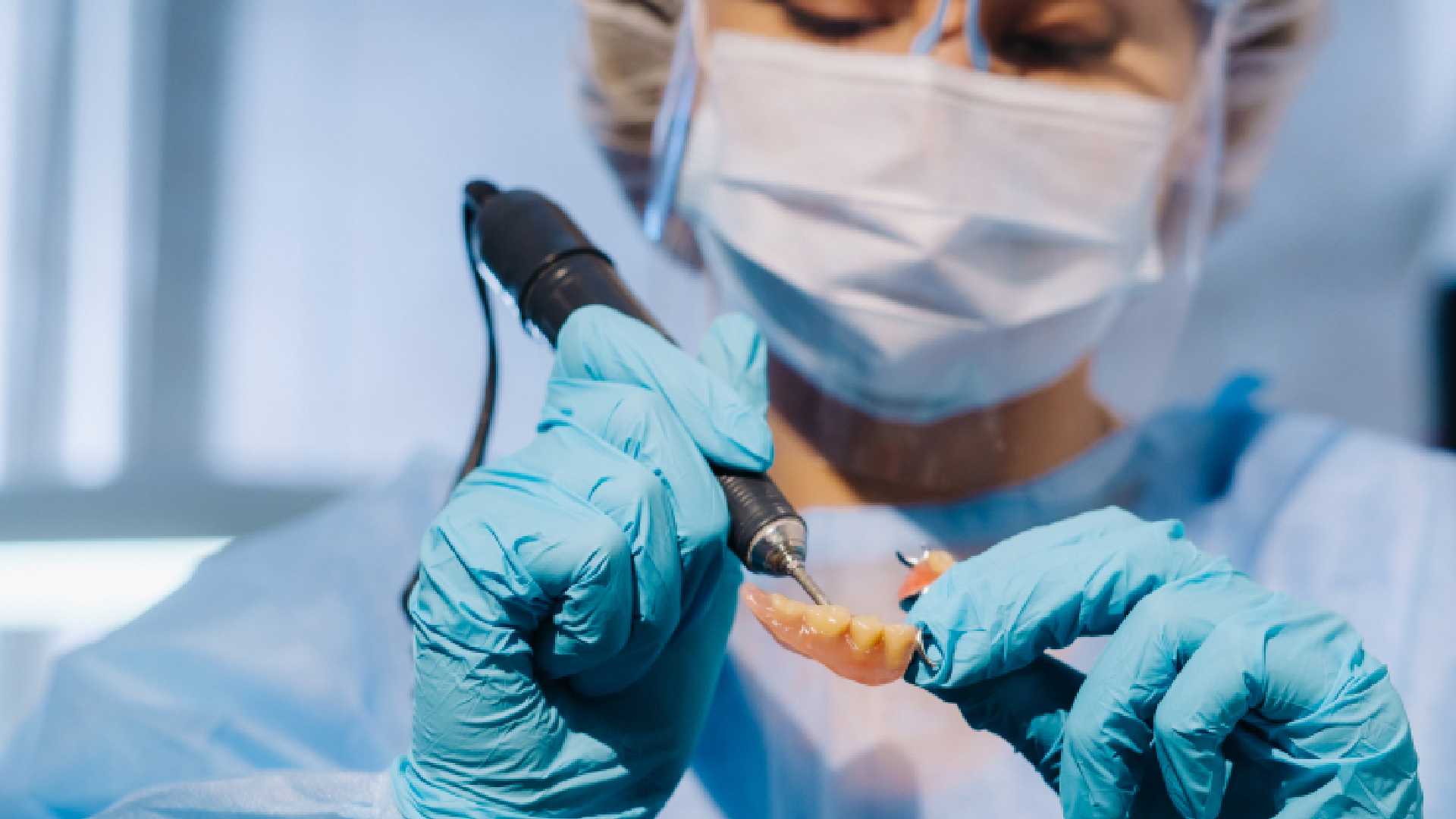
Denture adjustments are minor modifications that your dentist makes to relieve pressure points and fine‑tune the way your denture sits.
During an adjustment, your dentist can:
- Identify areas that are rubbing or over‑extended
- Smooth or trim the acrylic in small amounts
- Polish the surface so it feels comfortable against your gums
Most new dentures need one or more adjustments in the first 30 days as your mouth adapts. Over the lifespan of your dentures, you may need occasional additional adjustments to maintain optimal comfort.
If your dentures are cracked or a tooth has broken, same day denture repair and broken denture repair services can restore both function and comfort quickly, so you do not have to go without your teeth.
Denture relining for a better fit
When your gums and jaw have changed enough that small adjustments are not sufficient, a denture reline is often the best next step.
Relining involves:
- Taking new impressions of your gums
- Adding new material to the inside surface of your denture
- Reshaping the base so it closely matches your current tissue contours
There are two main types of relines:
- Hard reline, which uses new acrylic to reshape the interior of the denture. This is a longer‑term solution for many wearers.
- Soft reline, which uses a more flexible material to cushion sensitive gums. This option is often helpful if you experience chronic soreness or have thin gum tissue.
Experts frequently recommend relining full dentures every 1 to 2 years, particularly if you have significant bone loss, to restore a secure fit and comfort. You can schedule a denture reline appointment to determine which approach is best for you.
Over‑the‑counter liners may offer short‑term relief for loose dentures, but they wear down quickly and do not address the underlying changes in your jawbone. They are not a replacement for a professional reline or new dentures when those are needed.
When to consider new dentures
At some point, ongoing changes in your mouth and normal wear on your appliance mean that relining or adjusting is no longer enough. Signs you might need new dentures consultation include:
- Persistent looseness even after recent adjustments or relines
- Repeated sore spots that return quickly
- Noticeable wear or flatness of the denture teeth
- Fractures or warping of the base
- Changes in your facial appearance, such as a collapsed or “sunken” look
Most dentures last five to ten years, depending on material and how much bone change you experience during that time. Updated dentures can improve your bite, support your facial structure, and significantly enhance your comfort.
When you decide to replace missing teeth with dentures, your dentist can help you choose between:
- Full dentures if you are missing all teeth in an arch
- Tooth replacement with partial if you still have healthy natural teeth to support a smaller prosthesis
- Temporary dentures to bridge the time between extractions and your final dentures
Today’s custom dentures fitting techniques aim for a natural appearance, more precise fit, and better long‑term comfort.
Implant‑supported and “snap‑in” options
If you want significantly more stability than traditional dentures can offer, you might explore permanent dentures options, including implant‑supported designs.
Snap‑in dentures, also called removable implant overdentures, attach to titanium posts placed in your jaw. Instead of resting solely on your gums, they snap or clip onto the implants. This approach:
- Greatly improves stability and chewing power
- Reduces or eliminates the need for denture adhesive
- Helps slow bone loss by stimulating the jaw where implants are placed
Your dentist can review which implant‑based and conventional options fit your health, anatomy, and budget so you can choose a comfortable dentures solution that aligns with your goals.
Choosing the right denture solution for you
Improving denture fit is rarely a one‑time event. It is a process that continues as your mouth changes. The key is working with a dental team that understands your needs and offers a full range of options, from simple adjustments to advanced implant solutions.
When you meet with an affordable dentures dentist or full dentures dentist, you can expect a conversation about:
- Your current challenges with chewing, speaking, or soreness
- The age and condition of your existing dentures
- Whether denture repair services, relining, or replacement would give you the most benefit
- If you are a candidate for dentures for seniors designed with age‑related changes in mind
- Your interest in implant‑supported or permanent dentures options
The goal is not just to keep dentures in your mouth, but to restore as much natural function, comfort, and appearance as possible so you can eat, speak, and smile with confidence.
With the right plan, you can restore smile with dentures that feel secure and look natural, whether you need partial dentures for missing teeth or a complete set. If you are ready to improve denture fit and stability, scheduling a personalized evaluation is the best next step toward getting back the comfort and confidence you deserve.
References
- (La Cantera Dental)
- (Kaizen Dental Hawaii)
- (Cleveland Clinic)
- (Fairfax Dental Center, Andresen Prosthodontics)
- (Perfect Smiles Dental Studio, Liberty Tree Prosthodontics)
- (Kingwood Dentistry)
- (Affordable Dentures & Implants)
- (Cleveland Clinic, Perfect Smiles Dental Studio)
- (Your Smile Man)
- (Andresen Prosthodontics)
- (Fairfax Dental Center, Affordable Dentures & Implants)
- (Fairfax Dental Center)