Why pediatric dental checkups matter
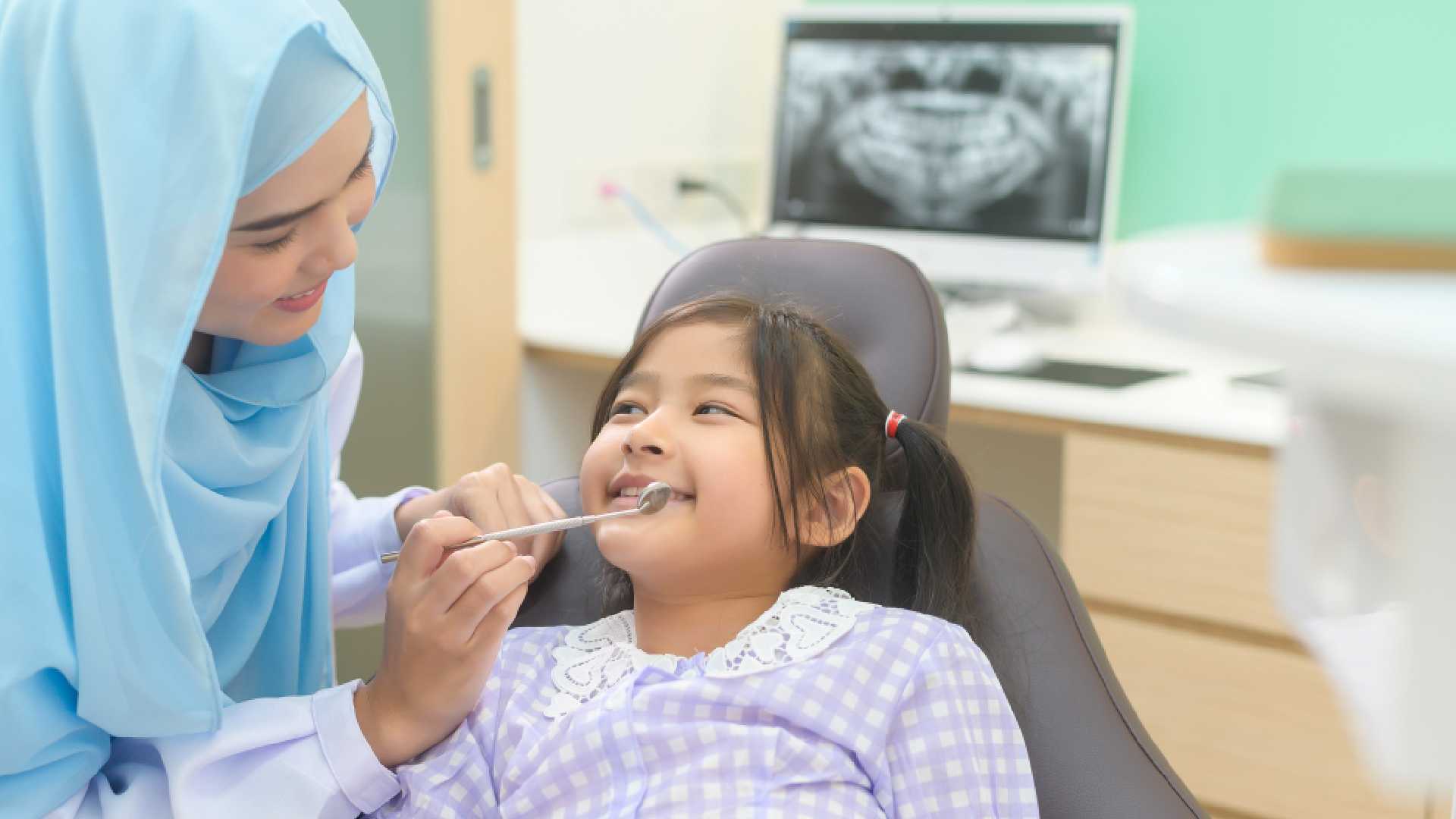
Your child’s first experiences at the dentist shape how they feel about oral health for years to come. A positive pediatric dental checkup helps your child feel safe, teaches healthy habits, and lets your dental team spot small problems before they become big ones.
Routine preventive visits are about much more than counting teeth. At Total Smiles of Leland, your child’s checkup combines a gentle comprehensive dental exam, a thorough cleaning, and age‑appropriate preventive treatments like fluoride and sealants. When you understand what to expect and how to prepare, you can make every visit smoother and more effective for your child.
When to schedule your child’s first visit
The American Academy of Pediatric Dentistry recommends that your child see a dentist by age 1, or within six months of the first tooth coming in. Many parents are surprised by how early this is, but those baby teeth play an essential role in speech, nutrition, and guiding the path for adult teeth.
If your child is older and has not seen a dentist yet, it is never too late to start. A new patient dental exam gives your dentist a baseline for your child’s oral health and helps you plan the right follow‑up schedule.
You should also schedule a pediatric dental checkup as soon as possible if you notice any of the following:
- Tooth discoloration or brown or white spots
- Chipped, cracked, or broken teeth
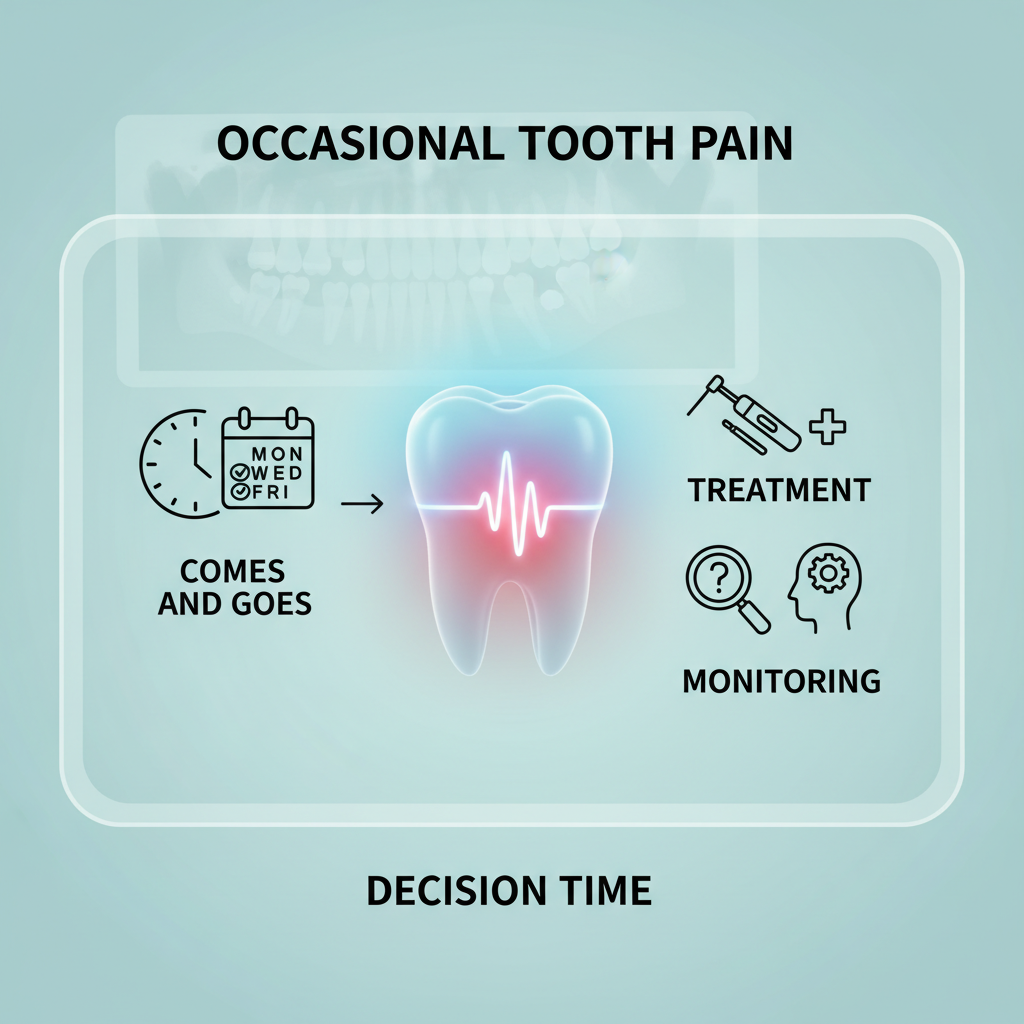
- Complaints of tooth sensitivity or pain
- Swelling around the gums or face
- Persistent bad breath that does not improve with brushing
These can be early signs of decay or infection. Early care is almost always simpler, more comfortable, and more affordable than waiting.
How often kids need dental checkups
Most children benefit from a pediatric dental checkup every six months. This schedule allows your dental team to track growth, reinforce good habits, and clean away the plaque and tartar that daily brushing and flossing miss.
Your dentist might recommend more frequent visits if your child:
- Has a history of multiple cavities
- Wears braces or other orthodontic appliances
- Has special health care needs
- Drinks sugary beverages regularly or snacks frequently
A personalized preventive dental care plan can adjust visit frequency so your child gets the right level of support without unnecessary appointments.
What happens during a pediatric dental checkup
Knowing what will happen at the appointment helps you prepare your child and reduce anxiety for both of you. A typical pediatric dental checkup at a family dental office like Total Smiles of Leland usually includes several key steps.
Warm welcome and review of history
Your visit starts with a friendly greeting and a brief review of your child’s medical and dental history. You can expect questions about:
- Medications and allergies
- Any recent illnesses or injuries
- Thumb sucking, pacifier use, or teeth grinding
- Fluoride exposure from water or supplements
This information helps your dentist tailor recommendations and choose the safest, most effective treatments.
Dental exam and cavity check
During the dental exam and cleaning, your dentist or hygienist will:
- Count and examine each tooth
- Look for early signs of cavities and enamel weakness
- Check the gum tissue for inflammation or infection
- Evaluate your child’s bite and jaw growth
Modern exams focus on prevention. The goal is to catch concerns early enough that they can often be reversed with simple cavity prevention treatment rather than fillings.
If your child has sensitive teeth, be sure to mention it before the exam begins. A dentist for sensitive teeth can use specialized tools, numbing gels, or slower pacing so your child stays comfortable.
Gentle professional cleaning
Next, your child will receive a tooth cleaning dentist-directed polishing and plaque removal. Even children who brush well at home miss some areas, especially along the gumline and between teeth.
A pediatric cleaning typically includes:
- Plaque and tartar removal
- Gentle polishing to smooth the tooth surface
- Flossing between teeth
- Rinsing and suction for comfort
This dental hygiene appointment is usually quick and painless. It leaves your child’s teeth smoother and easier to keep clean at home.
Digital dental X‑rays when needed
Not every visit requires X‑rays. Your dentist will recommend digital dental X rays based on your child’s age, cavity risk, and previous findings. Digital imaging uses very low radiation and produces clear, immediate images.
X‑rays help your dentist:
- Spot cavities that are hidden between teeth
- Check how adult teeth are developing and erupting
- Evaluate jaw and bone structure
- Monitor the success of previous treatments
By combining a visual exam with digital imaging, your dentist can create a complete picture of your child’s oral health.
Fluoride treatment for stronger enamel
Most pediatric dental checkups end with a fluoride application. Professionally applied fluoride is a simple, proven way to make enamel more resistant to acid attacks from food and bacteria.
During fluoride treatment for kids, your child will receive a gel, foam, or varnish that is brushed or painted onto the teeth. The process takes just a few minutes and is entirely painless.
If your child is at especially high risk for cavities, your dentist may also talk with you about fluoride treatment for adults so the whole family shares a stronger defense against decay.
Sealants for cavity‑prone back teeth
For many children, one of the most effective tools for prevention is dental sealants for children. Molars have deep grooves where food and bacteria easily collect. Sealants act as a thin protective coating over these areas.
Placing sealants is quick and noninvasive:
- The tooth is cleaned and dried.
- A gentle etching gel prepares the surface.
- The liquid sealant is brushed on.
- A special light hardens the material in seconds.
With good care, sealants can last several years and significantly prevent cavities dentist in the most vulnerable teeth.
Preparing your child before the appointment
A smooth pediatric dental checkup starts at home. How you talk about the dentist, and what your child expects, can make a big difference in their comfort level.
Choose the right timing
Try to schedule your child’s visit at a time of day when they are usually well rested and not hungry. Morning appointments often work best for younger children. Avoid times that conflict with naps or major activities.
If you are looking for a family dentist accepting new patients, ask about flexible scheduling so you can align your child’s visit with your daily routine.
Use calm, simple language
Children pick up on your emotions. Stay relaxed and avoid detailed descriptions of tools or procedures. Instead, you can say things like:
“The dentist is going to count your teeth and make them shiny and clean.”
Keep your tone neutral and confident. If you had negative experiences as a child, try not to share those stories before the visit. Focus on how the dentist helps keep teeth strong and healthy.
Practice at home
You can turn preparation into a game:
- Pretend to be the dentist and gently “count” your child’s teeth with a toothbrush.
- Read picture books or watch short videos about visiting the dentist.
- Let your child practice opening wide in front of a mirror.
If this is your child’s first visit, reviewing what to expect with a resource like dentist for kids first visit can also help you feel more prepared.
Helping anxious or nervous kids feel safe
Dental anxiety is common, even for adults. If your child is fearful about the visit, a gentle dentist for anxiety can make all the difference.
Share concerns with the dental team
Before the appointment, let your dental office know if your child has:
- Strong gag reflex
- Sensory sensitivities to sounds or textures
- Previous negative dental experiences
- Developmental or behavioral conditions
A dentist for nervous patients can then adjust the pace, use quieter tools when possible, and introduce each step slowly so your child feels more in control.
Bring comfort items and distractions
Many children relax more easily with familiar items. You might bring:
- A favorite stuffed animal or small toy
- Noise‑reducing headphones or music
- A comforting blanket or jacket
Some offices also offer kid‑friendly shows, sunglasses, or small rewards after the visit. Ask what is available so you can prepare your child.
Stay positive during the visit
During the checkup, stay nearby and offer calm reassurance. Praise your child for small successes, such as sitting in the chair or holding still for a few seconds. Short, specific encouragement works well, for example, “You are doing a great job keeping your mouth open.”
If needed, your dentist can break the appointment into short segments or schedule a “get to know you” visit before any treatment so your child can adjust gradually.
At‑home habits that support checkups
A pediatric dental checkup works best when it builds on good daily habits. You play the leading role in your child’s long‑term oral health.
Brushing and flossing basics by age
For infants and toddlers, start wiping the gums with a soft cloth even before teeth erupt. As soon as the first tooth appears, begin brushing twice a day with a small, soft‑bristled toothbrush.
As your child grows:
- Ages 2 to 6: Use a smear to pea‑sized amount of fluoride toothpaste, and help with both brushing and spitting.
- Ages 6 to 8: Continue to supervise brushing and start daily flossing where teeth touch.
- Ages 8 and up: Encourage independent brushing, but check occasionally to make sure technique and consistency stay on track.
Your dental team can demonstrate age‑appropriate techniques at each routine dental checkup so you know exactly what to do at home.
Food and drink choices
Sugary snacks and drinks are a major cause of cavities. Frequent sipping or snacking gives cavity‑causing bacteria a constant food source.
To help protect your child’s teeth:
- Limit juice, sports drinks, and sodas.
- Encourage water throughout the day, especially fluoridated tap water when available.
- Offer balanced meals with crunchy fruits and vegetables that help clean the teeth as your child chews.
Your dentist can suggest realistic changes that fit your family’s habits, not a one‑size‑fits‑all diet plan.
Pediatric checkups for every stage of childhood
Your child’s needs will change from early childhood to the teenage years. Partnering with a family‑focused practice like Total Smiles of Leland means you can stay with the same familiar team as your child grows.
Early childhood: Building trust and routine
In the preschool years, the focus is on comfort, basic hygiene, and cavity prevention. Short, positive visits and treatments like fluoride and sealants help your child avoid early decay so they keep their baby teeth healthy until it is time for them to fall out naturally.
School age: Protecting new permanent teeth
As permanent teeth begin to erupt, checkups pay close attention to:
- Crowding and bite alignment
- Sports mouthguard needs
- Sealants on newly erupted molars
Regular visits help your child avoid missed school days due to toothaches and keep their smile strong during important growth years.
Teens: Supporting independence
Adolescents face new challenges like braces, sports, and busy schedules. Ongoing teen dental care services can help with:
- Extra cleanings around orthodontic appliances
- Counseling on whitening, energy drinks, and tobacco or vaping risks
- Wisdom teeth monitoring
Teens often appreciate being spoken to directly about their own oral health. Your dentist can be a trusted partner as your child takes more responsibility for their smile.
How pediatric checkups support family‑wide oral health
Choosing a single, trusted family dental office makes it easier to keep everyone on track. When you bring your child in for a pediatric dental checkup, you can often coordinate your own adult dental care provider visits as well.
Family‑wide preventive care might include:
- Oral cancer screening dentist services for adults and seniors
- Tailored senior dental care services for aging parents or grandparents
- Consistent reminders and scheduling support so no one falls behind
Seeing parents and siblings attend their own checkups teaches children that dental care is a normal, important part of staying healthy.
Making pediatric dental checkups affordable and convenient
Cost and scheduling are common reasons families postpone care. Total Smiles of Leland is committed to helping you access an affordable dental checkup without sacrificing quality or comfort.
You can ask about:
- Insurance benefits and coverage for preventive visits
- Payment options or family plans
- Appointment times before or after school or work
Planning ahead, and keeping regular appointments, often reduces the need for more complex and costly treatment later.
When to call the dentist between checkups
You do not have to wait for the next routine visit if something concerns you. Contact your dentist as soon as possible if your child has:
- Tooth pain that lasts more than a day
- Swelling around the face or gums
- A broken or knocked‑out tooth
- Bleeding gums that do not improve with careful brushing and flossing
Prompt care can protect your child’s comfort and prevent long‑term damage. If you are ever unsure, a quick call to a family dentist accepting new patients like Total Smiles of Leland can help you decide on next steps.
Ready to schedule your child’s next checkup?
Regular pediatric dental checkups are one of the simplest, most effective ways to protect your child’s health. With friendly care, digital diagnostics, fluoride, sealants, and a calm approach to anxiety, Total Smiles of Leland is prepared to support your family at every stage.
If your child is due for a routine dental checkup or you are seeking a new family dentist accepting new patients, now is the ideal time to schedule. Booking your child’s visit today sets the foundation for a lifetime of healthy, confident smiles.