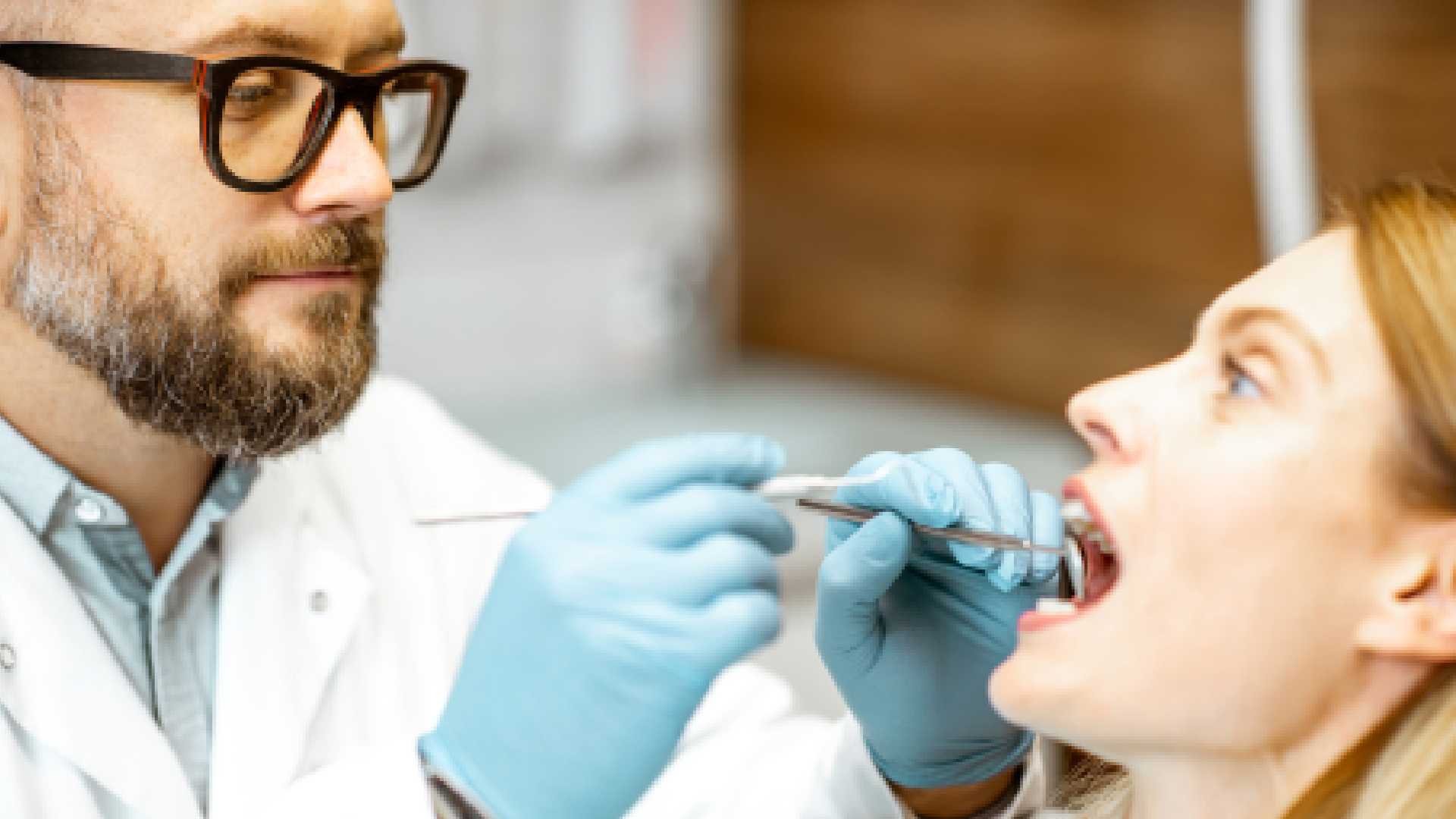
Why your dentist is your best ally against cavities
If you search for ways to prevent cavities, you will find plenty of advice about brushing, flossing, and using fluoride toothpaste. All of this matters, but without a dentist on your team, you are only addressing part of the problem. When you trust your dentist to help prevent cavities, you get professional exams, cleanings, and proven preventive treatments that go well beyond what you can do at home.
Cavities are among the most common health conditions in the world, yet they are also one of the most preventable. Regular visits for a dental exam and cleaning give your dentist a chance to find early signs of tooth decay, remove hardened plaque, and protect weak spots in your enamel before they turn into painful problems.
How cavities really form
What actually causes a cavity
A cavity does not appear overnight. It is the result of a long process that involves bacteria, food, and time.
Every day, a thin film called plaque forms on your teeth. Plaque is full of bacteria that feed on sugars and starches from your meals and snacks. As they break these foods down, they produce acids that weaken and dissolve your tooth enamel.
Over time, this can lead to:
- Early demineralization, when minerals are pulled out of your enamel
- White spots, a warning sign that decay is starting
- Breaks in the enamel that turn into small and then larger holes
Once decay breaks through the hard outer layer, it spreads more quickly into the softer layers beneath. Eventually you may feel sensitivity or pain, but by that point damage is already significant.
Why home care is not enough
Brushing twice a day and flossing once a day are essential. However, even with good habits, you cannot always reach every area where plaque and bacteria hide. Deep grooves in the chewing surfaces, tight spaces between teeth, and areas near the gumline can be difficult to clean completely.
You also cannot see inside your teeth or under existing fillings. That is why you need regular routine dental checkup appointments. Professional exams and cleanings help catch what you miss at home and keep cavity risk under control.
What your dentist sees that you cannot
Comprehensive exams detect early changes
During a comprehensive dental exam your dentist looks far beyond obvious cavities. You might feel like your teeth are fine, but your dentist is checking for subtle signs that trouble is starting.
A thorough exam often includes:
- Visual inspection of each tooth surface
- Checking existing fillings and crowns for tiny leaks or cracks
- Evaluating your bite and wear patterns that may stress certain teeth
- Reviewing your medical history and medications that can affect oral health
If you are new to the practice, a new patient dental exam gives your dentist a baseline. From there, changes in your teeth and gums are much easier to track over time.
Digital diagnostics reveal hidden decay
Even the best eyes cannot see everything. This is where digital dental x rays and other diagnostic tools matter. Digital imaging uses very low radiation and gives your dentist crisp, detailed pictures within seconds.
These images help your dentist:
- Spot decay between teeth that looks normal on the surface
- Detect cavities under old fillings or crowns
- Evaluate bone levels around teeth
- Plan precise, conservative treatment when needed
By finding decay early, your dentist can treat smaller areas, preserve more healthy tooth structure, and often keep you more comfortable.
Why professional cleanings matter for cavity prevention
Removing plaque and tartar safely
A dental hygiene appointment does more than make your teeth feel smooth and fresh. It removes plaque and tartar that you cannot remove yourself. Tartar, also called calculus, is hardened plaque that bonds tightly to your teeth. Bacteria thrive on its rough surface and produce acids around the clock.
Your hygienist uses specialized instruments to gently remove these deposits. This reduces the number of bacteria that cause cavities and gum disease, and it makes your daily brushing and flossing more effective.
Polish, rinse, and protect
After scaling, your tooth cleaning dentist will usually polish your teeth. This step smooths minor roughness and helps remove surface stains. A smooth surface is harder for plaque to cling to, which supports your efforts to keep cavities away at home.
A professional dental exam and cleaning also gives you tailored feedback. Your hygienist can show you where plaque tends to accumulate, adjust your brushing technique, and recommend tools like interdental brushes or water flossers if needed.
Fluoride treatments, sealants, and other cavity prevention tools
Dentists have several effective ways to strengthen your teeth and protect vulnerable areas. These options are an important part of a personalized cavity prevention treatment plan.
Fluoride treatments for kids and adults
Fluoride is a natural mineral that helps rebuild weakened enamel and makes teeth more resistant to acid attacks. In the dental office, fluoride can be applied in a higher concentration than what you find in toothpaste.
For children, fluoride treatment for kids can:
- Strengthen developing teeth
- Protect new permanent teeth as they erupt
- Lower the risk of cavities in high risk kids
For adults, fluoride treatment for adults is especially helpful if you:
- Have a history of frequent cavities
- Experience dry mouth from medications or health conditions
- Wear braces or have many restorations
- Sip sugary or acidic drinks often
Your dentist will recommend how often you should receive fluoride, based on your specific risk level.
Dental sealants protect chewing surfaces
The grooves on the chewing surfaces of back teeth can be very deep and narrow. Even a toothbrush bristle may not fit inside. Food particles and bacteria collect there easily, which makes these areas common sites for cavities, especially in children.
dental sealants for children are thin coatings that your dentist paints onto these grooves. The sealant flows into the tiny pits, then hardens to create a smooth, protective barrier. This prevents food and bacteria from getting trapped and makes those surfaces much easier to clean.
Sealants are most often recommended for children and teens, but adults with deep grooves and no decay in those areas may also benefit.
How your dentist tailors cavity prevention by age
Your risk for cavities changes as you move through different stages of life. A family focused practice like Total Smiles of Leland can adjust your preventive dental care plan for every member of your household.
Babies and kids
For younger children, trusted care starts with a positive first experience. A dentist for kids first visit will look at early tooth development, discuss feeding and brushing habits, and help you set healthy routines at home.
Regular pediatric dental checkup visits focus on:
- Monitoring growth and spacing
- Teaching kid friendly brushing and flossing techniques
- Applying fluoride and sealants when appropriate
- Catching small cavities before they spread
When you start early, your child learns that the dentist is a partner, not something to fear. This attitude makes it easier for them to keep up with dental care throughout life.
Teens
During the teenage years, schedules become busier and diets often include more snacks and sugary drinks. Orthodontic treatment can add extra challenges for daily cleaning. Specialized teen dental care services help teens protect their teeth during this time.
Your dentist can:
- Reinforce good oral hygiene around braces or aligners
- Recommend mouthguards for sports
- Discuss the impact of energy drinks, soda, and vaping on oral health
Regular visits keep teens accountable and aware of how their choices today affect their teeth in the future.
Adults
As an adult, you might assume you have your routine figured out. Yet life changes like stress, pregnancies, new medications, or job shifts can affect your mouth in ways that are easy to overlook. An adult dental care provider can help you adjust.
Your dentist will:
- Track areas that have had cavities before
- Watch for new risk factors like dry mouth
- Offer fluoride, sealants, or other targeted treatments
- Help you protect restorations and avoid fractures
Staying consistent with a routine dental checkup schedule is one of the best ways to avoid painful, time consuming dental emergencies.
Seniors
Later in life, changes in health, medications, and dexterity can increase cavity risk, especially along the gumline and around older fillings. With senior dental care services, your dentist focuses on keeping your teeth comfortable, functional, and strong.
Your exam may include:
- Checking for cavities around the edges of crowns and bridges
- Evaluating dry mouth and recommending relief strategies
- Adjusting home care tools if brushing or flossing is difficult
- Monitoring for root cavities where gums have receded
A stable relationship with a family dentist who knows your history helps you maintain your oral health and quality of life as you age.
Addressing sensitive teeth and dental anxiety
When sensitive teeth may signal cavities
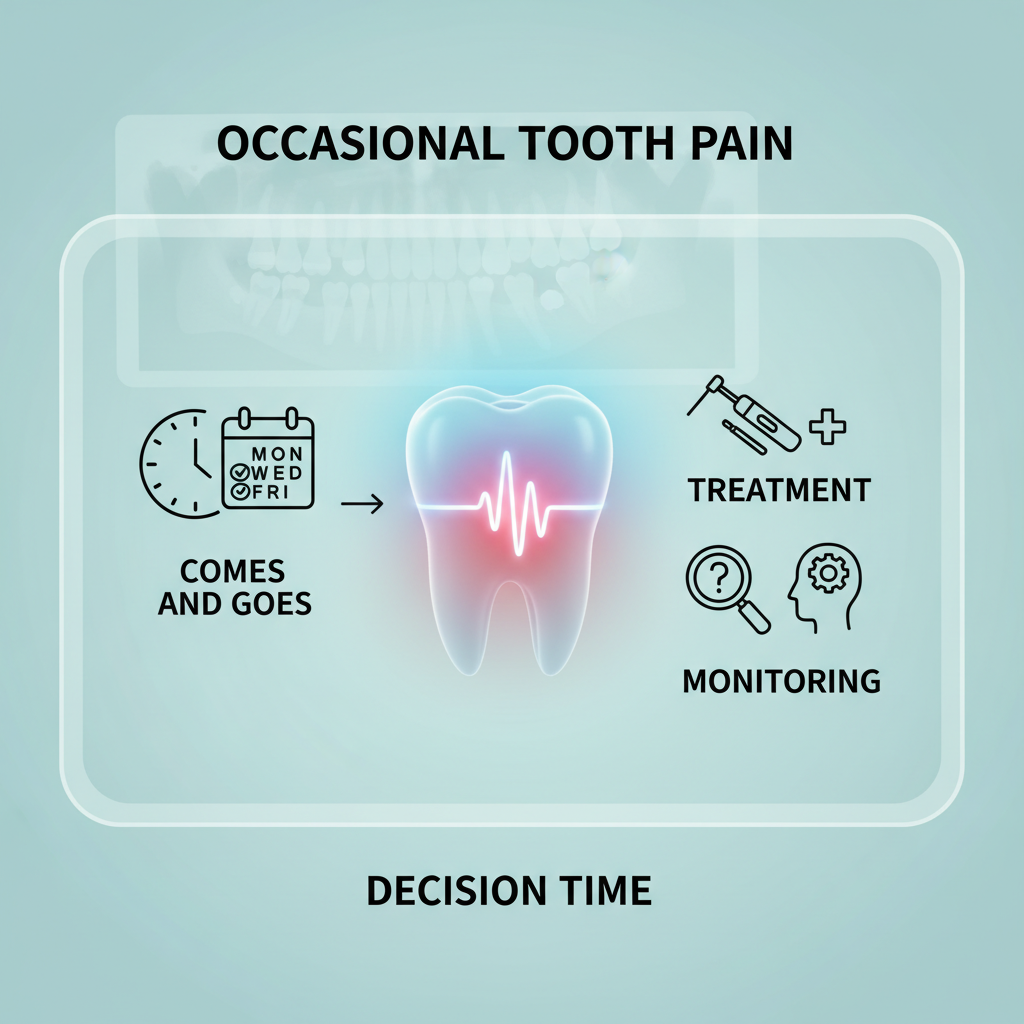
Tooth sensitivity can have several causes. Sometimes it is as simple as brushing too hard or using a very abrasive toothpaste. However, sensitivity can also signal:
- Early decay
- Cracks in teeth
- Worn enamel from grinding or acid erosion
A dentist for sensitive teeth can sort out the cause and recommend solutions. These may include fluoride, desensitizing treatments, bonding to cover exposed areas, or small fillings if decay is present. Ignoring sensitivity can allow minor issues to become major ones.
Gentle care for nervous patients
If you feel anxious about dental visits, you are not alone. Many people delay care because of past experiences or fear of discomfort. This delay often leads to more advanced cavities and more complex treatment.
A gentle dentist for anxiety or dentist for nervous patients understands these concerns. At a family oriented practice, you can expect:
- Clear explanations of what to expect at each visit
- A calm, unhurried approach
- Options for breaks during treatment
- Comfort focused tools and techniques
When you feel safe and heard, it becomes much easier to keep up with regular exams and cleanings, which is the key to preventing cavities rather than reacting to them.
The wider health benefits of regular dental visits
Oral health and overall health
Your mouth is connected to the rest of your body, not separate from it. Research continues to show links between oral health and conditions like heart disease, diabetes, and respiratory issues. Untreated cavities and gum disease contribute to ongoing inflammation and chronic infection, which can affect overall health.
Organizations like the American Dental Association and the Centers for Disease Control and Prevention emphasize the importance of routine dental care as part of overall health care. When you make time for exams and cleanings, you are supporting more than just your smile.
Cancer screening and early detection
Preventing cavities is a primary goal at your checkups, but it is not the only one. An oral cancer screening dentist also checks your cheeks, tongue, lips, and throat for early signs of abnormal changes.
These screenings typically take only a few minutes and are painless. They are especially important if you use tobacco, drink alcohol frequently, or have a history of significant sun exposure on your lips. Early detection can make a critical difference in treatment outcomes.
When you keep regular dental appointments, you gain much more than a quick cleaning. You give your dentist the chance to protect your teeth, catch problems early, and support your long term health.
Cost, convenience, and choosing a trusted family dentist
Preventive care usually costs less than treatment
Many people put off visits because they worry about cost. In reality, a consistent affordable dental checkup schedule can help you avoid larger, more expensive procedures later.
Compare the typical path:
- Regular exams, cleanings, and fluoride treatments at predictable intervals
- Occasional small fillings caught early
Against what can happen when you wait:
- Untreated decay that spreads to the nerve
- Root canal treatment, crowns, or extractions
- Higher fees and more time in the chair
Preventive visits are an investment in keeping dental care manageable, both financially and in terms of your time.
Benefits of a single family dental home
Choosing a family dental office like Total Smiles of Leland allows you to bring everyone in your household to the same trusted team. Your dentist can see patterns across generations, track long term changes, and coordinate care as your needs evolve.
If you are looking for a family dentist accepting new patients, consider the advantages of one practice that offers:
- Exams, cleanings, and preventive care for all ages
- Digital diagnostics and tailored cavity prevention
- Anxiety sensitive, gentle care for nervous adults and kids
A familiar office makes it easier to keep appointments and maintain a consistent schedule.
Turning cavity prevention into a long term plan
Cavity prevention works best when it is part of an ongoing strategy that you share with your dental team. Together, you and your dentist can create a practical routine that fits your life.
A strong plan usually includes:
- Daily home care: twice daily brushing with fluoride toothpaste and once daily flossing
- Professional visits: exams and cleanings on a schedule recommended by your dentist
- Targeted support: fluoride, sealants, sensitivity treatment, and dietary guidance when needed
- Ongoing communication: asking questions and sharing any changes you notice between visits
By trusting your dentist to help you prevent cavities, you move from a pattern of emergency visits to a calmer, predictable rhythm of care.
If you are ready to protect your smile and simplify your dental care, scheduling a new patient dental exam is the most important first step. From there, your dentist can recommend the right preventive dental care plan so you can feel confident about your oral health today and in the years ahead.