Why gum disease leads to tooth loss
If you want to prevent tooth loss from gum disease, it helps to understand what is actually happening in your mouth.
Gum disease, or periodontal disease, is an infection of the tissues that hold your teeth in place. It starts when sticky bacterial plaque builds up around your gumline and is not removed consistently. Over time, this plaque hardens into tartar, which you cannot brush off at home and must be removed professionally [1].
When plaque and tartar stay on your teeth, your gums react with inflammation. In early stages, this is called gingivitis. Your gums may look red, swollen, and bleed when you brush or floss. At this point the damage is still reversible with professional cleaning and improved home care [2].
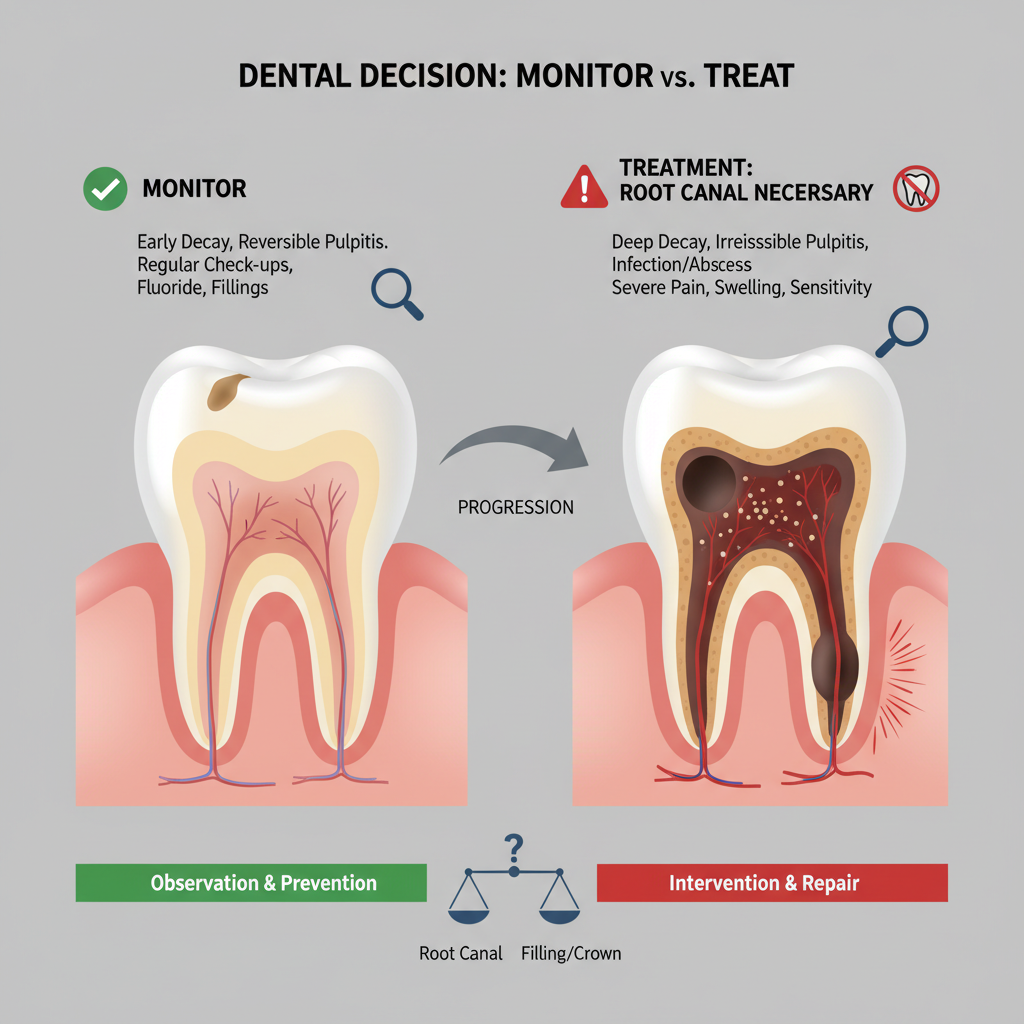
If inflammation continues, the disease progresses to periodontitis. The infection begins to damage the bone and connective tissue that support your teeth, creating deep pockets around them. This advanced stage can lead to loose teeth and eventually tooth loss if you do not get treatment [3].
Preventing tooth loss means interrupting this process as early and as thoroughly as possible, then keeping harmful bacteria under control over the long term.
Periodontitis and cavities are the two leading causes of tooth loss, yet both are largely preventable and treatable before teeth are lost if you take action early [4].
Recognize early warning signs in your gums
You are much more likely to prevent tooth loss from gum disease if you catch problems early. Gingivitis can be reversed, and even periodontitis can often be stabilized when treated promptly.
Common warning signs include:
- Gums that bleed when you brush or floss
- Red, swollen, or tender gums
- Persistent bad breath or bad taste in your mouth
- Gum recession or teeth that look longer than before
- New spaces forming between your teeth
- Changes in the way your teeth fit together when you bite
- Teeth that feel slightly loose
If you notice any of these symptoms, you should not ignore them. Early stage gum disease is fully reversible with professional care and better daily hygiene [2]. You can learn more about options such as early stage gum disease treatment, bleeding gums treatment, and treatment for swollen gums if you are in this phase.
For ongoing pain, visible pus, or loose teeth, you are more likely dealing with a more advanced infection and should request an urgent periodontal evaluation or gum infection treatment.
Understand your risk and why prevention matters
Almost half of adults in the United States have some form of gum disease, and it is the leading cause of tooth loss in adults [2]. That means if you are noticing bleeding, swelling, or gum recession, you are not alone, and you are not overreacting by seeking help.
Research shows that oral hygiene has a powerful effect on your risk. People with fair to poor oral hygiene have a two to five times higher risk of periodontitis compared with those who maintain good hygiene [5]. In fact, the effect of poor oral hygiene is stronger than many other known risk factors like diabetes, smoking, and obesity.
Certain factors can increase your risk or speed up damage:
- Smoking or vaping
- Uncontrolled diabetes
- A family history of gum disease
- Older age, especially over 65
- Chronic stress and poor sleep
- Hormonal changes
- Certain medications that reduce saliva
Even if some of these apply to you, you can still protect your teeth. Regular toothbrushing is linked to about a 34 percent reduction in the odds of having periodontitis, and people who see a dentist at least once a year have a 44 percent lower risk of periodontitis than those who do not [5].
Your daily habits and professional care together make a real difference in whether you keep or lose teeth.
Use professional gum disease treatment to save teeth
Once gum disease is present, you cannot rely on brushing and flossing alone to prevent tooth loss. Bacteria hide deep under your gums, on root surfaces that you cannot reach at home. This is where professional periodontal therapy becomes essential.
Scaling and root planing: Deep cleaning below the gumline
The cornerstone of non surgical gum disease treatment is scaling and root planing, sometimes called a “deep cleaning.” During scaling and root planing, your dental team:
- Removes plaque and tartar from above and below the gumline
- Smooths the root surfaces so bacteria have fewer places to cling
- Flushes out the pockets around your teeth to reduce the bacterial load
This procedure reaches areas where toothbrushes and floss cannot. For many people with early to moderate periodontitis, scaling and root planing is enough to control infection, reduce pocket depths, and help gums reattach more closely to the teeth [6].
You may see this described as deep cleaning for gums or a deep cleaning dental appointment. In most cases it is completed over one or more visits, often with numbing to keep you comfortable.
Treatment success rates for periodontal therapy can reach up to 95 percent when combined with good oral hygiene at home [6]. That means you have a strong chance of keeping your teeth if you follow through with care and maintenance.
Antibiotic therapy and advanced periodontal procedures
In some cases, your dentist or periodontist may recommend local or systemic antibiotics to further reduce the bacterial infection. These medications can be placed directly into deep gum pockets or taken by mouth as part of your overall gum inflammation treatment or gum infection treatment plan [7].
If you have more advanced disease, non surgical care alone may not be enough. You may benefit from advanced periodontal treatment, which can include:
- Pocket reduction surgery to clean deep areas and reduce pocket depth
- Bone grafting to rebuild bone lost around teeth
- Gum grafting to cover exposed roots and strengthen receding gums
- Guided tissue regeneration to encourage regrowth of supportive structures
These treatments are designed to repair damage from periodontitis and help prevent further tooth loss [8]. While they sound complex, they are often what allows you to keep teeth that might otherwise be lost.
If you already notice gum recession or loose teeth, speaking with a dentist for receding gums or a gum disease treatment dentist can help you understand which options match your situation.
Commit to a strong daily home care routine
Professional treatment controls infection in places you cannot reach, but your daily routine is what keeps bacteria from quickly returning. To truly prevent tooth loss from gum disease, you need both.
Brushing: The foundation of prevention
Brushing twice a day with a soft bristled toothbrush and fluoride toothpaste is still one of your most powerful tools. Aim for at least two minutes each time, angling the brush at about 45 degrees to the gumline so you clean where the teeth and gums meet [9].
Regular toothbrushing alone is associated with significantly lower odds of periodontitis [5]. Electric brushes can make it easier to be thorough, especially if you have dexterity issues or a history of gum disease.
Cleaning between your teeth
Flossing or using interdental brushes helps remove plaque between teeth where brushing cannot reach. While research suggests flossing has only a small and borderline significant effect on periodontitis risk by itself [5], it still plays a role in disrupting plaque and keeping gums as healthy as possible.
Your dentist may recommend:
- Traditional string floss
- Floss picks
- Interdental brushes in various sizes
- Water flossers, sometimes with antimicrobial rinses like diluted hydrogen peroxide, to kill bacteria around the gums [10]
The best tool is the one you will use consistently every day.
Mouthrinses and natural support, with limits
Certain rinses and natural strategies can support your daily routine:
- Antimicrobial mouthrinses to reduce bacteria
- Diluted hydrogen peroxide in a rinse or water flosser, which can help kill bacteria that contribute to gum disease [10]
- Warm salt water rinses to calm inflamed tissue and lower surface bacteria [10]
- Green tea, which may help reduce inflammation and limit growth of bacteria that cause gum inflammation because of its antioxidant content and polyphenols [10]
These options can be good additions, but they have limits. Home remedies and “natural” treatments can reduce early inflammation and surface bacteria, but they cannot eliminate established infection deep under the gums or regenerate lost bone. For moderate to severe periodontitis, you still need professional treatment to truly protect your teeth [9].
If you are tempted to rely on natural methods alone, especially when you already have bleeding, recession, or loose teeth, it is important to see a dentist for gum problems first.
Make regular periodontal maintenance non‑negotiable
Even after your gums improve, gum disease does not simply disappear. It is a chronic condition that you manage over time. To prevent tooth loss from gum disease in the long term, you need ongoing professional care.
Why periodontal maintenance visits matter
Standard dental cleanings focus on above the gumline. If you have a history of periodontitis, you usually need more frequent and more detailed maintenance visits. During a periodontal maintenance appointment, your dental team will:
- Measure pocket depths and monitor gum recession
- Remove plaque and tartar above and below the gumline
- Perform gum pocket cleaning in areas that tend to collect bacteria
- Review and adjust your home care routine
Adults who visit the dentist at least once a year have substantially lower risk of periodontitis than those who do not [5]. If you already have gum disease or have had treatment, your dentist may suggest maintenance visits every three to four months to keep bacteria under control [2].
Long‑term management of chronic gum disease
If you have ongoing issues or have already been diagnosed with periodontitis, you are not just getting a “one time fix.” You are entering a long term partnership with your dental team. A plan to manage gum disease long term often includes:
- Initial periodontal evaluation
- One or more sessions of scaling and root planing
- Possible antibiotic or laser therapies
- Re evaluation of pocket depths and healing
- Customized interval periodontal maintenance appointment visits
- Ongoing adjustments to your home care, diet, and risk factors
When you view this as chronic gum disease care instead of a single treatment, you are much more likely to keep your natural teeth for life. You can also address related concerns like bad breath from gum disease treatment, which often improves as infection is brought under control.
If you know you have advanced disease, exploring chronic gum disease care or advanced periodontal treatment is an important step.
Protect your overall health while you protect your teeth
Gum disease does not only threaten your smile. Periodontitis is a chronic infection that affects your whole body. Scientists continue to study links between periodontal disease and conditions like heart disease, diabetes, and adverse pregnancy outcomes.
What is clear is that untreated plaque and gum infection are a constant source of inflammation for your immune system [3]. When you prevent tooth loss from gum disease, you are also reducing this chronic inflammatory burden.
Some broader preventive steps include:
- If you smoke, seeking help to quit. Smoking is a leading contributor to gum disease and tooth loss [4].
- Working with your medical provider to keep diabetes and other systemic conditions under good control.
- Eating a balanced diet and limiting sugary snacks and drinks that feed plaque forming bacteria.
- Staying hydrated so your mouth can naturally flush food particles and bacteria.
You are more likely to stay on track if you view gum care as part of your overall wellness, not as a separate or cosmetic issue.
When to see a gum disease specialist
If you are unsure where to start, focus on your current symptoms and risk level.
You should schedule an exam with a gum disease treatment dentist or dentist for gum problems if you notice:
- Gums that bleed daily when brushing or flossing
- Persistent bad breath or a bad taste in your mouth
- Gums pulling away from your teeth, or teeth that look longer
- Teeth that feel loose or seem to have shifted
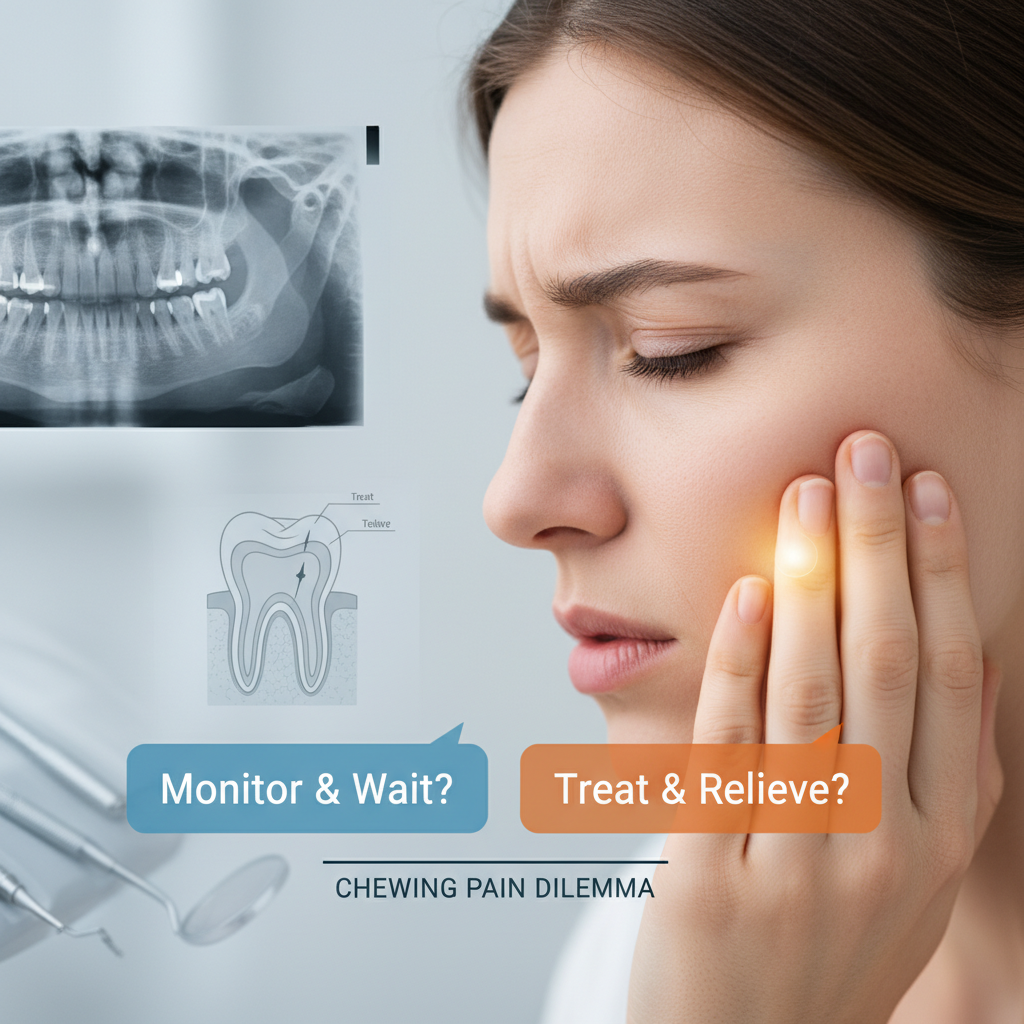
- Pus, throbbing, or pain when you chew
Professional evaluation is especially important if you already know you have diabetes, are a smoker, or are over 65, because your risk of advanced gum disease and tooth loss is higher [1].
From there, your dental team can guide you through appropriate early stage gum disease treatment, deep cleaning for gums, or advanced periodontal treatment, depending on what they find.
You can prevent tooth loss from gum disease, but it requires action. Consistent daily brushing and interdental cleaning, regular professional care, targeted periodontal therapy, and long term maintenance visits give you the best chance of keeping your natural teeth for life. If you are experiencing bleeding, swelling, gum recession, or infection, reaching out for a comprehensive periodontal evaluation is the most important next step.