
Why a tooth cleaning dentist matters for your health
When you think about your overall health, a tooth cleaning dentist might not be the first provider that comes to mind. Yet regular professional cleanings and exams are one of the simplest ways to protect your teeth, gums, and long‑term wellness. Dental cleanings remove sticky plaque and hardened tartar that brushing and flossing at home cannot reach, which helps prevent cavities and gum disease and supports healthy teeth and gums.
At Total Smiles of Leland, your tooth cleaning dentist is also your partner in prevention. Every visit is an opportunity to spot small issues early, customize your preventive dental care plan, and keep your family on track with comfortable, convenient checkups.
What happens during a professional tooth cleaning
Understanding what to expect at a dental exam and cleaning can help you feel more relaxed and confident about scheduling regular visits.
Initial exam and digital diagnostics
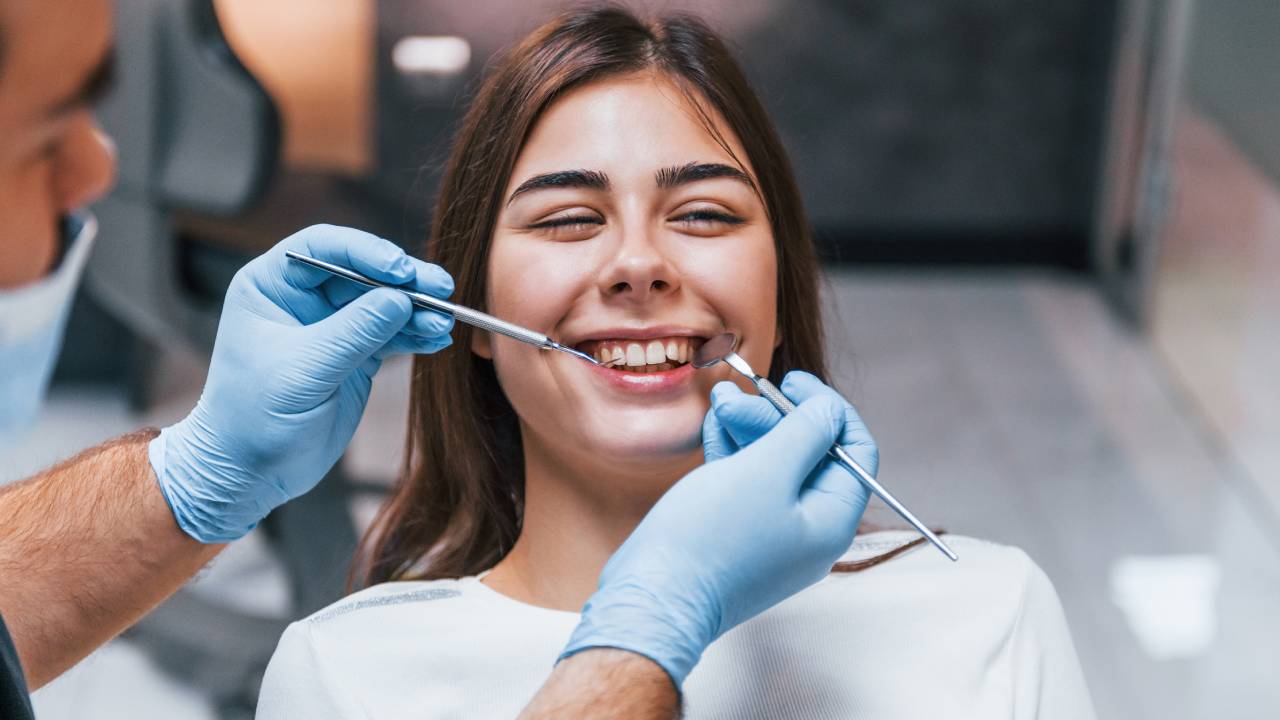
Your appointment typically begins with a brief exam. A dentist or hygienist checks your gums and teeth with a small mirror, looking for signs of gingivitis, gum recession, or other concerns. If anything looks unusual, the dentist may come in first to take a closer look.
Depending on how long it has been since your last visit or if you are here for a new patient dental exam, you may also have digital dental x rays. These images help your dentist detect decay between teeth, bone loss, infections, and other problems that are not visible to the eye.
Many comprehensive visits also include an oral cancer screening dentist evaluation, which is a quick, painless visual and tactile check of the soft tissues in your mouth.
Scaling to remove plaque and tartar
Once your initial exam is complete, the hygienist begins cleaning with a tool called a scaler. You may hear some scraping sounds as plaque and tartar are carefully removed along the gumline and between teeth. Hardened tartar cannot be brushed or flossed away at home, so only a professional cleaning can remove these deposits once they form.
Many offices use a combination of hand scalers and ultrasonic scalers. Ultrasonic tools use high‑frequency vibrations and water spray to quickly break up calculus and biofilm, which makes the process more efficient and often more comfortable.
Throughout this step, suction devices and saliva ejectors keep your mouth clear of water, saliva, and debris so you can breathe comfortably and the hygienist can see clearly.
Polishing and professional flossing
After the tartar and plaque are removed, your tooth cleaning dentist or hygienist polishes your teeth with a gentle electric handpiece and a mildly abrasive paste. This polishing smooths the enamel, removes minor surface stains, and helps clear away any remaining plaque or tartar particles. It is safe when performed a couple of times per year by a professional, but it is not something you should try to replicate with harsh abrasives at home.
Next comes expert flossing. The hygienist flosses between each tooth and along the gumline, reaching deeper than you may usually do at home, and can spot areas that bleed easily or collect more plaque. This step helps confirm which areas need extra attention in your daily routine.
Fluoride treatment and final check
Many cleanings end with a fluoride treatment to strengthen enamel and help prevent cavities. Fluoride may be applied as a gel, foam, or varnish, and it only takes a few minutes. Varnish hardens quickly when it contacts saliva, so you can usually eat and drink right away.
Your dentist will then perform a final exam to review your teeth, gums, and X‑rays, discuss any findings, and answer your questions. Together, you can adjust your preventive dental care plan and schedule your next dental hygiene appointment.
Most routine cleanings and exams take about 30 to 60 minutes, depending on your needs.
Types of tooth cleaning and when you need them
Not every cleaning is the same. Your tooth cleaning dentist will recommend the level of care that matches your current gum health and buildup.
Routine preventive cleaning
A routine prophylaxis cleaning is what you typically receive at a standard routine dental checkup. It focuses on removing plaque and tartar above the gumline, polishing your teeth, and reinforcing good home care habits. For most adults and children, this appointment is fairly quick, usually about 30 minutes, and requires little to no aftercare.
Deep cleaning for gum disease
If you have signs of gum disease, such as deep pockets, bleeding, or significant tartar buildup below the gumline, your dentist may recommend deep cleaning, also called scaling and root planing. Scaling removes plaque and tartar above and below the gums, while root planing smooths the root surfaces so plaque has a harder time sticking in the future.
Deep cleaning often requires more than one visit and may involve local anesthesia to keep you comfortable. Afterward, your dentist may place you on a periodontal maintenance schedule with more frequent visits to protect your gum health.
Specialized cleanings and maintenance
Depending on your situation, your tooth cleaning dentist may suggest:
- Periodontal maintenance cleanings after gum disease treatment
- Gross debridement cleaning if there is very heavy tartar that obscures the teeth
- More frequent targeted cleanings in areas that are hard to reach or prone to buildup
These services are tailored as part of your comprehensive dental exam and long‑term care plan.
How often you really need a tooth cleaning
You have probably heard that you should see a tooth cleaning dentist twice a year. For many people, a six‑month schedule is ideal. Regular cleanings help prevent decay and gum disease and allow your dentist to catch problems early.
However, newer research suggests that not everyone needs the exact same frequency. If you are healthy, have no gum disease, and are at low risk for cavities, your dentist may recommend one cleaning per year. On the other hand, if you have risk factors like diabetes, heart disease, smoking, a history of gum problems, or certain genetic factors, you may benefit from cleanings every six months or even more often.
Your tooth cleaning dentist will evaluate your:
- Medical history and medications
- Gum health and pocket depths
- Cavity history
- Lifestyle factors such as smoking or dry mouth
Then you can decide together how often to schedule your affordable dental checkup.
The right cleaning schedule is personal. Consistency, not a one‑size‑fits‑all rule, is what protects your smile over time.
The connection between clean teeth and overall health
Regular visits to a tooth cleaning dentist do more than keep your smile bright. Dental health is closely connected to your overall health. Poor oral hygiene and untreated gum disease are linked with heart health concerns, complications in pregnancy, and chronic inflammatory diseases.
Professional cleanings reduce the bacteria and inflammation in your mouth. Combined with early detection during your comprehensive dental exam, this can lower your risk of:
- Painful tooth infections and abscesses
- Tooth loss from advanced decay or periodontitis
- Difficulty eating and speaking
- More complex and costly dental treatments later
Choosing a consistent adult dental care provider for yourself and a family dental office for your loved ones helps support long‑term health for your whole household.
Tooth cleaning for every age in your family
A family‑focused tooth cleaning dentist cares for patients at every stage of life, from your child’s first visit to senior oral health needs.
Kids and first dental visits
Children should begin having dental cleanings and checkups around age 1 or when the first tooth appears. A gentle dentist for kids first visit can make this early experience positive and set the tone for a lifetime of comfortable care.
Pediatric cleanings usually include:
- A quick exam and cleaning appropriate for your child’s age
- Fluoride treatment for kids to strengthen developing enamel
- Dental sealants for children on back teeth when they erupt, to help prevent cavities dentist in hard‑to‑clean grooves
If you have younger children, regular pediatric dental checkup visits help monitor growth, address habits like thumb sucking, and catch any early concerns.
Teens and young adults
During the teen years, diet changes, braces, sports, and busy schedules can make dental hygiene more challenging. Your tooth cleaning dentist can provide age‑appropriate teen dental care services, including:
- Cleanings around orthodontic appliances
- Custom mouthguards for sports
- Guidance on sugar intake, vaping, and oral piercings
- Targeted cavity prevention treatment and fluoride treatment for adults for older teens
These visits also help teenagers build independence and confidence in managing their own dental care.
Adults and seniors
As an adult, you may face new dental risks like grinding, stress, medications that cause dry mouth, or developing health conditions. Regular visits with an adult dental care provider help protect your teeth and gums through life’s changes.
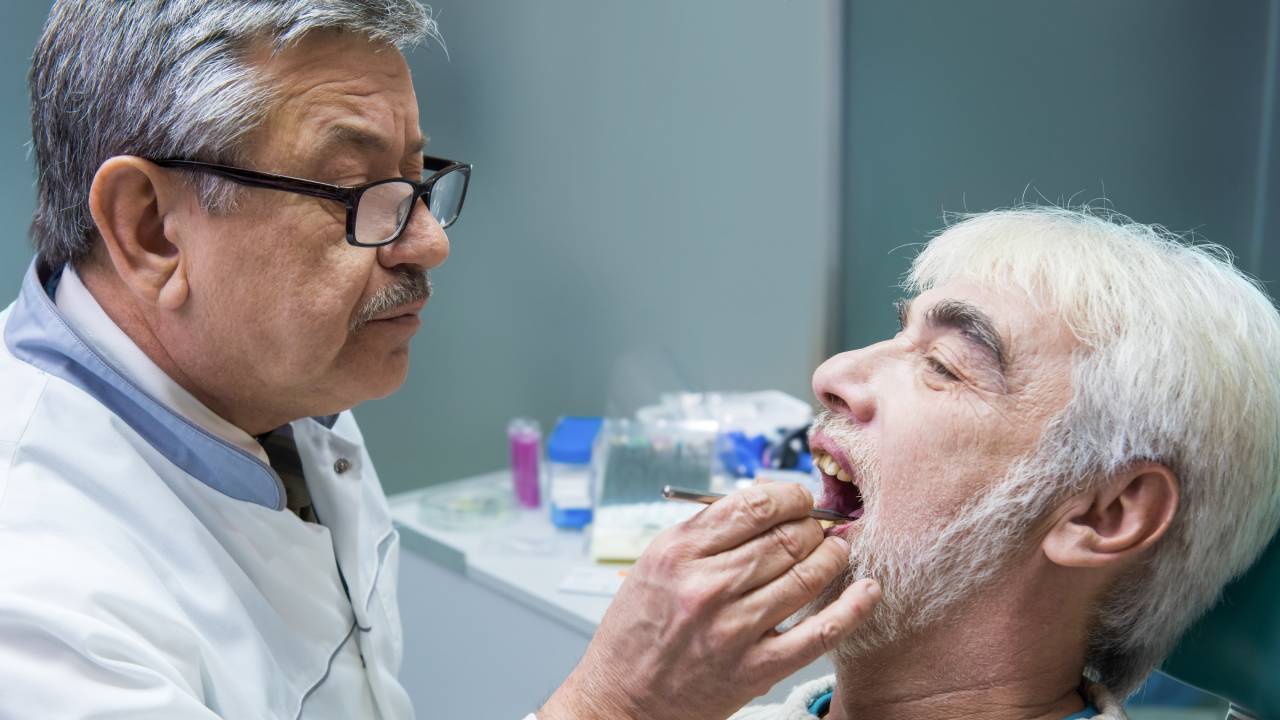
For older adults, senior dental care services focus on maintaining comfort, chewing ability, and overall health. Your tooth cleaning dentist will monitor for root decay, gum recession, denture care needs, and any signs of oral cancer or infection.
Total Smiles of Leland is a family dentist accepting new patients, so you can coordinate care for everyone in one convenient location.
Comfort, sensitivity, and dental anxiety
If you feel nervous about visiting a tooth cleaning dentist or have sensitive teeth, you are not alone. Many people postpone care because of anxiety or past experiences. That is why choosing a gentle dentist for anxiety is so important.
Support for nervous patients
You can talk openly with a dentist for nervous patients about what worries you. Options to help you stay calm may include:
- Slower, step‑by‑step explanations of each part of the visit
- Shorter appointments or breaks when you need them
- Numbing gels or local anesthesia for sensitive areas
- Sedation choices when appropriate, such as for longer or more complex procedures
The goal is to help you feel in control, heard, and as comfortable as possible.
Care for sensitive teeth
If you experience sharp twinges with cold drinks or during cleanings, let your dentist for sensitive teeth know. Your dentist can:
- Use gentler tools and techniques in sensitive areas
- Recommend desensitizing toothpaste or in‑office treatments
- Check for issues like worn enamel, exposed roots, or cracked fillings
Properly managed, tooth sensitivity does not have to be a barrier to regular cleanings.
What professional cleanings can and cannot do
Professional tooth cleaning is a key part of preventive care, but it is helpful to know its role and its limits.
Cleanings do:
- Remove plaque and tartar that brushing cannot reach
- Smooth tooth surfaces so plaque is less likely to stick again
- Support healthy gums and fresher breath
- Provide an opportunity for exams, X‑rays, and screenings
Cleanings do not:
- Replace daily brushing, flossing, and a healthy diet
- Guarantee you will never get a cavity or gum disease
- Automatically work better than good home care plus standard tartar removal at checkups in every scenario
Research summarized in 2023 noted that there is no conclusive evidence that professional teeth cleaning, apart from regular tartar removal and routine dental checkups, always prevents tooth decay or gum disease more effectively in every patient group. However, professional cleaning is often combined with patient education and other treatments to support better oral hygiene and reduce inflammation.
Your tooth cleaning dentist will balance the available evidence with your personal risk factors to recommend the right combination of professional care and home habits.
Keeping your smile healthy between cleanings
What you do at home is just as important as seeing a tooth cleaning dentist regularly. After a professional cleaning, you can maintain your results by:
- Brushing twice daily with fluoride toothpaste
- Flossing once per day, or using interdental brushes if recommended
- Rinsing with mouthwash if your dentist suggests it
- Limiting sugary snacks and drinks
- Drinking water throughout the day, especially if you have dry mouth
These steps, combined with routine care, help you prevent cavities dentist and maintain a strong, comfortable smile between visits.
If you notice bleeding gums, persistent bad breath, loose teeth, or tooth pain, do not wait for your next scheduled visit. Contact your tooth cleaning dentist promptly for a focused exam or dental hygiene appointment.
Cost, insurance, and planning your preventive care
In the United States, the national average cost for a routine tooth cleaning is about 203 dollars, with typical ranges from 50 to 350 dollars depending on your location, type of cleaning, and your dentist’s experience. Many dental insurance plans cover up to two preventive cleanings per year at no cost to you, since they are considered essential preventive care, but it is important to review your specific benefits.
At Total Smiles of Leland, the team can help you plan an affordable dental checkup, understand your coverage, and design a realistic preventive dental care plan that fits your budget and health goals.
Schedule your next cleaning with Total Smiles of Leland
A tooth cleaning dentist plays a central role in your oral health and your overall well‑being. Regular cleanings and exams help you:
- Prevent painful problems instead of reacting to them
- Protect your heart and general health through better oral hygiene
- Keep your family’s smiles healthy at every age
If you are looking for a family dentist accepting new patients, Total Smiles of Leland offers comprehensive exams, cleanings, fluoride treatment for adults and kids, sealants, and anxiety‑sensitive care in a welcoming environment.
You can schedule a new patient dental exam for yourself, a pediatric dental checkup for your child, or a routine dental hygiene appointment for any member of your family. Booking your visit today is a simple step that can make a lasting difference in your oral health.