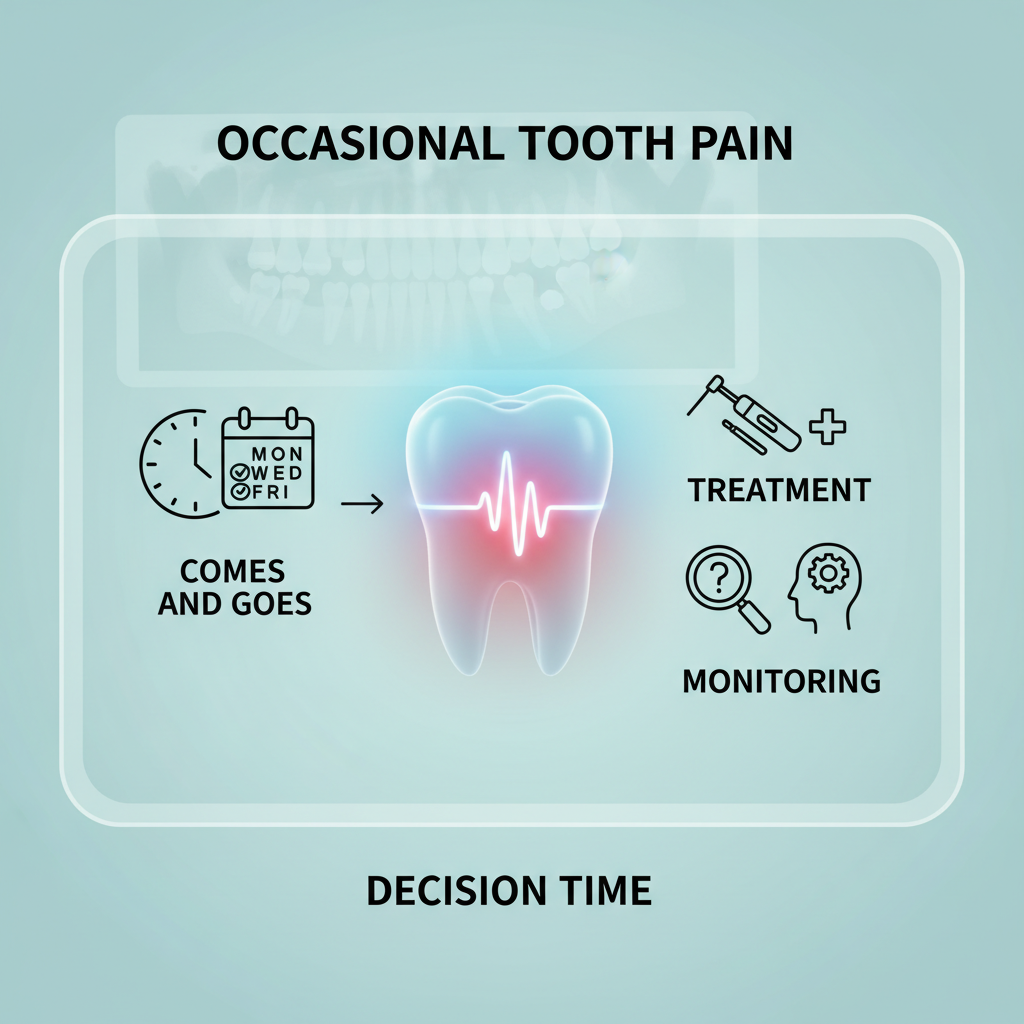

Understanding sudden tooth pain
When you are searching for a tooth pain treatment dentist, you are usually not interested in theory. You want to know what is causing your pain, how to stop it quickly, and how to prevent it from coming back. Tooth pain almost always means something inside the tooth or around it is damaged or infected, and that problem will not resolve on its own.
Toothaches can come from several different issues, including cavities, cracks, gum disease, worn enamel, infection, or problems with your bite. Many of these start small and worsen over time until the nerve in the tooth becomes irritated or infected. At that point, you may feel sharp, throbbing, or constant pain, along with sensitivity to temperature or pressure.
To protect your long‑term oral health, do not ignore tooth pain, even if it seems to come and go. Dental professionals emphasize that pain is often a sign of decay, abscess, or gum disease that needs prompt treatment to prevent more serious problems and higher costs later on.
When to seek emergency dental care
Some toothaches can wait for a scheduled appointment, but others require urgent attention. Knowing the difference helps you protect both your teeth and your overall health.
Signs you should call a dentist immediately
Contact a tooth pain treatment dentist as soon as possible if you notice any of the following:
- Toothache that lasts more than 1 to 2 days
- Pain that is severe enough to interfere with sleep, eating, or daily activities
- Swelling in your face or gums near the painful tooth
- Fever, feeling generally unwell, or a bad taste in your mouth
- Difficulty swallowing or breathing
- Pus or visible abscess near a tooth
- Trauma such as a broken, cracked, or knocked‑out tooth
NHS guidance notes that if a toothache lasts more than 2 days, you should see a dentist who can treat the cause and prevent further problems. If you have severe pain with swelling, difficulty breathing, or trouble swallowing, you should seek immediate emergency care and call 999 rather than driving yourself.
When home measures are reasonable, and when they are not
Mild tooth discomfort that appears after biting something hard, eating something cold, or grinding at night may improve temporarily with careful home care. However, if symptoms worsen, persist beyond a day or two, or come with swelling or fever, you should see a dentist right away.
Temporary gum irritation, such as from a seed stuck between teeth, may settle with flossing and gentle rinsing. In contrast, severe, throbbing toothaches usually indicate decay, infection, or another structural problem that requires professional treatment.
Safe at‑home steps while you wait
If you are waiting for your appointment with a tooth pain treatment dentist, there are several safe ways to reduce discomfort. These do not replace treatment, but they can make you more comfortable.
According to NHS advice, short‑term relief can include over‑the‑counter painkillers like ibuprofen or paracetamol, pain‑relieving gels, rinsing with salt water for adults, eating soft foods, and using a soft toothbrush. Always follow the instructions on the label and do not exceed the recommended dose.
Other supportive measures include:
- Cold compresses: A cold pack applied to your cheek for about 10 minutes once an hour helps reduce swelling and dull pain.
- Warm salt water rinses: Dissolve a small amount of salt in warm water and gently rinse to soothe irritated tissues and keep the area clean, which can ease temporary discomfort.
- Clove oil: Applying a small amount to the sore area with a cotton swab may provide short‑term numbing because it contains eugenol, a natural pain‑relieving compound.
Some people also use cooled or frozen tea bags on the sore area. Black tea contains tannins and peppermint tea contains menthol, which can offer mild numbing and soothing effects for a short time.
It is important to remember that these options only provide temporary relief. They do not remove decay, stop infection, or repair cracks. Dental experts warn that home remedies such as clove oil, tea bags, garlic, alcohol rinses, and similar options may help briefly but do not treat the underlying problem and can be unsafe for children.
Why you should not ignore tooth pain
Pain is your body’s way of signaling that something is wrong. In the case of tooth pain, that “something” is often a structural or infectious process that will worsen if you wait.
Tooth decay is one of the most common causes of tooth pain. Bacteria in plaque produce acids that dissolve tooth enamel and dentin, eventually reaching the tooth’s inner nerve if untreated. Early cavities may only need a simple filling. Deeper decay can require a larger restoration, a crown, or even root canal therapy if the nerve is involved.
Other causes of tooth pain include:
- Receding gums that expose sensitive tooth surfaces, often due to gum disease
- Tooth fractures or cracks from trauma or biting hard foods
- Teeth grinding or clenching that wears down enamel and strains the jaw
- Impacted or infected wisdom teeth
- Deep infection or abscess around the root of a tooth
Tooth infections cannot be treated without professional care, including antibiotics when indicated. Ignoring them can lead to serious complications such as tooth loss and infections that spread beyond the mouth. In some cases, tooth, jaw, or facial pain can even be a sign of other medical conditions, which is another reason to take symptoms seriously.
How a dentist diagnoses tooth pain
When you visit a tooth pain treatment dentist, the first priority is identifying the exact cause of your discomfort. Many different conditions can produce similar symptoms, so a careful evaluation is essential.
Your dentist typically will:
- Review your dental and medical history
- Ask about the type, timing, and triggers of your pain
- Perform a thorough examination of your teeth, gums, and bite
- Take dental X‑rays to look for decay, fractures, and infection below the surface
Dentists use specific tests to determine whether pain is coming from the nerve inside the tooth, the supporting bone, the gums, or the bite. This might include gentle tapping, cold tests, or checking your bite with paper or other diagnostic tools. Dental X‑rays are especially important, because many problems that cause tooth pain start beneath the gums where you cannot see them.
Once the cause is clear, your dentist can recommend the most appropriate restorative treatment to relieve pain, remove infection, and rebuild the tooth.
A proper diagnosis is the critical first step. Pain relievers can mask discomfort, but only targeted treatment can solve the problem that is causing your toothache.
Filling cavities to stop pain early
If your tooth pain is due to a cavity that has not yet reached the nerve, a dental filling is often the quickest and most straightforward way to get relief. You and your dentist may discuss a cavity filling appointment as the first step.
During this procedure, your tooth filling dentist removes the decayed portion of the tooth, thoroughly cleans the area, and places a tooth‑colored filling material to restore shape and function. This seals out bacteria, supports the remaining tooth structure, and helps prevent the decay from progressing.
Choosing the best treatment for cavity depends on factors such as:
- Size and depth of the cavity
- Location in your mouth
- Whether the tooth has existing large fillings or cracks
Smaller areas of decay generally respond well to standard fillings. For more extensive decay that still leaves enough healthy tooth, you may review large cavity treatment options, which can include inlays, onlays, or crowns for added strength.
Addressing cavities early not only relieves pain and sensitivity, it also reduces your risk of needing more complex procedures later such as root canals or extractions.
Crowns to restore and protect weak teeth
When a tooth is significantly weakened by decay, large fillings, or fractures, a dental crown is often the most reliable way to restore it. A crown covers the entire visible part of the tooth, reinforcing it and protecting it from further cracking or wear.
You might consider a dental crown procedure if you have:
- A tooth with a large existing filling that is breaking down
- A cracked or broken tooth that still has a healthy root
- Deep decay that has been treated and now needs reinforcement
- A tooth that has had root canal therapy and needs a strong outer shell
If you have a crack or fracture that is causing pain when you bite, your dentist may recommend a dental crown for cracked tooth after repairing the internal structure. Crowns are also common in broken tooth restoration when the tooth is badly damaged but still savable.
Many practices also offer a same day dental crown consultation to determine whether you are a candidate for chairside crowns that can be designed, milled, and placed in a single visit. This approach can be especially helpful if you have significant tooth pain and want a faster, durable solution.
Repairing cracked, chipped, and fractured teeth
Cracks and chips often cause sharp, intermittent pain, especially when chewing or when the tooth is exposed to hot or cold. A cracked tooth repair dentist focuses on stabilizing the tooth quickly so the fracture does not extend into the root.
Treatment choices depend on the type and extent of the damage:
- Minor chips: If you have a small piece missing from the edge of a tooth, your dentist can often restore chipped tooth with bonding or a small restoration that blends with your natural enamel.
- Moderate fractures: For cracks or breaks that involve more of the tooth’s surface, you may need tooth fracture repair using onlays or crowns to fully support the tooth.
- Deep breaks: If the fracture reaches the nerve or root, root canal therapy followed by a crown may be required. In some severe cases, extraction might be the only safe choice, but your dentist will always aim to preserve the tooth when possible.
If a molar breaks, especially one used heavily for chewing, your dentist will look at options to fix damaged molar with restorations designed for high bite forces. Addressing cracks early reduces your risk of sudden tooth splitting, severe pain, or infection.
Root canal treatment to save infected teeth
When decay or a crack reaches the pulp, the soft tissue inside your tooth, the nerve can become inflamed or infected. This often causes intense, throbbing pain that may radiate to your jaw or ear. In this situation, a root canal treatment dentist can often save your natural tooth and quickly relieve pain.
Root canal therapy involves:
- Numbing the tooth and surrounding area.
- Creating a small opening to access the infected pulp.
- Removing the damaged nerve tissue and cleaning the root canals thoroughly.
- Filling the canals with a specialized material to seal them.
- Placing a filling or crown to protect the tooth structurally.
If you are wondering, do i need a root canal, your dentist will evaluate your symptoms, perform tests, and review X‑rays. Signs that you may need this treatment include:
- Severe pain when chewing or applying pressure
- Prolonged sensitivity to hot or cold
- Darkening or discoloration of a tooth
- Swelling or tenderness in the nearby gums
- A pimple‑like bump on the gum near the tooth
Root canal therapy has a high success rate and is designed to preserve your tooth rather than remove it. It is often combined with a crown to ensure long‑term strength and comfort.
Treating tooth infections and abscesses
An untreated cavity, deep crack, or failed restoration can allow bacteria into the pulp and beyond the root tip, leading to infection and abscess. This can cause significant pain, swelling, and in some cases, systemic illness.
If you suspect infection, you should seek infected tooth treatment promptly. Dental professionals emphasize that tooth infections cannot be cured with painkillers alone and usually require both mechanical cleaning and, when indicated, antibiotics.
Treatment may include:
- Draining the abscess to relieve pressure
- Root canal therapy to remove the infected tissue
- Antibiotics when there are signs of spreading infection or systemic involvement
- Extraction if the tooth is too damaged to restore
Over‑the‑counter medications like ibuprofen and acetaminophen can reduce pain temporarily but do not remove the source of infection. Leaving an infected tooth untreated can result in bone loss, tooth loss, and in rare cases, serious health complications, so timely care is essential.
Rebuilding teeth worn down or severely damaged
Sometimes tooth pain is the result of long‑term wear, grinding, or multiple large restorations that have weakened your teeth over time. In these situations, your dentist will look beyond single‑tooth solutions and focus on the overall function of your bite.
You might explore options to rebuild worn down teeth with crowns, onlays, or other restorations that restore proper height and alignment. This can reduce sensitivity, improve chewing comfort, and protect your teeth from further damage.
If you have several teeth affected by decay, cracks, or wear, you may benefit from a comprehensive plan to restore damaged tooth surfaces across your mouth. A dental restoration consultation helps you understand what is needed to achieve stable, long‑term results that match your goals and budget.
In some cases, you may decide to pursue more extensive permanent tooth restoration using a combination of fillings, crowns, bridges, and other treatments to rebuild both appearance and function.
Bridges and restorations for missing teeth
If a tooth has been removed because of severe decay, fracture, or infection, replacing it helps restore your bite and protect neighboring teeth. Leaving a gap can lead to shifting teeth, bite problems, and extra stress on remaining teeth, which may eventually cause pain.
You can explore solutions like a dental bridge for missing tooth, which anchors a replacement tooth to the teeth next to the space. Your dentist will evaluate whether you are a good candidate and may recommend a dental bridge consultation to review your options.
If you already know you want to replace missing tooth with bridge, your dentist will go over the steps involved, including preparing supporting teeth, taking impressions or scans, and placing a custom bridge that fits your bite.
Bridges and other restorations do more than improve appearance. They help distribute chewing forces evenly, maintain proper alignment, and prevent neighboring teeth from tipping into the gap.
Long‑term strategies to prevent future tooth pain
Once you have addressed your immediate tooth pain, your next goal is to minimize the chances of similar problems in the future. Regular checkups allow your dentist to detect early decay, hairline cracks, or gum issues before they become painful.
Dental professionals highlight the importance of preventive care, including consistent home hygiene and professional cleanings, to catch problems early and avoid emergency visits. Untreated gum disease, for example, is linked with higher risks for other health issues such as cardiovascular disease and diabetes, so maintaining oral health also supports overall wellness.
If you grind your teeth at night, a custom night guard can help prevent fractures and wear that eventually cause sensitivity and pain. Managing dry mouth, limiting sugary foods and drinks, and using fluoride where appropriate can also reduce cavity risk and help you repair decayed tooth tissue before deeper layers are affected.
When to schedule a consultation
If you are currently in pain, do not wait for symptoms to “go away on their own.” A tooth pain treatment dentist can diagnose the exact cause of your discomfort and recommend targeted solutions, whether that means a simple filling, a dental crown procedure, root canal treatment dentist care, tooth fracture repair, or planning a permanent tooth restoration.
Consider scheduling a visit if:
- You have tooth pain that lasts more than a day or two
- You notice sensitivity that is getting worse over time
- A tooth has cracked, chipped, or broken
- You suspect a cavity and want the best treatment for cavity before it deepens
- You are unsure whether you need a filling, crown, or root canal
At your appointment, you can discuss immediate pain relief as well as long‑term options to restore damaged tooth structure and function. Whether you need to fix damaged molar, restore chipped tooth, or explore broken tooth restoration, you can work with your dentist to create a clear, step‑by‑step plan.
Taking action now is the most reliable way to protect your smile, control discomfort, and avoid more extensive treatment later.