Understanding lost crown emergencies
If you are searching for information about lost crown emergency repair, you are probably dealing with a crown that just came off or is painfully loose. Losing a crown exposes the underlying tooth, which can lead to sensitivity, pain, or even infection if you do not act quickly.
A lost crown is often considered a dental emergency because the unprotected tooth can deteriorate, become loose, or even crumble if it is left untreated for too long. In many cases, you can have same-day care to stabilize the tooth, relieve pain, and decide if the crown can be reused or if you need a new one.
Connecting promptly with a same day emergency dentist helps you protect your tooth, manage discomfort, and avoid more complex treatment later, such as an emergency root canal or emergency tooth extraction.
Why dental crowns fall off
Understanding why your crown fell off can help you prevent future issues and give your dentist important information during your visit. Several common factors can weaken the bond between a crown and the underlying tooth.
Crowns may come loose due to everyday wear and tear or aging dental cement. Over time, the materials that hold the crown in place can simply break down, especially if the crown is older than 5 to 10 years. Tooth decay under the crown is another major cause, since decay changes the shape and strength of the tooth structure the crown depends on.
Crowns can also be lost suddenly because of:
- Chewing hard foods like ice, nuts, or hard candies
- Eating sticky foods such as caramels or taffy that pull on the crown
- Teeth grinding or clenching (bruxism) that places constant pressure on the crown
- Physical trauma to the mouth from accidents or sports injuries
- An initially incorrect fit that never bonded as securely as it should have
These issues weaken either the cement, the tooth, or both, which makes a lost crown emergency repair more likely.
Is a lost crown a true emergency
A lost crown is not always a severe emergency, but it should always be taken seriously. The level of urgency depends on your symptoms and the condition of the tooth underneath.
You should seek immediate emergency care if you notice:
- Severe or throbbing pain
- Swelling in the gums or face
- Persistent bleeding
- Visible tooth fracture, a jagged edge, or exposed dark root
- Difficulty eating, biting, or speaking
- Signs of infection such as pus or a bad taste
In these situations, you may need urgent pain management or dental abscess treatment. Emergency dentists prioritize same-day visits for patients in pain or at risk of infection.
If you are not in significant pain, your tooth is not sharp or broken, and the crown came off cleanly, you may have a little more flexibility. However, you should still arrange an emergency dentist appointment as soon as you can. Timely care helps prevent sensitivity, new decay, and the need for more advanced severe tooth pain treatment later.
What to do immediately when a crown falls off
What you do in the first few minutes after a crown falls off can make a big difference in how successful your lost crown emergency repair will be. Try to stay calm and follow a simple step-by-step process.
First, carefully retrieve the crown from your mouth so that you do not accidentally swallow it. If you do swallow it, it usually passes through your system, but you will need a new crown either way. If you can find the crown and it is intact, your dentist might be able to reuse it, especially if you see them promptly.
Next, rinse your mouth gently with warm salt water. This helps clean the area, soothe irritation, and reduce the risk of infection in the exposed tooth or surrounding gums. If the area is bleeding or very sensitive, avoid vigorous swishing and do not poke at the tooth with your tongue or fingers.
After rinsing, inspect the crown. If it is hollow and empty inside, store it. If you see tooth material inside the crown, do not try to put it back on yourself. This usually means part of the tooth broke off, and you will likely need the tooth rebuilt and a new crown fabricated rather than a simple re-cementation.
How to store and protect the crown
Proper storage of a lost crown helps your dentist decide if it can be reused. Once you have rinsed the crown gently with water, you can disinfect it carefully with a small amount of hydrogen peroxide if recommended, then place it in a clean, small container, such as a pill bottle or sealed plastic container.
Keep the container somewhere safe that you will remember to bring to your appointment. Do not wrap the crown in tissue that could accidentally be thrown away.
For the tooth itself, avoid chewing on that side of your mouth to prevent fracture or more damage. Try not to let cold foods and drinks directly touch the exposed tooth, since this can cause sharp sensitivity or pain. If you need help managing pain before your visit, you can explore options similar to what you would use for sudden dental pain relief, such as over-the-counter pain medication taken as directed.
Temporary at‑home measures while you wait
If you cannot see a dentist right away, there are a few temporary steps you can take to protect the tooth and reduce discomfort. These are short-term measures only, and they do not replace professional lost crown emergency repair.
Over-the-counter dental cement or temporary crown repair kits, available at most pharmacies or online, can offer a temporary solution. Products like Dentemp Maximum Strength, Dentemp Recap-It, DenTek Temparin, and zinc oxide eugenol kits are designed to secure a loose cap or fill an exposed area for a short time. These materials can help protect the tooth surface and reduce sensitivity until your emergency visit.
Some dental offices advise that if your crown is hollow and the tooth underneath is intact, you may temporarily reseat the crown with a very small amount of petroleum jelly or toothpaste and gently press it into place. This is usually only recommended for 1 to 2 days, and only if you are not in pain and the crown fits snugly without rocking.
You should never use super glue or household adhesives to reattach a crown. These products can be toxic if swallowed and may permanently damage the tooth, make the crown impossible to refit correctly, or trap bacteria under the crown.
While you wait for your appointment, choose soft foods, chew on the opposite side, and avoid hot, cold, or very acidic foods and beverages. A cold compress on the cheek and over-the-counter pain relievers can help with discomfort when used as directed.
What happens during lost crown emergency repair
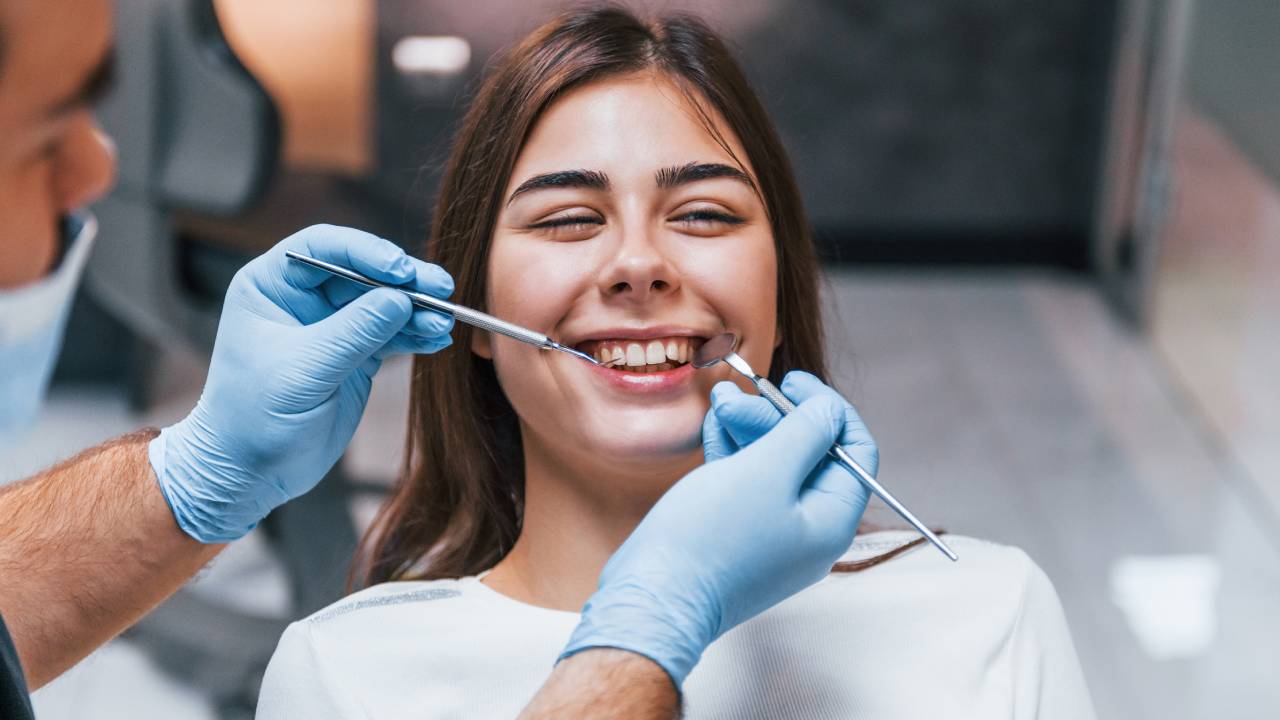
When you arrive for your emergency visit, your dentist will focus first on pain control and protecting the tooth. The exact steps of lost crown emergency repair depend on whether the crown and tooth are still in good condition.
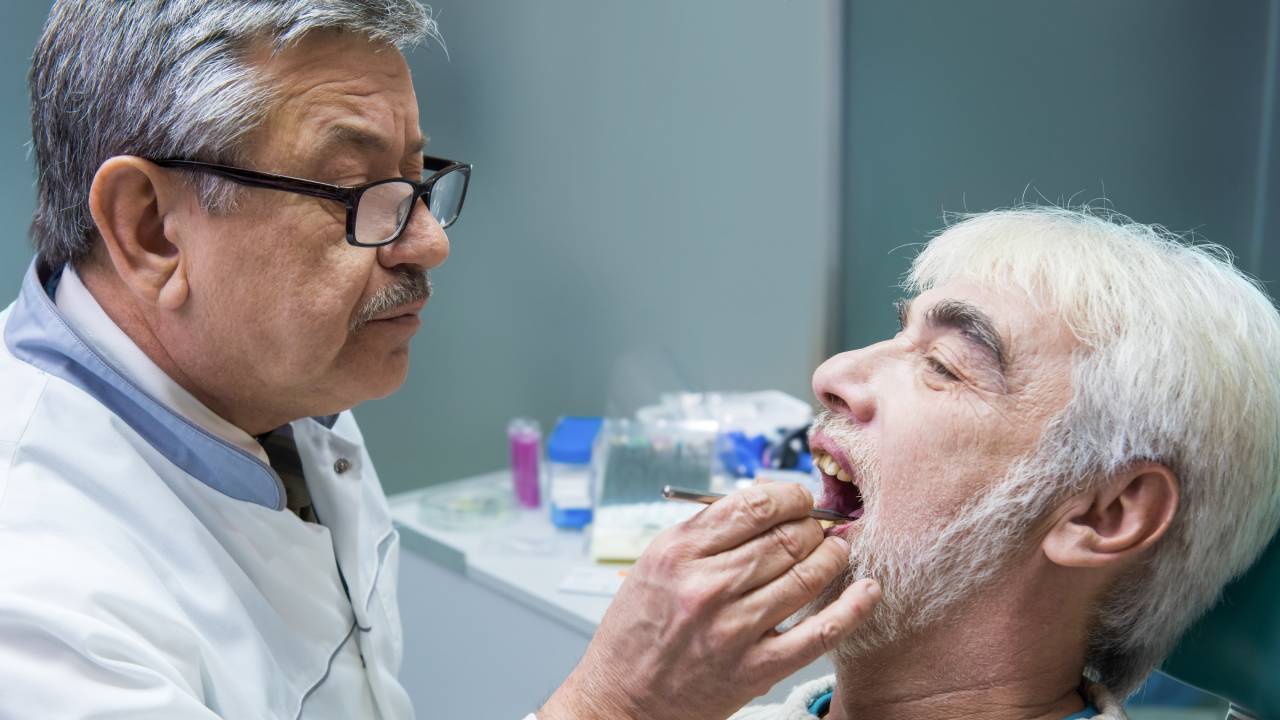
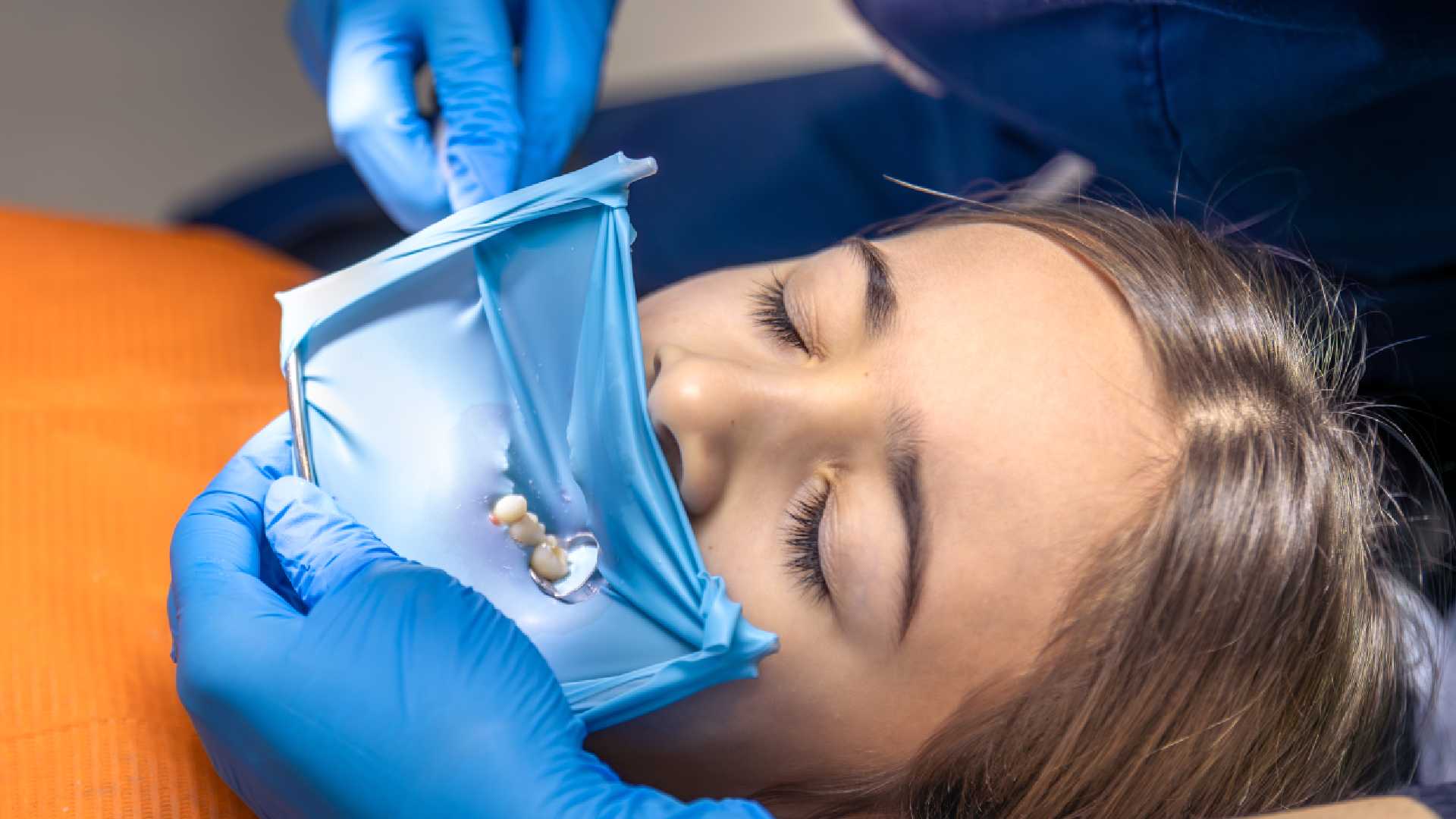
Your dentist will examine the tooth visually and may take an X‑ray to check for decay, fractures, or infection. They will also evaluate the crown you brought with you to see if it is intact and properly shaped. If the tooth and crown are both sound, the dentist can often clean the tooth, remove old cement, disinfect the area, and simply re-cement the original crown in place [14].
If the tooth has new decay, has broken, or is infected, you may need more extensive treatment. This can include removing decay, rebuilding the tooth with a core material, or performing an emergency root canal if the nerve is involved. After stabilizing the tooth, your dentist may place a temporary crown or protective covering so you can eat comfortably while a new permanent crown is made [4].
In some offices, same-day crowns are available. These crowns are designed, milled, and placed in a single visit, which can be ideal if you are dealing with a painful lost crown and want a quick, stable solution [15]. In other cases, you will return for a second appointment to have the permanent crown cemented after the lab finishes it.
If the tooth cannot be restored predictably, your dentist will discuss other options, such as emergency tooth extraction followed by implants, a bridge, or another replacement option.
Pain, sensitivity, and infection risks
After a crown falls off, the tooth underneath is often very sensitive, especially to cold, air, or pressure. This is because the dentin and sometimes even the nerve are no longer protected. You may notice aching or sharp zaps of pain, especially when eating or drinking.
Prompt lost crown emergency repair helps limit the time your tooth is exposed, which lowers the risk of needing more complex severe tooth pain treatment. If the nerve becomes inflamed or infected, you might develop an abscess that needs urgent dental infection treatment urgent or dental abscess treatment. Signs of infection can include swelling, intense pain, a bad taste, or fever [16].
Emergency dentists often prioritize patients who have lost crowns and are in pain. Some practices, like those described by West Wind Dental, may even prescribe antibiotics by phone if there is a concern about infection before you can get in for an appointment [9]. Your care team will aim to provide rapid pain relief, stabilize the tooth, and prevent the problem from escalating into a more serious emergency.
If you are unsure whether your pain is coming from a lost crown, a cracked tooth, or another problem, an exam geared toward toothache relief dentist services can clarify the cause and guide the right treatment.
When repair is not enough and replacement is needed
In some situations, repairing the existing crown is not in your best interest. The crown may be cracked, chipped, or worn beyond what can safely be bonded. Or the tooth underneath may have changed shape too much from decay, fracture, or previous repairs to allow the old crown to fit.
If the crown is severely damaged, or if a bonded repair would not be strong or cost effective, your dentist will usually recommend fabricating a new crown instead [17]. This often provides better long-term protection and reduces the chance of another emergency.
In less severe cases, chipped porcelain crowns can sometimes be repaired with composite bonding materials, but this requires specific skills and materials that not every office has available [17]. Your dentist will explain the benefits and limitations of repair versus full replacement based on your situation.
While you wait for a new crown, a well-fitted temporary crown is important. It protects the tooth, maintains spacing with neighboring teeth, and makes it easier to speak and eat. If a temporary cracks or falls off, you should seek broken tooth emergency repair or similar urgent care quickly so that the tooth is not left exposed.
How lost crown repair fits into overall emergency dentistry
A lost crown is one of many situations that may bring you to an emergency dentist. Just like a lost filling emergency dentist visit, the underlying goal is to protect the tooth, treat pain, and prevent infection from developing or spreading.
If you visit for a lost crown, your dentist will also look for other urgent issues, such as:
- Cracks or fractures that may need cracked tooth emergency care
- Chipped edges that might need a chipped tooth repair dentist
- Swollen or infected gums that could require swollen gum emergency treatment
- Signs of trauma similar to what you might see with a knocked out tooth dentist visit
If you experience a lost crown on a weekend or at night, you can look for a weekend emergency dentist or walk in emergency dentist service. These options can often provide same-day stabilization, pain relief, and a clear follow-up plan that fits into your broader oral health goals.
Preventing future crown emergencies
While no crown lasts forever, you can reduce your risk of another lost crown emergency repair with a few practical steps. Consistent care extends the life of both your tooth and your restoration.
Good daily oral hygiene is essential. Brushing twice a day, flossing carefully around the crown margins, and using fluoride toothpaste help prevent decay that can weaken the tooth under your crown. Regular checkups give your dentist a chance to spot early signs of looseness, wear, or decay before the crown fails unexpectedly [8].
You can also protect crowns by:
- Avoiding chewing ice, hard candies, or very hard foods
- Limiting sticky candies that pull at restorations
- Wearing a nightguard if you grind or clench your teeth
- Using a mouthguard during contact sports or high‑risk activities
Most crowns last many years, and with proper care some can perform well for a decade or longer [3]. If you notice any new sensitivity, a change in your bite, or a feeling that the crown is loose or higher than usual, scheduling an early evaluation can help you address small issues before they turn into an emergency.
If your crown has just fallen out, the most important steps are simple: retrieve and protect the crown, avoid chewing on that side, and contact an emergency dentist right away for guidance and care.
By acting quickly and following professional advice, you can navigate lost crown emergency repair with less pain, fewer complications, and a clearer path back to comfortable, confident chewing and smiling.
References
- (Bloom Dental of Arlington)
- (Cooper Owens DDS)
- (Madison Dental Art)
- (Mooney Dental, Madison Dental Art)
- (West Wind Dental, Madison Dental Art)
- (Cooper Owens DDS, Dr. Scott D. Lurie)
- (Bloom Dental of Arlington, Cooper Owens DDS)
- (Halliburton Family Dentistry)
- (West Wind Dental)
- (Amazon)
- (Mooney Dental, Halliburton Family Dentistry)
- (West Wind Dental, Cooper Owens DDS, Madison Dental Art)
- (Bloom Dental of Arlington, Cooper Owens DDS, Madison Dental Art)
- (Halliburton Family Dentistry, Bloom Dental of Arlington)
- (Mooney Dental)
- (Dr. Scott D. Lurie)
- (Penn Dental Medicine)