Why a lost filling needs an emergency dentist
When a filling falls out unexpectedly, it can feel alarming. A rough hole suddenly appears in your tooth, food gets trapped easily, and you may feel sharp sensitivity or pain. A lost filling emergency dentist can protect the exposed tooth, stop pain quickly, and help you avoid more serious problems like infection or tooth loss.
Fillings are not meant to last forever. Daily chewing, temperature changes from hot and cold foods, and habits like teeth grinding can loosen them over time. Older fillings, especially ones placed many years ago, are more likely to fail and fall out. When this happens, the underlying tooth is suddenly vulnerable.
Seeking same-day help from a same day emergency dentist gives you the best chance to save the tooth, relieve pain, and avoid more extensive and expensive treatment later.
What happens when a filling falls out
Once a filling is lost, the inner layers of your tooth are no longer protected. This can create several immediate and developing problems.
Exposed tooth and nerve sensitivity
The gap left behind is usually rough, sensitive, and sometimes painful. The exposed dentin and, in some cases, the nerve can react strongly to:
- Cold or hot drinks
- Sweet or acidic foods
- Air hitting the tooth when you breathe or talk
- Pressure when you bite down
Many people notice a sudden “zing” or ache when eating or drinking. If the cavity was deep, exposure of the nerve can cause abrupt, intense sensitivity or pain, especially to hot or cold foods and drinks.
Higher risk of decay and infection
Without the protective filling, bacteria and food particles can easily enter the cavity. If you delay treatment, this can lead to:
- Rapid new decay under and around the old filling site
- Inflammation inside the tooth
- Infection that may develop into a dental abscess
Once infection starts, you may need dental abscess treatment or even an emergency root canal, rather than a simple replacement filling.
Possible cracking or breaking of the tooth
The filling once provided structural support. When it is gone, the remaining tooth may be weaker and more likely to:
- Chip or fracture while you chew
- Break suddenly if you bite on something hard
- Split in a way that makes the tooth impossible to save
At that point you might need cracked tooth emergency care, broken tooth emergency repair, or even an emergency tooth extraction. Prompt attention after a lost filling helps you avoid that progression.
When a lost filling is a true emergency
Not every lost filling requires a midnight rush to the office, but it should always be taken seriously. The key is to pay attention to your symptoms.
Signs you need urgent same-day care
You should contact a lost filling emergency dentist right away or seek a walk in emergency dentist if you notice:
- Severe or throbbing tooth pain
- Swelling in your gums or face near the tooth
- Persistent or intense sensitivity to hot or cold
- Signs of infection such as a pimple-like bump on the gums, bad taste, or fever
- Difficulty eating, sleeping, or functioning due to pain
Emergency dental care is recommended when a lost filling is accompanied by severe pain, swelling, or constant sensitivity to temperature, because this helps prevent infection and tooth loss. Losing a filling is also considered a dental emergency because it exposes the tooth to infection and needs prompt replacement.
If you are unsure how urgent your situation is, a quick emergency dentist appointment or a call to a weekend emergency dentist can help you decide what to do next.
When you can wait a short time
If your filling fell out but you have:
- Little to no pain
- Only mild sensitivity
- No swelling or signs of infection
you may be able to wait a day or two, up to a week, before seeing a dentist, as long as you protect the tooth and keep it clean.
However, even when pain is mild, many dentists recommend coming in within about three days. Waiting longer increases the chance that the damaged tooth will need a crown instead of a simple replacement filling.
If anything changes, such as worsening pain, swelling, or a bad taste, you should escalate to urgent or same-day care.
What to do immediately after a filling falls out
The steps you take in the first hours after losing a filling can make a big difference in your comfort and outcome.
Clean and protect the tooth
First, gently rinse your mouth with warm salt water. This helps remove food debris and reduces bacteria around the exposed area.
If you can, find the filling. Bring it with you to your appointment, even though it often cannot be reused. It may help your dentist evaluate what happened.
To protect the tooth temporarily:
- Avoid chewing on that side
- Do not bite hard objects like ice, nuts, or pens
- Brush gently around the area to keep it clean
You can also use temporary materials to shield the exposed surface. Options often recommended include:
- Over-the-counter temporary dental cement from a pharmacy
- Sugarless chewing gum pressed into the hole as a short-term barrier
These methods can cover and protect the exposed tooth from bacteria and temperature changes until professional restoration is possible.
Manage pain until you see the dentist
If you are waiting for a same day emergency dentist or next-day visit, you can often keep yourself more comfortable with:
- Over-the-counter pain relievers such as acetaminophen or ibuprofen, taken as directed
- Clove oil dabbed sparingly on the area, which can numb the nerve slightly
- Cold packs on the outside of your cheek to reduce swelling and discomfort
- Warm saltwater rinses several times a day to lower infection risk
You can also ask your dentist if you should apply temporary dental cement at home to protect the tooth and lessen discomfort until you are seen in person.
If your pain suddenly becomes severe or you notice swelling, difficulty swallowing, or fever, seek immediate sudden dental pain relief from an emergency provider.
How an emergency dentist treats a lost filling
A lost filling emergency dentist will focus on three priorities: stop your pain, protect your tooth from further damage, and restore its function as quickly as possible.
Comprehensive exam and diagnosis
During your visit, your emergency dentist will typically:
- Review your symptoms and medical history
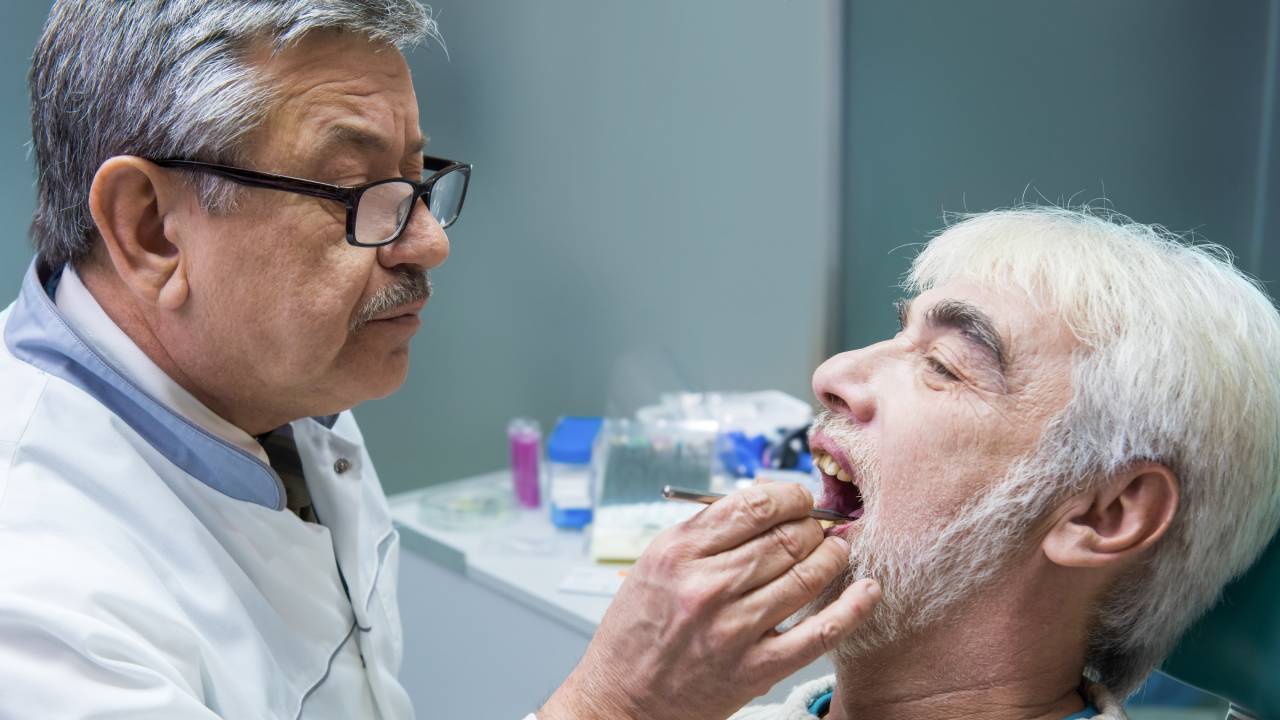
- Examine the tooth and surrounding gums visually
- Take digital X‑rays to check for decay under the old filling, cracks, or infection
This thorough assessment helps identify whether you simply need a replacement filling or more advanced care, such as a crown, emergency root canal, or dental infection treatment urgent. Many practices emphasize clear communication about your repair options, costs, and any insurance coverage so you can make an informed decision.
Pain relief and temporary protection
If you are in significant pain, that is addressed first. Your dentist may:
- Numb the area with local anesthetic
- Clean out debris and decayed material from the cavity
- Place a temporary filling to seal the tooth and reduce sensitivity
Temporary fillings are especially helpful when there is infection that requires several visits, or when you are being referred for a more complex procedure.
Practices that focus on urgent care, such as walk‑in and same‑day clinics, design visits around fast toothache relief dentist services and clear next steps for ongoing care.
Permanent restoration options
Once your pain is controlled and the tooth is evaluated, your dentist will recommend a long-term solution. Common options include:
- New filling
If the tooth structure is still relatively strong and decay has not spread too far, your dentist can replace the filling. Materials may include:
- Composite (tooth-colored) resin
- Amalgam (silver-colored), in some cases
- Glass ionomer in certain situations
The choice depends on the tooth location, the amount of chewing force in that area, and your cosmetic preferences.
- Dental crown
If a large portion of the tooth is missing or cracked, a crown may be recommended to cover and protect the entire visible surface. This is more common when a filling has fallen out after many years, or when the tooth has been heavily restored before. - Root canal therapy
If bacteria have reached the pulp inside the tooth, a root canal may be needed to remove the infected tissue and save the tooth. This is often followed by a crown to strengthen the remaining structure. Clinics that offer severe tooth pain treatment frequently use root canals as an effective solution for deep infection and pain. - Extraction as a last resort
Only when the tooth cannot be saved due to extensive damage or fracture will your dentist discuss emergency tooth extraction. They will then review replacement options such as implants, bridges, or partial dentures.
In many cases, especially when you seek help quickly, a straightforward replacement filling or crown can fully restore your tooth and smile.
Costs, insurance, and affordability
Concerns about cost should not prevent you from getting urgent care for a lost filling. Leaving the problem untreated almost always leads to more complex and expensive procedures.
Typical fees for lost filling emergencies
The cost to replace a lost filling can vary widely based on material, tooth location, and how extensive the damage is. Across the United States, the average range for a new filling is approximately 139 to 976 dollars.
Lost filling emergencies are generally among the more affordable types of dental emergencies when compared to:
- Root canals
- Crowns
- Extractions and tooth replacement
Prompt replacement reduces your risk of needing those higher cost treatments later.
Some emergency-focused practices report typical out-of-pocket ranges, for example 150 to 400 dollars for emergency fillings without insurance, and 100 to 250 dollars for the exam itself. Local fees in your area may be similar or different, but they give you a general idea of what to expect.
Insurance, payment plans, and savings options
Most dental insurance plans cover a significant portion of emergency procedures, including replacement fillings, often around 50 to 80 percent of the cost, depending on your plan. Many offices will help you verify benefits before treatment whenever possible.
If you do not have insurance, do not assume care is out of reach. Emergency clinics may provide:
- In‑house payment plans
- Dental discount memberships
- Referrals to low‑cost clinics or dental schools
- Third‑party financing and healthcare credit options
Walk‑in providers often also offer savings plans that can lower the cost of emergency care by up to 30 percent, which can be especially helpful if you need follow-up services like root canals or crowns.
Preventing future filling emergencies
After your lost filling is repaired, you can take steps to reduce the chance of going through the same situation again.
Daily habits that protect your fillings
Good home care is your first line of defense. Dentists commonly recommend:
- Brushing at least twice a day with fluoride toothpaste
- Flossing once a day to remove plaque between teeth
- Using fluoride rinses if recommended by your dentist
- Limiting frequent snacking on sugary or acidic foods and drinks
These habits help prevent new decay from forming around existing restorations and support the longevity of your fillings.
You should also avoid habits that put unnecessary stress on your teeth, such as:
- Chewing ice
- Biting pens, fingernails, or hard candies
- Using your teeth as tools to open packages
If you grind or clench your teeth, especially at night, ask about a custom night guard. This can significantly reduce the risk of fillings cracking or loosening prematurely.
Regular checkups and early intervention
Routine exams and cleanings every six months give your dentist a chance to spot:
- Small cracks in existing fillings
- Early decay at the edges of restorations
- Signs of wear from grinding or clenching
By identifying these risks early, your dentist can replace or repair fillings on your schedule, instead of you needing urgent lost crown emergency repair, chipped tooth repair dentist, or repeat lost filling emergencies.
Fillings, especially white composite ones, typically last around five years, although they often last longer with good care. Your dentist can monitor older restorations from year to year and suggest proactive updates when needed.
How lost filling care fits into overall emergency dentistry
Losing a filling is just one of many situations that may lead you to seek urgent dental care. Emergency dentists routinely treat a wide range of problems, often on the same day you call or walk in.
Common emergency services include:
- Toothache relief dentist visits for sudden or severe pain
- Swollen gum emergency treatment when infection or irritation flares up
- Broken tooth emergency repair and chipped tooth repair dentist after trauma or biting hard food
- Knocked out tooth dentist care when a tooth is completely displaced
- Bleeding gums emergency evaluation to rule out underlying disease
- Urgent infected tooth treatment and dental infection treatment urgent when an abscess develops
Large national and regional providers often support same-day and walk‑in visits specifically for issues like lost fillings, cracked or broken restorations, and sudden pain. They typically offer an exam, X‑rays when needed, immediate pain relief, and a personalized plan for repair or further treatment.
If you are ever unsure whether your situation is an emergency, many offices provide phone triage or after‑hours advice so you can get guidance quickly.
Key point: Lost fillings may start as a minor inconvenience, but if ignored they can turn into severe tooth pain, infection, or even tooth loss. Fast action and a prompt visit to an emergency dentist protect both your comfort and your long-term oral health.
Taking the next step to save your smile
If your filling has fallen out, you do not need to wait and wonder what will happen next. A lost filling emergency dentist can:
- Assess the damage with a careful exam and X‑rays
- Provide fast sudden dental pain relief
- Protect your tooth with a temporary or permanent restoration
- Create a plan to prevent future problems with that tooth and others
By reaching out to a same day emergency dentist or walk in emergency dentist as soon as you notice the problem, you give yourself the best chance to keep your natural tooth, avoid serious infection, and get back to eating, speaking, and smiling comfortably.