Understanding broken tooth emergencies
A broken tooth can happen suddenly. You might bite down on something hard, take a hit to the face, or feel a sharp crack in a tooth that already has a cavity. In many cases, broken tooth emergency repair cannot wait, especially if you have pain, bleeding, or sharp edges cutting your mouth.
A cracked or fractured tooth often causes pain, swelling, or sensitivity to hot and cold, and it will not heal on its own. You need prompt dental care to prevent the crack from spreading or bacteria from entering the pulp of the tooth and causing infection. Immediate evaluation improves your chances of saving the tooth and avoiding more complex procedures later.
If you are in urgent pain from a broken or severely cracked tooth, you can usually be seen by a same day emergency dentist for rapid assessment, pain control, and a clear treatment plan.
When a broken tooth is a true emergency
You should treat a broken tooth as a dental emergency and seek help right away if you notice:
- Severe or throbbing tooth pain
- Bleeding that does not stop with gentle pressure
- A large piece of tooth missing or an obvious fracture
- A crack that runs toward or under the gumline
- Sensitivity to temperature or pressure that is intense or worsening
- Swelling in the gums, cheek, or jaw around the tooth
A severely cracked tooth can allow bacteria to reach the pulp, which may lead to an abscess and infection that can spread to the jawbone or face if untreated. This is why prompt broken tooth emergency repair is so important.
If your main symptom is intense pain without visible damage, you may need severe tooth pain treatment or emergency root canal care, but you should still be seen urgently.
Immediate steps after breaking a tooth
What you do in the first minutes after a broken tooth can reduce pain, control bleeding, and protect the area until you reach an emergency dentist.
Control bleeding safely
If the tooth or surrounding gum is bleeding, start by gently controlling it. Bleeding is usually from the gums rather than the tooth itself, but it still needs attention.
You can:
- Place a clean piece of gauze or a washcloth over the area and bite down gently for 10 to 15 minutes
- Use gauze soaked in cold water if you are not sensitive to cold, or warm water if you are
- Consider using a damp tea bag, since tannins in tea can help promote clotting
Avoid pressing too hard so you do not worsen the fracture. If bleeding continues for more than 30 minutes despite gentle pressure, you need urgent professional care.
Clean the area and reduce infection risk
Once bleeding is under control or if there is no bleeding, rinse your mouth to keep the area as clean as possible. Warm salt water is ideal. It helps kill bacteria and loosen trapped food, which can reduce infection risk until you can see a dentist. A gentle rinse with warm salt water is also recommended as a first step by many emergency dentists.
Avoid alcohol-based mouthwashes because they can cause significant pain and irritation on exposed tooth surfaces or gum tissue.
If you have signs of infection, such as facial swelling, bad taste, or fever, you may need dental abscess treatment or dental infection treatment urgent in addition to broken tooth repair.
Protect sharp edges and exposed areas
Broken teeth often leave jagged edges that can cut your tongue, lips, or cheeks. Temporary protection helps you stay more comfortable until treatment.
You can:
- Place dental wax over sharp or rough edges
- Use sugar-free chewing gum to cover the area if you do not have wax
This provides a simple barrier until you reach your emergency appointment.
If you have an exposed sensitive area, a temporary dental filling kit from a pharmacy can sometimes be used to cover the broken part. This can reduce sensitivity and protect the tooth, but it is strictly a short-term option and should be applied only to a clean, dry tooth and not chewed on aggressively. Any temporary material is just a bridge until you can get proper broken tooth emergency repair.
Preserve any broken pieces
If a noticeable piece of tooth has broken off, gently rinse it with clean water and keep it moist. You can place the fragment in:
- Milk
- Your own saliva
- A sterile saline solution
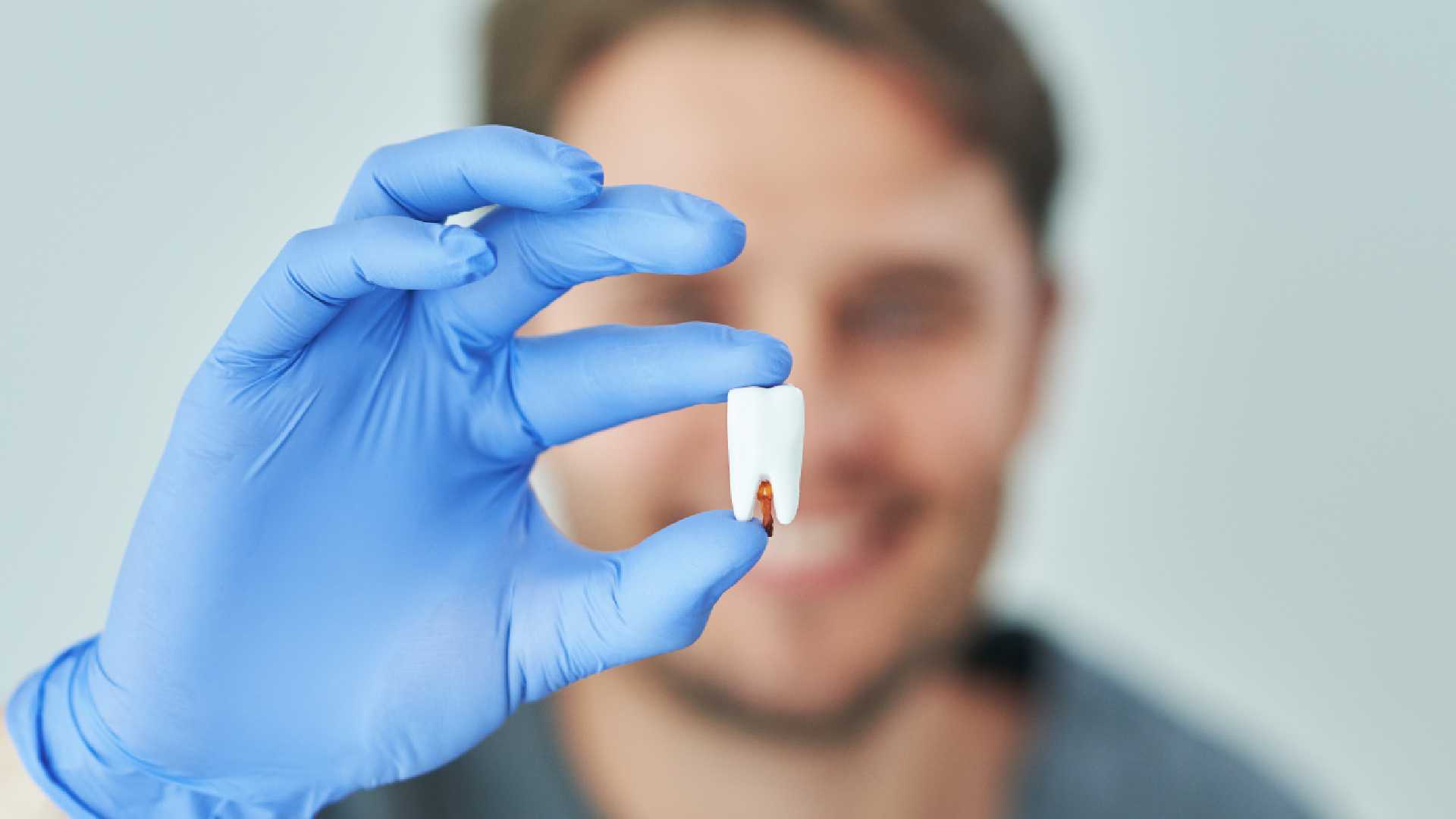
Keeping it moist may allow your dentist to reattach it in some situations. Even if reattachment is not possible, bringing the fragment can help your dentist understand the pattern of the break.
Managing pain and swelling before your appointment
Broken tooth emergencies are often painful, especially if the crack reaches the dentin or nerve. Your first priority is to control discomfort safely until you receive professional care.
Safe pain relief options
Over the counter pain medications such as ibuprofen or acetaminophen can be effective in easing pain from a broken or cracked tooth when taken as directed. Some emergency kits also include clove oil, which can provide temporary numbing when applied carefully to the surrounding gum, not directly deep inside the crack.
Avoid aspirin and do not place any medication directly on the tooth or gums, since this can irritate or burn the tissues.
If you have sudden, intense pain without obvious breakage, or if pain wakes you at night, you may benefit from seeing a toothache relief dentist or scheduling sudden dental pain relief as soon as possible.
Using cold compresses correctly
If your cheek or jaw is swollen near the broken tooth, a cold compress can help. Apply a cold pack to the outside of your face for about 15 minutes at a time, then remove it for at least another 15 minutes. This helps control swelling and offers some numbing.
Do not put ice directly on the tooth, since this can sharply increase sensitivity and discomfort. Stick to the outside of the face or cheek instead.
If you notice rapidly worsening swelling, difficulty breathing or swallowing, or fever, seek emergency medical care immediately because these may be signs of a serious spreading infection.
What an emergency dentist does for a broken tooth
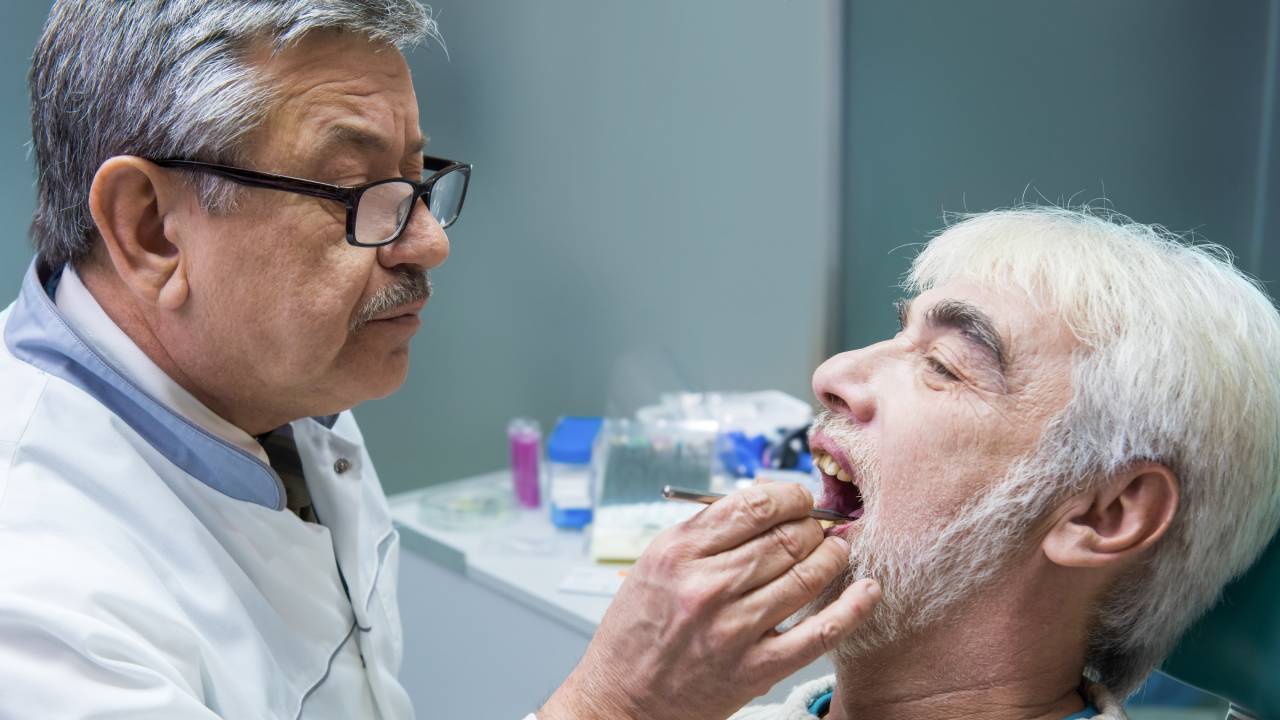
When you arrive for broken tooth emergency repair, your dentist’s first goal is to reduce pain and stabilize the tooth. They will also determine how severe the damage is and what your long-term options are.
Examination and diagnosis
During your visit, the dentist will:
- Visually inspect the broken tooth and surrounding gums
- Feel around the tooth to check for mobility and tenderness
- Use gentle biting or tapping tests to identify the painful area
- Take dental X rays or use advanced imaging to see the depth and direction of the crack
This evaluation helps the dentist determine whether the crack is limited to the enamel, extends into the dentin, or has reached the pulp or root, which influences your treatment plan.
Immediate pain and infection control
Pain relief is a priority in any broken tooth emergency repair. Your dentist may provide:
- Local anesthetic to numb the area
- Prescription pain medication, if needed
- Antibiotics if there is evidence of infection or abscess
You may not feel complete relief immediately because medications take time to work, but the emergency visit is focused on getting your pain under better control and preventing the situation from worsening.
If your broken tooth is accompanied by a pocket of infection, you may need urgent infected tooth treatment or specific dental infection treatment urgent to resolve the underlying problem.
Treatment options for different types of breaks
The right repair depends on how far the crack extends and whether the pulp is involved. Your emergency dentist will usually start with temporary stabilization, then schedule follow up visits for definitive treatment.
| Type of damage | Typical emergency approach | Possible long term treatment |
|---|---|---|
| Small chip in enamel | Smooth sharp edges, possibly place bonding | Cosmetic bonding or minor restoration with a chipped tooth repair dentist |
| Moderate fracture into dentin | Temporary filling, protect exposed area | Permanent filling, onlay, or crown |
| Deep crack reaching pulp | Pain control, possible start of root canal | Full emergency root canal then crown |
| Crack below gumline or into root | Stabilize and relieve pain | Emergency tooth extraction with replacement options |
| Crack with infection or abscess | Drain infection if present, antibiotics, pain control | Root canal or extraction plus continued infection management |
For many broken teeth, especially those with deep fractures, you may be referred to an endodontist, a specialist in treating the pulp and roots, for complex repairs.
Severely damaged teeth that extend into the gum and bone and cannot be restored may need extraction, sometimes followed by a dental implant in future visits.
At home measures before your emergency visit
There is no safe long term do it yourself method to repair a broken or cracked tooth. Permanent repair always requires professional dental care such as bonding, crowns, root canals, or extraction. However, a few temporary steps can help you stay more comfortable until you reach an emergency dentist.
Foods, drinks, and habits to avoid
To protect your broken tooth from further damage:
- Do not chew on the broken side
- Avoid hard, crunchy, or sticky foods that can widen the crack
- Choose soft foods such as yogurt, eggs, soups, or smoothies
- Avoid very hot or very cold drinks if your tooth is sensitive
- Do not use the broken tooth to tear packages or bite fingernails
These simple adjustments can make the difference between a repairable fracture and a tooth that ultimately needs extraction.
If you also notice gum swelling or bleeding near the broken tooth, you may need swollen gum emergency treatment or evaluation for bleeding gums emergency, since gum conditions can complicate tooth repair.
Why temporary fixes are only short term
Saltwater rinses, dental wax, and temporary filling material all play a role in short term comfort. Saltwater helps fight bacteria and keep the area clean, but it does not repair or seal the crack. Dental wax and temporary fillings provide a protective cover, yet they are not designed to withstand normal chewing pressure for long.
Cracks tend to worsen over time. Prompt care helps prevent the crack from spreading, reduces the risk of infection, and increases the likelihood of preserving your natural tooth.
If you find yourself delaying care due to scheduling, look for a weekend emergency dentist or walk in emergency dentist option so the tooth is evaluated as soon as possible.
Other dental emergencies that can feel similar
It is common to confuse a broken tooth with other urgent problems. You may have severe pain without a visible crack, or a damaged restoration rather than tooth structure.
Lost fillings, crowns, and knocked out teeth
If your emergency involves existing dental work rather than a natural tooth, you may need:
- A lost filling emergency dentist if a filling has fallen out and left a painful hole
- Lost crown emergency repair if a crown has come loose or come off entirely
- A knocked out tooth dentist if an entire tooth has been dislodged in an accident
These situations can cause pain similar to a broken tooth, and they also require immediate care to save the tooth or restoration when possible.
Infections and sudden toothaches
Sometimes the pain you feel as a “broken tooth” is actually from an infection inside the tooth or surrounding tissues. Sudden or severe pain, sensitivity, swelling, or a bad taste in the mouth may mean you need:
- Severe tooth pain treatment
- Dental abscess treatment
- Urgent infected tooth treatment
Addressing infection quickly reduces your risk of complications and may help you avoid more invasive procedures later.
If you are unsure what is causing your pain, you can still request an emergency dentist appointment. Clear diagnosis is the first step toward relief.
Getting same day help near you
When you are dealing with a broken tooth, waiting several days is not an option. You need fast access to care, a clear understanding of what is happening, and a straightforward plan for repair.
Many practices offer same day broken tooth emergency repair through a same day emergency dentist service. If your pain starts suddenly in the evening or on the weekend, you may also be able to see a weekend emergency dentist or come in as a walk in emergency dentist patient, depending on availability.
If you are not sure whether your situation requires a visit, consider these signs that you should call immediately:
- Persistent or worsening pain despite over the counter medication
- Bleeding that does not stop within 20 to 30 minutes of gentle pressure
- Visible crack, break, or missing piece of tooth
- Swelling in the gums, face, or jaw
- Difficulty chewing, closing your mouth, or opening widely
- History of trauma such as a fall, sports injury, or car accident
Many dental teams will guide you by phone, help you manage symptoms at home for a short time, and reserve an urgent appointment for you the same day whenever possible.
Prompt broken tooth emergency repair protects your comfort, reduces the risk of infection, and gives you the best chance of saving your natural tooth. If you are in sudden pain, reach out for sudden dental pain relief and request an emergency dentist appointment so you can start healing with a clear and confident treatment plan.
References
- (Cleveland Clinic)
- (Keep 28 Dental Centre)
- (LeJeune Dentistry)
- (St. Charles Dentist)
- (LeJeune Dentistry, Pure Dental)
- (LeJeune Dentistry, Mission Hills Family Dental, North Scottsdale Dentistry)
- (Mission Hills Family Dental, North Scottsdale Dentistry)
- (Mission Hills Family Dental)
- (Austin Center for Endodontics, Sandston Comprehensive Dentistry)
- (Sandston Comprehensive Dentistry)
- (Sandston Comprehensive Dentistry, Cleveland Clinic)
- (Cleveland Clinic, Austin Center for Endodontics)
- (North Scottsdale Dentistry)
- (Austin Center for Endodontics, Cleveland Clinic)