
Why urgent infected tooth treatment matters
When you have a severe toothache or swollen face, you are not just dealing with pain. You may be facing a serious infection that needs urgent infected tooth treatment, not a wait-and-see approach. In the United States, dental abscesses send about 200,000 people to emergency rooms each year and account for roughly one quarter of all oral health related ER visits, underscoring how quickly a tooth infection can become a medical emergency.
A tooth infection will not heal on its own. The bacteria can spread into your jaw, face, throat, and even vital organs if you delay care. Getting same day help from a same day emergency dentist is often the safest and most comfortable option.
In this guide, you will learn how to recognize an infected tooth, what counts as an emergency, what treatment actually involves, how to find urgent care near you fast, and which at home steps can help until you are seen.
Recognizing signs of an infected tooth
You may suspect a cavity or gum problem, but an actual tooth infection or abscess has specific warning signs. Understanding them helps you decide how quickly you need help.
Common symptoms you might notice
A tooth abscess is a pocket of pus caused by bacteria in or around the tooth. It can form at the tip of the root, along the side of the root, or in the gums. Typical symptoms include:
- Severe, throbbing toothache that can spread to your jaw, ear, or neck
- Swelling in your face, cheek, or gums
- Red, swollen, or shiny gum near the painful tooth
- A pimple-like bump on the gum that may ooze pus
- Sensitivity to hot, cold, or biting pressure
- Fever or feeling generally unwell
- Bad taste in your mouth or foul breath
If you notice these symptoms, you likely need urgent infected tooth treatment and should not wait for a routine dental appointment.
When pain becomes an emergency
Intensity and pattern of pain also give you clues. You should treat it as an urgent problem if:
- Pain is constant, throbbing, or wakes you from sleep
- Over the counter medications only dull it briefly, or not at all
- Pain increases when you lie down
- Pain worsens rapidly over hours instead of slowly over days
This level of discomfort usually means the nerve inside your tooth is inflamed or infected, which often requires an emergency root canal or, in some cases, an emergency tooth extraction.
When to seek emergency care immediately
Some tooth infections go beyond dental urgency and become medical emergencies that cannot wait until the next business day.
Red flag symptoms that require same day help
You should seek same day urgent infected tooth treatment if you have a toothache plus any of the following warning signs:
- Swelling that spreads across your face, under your jaw, or into your neck
- Difficulty breathing, swallowing, or opening your mouth
- High fever, chills, or feeling very ill
- Rapidly worsening swelling over a few hours
- Confusion, dizziness, or very fast heart rate
These symptoms can signal a deep neck infection or spreading abscess that can block your airway and require hospital level care, intravenous antibiotics, and surgical drainage.
If you notice these signs, you should go to the nearest emergency room or urgent care right away. Do not wait for a dental appointment.
If you have difficulty breathing, trouble swallowing, or swelling that travels down your neck, treat this as a medical emergency and seek immediate ER care.
ER, urgent care, or emergency dentist
It can be hard to decide where to go first. This simple framework can help:
- Choose the ER if there is any breathing trouble, swallowing difficulty, or major facial or neck swelling.
- Choose urgent care if dental offices are closed, your pain is unbearable, but you are breathing and swallowing normally.
- Choose an emergency dentist appointment if you can safely travel, your symptoms are severe but stable, and a same day dental visit is available.
Emergency room physicians typically control pain, give antibiotics, and manage life threatening complications, but they do not perform root canals or extractions. You will still need follow-up with a dentist for definitive care.
What urgent infected tooth treatment involves
You might worry that every infected tooth means losing the tooth, but your dentist’s goal is to relieve pain, stop the infection, and save the tooth whenever possible.
Step 1: Evaluation and diagnosis
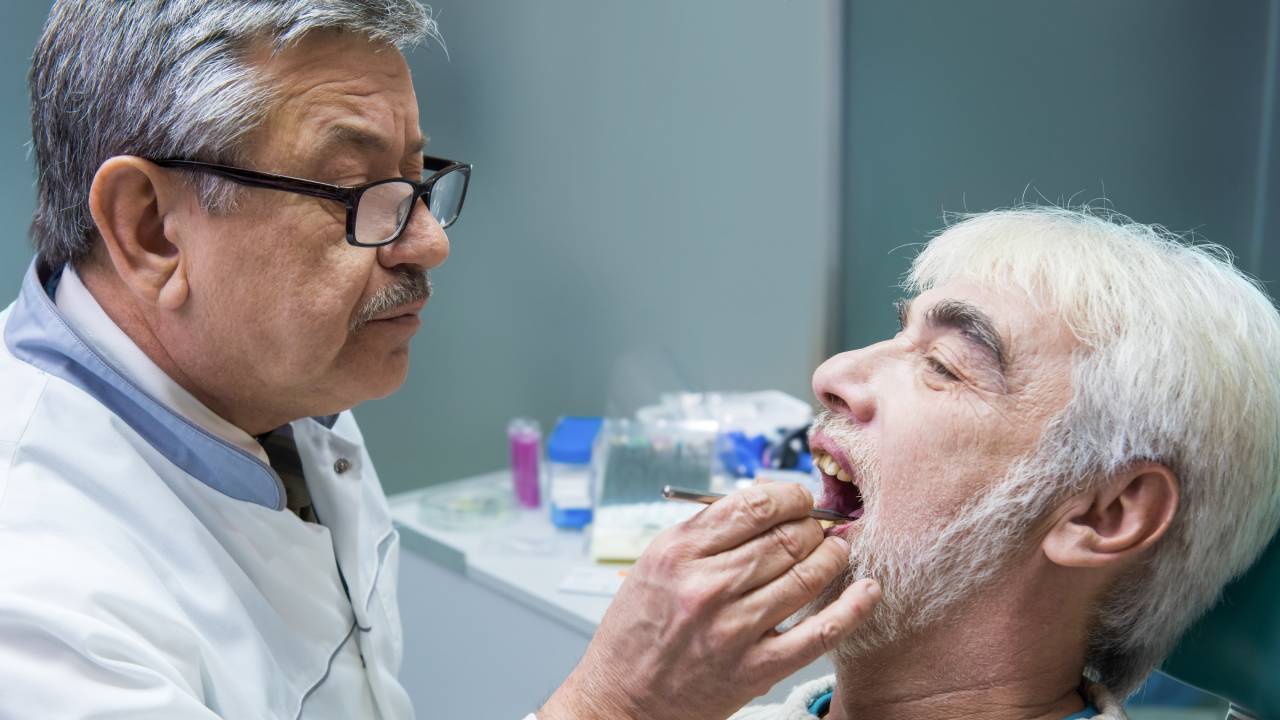
At a toothache relief dentist visit, your emergency exam may include:
- Questions about your pain, swelling, and medical history
- Visual exam of your teeth, gums, and face
- Gentle tapping or cold testing on suspected teeth
- X rays to check for abscesses, bone changes, or deep decay
This evaluation helps your dentist determine whether you need dental abscess treatment, root canal therapy, or extraction.
Step 2: Draining the infection
If you have a visible abscess or swollen gum area, your dentist may perform incision and drainage. This involves numbing the area, making a tiny opening, and allowing pus to drain, which relieves pressure and often gives rapid pain relief.
Sometimes, pus drains through the tooth itself during root canal treatment rather than through the gum. Either way, drainage is a key part of urgent infected tooth treatment and helps antibiotics work more effectively.
Step 3: Root canal or extraction
Definitive treatment generally involves one of two options:
- Root canal therapy. Your dentist or endodontist removes the infected pulp from inside the tooth, cleans and disinfects the root canals, and seals them. This is often followed by a crown to protect the tooth. Root canals are usually the first choice when the tooth can be saved and are a common form of severe tooth pain treatment.
- Tooth extraction. If the tooth is severely damaged or cannot be saved, removal may be the safest option. After numbing the area, the dentist removes the tooth and places gauze to control bleeding. Later, you can discuss options such as implants or bridges.
Dentists use extractions as a last resort, focusing first on saving natural teeth through an emergency root canal whenever possible.
Step 4: Antibiotics when needed
Antibiotics do not cure an infected tooth on their own, but they can be lifesaving in certain situations. Your dentist may prescribe medications like amoxicillin or clindamycin if there are signs the infection is spreading beyond the tooth, such as fever or facial swelling.
According to current medical guidance, amoxicillin is often a first choice because it targets common mouth bacteria and typically causes fewer stomach side effects. If you are allergic to penicillins, your provider will choose a different antibiotic.
No matter which medication you receive, you need to:
- Take it exactly as prescribed
- Finish the full course, usually about a week, even if you feel better early
- Call your provider if you develop a rash, difficulty breathing, or severe diarrhea
Stopping antibiotics early can lead to infection recurrence and antibiotic resistance.
How quickly you can expect relief and recovery
When you are in severe pain, you want to know how fast urgent infected tooth treatment will actually help.
Most patients experience noticeable pain relief within 24 to 48 hours after procedures like drainage, root canal therapy, or extraction, especially when combined with appropriate antibiotics when needed. Swelling usually improves over a few days, and full recovery typically takes less than a week.
Your dentist will often schedule a follow-up visit to confirm the infection has cleared and to plan any permanent restoration, such as a crown or replacement tooth. This follow-up is an important part of preventing another infection in the same area.
Finding urgent infected tooth treatment near you
Once you recognize you need help, the next step is locating a provider who can see you quickly and offer the right services.
Where to look for same day appointments
To find fast care, you can:
- Search for a walk in emergency dentist in your area for unplanned visits
- Call a weekend emergency dentist if your symptoms start on a Saturday or Sunday
- Use the term dental infection treatment urgent when searching online to filter for clinics that prioritize infections and abscesses
- Ask your regular dentist if they offer a same day emergency dentist slot for established patients
Many offices reserve time each day for emergencies like abscesses, severe toothaches, or trauma. When you call, be clear about your symptoms and use phrases such as “severe tooth pain with swelling” or “possible abscess” so staff understand the urgency.
Questions to ask when you call
When you reach a dental office, you can ask:
- Do you offer same day or next day appointments for emergencies?
- Can you provide sudden dental pain relief on the first visit, even if full treatment takes more time?
- Are you able to perform emergency root canal or emergency tooth extraction if needed today?
- What payment options or financing do you have for urgent care?
This helps you choose a provider who can do more than just look at the tooth and send you elsewhere.
Related dental emergencies you should not ignore
Tooth infections often develop from untreated dental injuries or problems. Addressing issues promptly can prevent an abscess from forming.
Broken, cracked, or chipped teeth
A damaged tooth gives bacteria a path into the inner layers, which can lead to infection. You should seek care quickly if you have:
- A broken tooth that exposes the inner dentin or pulp, which may need broken tooth emergency repair
- A vertical or deep crack, which may require cracked tooth emergency care
- A significant chip that causes pain or sharp edges, treated by a chipped tooth repair dentist
Prompt repair can reduce the risk of the nerve dying and developing into a painful abscess later.
Knocked out teeth, lost fillings, and crowns
Even if there is no infection yet, some situations still qualify as urgent:
- A completely knocked out tooth, especially in a child or teenager, needs a knocked out tooth dentist as soon as possible for the best chance of saving the tooth.
- A lost filling emergency dentist can help when a deep cavity is suddenly exposed and becomes painful.
- If you lose a crown and the tooth is sensitive or has an earlier root canal, a lost crown emergency repair visit can protect the tooth from fracture and infection.
Swollen or bleeding gums
Gum problems can sometimes signal underlying infection:
- Sudden painful swelling around a tooth or along the gumline may be an early abscess and needs swollen gum emergency treatment.
- Persistent heavy bleeding from your gums, especially after minor trauma or brushing, may call for evaluation as a bleeding gums emergency.
Getting these conditions checked early can prevent them from developing into more serious infections that require urgent infected tooth treatment later.
Safe at home steps while you wait for care
Home remedies cannot cure a tooth infection, but they can make you more comfortable and may help control symptoms until your appointment.
What you can safely do for temporary relief
Based on current guidance, you can use the following while you arrange urgent care :
- Rinse your mouth gently with warm salt water several times a day
- Apply a cold compress to the outside of your cheek to reduce pain and swelling
- Use over the counter pain relievers such as ibuprofen or acetaminophen as directed, unless a doctor has told you to avoid them
- Avoid very hot, very cold, or sugary foods and drinks that trigger pain
- Keep the area as clean as you comfortably can with soft brushing and flossing
Some people also use natural products like clove oil or garlic for their antibacterial properties. These may help symptoms briefly, but they do not replace antibiotics or dental treatment and should be considered supportive only.
What you should avoid
You should not:
- Try to pop or cut open an abscess yourself
- Apply aspirin directly to the gum or tooth
- Rely only on natural remedies or over the counter products instead of seeing a dentist
- Use leftover or someone else’s antibiotics
According to recent guidance, the only way to definitively eliminate a tooth infection is through prescribed antibiotics and professional dental procedures like root canal therapy or extraction, combined with proper drainage of the infected area.
Home measures are for symptom control, not a long term solution.
How to prevent future tooth infections
Once you have gone through urgent infected tooth treatment, you will likely want to avoid ever facing that level of pain and urgency again.
You can lower your risk by:
- Keeping all recommended follow-up appointments after an emergency visit
- Completing any planned root canals, crowns, or restorations without delay
- Maintaining regular checkups and cleanings so your dentist can catch early decay before it reaches the nerve
- Treating small chips, cracks, and broken teeth promptly with broken tooth emergency repair or chipped tooth repair dentist care
- Managing chronic conditions, such as diabetes, that can increase infection risk
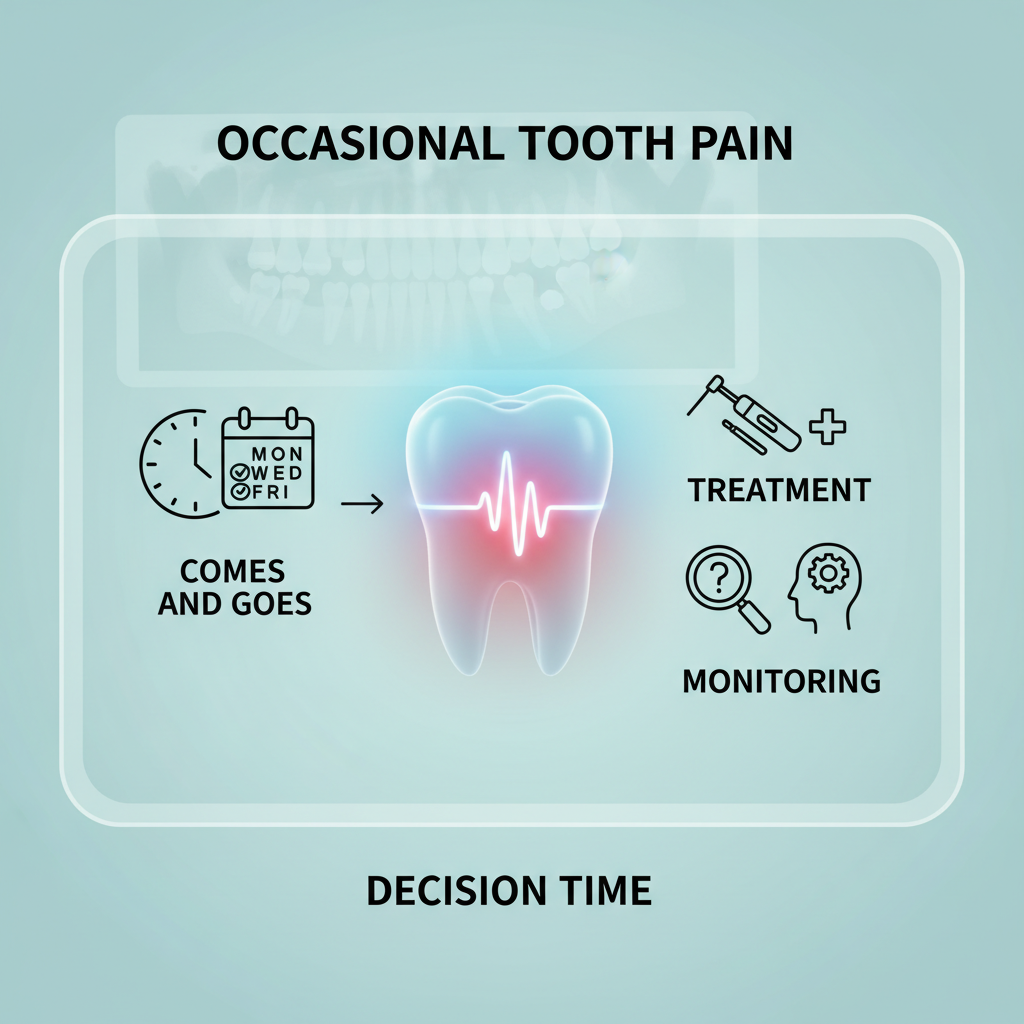
- Not ignoring early warning signs like occasional tooth sensitivity, intermittent toothache, or gum swelling
If you ever experience sudden, severe dental pain again, do not wait to see if it improves on its own. Early evaluation through a toothache relief dentist or sudden dental pain relief visit can catch problems before they become emergencies.
Taking the next step toward relief
If you suspect a tooth infection, the most important step you can take right now is to arrange urgent infected tooth treatment. A same day emergency dentist or walk in emergency dentist can provide rapid diagnosis, pain control, and a clear plan to eliminate the infection.
To summarize your next steps:
- Pay close attention to red flag symptoms like facial swelling, fever, or difficulty breathing.
- Decide whether you need the ER, urgent care, or an emergency dentist based on your symptoms.
- Use available options such as weekend emergency dentist services if your pain starts after hours.
- Use safe at home measures briefly, but do not delay professional care.
With prompt treatment, most people experience significant pain relief within a day or two and make a full recovery within about a week. The sooner you seek help, the easier it is to control the infection, protect your health, and preserve your smile.
References
- (iO Dentistry)
- (Cleveland Clinic; Mayo Clinic)
- (Cleveland Clinic; Mayo Clinic; Clearwater FL Dentistry)
- (iO Dentistry; Cleveland Clinic; Mayo Clinic)
- (Drugs.com)
- (University of Utah Health)
- (Hardy Oak Family Dentistry; Mayo Clinic)
- (iO Dentistry; Cleveland Clinic; Drugs.com)
- (Cleveland Clinic; Drugs.com)
- (Cleveland Clinic; Clearwater FL Dentistry; The Guardian Life)
- (The Guardian Life)
- (The Guardian Life; Cleveland Clinic)