
Why a dentist for sensitive teeth matters
If you live with sensitive teeth, you already know how quickly a sip of cold water or a spoonful of ice cream can turn from enjoyment into a sharp sting. A dedicated dentist for sensitive teeth does much more than treat occasional discomfort. Regular visits help you protect your enamel, calm overactive nerves, and prevent small issues from turning into painful emergencies.
Tooth sensitivity, also called dentin hypersensitivity, is typically a short, sharp pain triggered by hot or cold foods, sweet or acidic drinks, or even brushing and flossing. It usually occurs when the protective enamel or gum tissue has worn away and the underlying dentin is exposed, as described by experts at Johns Hopkins Medicine. By partnering with a family-focused practice like Total Smiles of Leland, you can build a long term preventive plan that keeps sensitivity under control and preserves your oral health.
Understanding what causes sensitive teeth
To get lasting relief, you first need to understand why your teeth are sensitive. A dentist for sensitive teeth focuses on identifying the specific causes in your mouth so treatment is targeted rather than guesswork.
In many cases, sensitivity begins when the underlying dentin layer becomes exposed. Dentin contains tiny tubules that lead straight to the tooth’s nerve. When these tubules are open, cold air, temperature changes, or acids can trigger fluid movement inside them. This process, called the hydrodynamic theory, is the most widely accepted explanation for dentin hypersensitivity and is supported by clinical research in the Journal of Dentistry .
Common reasons dentin becomes exposed include enamel wear from aggressive brushing or grinding, gum recession, or erosion from acidic foods and drinks. Mayo Clinic notes that sensitive teeth can also be related to cavities, cracked or chipped teeth, worn fillings, or gum disease. This is why a professional comprehensive dental exam is so important. It allows your dentist to determine whether you are dealing with classic dentin hypersensitivity or another condition with similar symptoms.
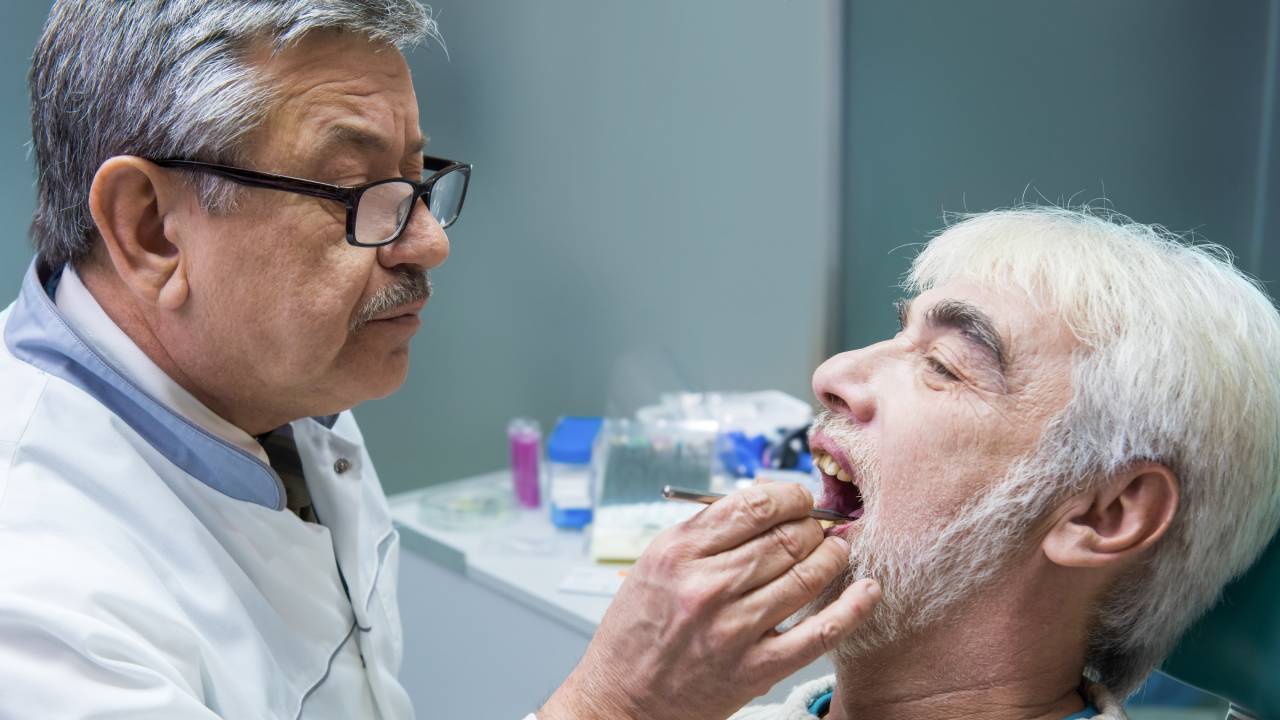
Research referenced by Haleon Health Partner emphasizes that dentin hypersensitivity is a diagnosis of exclusion, meaning other problems must be ruled out first. Your dentist will take a detailed history, perform a clinical exam, and may use gentle tests such as an air blast or tactile exploration to confirm how your teeth respond to cold or touch. This careful approach gives you a clear explanation of what is happening and what to do next.
How routine exams help protect sensitive teeth
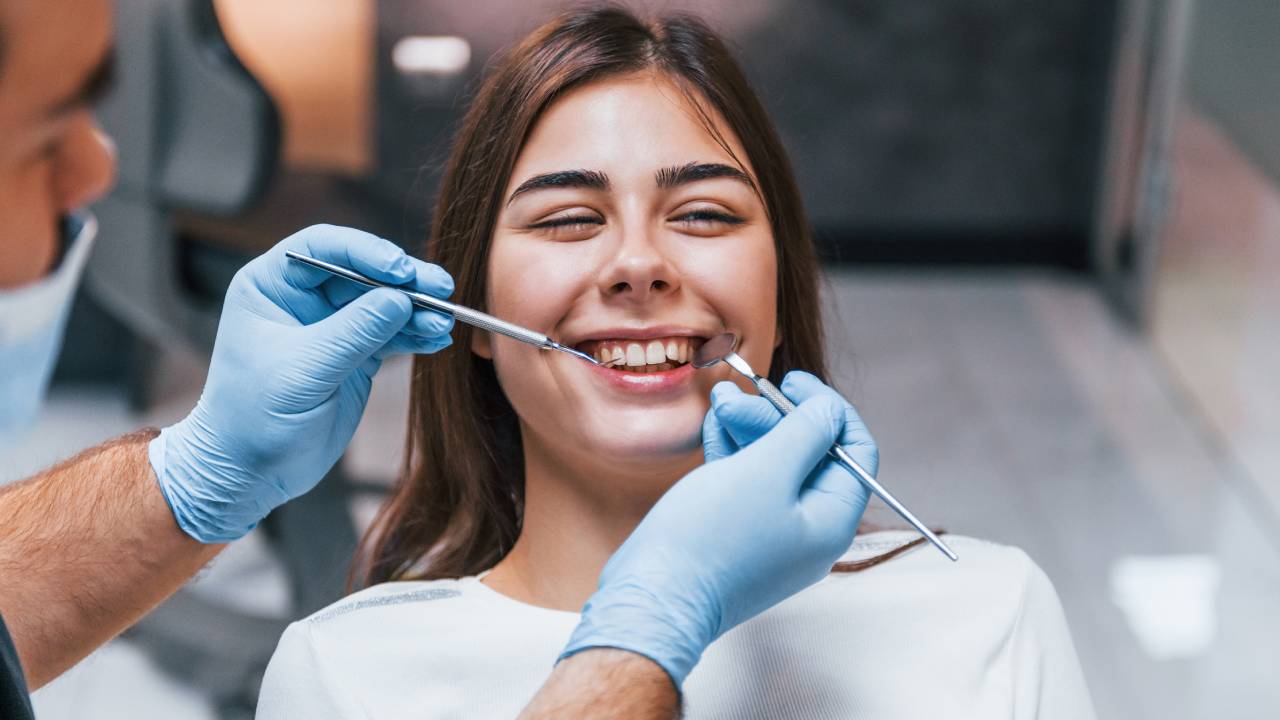
If you have sensitivity, consistent preventive visits are one of the most powerful tools you have. Regular dental exam and cleaning appointments help you stay ahead of enamel wear, gum recession, and early decay, before these changes can significantly worsen your pain.
During a routine dental checkup, your dentist will evaluate your teeth and gums for signs of dentin exposure, enamel thinning, or early root surface decay. For patients with sensitivity, this exam often includes focused screening of the areas that bother you most. Early detection is key. When your dentist identifies a problem at a reversible stage, treatment is usually more comfortable, more conservative, and less expensive.
A dentist who understands sensitive teeth also adjusts the cleaning process. Your hygienist can use gentler tools, selective polishing, and careful rinsing temperatures, so a dental hygiene appointment does not feel like something you need to avoid. Over time, these regular visits allow your care team to monitor whether your sensitivity is improving, staying the same, or beginning to change, and they can adapt your preventive dental care plan accordingly.
At family practices that emphasize individualized care, such as the Vienna office of Dr. Anil Dwivedi, attention to comfort is built into every visit. They provide personalized care, state of the art technology, and treatment options tailored to each patient’s specific needs, which is especially helpful if you struggle with sensitive teeth or dental anxiety.
A family dentist for sensitive teeth at every age
Tooth sensitivity is not limited to one age group. A family centered practice like Total Smiles of Leland is equipped to support children, teens, adults, and seniors with age specific strategies that fit into your household’s routine.
Younger children might experience mild sensitivity when new teeth erupt or if they have early enamel defects. Gentle visits such as a pediatric dental checkup and dentist for kids first visit can introduce preventive care in a positive way. For children at higher risk of decay, your dentist may recommend dental sealants for children or fluoride treatment for kids to strengthen enamel and reduce the chance of future sensitivity.
Teens often deal with dietary acids from sports drinks or soda, orthodontic appliances, or early signs of grinding related to stress. With focused teen dental care services, your dentist can coach your teen on gentle brushing habits, diet choices, and the right toothpaste to use, while monitoring early areas of wear.
Adults and seniors frequently report sensitivity around receding gums, older fillings, or exposed root surfaces. An adult dental care provider can pair regular cleanings with targeted treatments like fluoride treatment for adults, customized home care, and in office desensitizing therapies. For older adults, senior dental care services may also focus on dry mouth management, as reduced saliva can increase both decay risk and sensitivity.
Choosing a family dental office that welcomes all ages allows you to manage sensitive teeth in a coordinated way, with one team who understands your history and your family’s needs over time.
When you treat sensitivity as part of your overall oral health, instead of an isolated problem, you can prevent a lot of future discomfort and avoid more complex procedures.
The role of digital diagnostics in sensitive teeth care
Modern diagnostics make it easier and more comfortable to understand what is happening inside a sensitive tooth. Using digital dental x rays, your dentist can detect hidden decay between teeth, bone loss around roots, and early cracks that might otherwise be missed during a visual exam alone.
Digital imaging uses significantly lower radiation than traditional film, and images appear instantly on a chairside monitor. This lets your dentist zoom in and show you exactly where enamel is thin, where dentin is exposed, or where a restoration might be failing. When you see what your dentist sees, it becomes easier to understand why a specific tooth feels sensitive and why a particular treatment is recommended.
In some cases, your dentist may also recommend an oral cancer screening dentist assessment, especially if you have persistent pain that does not match typical sensitivity patterns. While most sensitive teeth are related to non serious causes, routine screening is part of comprehensive care and helps ensure that no significant condition is overlooked.
Advanced practices like Dr. Dwivedi’s office in Vienna use state of the art technology to provide accurate diagnoses and innovative treatments, allowing for highly customized care plans for patients with dentin hypersensitivity or other sensitivity related issues.
Comfort focused care for dental anxiety and sensitivity
If you already dread the dentist because of past painful experiences, sensitive teeth can make that anxiety worse. The right dentist for sensitive teeth not only adjusts clinical techniques, but also creates an environment where you feel heard, respected, and in control.
At Total Smiles of Leland, your team can take additional steps to support you if you are anxious or have had difficulty tolerating dental procedures in the past. Scheduling with a gentle dentist for anxiety or dentist for nervous patients ensures that extra time and care are built into your visit. Techniques might include using numbing gels before cleaning near sensitive areas, taking more breaks, or explaining each step before it happens.
Some offices also offer sedation dentistry when appropriate. The practice of Dr. Anil Dwivedi, for example, provides advanced deep dental sedation to help patients with significant dental anxiety relax fully during procedures, which can be particularly beneficial for individuals with sensitive teeth who worry about pain or discomfort.
When comfort is prioritized, your appointments become more manageable. Over time, as you experience gentle, successful visits, your anxiety generally decreases and it becomes easier to keep up with ongoing cleanings and exams.
Targeted in office treatments that calm sensitivity
While at home care is important, in office treatments often provide the fastest and most noticeable relief from tooth sensitivity. During your new patient dental exam or follow up visits, your dentist can recommend specific options based on what is causing your discomfort.
If your sensitivity is related to exposed root surfaces or enamel wear, professional applications of fluoride varnish or other remineralizing agents can strengthen the outer layer of the tooth. Research in the Journal of Dentistry highlights that professionally applied treatments like fluoride and specialized desensitizing agents help occlude dentinal tubules and reduce fluid movement, which decreases pain.
In certain cases, your dentist may use bonding resins or sealers to physically cover exposed dentin. These materials act like a protective coat over sensitive areas, blocking direct access to the nerve. If tooth grinding is contributing to your symptoms, Mayo Clinic notes that dentists may recommend a custom mouth guard to protect teeth from further wear and sensitivity.
More advanced options such as laser therapy are also being used in some practices. Studies report that lasers can reduce sensitivity by occluding tubules or moderating nerve response, with good patient acceptance and no reported pulp damage up to 2010. Your dentist will discuss whether these kinds of treatments are appropriate in your situation.
By combining these in office treatments with a personalized cavity prevention treatment approach, you gain both immediate relief and long term protection.
At home strategies guided by your dentist
The benefits of seeing a dentist for sensitive teeth continue long after you leave the office. A customized home care plan, developed with your dentist and hygienist, gives you daily tools to control sensitivity and protect your enamel.
You might be advised to:
- Switch to a soft bristled brush and gentle technique to avoid further abrasion
- Use desensitizing toothpaste containing potassium salts or similar agents recommended in clinical guidelines, which help reduce nerve response in exposed dentin
- Avoid brushing immediately after acidic meals or drinks, to prevent brushing softened enamel
- Limit frequent exposure to acidic beverages like soda, citrus drinks, and wine, or use a straw and then drink water afterward to help neutralize acids, as Mayo Clinic suggests
Your dentist can also suggest specific products and techniques that fit your lifestyle, along with follow up timelines to check your progress. This is where the relationship built at your family dental office becomes so valuable. You have a trusted team to contact when something changes, rather than trying to solve new sensitivity on your own.
Preventive services that reduce future sensitivity
A dentist for sensitive teeth does not only react to existing pain. Preventive dentistry is designed to lower your risk of developing new sensitive areas so you can enjoy eating, drinking, and daily life with fewer interruptions.
Regular cleanings with a tooth cleaning dentist remove plaque and tartar from along the gumline, which helps prevent gum disease and recession that can expose root surfaces. When combined with topical fluoride treatments, these visits strengthen weakened enamel and reinforce your defenses against cavities.
If you are prone to frequent decay, your provider can help you prevent cavities through additional measures such as sealants on deep grooves, saliva management, and diet counseling. Creating a long term preventive dental care plan allows you and your dentist to set clear goals and visit intervals that match your specific risk level.
For families, scheduling coordinated visits and choosing an affordable dental checkup option helps everyone maintain regular care. When the entire household keeps up with cleanings and exams, it is easier to notice early signs of sensitivity and address them quickly.
Organizations like Mayo Clinic and Johns Hopkins both emphasize that preserving enamel and addressing underlying causes early is essential in preventing tooth sensitivity from becoming a chronic problem . Building a relationship with a family dentist accepting new patients is a straightforward way to put that guidance into everyday practice.
When to schedule a sensitive teeth visit
If tooth sensitivity is occasional, mild, and clearly linked to a recent whitening treatment or a single cold drink, it may resolve on its own. However, you should schedule an appointment with a dentist for sensitive teeth if you notice any of the following:
- Sensitivity that lingers, worsens, or starts to interfere with eating or drinking
- Pain triggered by multiple types of stimuli, such as hot, cold, sweets, or chewing pressure
- Visible changes like receding gums, cracked teeth, or dark spots near sensitive areas
- Sensitivity that does not improve after two to four weeks of using desensitizing toothpaste, as clinical guidelines suggest escalation if home care alone is not effective
During your visit, you can ask about a full dental exam and cleaning to establish a baseline, or a focused new patient dental exam if you are just getting started at the practice. Your dentist will explain your options clearly so you can decide on a plan that fits your comfort level and budget.
If cost has kept you from seeking help in the past, discuss affordable dental checkup options, preventive visit timing, and ways to phase in treatment. The goal is to make consistent care realistic, so you do not wait until pain becomes severe.
Take the next step toward more comfortable teeth
You do not have to live with tooth sensitivity as a daily frustration. With the right dentist for sensitive teeth, you can understand why your teeth react the way they do, treat the source of the problem, and put a preventive plan in place that supports your comfort for the long term.
Total Smiles of Leland is focused on exams, cleanings, digital diagnostics, fluoride, sealants, and anxiety sensitive care for every stage of life. Whether you are looking for an adult dental care provider, planning your child’s pediatric dental checkup, or seeking senior dental care services for a loved one, you can get the support you need in one family friendly setting.
If you are ready to address sensitive teeth and build an ongoing relationship with a practice that understands your concerns, schedule a routine dental checkup today. A single visit can be the start of more comfortable meals, more enjoyable hot and cold drinks, and a healthier smile for years to come.