Severe tooth pain can stop you in your tracks. Whether you wake up with a throbbing tooth, feel a sudden sharp pain when you bite, or notice swelling in your face or gums, you need clear guidance and fast, effective help. In this guide, you will learn what severe tooth pain means, which symptoms are emergencies, what you can do at home, and how same day dental treatment can protect your health and help you recover safely.
You will also see what to expect at an emergency visit, from quick pain relief to procedures like fillings, root canals, and extractions, so you can make informed decisions instead of guessing or waiting.
Understanding severe tooth pain
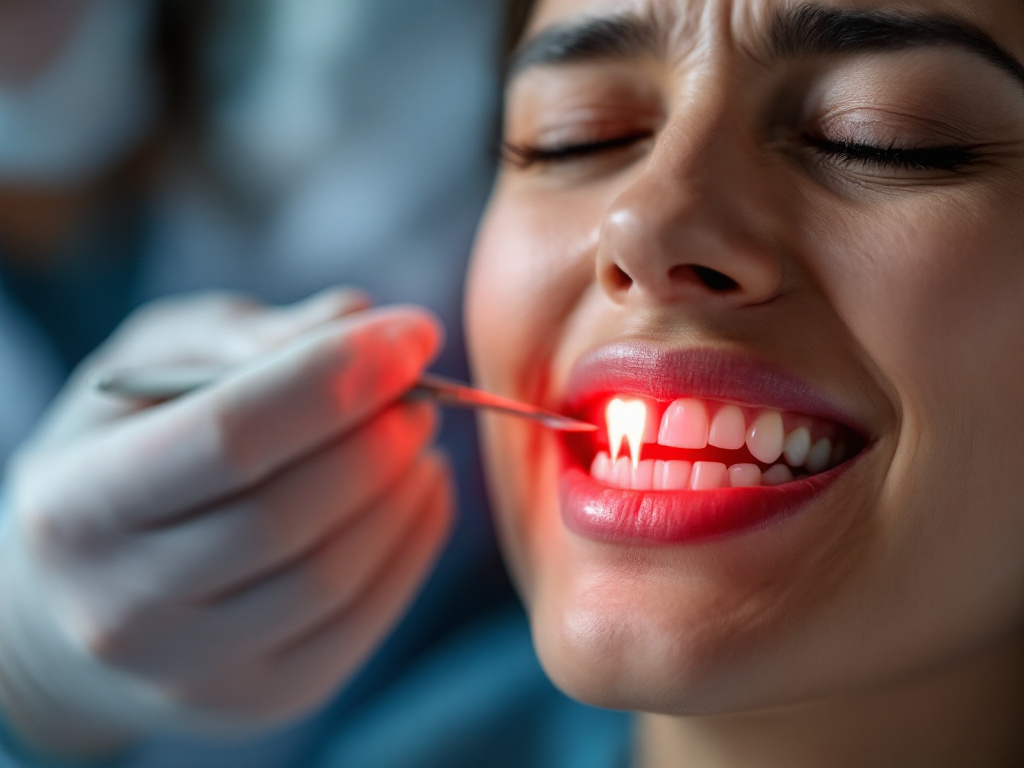
Severe tooth pain is more than a minor ache. It often signals an underlying problem that will not improve on its own. Most severe tooth pain treatment begins with identifying the cause of your symptoms and ruling out dangerous infections.
According to Cleveland Clinic, intense toothaches are often linked to cavities, cracked teeth, gum disease, or infections in or around the tooth, and these problems need professional care to resolve [1]. Tooth pain can feel sharp, dull, throbbing, or constant, and many people notice it worsening at night or when lying down [2].
If the pulp inside your tooth becomes infected or inflamed, the pain can escalate quickly. Left untreated, this can lead to a dental abscess with severe, continuous throbbing pain and swelling [2]. Infections like these are medical issues, not just dental annoyances, and need urgent evaluation.
When severe tooth pain is an emergency
Some symptoms mean you should not wait at all. You should seek emergency care immediately or call 911 if you notice any of the following with your tooth pain:
- Fever, chills, or feeling very unwell
- Swelling in your face, cheek, jaw, or around the eye
- Difficulty breathing or swallowing
- Pain that is unbearable and does not improve with over the counter medication
Cleveland Clinic notes that unbearable tooth pain with fever and chills can indicate a serious infection that must be seen right away to prevent spread to your brain or bloodstream [1]. This is a true dental emergency.
You should also seek same day care from a same day emergency dentist or walk in emergency dentist if you have:
- Severe pain when chewing or touching the tooth
- Sudden swelling of the gums near one tooth
- A broken, cracked, or knocked out tooth
- A lost filling or crown that exposes the inner tooth
- Persistent pain that lasts more than a day or two
Penn Dental Medicine emphasizes that delaying care for severe tooth pain can allow infections to spread and may lead to more complex and costly treatments later [3]. Early intervention can often save your tooth and protect your overall health.
Common causes of severe tooth pain
Different problems can lead to intense tooth pain, and each one calls for a specific type of treatment. Understanding possible causes helps you describe symptoms clearly when you call for an emergency dentist appointment.
Deep cavities and tooth decay
Tooth decay is one of the most common reasons for toothache. When a cavity extends deep into your tooth, it can irritate or expose the nerve, causing sensitivity to hot, cold, or sweet foods and eventually severe pain. NHS Inform notes that untreated decay can allow bacteria to reach the pulp inside the tooth and cause an abscess [2].
In the early stages, a filling or inlay may be enough. When decay is more extensive but the tooth can still be saved, a crown may be recommended. Cleveland Clinic reports that dentists routinely use fillings, inlays, onlays, and crowns to repair varying levels of decay and damage [1].
Dental abscess and tooth infection
A dental abscess is a pocket of pus caused by bacterial infection, either at the tip of the root or in the gums around the tooth. This is a major driver of intense, throbbing tooth pain and is a key situation where severe tooth pain treatment must be prompt and decisive.
Symptoms can include:
- Severe, continuous throbbing pain
- Swollen gums or a “pimple” on the gum
- Bad taste in your mouth or foul odor
- Swelling in the jaw or face
- Fever or feeling ill
If you suspect an abscess, you should contact a provider that offers dental abscess treatment or dental infection treatment urgent. Cleveland Clinic notes that abscesses do not resolve without professional care and often require drainage, antibiotics, and treatment of the underlying tooth with a root canal or extraction [1].
Cracked, chipped, or broken teeth
Even a hairline crack can cause severe pain, especially when you bite down or release pressure. Larger fractures, broken cusps, or pieces of tooth missing from trauma or biting something hard may expose the inner layers or nerve.
If you have sudden pain after biting down, or you notice part of your tooth is missing, you may need cracked tooth emergency care, broken tooth emergency repair, or a chipped tooth repair dentist. Treatment may involve bonding, a crown, or, in more serious cases, an emergency root canal or emergency tooth extraction.
Knocked out or displaced tooth
If a tooth is completely knocked out, you should seek a knocked out tooth dentist immediately. Time is critical. Keeping the tooth moist in milk or saliva and reaching a dentist within 30 to 60 minutes often offers the best chance of saving it.
Teeth that are pushed out of position, loosened, or partially fractured also need fast attention to stabilize them and reduce long term damage.
Gum infections and swelling
Gum disease, gum abscesses, or food and debris trapped below the gum line can cause intense localized pain. You might feel a sharp ache when chewing or notice tender, red, or swollen tissue.
If you see sudden puffiness or redness of your gums or bleeding that does not stop, you may need swollen gum emergency treatment or evaluation for a bleeding gums emergency. Gum infections can spread to surrounding tissue and need professional cleaning and sometimes antibiotics.
Problems with dental work
A lost or damaged restoration can expose sensitive tooth structures and cause acute pain. If you experience:
- A lost or broken filling
- A crown that falls off or becomes loose
- Sharp edges that cut your tongue or cheek
you may benefit from a lost filling emergency dentist or lost crown emergency repair. Replacing or securing the restoration often brings quick relief and protects the tooth from further damage.
Home care steps before you see a dentist
While home remedies cannot cure infections or fix structural problems, they can help you manage pain briefly until you see a clinician. You should always treat these as temporary measures, not substitutes for professional care.
Cleveland Clinic notes that home approaches like warm saltwater rinses, diluted hydrogen peroxide rinses, and ice packs can provide mild relief, but ongoing pain still requires a dental visit [1].
Rinse and clean gently
You can start by gently rinsing your mouth to clear debris and reduce irritation. Warm saltwater is one of the simplest and most widely recommended methods. Colgate notes that a saltwater rinse can cleanse the mouth and ease pain in irritated tissue [4]. A typical mix is a glass of warm water with a small amount of salt stirred in until dissolved. Swish gently and spit. Do not swallow the solution.
If you see food trapped between teeth, you can carefully use dental floss to remove it. Avoid digging with hard objects or snapping the floss, since this can worsen pain or damage gums.
Use cold compresses for swelling
For visible swelling, a cold compress can be very helpful. Applying a cold pack or bag of ice wrapped in a cloth to your cheek for about 10 minutes once an hour can reduce inflammation and temporarily numb the area. Colgate, referencing guidance from the University of Michigan, highlights cold compresses as an effective homemade option for severe tooth pain relief [4].
You should never apply ice directly to the tooth, since that can trigger more pain and harm delicate tissue. Just keep the cold outside on the skin.
Consider short term over the counter pain relief
Over the counter medications can be useful while you arrange urgent dental care. Cleveland Clinic and NHS Inform both note that drugs like acetaminophen and ibuprofen can help manage discomfort temporarily while you wait for treatment [5].
- Ibuprofen and other NSAIDs can reduce both pain and inflammation. Lincoln Dental Associates recommends taking ibuprofen with food to lower the risk of stomach upset [6].
- Acetaminophen can be effective for mild to moderate dental pain and is often used when NSAIDs are not appropriate [6].
American Dental Association endorsed guidelines state that nonopioid analgesics, including NSAIDs and acetaminophen, should be first line options for acute dental pain, both after extractions and for short term toothache relief [7].
For many adults without medical contraindications, a combination of ibuprofen and acetaminophen taken at fixed intervals for a short period has been shown to provide stronger relief than many opioid containing regimens, with fewer side effects [7]. However, it is important that you:
- Follow the package directions exactly
- Do not exceed the maximum daily dose
- Avoid doubling up on medications that contain acetaminophen
- Avoid combining ibuprofen with another NSAID like naproxen
Exceeding recommended doses, especially with acetaminophen or multiple NSAIDs, can cause serious liver, kidney, stomach, or heart problems [8]. If you are pregnant, have liver, kidney, heart, or bleeding conditions, or take blood thinners, you should call a medical provider before using these medicines.
Topical anesthetics that contain benzocaine can sometimes numb the gum surface around a painful site, but they should not be used in very young children and should always be used exactly as directed [6].
Natural remedies as brief support
Some people use clove oil, herbal rinses, or compresses to ease symptoms while they arrange care. Colgate notes that clove oil contains eugenol, a natural numbing and anti inflammatory compound that can reduce toothache discomfort when applied with a cotton ball to the affected area [4]. Similarly, black or peppermint tea bags, cooled after steeping, can be placed on the gum as a compress. Their tannins and menthol act as mild antiseptic and numbing agents [4].
Carlston Dental Group highlights other traditional options like garlic and salt paste, guava leaves, or onion juice, which may have antibacterial effects and help with symptoms [9].
These remedies should only be considered short term comfort measures. They do not replace evaluation, imaging, and treatment by a dentist, particularly if pain is severe, persistent, or accompanied by swelling or fever.
Home care can ease symptoms for a few hours. It cannot cure infections, repair cracks, or reverse deep decay. Any severe, recurring, or worsening tooth pain should be evaluated by a dental professional as soon as possible.
Why you should not ignore severe tooth pain
It can be tempting to hope that severe tooth pain will fade with time or to rely on pain relievers for days. However, multiple sources stress that ignoring toothache can lead to serious consequences.
Penn Dental Medicine explains that severe tooth pain is often a sign of underlying problems such as decay, abscess, infection, or advanced gum disease, and that putting off care can allow infections to spread to other parts of your body [3]. NHS Inform notes that untreated toothache can progress until the pulp is infected and a painful abscess develops [2].
Cleveland Clinic also emphasizes that severe toothaches caused by cavities or infections do not resolve on their own and require professional treatment [1]. Antibiotics alone cannot permanently fix an infected tooth, since they do not remove the decay or damaged pulp tissue. Without proper dental treatment, the infection can flare again or become more aggressive [1].
Addressing pain early often allows you to:
- Save the tooth instead of needing extraction
- Use more conservative treatments like fillings or crowns
- Avoid spreading infection and emergency hospital visits
- Reduce your overall cost and time in treatment
Regular checkups are also important in preventing future emergencies, since they allow problems to be caught and treated before severe symptoms develop [3].
How dentists treat severe tooth pain
When you arrive for urgent dental care, your provider will focus on two priorities. First, they will help relieve your pain. Second, they will identify and treat the root cause. Severe tooth pain treatment is always tailored to your specific diagnosis, and may include one or several of the following options.
Diagnosing the cause
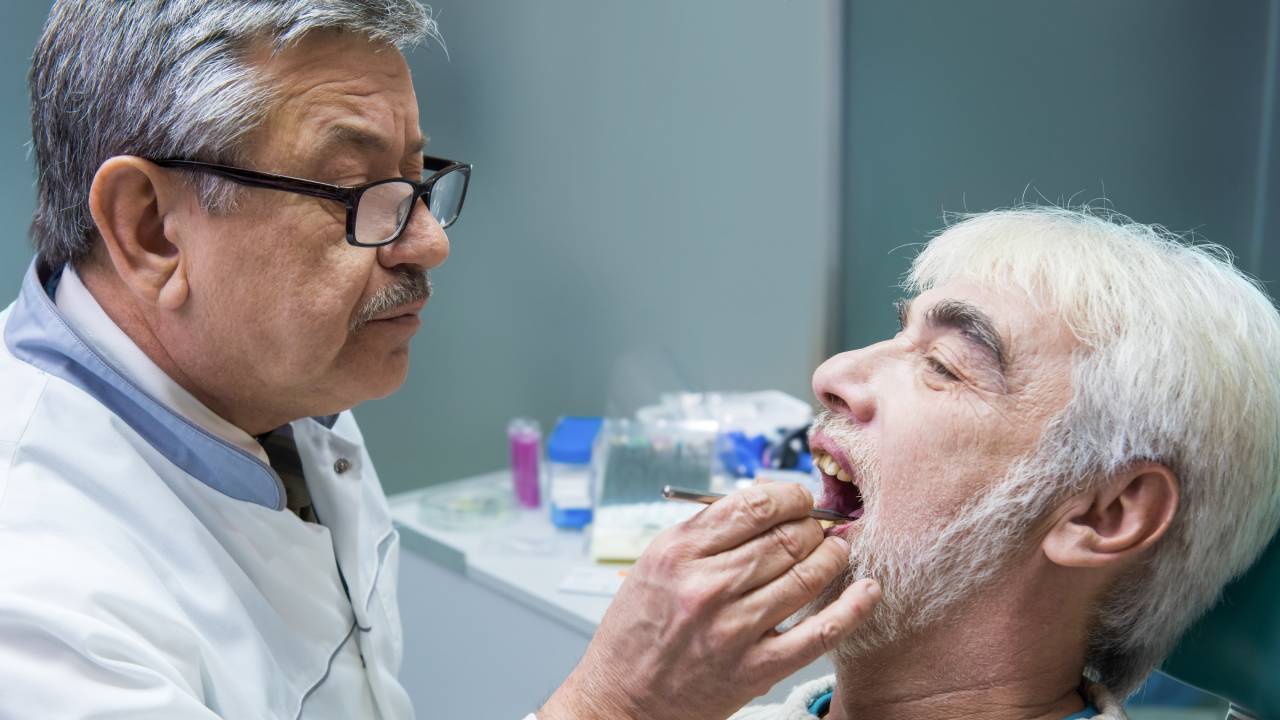
Your dentist will ask you about your symptoms, when they started, what makes them better or worse, and any associated signs such as swelling, fever, or discharge. They will examine your mouth and take x‑rays or other imaging to assess the tooth, roots, and supporting bone.
In true emergencies, such as large abscesses or deep facial swelling, initial treatment may focus on controlling infection and protecting your airway, sometimes in collaboration with a medical or hospital team.
Fillings, inlays, and crowns
For smaller cavities and fractures that have not reached the nerve, a filling or inlay may be enough to stop pain and restore function. If a larger portion of the tooth is compromised, a full or partial crown can protect the remaining structure and reduce sensitivity.
Cleveland Clinic notes that fillings, crowns, inlays, and onlays are standard treatments for minor to moderate tooth damage and are often effective at resolving related toothaches [1].
Emergency root canal therapy
When decay or trauma allows bacteria to infect the pulp inside your tooth, a root canal may be the best way to stop pain and save the tooth. In this procedure, your dentist or endodontist removes the diseased pulp, disinfects the root canals, and seals them to prevent reinfection. NHS Inform describes root canal treatment as a key option for treating severe tooth pain caused by infected pulp [2].
For intense pain, an emergency root canal can often provide rapid relief by addressing the source of inflammation and pressure. In some cases, the tooth may be opened and medicated at your first visit to relieve acute symptoms, with completion of the root canal at a follow up appointment.
Drainage of abscesses and infection control
If you have a dental abscess, your provider may need to drain the pus through the tooth, the gum, or a small incision in the soft tissue. This can significantly reduce pressure and pain. Antibiotics are often prescribed to help control the infection, especially if there is significant swelling or systemic involvement, but they are usually combined with dental procedures rather than used alone.
Dedicated services for urgent infected tooth treatment or dental infection treatment urgent focus on early drainage and stabilization to prevent serious complications.
Emergency tooth extraction
If a tooth is too badly decayed, fractured, or infected to be saved, an emergency tooth extraction may be the safest option. NHS Inform notes that extraction may be necessary when fillings or root canal treatment are not possible or the tooth is impacted [2].
The area will be numbed, and in many cases you will feel pressure but not sharp pain. Removing the tooth can quickly relieve severe discomfort and eliminate a chronic infection source. After healing, you can discuss options like implants, bridges, or partial dentures to restore your bite.
Repairing damaged restorations and trauma
For lost fillings, broken crowns, or chipped teeth, emergency treatment often involves smoothing sharp edges, placing a temporary or permanent restoration, and protecting exposed dentin or pulp. Services such as broken tooth emergency repair, chipped tooth repair dentist, and lost crown emergency repair are focused on restoring comfort and function quickly.
In cases of dental trauma from accidents or sports injuries, your dentist may splint loose teeth, repair fractures, and coordinate imaging to rule out jaw or facial bone injuries.
Getting same day help for severe tooth pain
When you are in severe pain, the idea of searching for help can feel overwhelming. Knowing your options can make it easier to take the next step.
If you need immediate attention, you can:
- Call a same day emergency dentist for rapid assessment and treatment
- Visit a walk in emergency dentist if scheduling by phone is difficult
- Use a weekend emergency dentist when pain strikes outside normal hours
These services focus on sudden dental pain relief and stabilization. The goal is to relieve your pain, prevent complications, and create a clear plan for follow up care.
When you call for an emergency dentist appointment, be ready to describe:
- Where the pain is located
- How long it has been present
- What triggers or worsens it
- Any swelling, fever, or difficulty swallowing
- Any recent injuries or dental work
Providing this information helps the team determine how urgently you should be seen and which treatments might be needed first.
Supporting your recovery after treatment
Your recovery does not end when you leave the dental office. Following instructions carefully and monitoring for new symptoms helps you heal smoothly and avoid another episode of severe tooth pain.
After treatment you should:
- Take prescribed or recommended medications exactly as directed
- Keep your head elevated if you have swelling
- Use cold compresses as advised during the first 24 to 48 hours
- Avoid chewing on the treated side until your dentist says it is safe
- Maintain gentle oral hygiene, brushing and flossing around the area as recommended
If you experience increasing swelling, fever, worsening pain after an initial improvement, or difficulty breathing or swallowing, contact your dentist or a medical provider immediately, since these can be signs of a spreading infection.
Regular visits for cleanings and checkups after your emergency care are one of the best ways to prevent future crises. As Penn Dental Medicine highlights, routine appointments allow dentists to spot early decay, cracks, or gum issues before they turn into severe pain and emergencies [3].
Severe tooth pain treatment is not just about numbing the discomfort. It is about identifying the cause, acting quickly to protect your health, and choosing treatments that support long term oral health. If you are currently dealing with intense tooth pain, swelling, or a dental injury, it is important that you do not wait to seek help. Reach out for same day or walk in emergency care so you can move from coping with pain to starting a safe and lasting recovery.