Understanding dental abscesses and why they are an emergency
A dental abscess is a pocket of pus caused by a bacterial infection in or around your tooth. When bacteria enter through deep decay, a crack, or a chip, they can reach the soft inner tissue of the tooth and cause an infection that fills with pus and pressure.
Without prompt dental abscess treatment, this infection can spread to your gums, jawbone, face, neck, and even vital organs. A tooth abscess will not heal on its own. In fact, the pain may temporarily ease if the nerve inside the tooth dies, but the bacteria continue to spread and destroy surrounding tissues.
Recognizing that a dental abscess is a true dental emergency is the first step toward protecting your health. If you are in intense pain or notice facial swelling, you should contact a same day emergency dentist right away.
Signs you may have a dental abscess
Dental abscess symptoms can develop quickly and often feel different from a typical mild toothache. You may notice one or more of the following:
- Throbbing, severe tooth pain that can radiate to your jaw, ear, or neck
- Swollen, red, or tender gums near a tooth
- A visible pimple-like bump on the gum that may drain pus
- Bad taste in your mouth or persistent bad breath
- Sensitivity to hot or cold temperatures
- Pain when biting or chewing
- Facial swelling or a swollen cheek
- Fever or feeling generally unwell
A tooth abscess is an infection that damages oral tissues and can spread to surrounding bone and neighboring teeth if it is left untreated. If you notice these symptoms, especially with swelling or fever, you should seek urgent infected tooth treatment as soon as possible.
When to go to the ER vs the emergency dentist
You may wonder whether you should call an emergency dentist or go straight to the emergency room. The right choice depends on your symptoms.
You should seek immediate medical attention in an emergency department, not a dental office, if you have any signs of rapidly spreading infection such as:
- High fever
- Very fast heart rate or breathing
- Difficulty breathing or swallowing
- Noticeable swelling under the tongue, in the throat, or around the eye
- Trouble opening your mouth
- Swelling that is spreading quickly or affecting both sides of your face
These signs can indicate a serious, potentially life threatening infection that requires hospital based care. In such cases, draining a tooth abscess in a dental office is contraindicated and the infection must be managed in an emergency department setting.
If you have severe tooth pain, localized gum swelling, or a visible abscess without difficulty breathing or swallowing, you should contact an emergency dentist appointment provider or a walk in emergency dentist for same day care. A dentist can usually treat the abscess more quickly and definitively than an ER can.
Why you should not treat a dental abscess at home
You might be tempted to treat an abscessed tooth at home, especially if you are in significant pain and worried about costs or availability. However, trying to drain or puncture a tooth abscess yourself is strongly discouraged. Only a dentist or doctor should perform these procedures due to the high risk of spreading infection, uncontrolled bleeding, or damage to nearby tissues.
Home remedies such as warm saltwater rinses, cold compresses, or over the counter pain relievers can provide temporary comfort, but they do not remove the source of the infection or eliminate the pus pocket. No home remedy can cure a tooth abscess. If you only treat the pain and do not address the infection, the bacteria can continue to grow and spread to your jawbone, face, neck, heart, or brain.
Ultimately, only professional dental abscess treatment, such as drainage, root canal therapy, or sometimes tooth extraction, can remove the source of infection and allow your body to heal.
What to do immediately if you suspect a dental abscess
If you think you have a dental abscess, you can take several steps right away to stay as comfortable and safe as possible while you arrange urgent care.
Step 1: Call for same day emergency care
Contact a same day emergency dentist or weekend emergency dentist if your symptoms begin outside of regular office hours. Describe your symptoms clearly, including any swelling, fever, difficulty swallowing, or breathing problems. This helps the team determine whether you should be seen in the office or directed to a hospital.
If you are experiencing facial swelling plus fever, difficulty breathing, or trouble swallowing, do not wait for a dental appointment. Go directly to the nearest emergency room.
Step 2: Manage your pain and swelling safely
While you wait for care, you can use over the counter pain relievers such as ibuprofen, naproxen, or acetaminophen, as long as they are safe for you and do not interact with other medications you take. These medications can help reduce discomfort and inflammation associated with a tooth abscess. Always follow package directions or advice from your physician.
You can also gently rinse your mouth with warm saltwater every few hours. This can help keep the area clean and may slightly ease irritation. Avoid very hot or very cold beverages, which may trigger sharp pain.
Step 3: Avoid making the infection worse
Try to avoid:
- Pressing hard on the swollen area
- Attempting to pop or drain the abscess yourself
- Applying aspirin directly to the gum or tooth
- Using sharp objects around the abscess
- Ignoring the symptoms because the pain suddenly eases
Even if the pain subsides, the infection is still present and can continue to spread. A tooth abscess will not go away on its own and still needs prompt dental abscess treatment.
How dentists diagnose a dental abscess
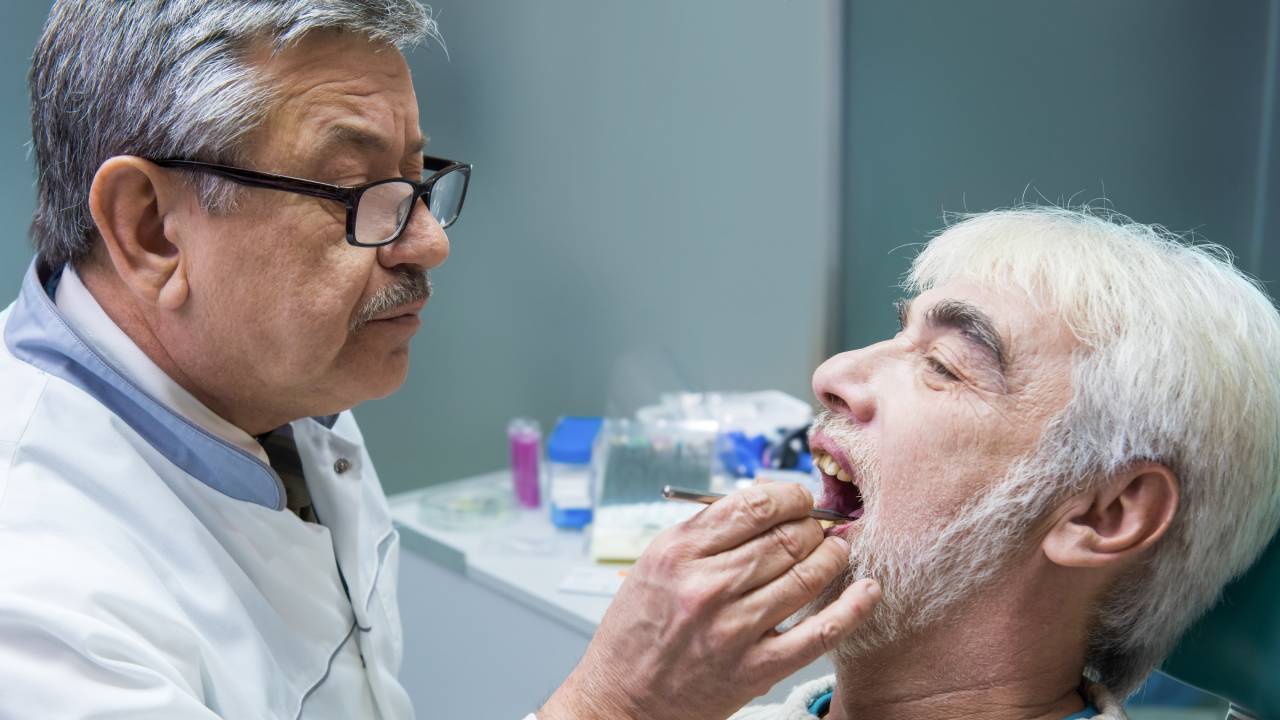
When you visit for emergency care, your dentist will start by listening to your symptoms, examining your mouth, and evaluating any facial swelling. They will gently test the painful tooth, check your gums for a pimple like bump or drainage, and may tap on the tooth to assess tenderness.
In many cases, your dentist will take an X ray to identify the exact location and extent of the infection. This helps determine whether you have:
- A periapical abscess, which forms at the root tip when bacteria enter through a cavity or crack
- A periodontal abscess, which starts in the gums and supporting structures around the tooth
Understanding where the infection originates guides the right treatment plan. Your dentist will also review your medical history, any medications you take, and any allergies before recommending antibiotics or procedures.
Emergency dental abscess treatment options
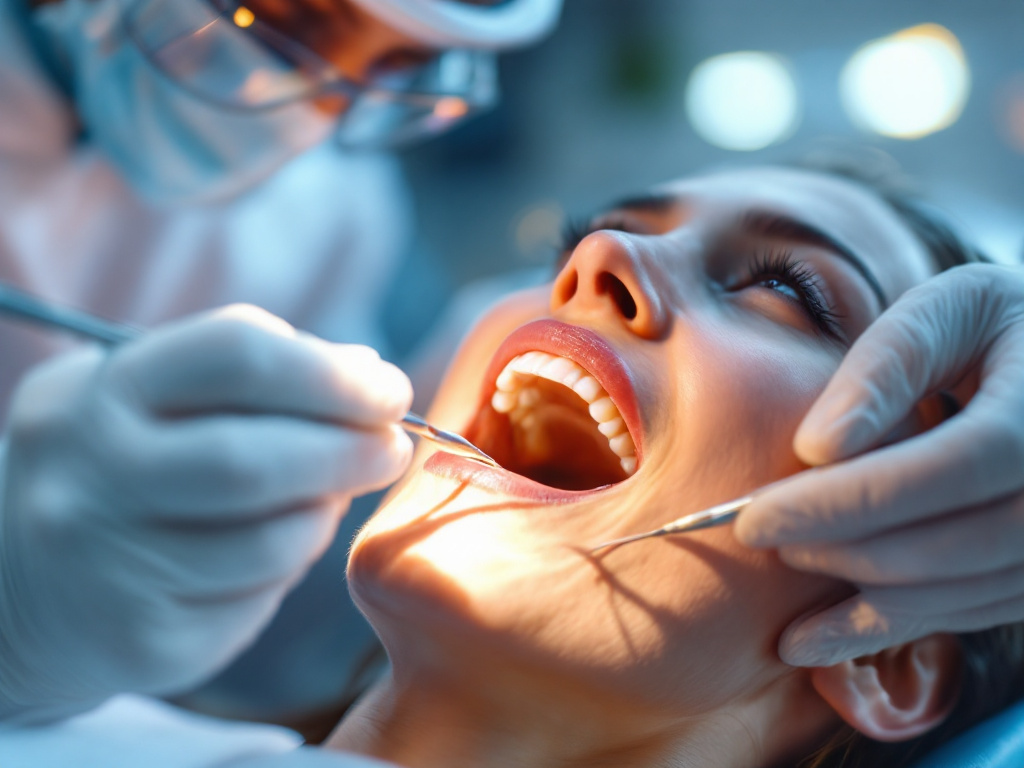
The main goal of emergency dental abscess treatment is to remove the source of infection, drain the pus, relieve pressure, and prevent the bacteria from spreading. Depending on your situation, your dentist may recommend one or more of the following.
Incision and drainage of the abscess
For many uncomplicated periodontal or periapical abscesses, your dentist can perform an incision and drainage procedure directly inside your mouth. This is called intraoral incision and drainage and it is used when the infection is localized and has not spread dangerously into surrounding tissues .
After numbing the area, your dentist will:
- Make a small 1 to 2 centimeter incision at the point of maximum swelling
- Use an instrument to gently break up internal pockets of pus
- Rinse the area thoroughly with sterile saline
- Place a small rubber drain in some cases to keep the area open and allow continued drainage, then secure it with sutures if needed
Anesthetic injections directly into the abscess can be less effective because of the low pH inside the infected tissue. Therefore, dentists often use nerve blocks or adjust the technique to make sure you stay as comfortable as possible while staying within safe dosage limits.
Emergency root canal therapy
If the infection comes from inside the tooth, your dentist may recommend an emergency root canal as part of your dental abscess treatment. During a root canal, the infected pulp tissue inside the tooth is removed, the canals are cleaned and disinfected, and the space is filled and sealed.
Root canal treatment eliminates the source of infection while allowing you to keep your natural tooth. In an emergency setting, the initial visit often focuses on opening the tooth, relieving pressure, and placing medication inside. A full root canal and final restoration such as a crown may be completed in a follow up visit once the infection is under control.
Emergency tooth extraction
In some cases, the tooth is too damaged to save or the infection is too extensive. If that happens, your dentist may recommend an emergency tooth extraction. Removing the tooth eliminates the infected tissue and gives your body a better chance to heal.
Dentists often try to preserve teeth when possible with options like root canal therapy. However, when saving the tooth is not realistic, extraction can be the safest and most predictable choice to prevent serious complications such as spread of infection to the jaw, head, neck, or other areas.
Antibiotics as part of abscess care
Antibiotics can be an important part of treatment, especially if the infection is not fully localized, if drainage cannot be achieved, or if you have signs of systemic involvement or an underlying medical condition that affects your immune system.
Commonly prescribed antibiotics for tooth infections and dental abscesses include:
- Amoxicillin
- Amoxicillin with clavulanate for broader coverage
- Metronidazole, sometimes combined with another antibiotic
- Clindamycin, often used if you are allergic to penicillin, which has excellent penetration into bone and abscess cavities
Antibiotics alone do not cure tooth infections, because bacteria inside the tooth and in dead tissue can be shielded from the bloodstream. Dental procedures such as drainage, deep cleaning, root canal treatment, or extraction are usually required to fully eliminate the infection source.
If your dentist prescribes antibiotics, you should complete the full course, usually at least a week, even if you start to feel better in a day or two. This helps ensure that the infection is fully cleared and reduces the risk of antibiotic resistance.
What to expect after emergency abscess treatment
Relief after dental abscess treatment is often rapid. Many people notice a decrease in throbbing pain soon after the abscess is drained or the tooth is opened for root canal therapy. However, some soreness and sensitivity are common for a few days.
According to clinical guidance, once proper treatment is performed, most dental abscesses heal within 1 to 2 weeks, and you usually start to feel better within a few days.
Your dentist may recommend that you:
- Apply warm, moist compresses to the area to encourage drainage and soothe discomfort
- Rinse gently with warm saltwater every 2 to 3 hours for 3 to 5 days
- Take NSAIDs such as ibuprofen for pain and inflammation, if they are safe for you
- Avoid chewing on the affected side until healing progresses
- Return for a follow up visit within 1 to 2 days or as directed, especially if a drain or temporary dressing was placed
If your pain suddenly worsens, swelling increases, or you develop fever or trouble swallowing after treatment, you should contact your dentist immediately or seek emergency medical care.
Even if your tooth feels much better after treatment, follow up appointments are essential to confirm that the infection is fully resolved and to complete any needed restorative work, such as a crown after a root canal.
Related dental emergencies that need fast care
If you are searching for emergency dental abscess treatment, you may also be dealing with other urgent dental problems. These situations can often be treated during the same day by an emergency dentist.
Severe toothache or sudden dental pain
Intense tooth pain that keeps you awake, prevents you from eating, or comes on suddenly is a sign that something is wrong inside your tooth or gums. Whether the cause is deep decay, a cracked tooth, or an abscess, you should not ignore it.
A toothache relief dentist or severe tooth pain treatment provider can diagnose the source of the pain and recommend immediate steps to stop it and protect your tooth.
Swollen gums or oral infection
Swelling in your gums can signal a localized abscess, gum disease flare up, or irritation around a tooth. Even if the swelling seems minor, it can progress quickly. Seeking swollen gum emergency treatment or dental infection treatment urgent can help prevent more serious problems such as bone loss or spreading infection.
Broken, chipped, or cracked teeth
A dental abscess sometimes develops after trauma to a tooth that allows bacteria to enter through a fracture or chip. If you experience a broken, cracked, or chipped tooth, it is important to seek prompt care even if it does not hurt right away.
An emergency dentist can provide:
Repairing the tooth early helps reduce the risk of future infection and abscess formation.
Lost fillings, crowns, or knocked out teeth
Losing a filling or crown can expose sensitive inner tooth structures to bacteria and trigger pain or infection. You can get help through a lost filling emergency dentist or lost crown emergency repair visit before it turns into a more serious issue.
If a tooth is completely knocked out, quick action is critical. Handle the tooth carefully, keep it moist in milk or saline if possible, and get to a knocked out tooth dentist right away. Fast reimplantation gives you the best chance to save the tooth and avoid future complications.
Preventing future dental abscesses
While emergency dental abscess treatment is very effective, prevention is always easier and less stressful than managing an active infection. You can significantly reduce your risk of future abscesses by focusing on daily care and regular professional visits.
Key prevention steps include:
- Brushing thoroughly with fluoride toothpaste at least twice a day
- Flossing or using interdental cleaners to remove plaque between teeth
- Limiting sugary foods and drinks that feed harmful bacteria
- Wearing a mouthguard during sports to prevent chips and fractures
- Addressing cavities, cracked teeth, or damaged fillings early
- Attending regular dental checkups and cleanings as recommended
Preventing tooth decay is one of the most important strategies for avoiding tooth abscesses, because decay gives bacteria a pathway into the inner tissues of your tooth. If you notice early signs of a problem, such as mild sensitivity or a small chip, scheduling sudden dental pain relief or routine care can keep the situation from progressing into a full infection.
Getting the emergency help you need
If you suspect a dental abscess, the most important thing you can do is act quickly. Early dental abscess treatment limits damage, relieves pain, and greatly reduces the chances that infection will spread to other parts of your body.
Whether you need an emergency dentist appointment, walk in emergency dentist services, or support for another urgent issue such as emergency root canal care, reaching out promptly can make the difference between a manageable infection and a serious medical emergency.
You do not have to wait in pain or uncertainty. If you are experiencing throbbing tooth pain, facial swelling, or signs of infection, contact an emergency dental provider now so you can receive same day evaluation, rapid pain relief, and a clear treatment plan to restore your health.