When swollen gums become an emergency
If you suddenly notice one part of your gum is puffy, tender, or hot, you might wonder if you need swollen gum emergency treatment or if it can wait. Swollen gums are often linked to gingivitis or early gum disease, but sudden, severe, or localized swelling can be a sign of infection that needs urgent care. In some cases, untreated infections can spread, threaten nearby teeth, and even affect your overall health.
Understanding when gum swelling is serious, what you can safely do at home, and when to see a same day emergency dentist helps you protect both your comfort and your long‑term oral health.
Common causes of sudden gum swelling
Gum swelling ranges from mild irritation to a true dental emergency. The cause often determines how quickly you need treatment and what your dentist will recommend.
Gingivitis and early gum disease
Swollen gums are most often caused by gingivitis, the earliest and most common form of gum disease. This usually develops when plaque is not removed consistently and begins to irritate your gums. According to the Cleveland Clinic, swollen gums from gingivitis may look shiny, smooth, and reddish or purple, and can bleed easily when you brush or floss.
If this swelling is mild and affects your whole gum line, it may not be an emergency, but it does require professional cleaning and improved home care to prevent progression to periodontitis, which can lead to bone loss and tooth loss over time.
Localized infection and dental abscess
When gum swelling is sudden, painful, and limited to one area, infection is a top concern. A dental abscess is a pocket of pus caused by bacteria, and it can develop at the tip of a tooth root or in the gums next to a tooth. This usually causes noticeable swelling and discomfort, especially when you chew, although in some cases the swelling can appear before severe pain starts.
This type of infection is always urgent because the bacteria can spread to the jawbone or surrounding tissues. If your dentist suspects an abscess, they may recommend dental abscess treatment, an emergency root canal, or in some cases an emergency tooth extraction to remove the source of infection.
Complications from cavities or broken teeth
Deep tooth decay, cracks, or breaks can expose the inner pulp of the tooth to bacteria. When this happens, you may feel severe tooth pain followed by swelling around one tooth. This is often a sign that infection has spread from the tooth into the supporting gums and bone.
If you recently broke or chipped a tooth and now see gum swelling nearby, you should contact a broken tooth emergency repair or cracked tooth emergency care provider as soon as possible. The same applies if you had a minor chip that was never treated and now have pain or swelling, which may require a chipped tooth repair dentist and possibly urgent infection care.
Oral appliances, restorations, and irritation
Sometimes gum swelling is caused by mechanical irritation rather than infection. Common examples include:
- Poorly fitting crowns or bridges that rub the gums
- Broken or frayed partials or dentures
- Food particles trapped under a crown edge or between teeth
- Aggressive brushing with a hard toothbrush
If gum swelling appears next to a crown or bridge, your dentist may need to adjust or replace the restoration to remove chronic irritation and allow the tissue to heal. Even if pain is mild, you still benefit from a prompt evaluation so the problem does not escalate.
Hormonal changes and vitamin deficiencies
Hormonal shifts, such as those during pregnancy, can increase blood flow to your gums and make them more reactive, which can lead to swelling and tenderness, especially if plaque is not cleaned away effectively. Vitamin C and B deficiencies can also weaken gum tissue and contribute to inflammation and bleeding, a condition seen in severe cases like scurvy.
Although these causes are not always emergencies, lingering or worsening swelling still warrants a professional evaluation to rule out infection and to protect both your dental and general health.
Rare but serious causes
In rare cases, swollen gums can signal more serious conditions such as oral cancer. Sudden swelling that does not improve, or unexplained lumps on the gums, must be checked promptly. Oral cancer affects tens of thousands of Americans each year and leads to thousands of deaths, which is why dentists take new gum swellings very seriously.
Warning signs you need emergency care
Not every case of gum swelling is an emergency, but certain symptoms mean you should not wait. Recognizing these warning signs can help you decide if you need immediate swollen gum emergency treatment.
Severe or rapidly worsening pain
If gum swelling is accompanied by intense, throbbing pain that keeps you awake, makes it hard to eat, or worsens over hours instead of days, you may need severe tooth pain treatment urgently. Severe pain often indicates an active infection or deep inflammation in or around a tooth.
Persistent swelling and facial pain that do not respond to over‑the‑counter pain relievers should prompt you to see an emergency dentist right away.
Swelling that spreads to face or jaw
Swelling that starts in the gums but then affects your cheek, jawline, or under your eye can indicate that infection is spreading beyond the tooth and gum. This is considered a serious dental emergency. Damascus Dental Center notes that swelling in the face, jaw, or gums with severe pain can signal a dental abscess that needs immediate care to prevent complications.
If you also notice difficulty opening your mouth, swallowing, or breathing, you should seek emergency medical care and then follow up with urgent dental infection treatment.
Persistent swelling beyond one to two weeks
If your gums stay swollen for more than two weeks, even if pain is mild, you should schedule a prompt evaluation. The Cleveland Clinic advises that very noticeable swelling or swelling that lasts longer than two weeks can point to an underlying medical condition and requires professional assessment.
Carolina Dental Arts also recommends an exam if swelling persists for more than a few days or if home care does not improve the problem over several weeks.
Bleeding, pus, or bad taste
Excessive and persistent bleeding from swollen gums, especially if it occurs spontaneously or with light brushing, may be a sign of advanced gum disease or infection and requires emergency attention to prevent progression and potential tooth loss.
If you notice pus, a foul taste in your mouth, or a small pimple on the gum that drains fluid, these are classic signs of an abscess that requires dental infection treatment urgent and likely antibiotics.
Sudden swelling with no obvious cause
Sudden gum swelling without clear injury, especially if it appears overnight or in a very localized spot, can indicate an underlying infection or other issue that needs evaluation. Endodontic specialists emphasize that sudden gum swelling is a sign of an underlying problem that needs prompt dental attention, even if there is little or no pain yet.
What you can safely do at home right now
While waiting for your emergency dentist appointment, you can take steps to reduce discomfort and limit irritation. Home care does not replace professional treatment, especially if infection is present, but it can help you stay more comfortable and sometimes reduce minor swelling.
Gentle cleaning and saltwater rinses
Continue to brush and floss gently around the swollen area to remove plaque and trapped food, but avoid scrubbing or snapping floss into the gums. The Cleveland Clinic recommends daily brushing and flossing as part of home care for swollen gums.
A saltwater rinse can soothe inflammation and promote healing. Several dental sources recommend mixing about 1/2 teaspoon of salt in a cup of warm water and rinsing 2 to 3 times a day to help draw out infection and reduce swelling. Swish gently and do not swallow the solution.
Cold compresses and pain relief
Applying a cold compress or ice pack wrapped in a cloth to the outside of your cheek for 10 to 15 minutes at a time can temporarily reduce both swelling and pain. Alternate 10 minutes on and 10 minutes off, and do not place ice directly on the skin.
Over‑the‑counter pain medications, used as directed, can help you manage discomfort until you reach a toothache relief dentist. Avoid placing aspirin directly on gums or teeth, since this can burn the tissue.
Rinses and natural anti‑inflammatory options
Some additional at‑home options that can support gum health include:
- Hydrogen peroxide rinse: A mixture of equal parts 3 percent hydrogen peroxide and water can help kill bacteria and reduce redness and swelling when used a few times a week, but not daily, to avoid irritation. Swish for about 30 seconds and spit it out.
- Aloe vera: Aloe vera mouthwash has been shown to be as effective as chlorhexidine, a prescription rinse, in treating and preventing gingivitis, which is a common cause of swollen gums. Pure aloe gel can also be applied directly to inflamed gums once or twice a day to help soothe irritation.
- Turmeric: Turmeric gel and turmeric paste, which contain curcumin with antioxidant and anti‑inflammatory properties, may help reduce plaque, gingivitis, and associated swelling when applied to the gums a few times a week.
Oil pulling with coconut oil is another method some patients use to help cut down on oral bacteria. Swishing a spoonful of coconut oil for 10 to 15 minutes, then spitting it out, may reduce plaque and support healthier gums.
These methods are meant to complement, not replace, evaluation and swollen gum emergency treatment by a professional dentist.
If swelling is very noticeable, persists beyond one to two weeks, or is paired with severe pain, fever, or facial swelling, you should seek urgent dental care rather than relying on home remedies alone.
How an emergency dentist evaluates swollen gums
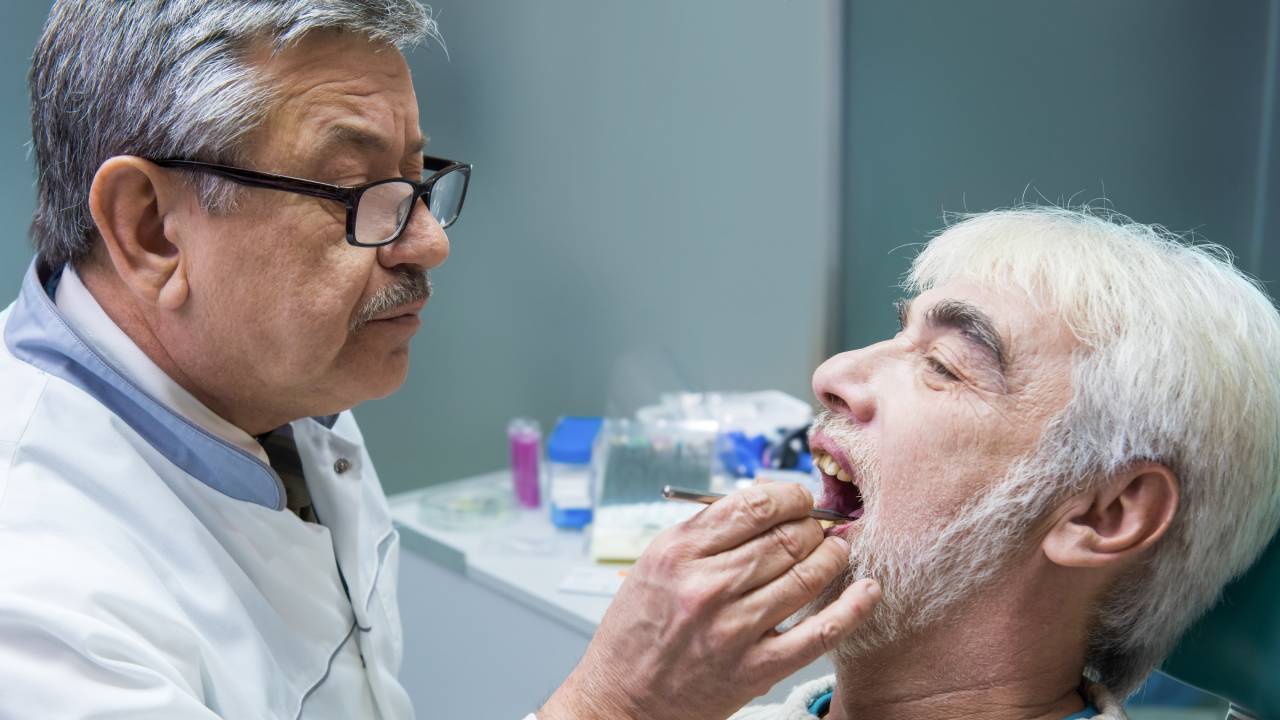
When you visit a walk in emergency dentist or schedule a same‑day visit for swollen gums, your dentist will focus on quickly identifying the cause and stabilizing your condition.
Your exam and diagnostic tests
First, your dentist will review your symptoms, medical history, and recent events, such as new restorations, dental trauma, or changes in medications. They will then perform a visual exam of your gums, teeth, cheeks, tongue, and palate, looking for:
- Areas of localized swelling or redness
- Pus, drainage, or gum pimples (fistulas)
- Tooth decay, cracks, or broken areas
- Signs of gingivitis or periodontitis
In many cases, they will recommend dental X‑rays to look for hidden decay, deep infections, or bone involvement. This helps distinguish between surface gum problems and deeper issues such as root infections or abscesses and allows for accurate treatment planning.
Immediate steps to relieve pain and control infection
If infection is present, your dentist will focus on stopping its spread and easing your pain. Depending on your diagnosis, you may receive:
- Local anesthetic to numb the area and provide rapid comfort
- Drainage of any abscess to reduce pressure and swelling
- Prescription antibiotics to control bacterial infection, especially if there is facial swelling or systemic involvement
- Anti‑inflammatory or pain medication guidance tailored to your situation
In more complex cases, your dentist may refer you to a specialist such as an endodontist or periodontist, but your immediate comfort and safety are always the top priorities.
Treatment options you can expect
Your specific swollen gum emergency treatment will depend on the cause. Here are common approaches your dentist might recommend.
Deep cleaning and gum therapy
When swelling is related primarily to gingivitis or early periodontitis, a professional cleaning or deep cleaning is often the first step. This can include:
- Scaling to remove plaque and tartar above and below the gumline
- Root planing to smooth root surfaces so gums can reattach more easily
- Antibacterial mouth rinses or topical antibiotics to target bacteria in specific areas
Regular follow‑up cleanings and improved home care can then help maintain healthier, less inflamed gums.
Treating infected teeth and abscesses
If a tooth infection is driving your gum swelling, your dentist will address the tooth itself. Depending on severity, this may involve:
- Emergency root canal treatment to remove infected nerve tissue from inside the tooth
- Urgent infected tooth treatment that combines drainage, antibiotics, and restoration
- Emergency tooth extraction if the tooth cannot be saved or poses a risk to your health
Abscess management often includes drainage plus antibiotics, then a definitive procedure such as a root canal or extraction to prevent the infection from returning.
Repairing broken, cracked, or lost restorations
If your gum swelling followed a tooth fracture or restoration problem, your dentist will likely focus on stabilizing that area. This may include:
- Cracked tooth emergency care using bonding or a crown
- Broken tooth emergency repair to restore structure and protect exposed pulp
- Lost filling emergency dentist services to refill the cavity and reseal the tooth
- Lost crown emergency repair if a crown came off and the underlying tooth is sensitive and vulnerable
Addressing these problems quickly protects the tooth, reduces irritation to the surrounding gums, and helps prevent future infections.
Advanced gum procedures when needed
For severe gum recession or chronic inflammatory damage, your dentist might discuss more advanced periodontal procedures, such as:
- Gum grafting to restore lost tissue and protect exposed roots
- Laser treatments that remove infected gum tissue and stimulate new tissue growth
These treatments are usually planned after your emergency is under control, but it is helpful to understand that long‑term solutions do exist if you have advanced gum concerns.
Keeping swollen gums from returning
After your immediate emergency has been managed, focusing on prevention helps you avoid a repeat crisis.
Daily habits that protect your gums
Consistent home care is one of the most effective ways to prevent gum swelling and infection. The Cleveland Clinic recommends:
- Brushing gently twice a day with a soft‑bristled toothbrush
- Flossing once a day to remove plaque and food between teeth
- Rinsing with warm salt water when gums feel tender or irritated
You can also add supportive options, such as aloe vera rinses or occasional hydrogen peroxide rinses, as advised by your dentist, to keep bacteria in check and maintain healthier gums.
Regular professional checkups and cleanings
Routine dental cleanings and exams allow your dentist to identify early gum inflammation, adjust restorations that may be irritating your gums, and catch decay before it leads to infection and swelling. Preventive visits are also an opportunity to discuss:
- Any history of bleeding gums emergency episodes
- Episodes of sudden dental pain relief you needed in the past
- Concerns about grinding, clenching, or biting habits that may crack teeth
By addressing small issues early, you reduce your risk of needing future swollen gum emergency treatment.
Planning for after‑hours or weekend issues
Gum infections and toothaches do not always wait for regular office hours. It helps to know in advance how you will access urgent care if something flares up at night or on a non‑workday. You can:
- Identify a weekend emergency dentist in your area
- Confirm whether a nearby practice offers same day emergency dentist appointments
- Check if your chosen provider allows walk‑ins as a walk in emergency dentist
Having this plan in place means that if you ever experience a sudden flare‑up, you are not scrambling to figure out where to go.
Taking your next step toward relief
If you are dealing with swollen gums, your body is telling you something is wrong, even if the pain is not constant or severe. Chronic gum swelling can signal untreated gingivitis, and sudden or localized swelling may point to infection, a damaged tooth, or a problem under a crown or filling.
You do not need to diagnose the problem yourself. A prompt visit for emergency dentist appointment, whether for swollen gum emergency treatment, toothache relief dentist care, or another urgent concern, gives you a clear answer and a direct treatment plan. With same‑day options for pain relief, abscess management, and repair of damaged teeth, you can move from worrying about what is happening to actively resolving it and protecting your long‑term oral health.