
What sudden dental pain means
When you are hit with sudden dental pain, it can feel sharp, throbbing, or constant, and it often gets worse at night or when you lie down. This type of pain is rarely random. In most cases it signals a problem like tooth decay, an abscess, a cracked or broken tooth, or gum infection that needs prompt attention from a dentist, not just home care.
Tooth pain usually happens when the inner layer of your tooth, the pulp, becomes inflamed or exposed. This pulp contains nerves and blood vessels, so even a small area of damage can create intense pain. While you can use short term strategies for sudden dental pain relief at home, lasting relief comes from treating the underlying cause with urgent professional care.
Understanding what your pain may mean helps you decide how quickly you need to see a same day emergency dentist and what you can safely do in the meantime.
Common causes of sudden tooth pain
Different problems can cause similar pain. Paying attention to what you feel and see can give you useful clues to share with your dentist.
Tooth decay and cavities
Tooth decay is the most common cause of toothache in both children and adults. Bacteria in your mouth produce acids that slowly break down the tooth surface and create cavities. Early on, you might feel sensitivity to sweets or cold. As the cavity deepens and reaches the dentin or pulp, pain becomes sharper and more frequent.
If decay is the cause, you might notice:
- Sensitivity to hot, cold, or sweet foods and drinks
- A visible hole or dark spot on the tooth
- Pain when biting or chewing on that tooth
Cavities require professional treatment, usually a filling or sometimes an emergency root canal if the pulp is involved.
Cracked, chipped, or broken teeth
A crack or break can appear suddenly when you bite into something hard or after an injury. Pain can be sharp and triggered by release of pressure or by temperature changes. Sometimes the crack is not visible, but the pain pattern is very specific.
You may need:
- Chipped tooth repair dentist services for minor chips
- Cracked tooth emergency care if pain is severe on biting
- Broken tooth emergency repair for larger fractures or lost tooth structure
Prompt repair protects the tooth from infection, deeper fractures, and possible loss.
Gum infection and swelling
Sudden pain can also start in your gums. Inflammation or infection of gum tissue can cause:
- Red, swollen, or tender gums
- Bleeding when brushing or spontaneously
- Localized swelling or a pimple like bump on the gum
If you notice swelling or bleeding along with pain, you may need swollen gum emergency treatment or care for a bleeding gums emergency. Gum issues can progress quickly and are often linked to underlying plaque buildup or periodontal disease.
Dental abscess and infection
A dental abscess is a localized pocket of pus caused by a bacterial infection. This is one of the most painful and serious dental emergencies. Symptoms can include:
- Severe, throbbing, constant tooth or gum pain
- Swelling of the face, cheek, or jaw
- A bad taste or smell in your mouth
- Fever, chills, or generally feeling unwell
Untreated abscesses can spread to other areas of the body and lead to serious complications, including infection in the bloodstream. You should seek urgent dental abscess treatment or dental infection treatment urgent rather than waiting for the pain to pass.
Problems with fillings, crowns, and restorations
Existing dental work can also trigger sudden pain if something loosens, cracks, or comes out. Common situations include:
- A loose or missing filling that exposes sensitive tooth layers
- A crown that comes off while eating
- A fractured filling that leaves sharp edges or gaps
In these cases, you may need a lost filling emergency dentist or lost crown emergency repair to protect the tooth and restore comfort.
Trauma and knocked out teeth
Accidents during sports, falls, or other injuries can cause broken, displaced, or completely knocked out teeth. Immediate action is critical. If a tooth is knocked out, you should try to keep it moist and seek a knocked out tooth dentist as quickly as possible. Time is essential to increase the chance of saving the tooth.
When sudden tooth pain is an emergency
Not all toothaches require the ER, but some situations do need immediate medical or dental care. Knowing the difference can protect your health and sometimes your life.
You should seek emergency help right away if you notice:
- Severe or unbearable tooth pain with fever and chills, which can indicate spreading infection
- Difficulty breathing or swallowing along with dental pain, which is a medical emergency
- Significant facial swelling or redness around the jaw or eye
- Pain that suddenly worsens with signs of illness, such as extreme fatigue or confusion
In these situations, go to an emergency department or call your doctor immediately. For intense tooth pain without breathing or swallowing problems, a same day emergency dentist or walk in emergency dentist can often provide fast assessment and relief.
Safe at home steps for sudden dental pain relief
Home care is not a cure, but it can help you manage discomfort until you can see a dentist. The strategies below are supported by medical and dental guidance, and they are meant as temporary measures only.
Use over the counter pain relievers wisely
Nonprescription pain medications are a common first step and can be very effective when used correctly.
- Acetaminophen and ibuprofen are recommended options for toothache pain while you wait to see a dentist
- Nonsteroidal anti inflammatory drugs (NSAIDs) like ibuprofen and naproxen are often recommended as first line treatment because they reduce both pain and inflammation by blocking pain triggering prostaglandins
A review in The Journal of the American Dental Association found that a combination of 400 mg ibuprofen and 1,000 mg acetaminophen provided the most effective pain relief with the fewest side effects after dental procedures, outperforming opioid medications. Always follow package instructions, consider your medical history, and consult a medical professional or pharmacist if you are unsure what is safe for you.
Children under 16 should not take aspirin for tooth pain due to the risk of Reye’s syndrome.
Rinse gently with warm salt water
A warm salt water rinse can ease irritation and help keep the area clean.
You can:
- Dissolve about half a teaspoon of salt in eight ounces of warm water
- Swish the solution gently around the mouth
- Spit it out and repeat several times a day
Salt water helps reduce inflammation and acts as a mild disinfectant, which can slightly relieve tooth pain and gum discomfort.
Apply a cold compress
Cold therapy can help numb the area and decrease swelling.
Place an ice pack wrapped in a cloth, a bag of frozen vegetables, or a chilled damp towel against your cheek for 10 to 20 minutes at a time, then remove it for a similar period before reapplying. This shrinks blood vessels and reduces pain and inflammation.
Avoid applying ice directly to your skin and keep the compress moving slightly to prevent frostbite.
Consider temporary natural options
Some natural products can offer short term numbing or soothing effects.
- Clove oil contains eugenol, a natural compound with anesthetic and antibacterial properties. You can dilute 3 to 5 drops in a teaspoon of carrier oil, place it on a cotton ball, and hold it gently against the sore area for a few minutes to help reduce pain and swelling
- Tea bag compresses, particularly black or peppermint tea, may help. After steeping and cooling, you can place the bag on the affected area for about 20 minutes. Tannins in black tea and menthol in peppermint can ease inflammation and provide mild numbing
These methods should always be considered temporary. If pain persists, you still need a toothache relief dentist to diagnose what is causing the problem.
Use topical gels with caution
Benzocaine gels and liquids, often marketed for toothache relief, can numb the area for short periods. However, products containing benzocaine are now recommended with caution due to the risk of methemoglobinemia, a rare but serious condition that affects your blood’s ability to carry oxygen.
If you use benzocaine:
- Follow the directions carefully
- Avoid using it in children under 2 years of age unless a healthcare professional tells you to
- Stop using it and seek medical attention if you notice signs of pale, gray, or blue skin, headache, rapid heart rate, or shortness of breath
Because of these risks, many people and professionals prefer oral pain relievers and other methods as first options.
What not to do for sudden tooth pain
Some common reactions to intense pain can actually make matters worse or delay proper treatment.
Try to avoid:
- Placing aspirin directly on the tooth or gum, which can burn soft tissues
- Using extremely hot compresses, which may increase inflammation
- Poking or pressing the painful area with sharp objects
- Taking someone else’s prescription medication or leftover antibiotics
- Relying only on home remedies for more than a day or two without arranging a dental visit
Antibiotics and pain relievers may decrease symptoms of tooth infections for a short time, but they do not fix the underlying dental issue. You still need a dentist to treat the source of the infection for permanent relief.
How an emergency dentist treats sudden pain
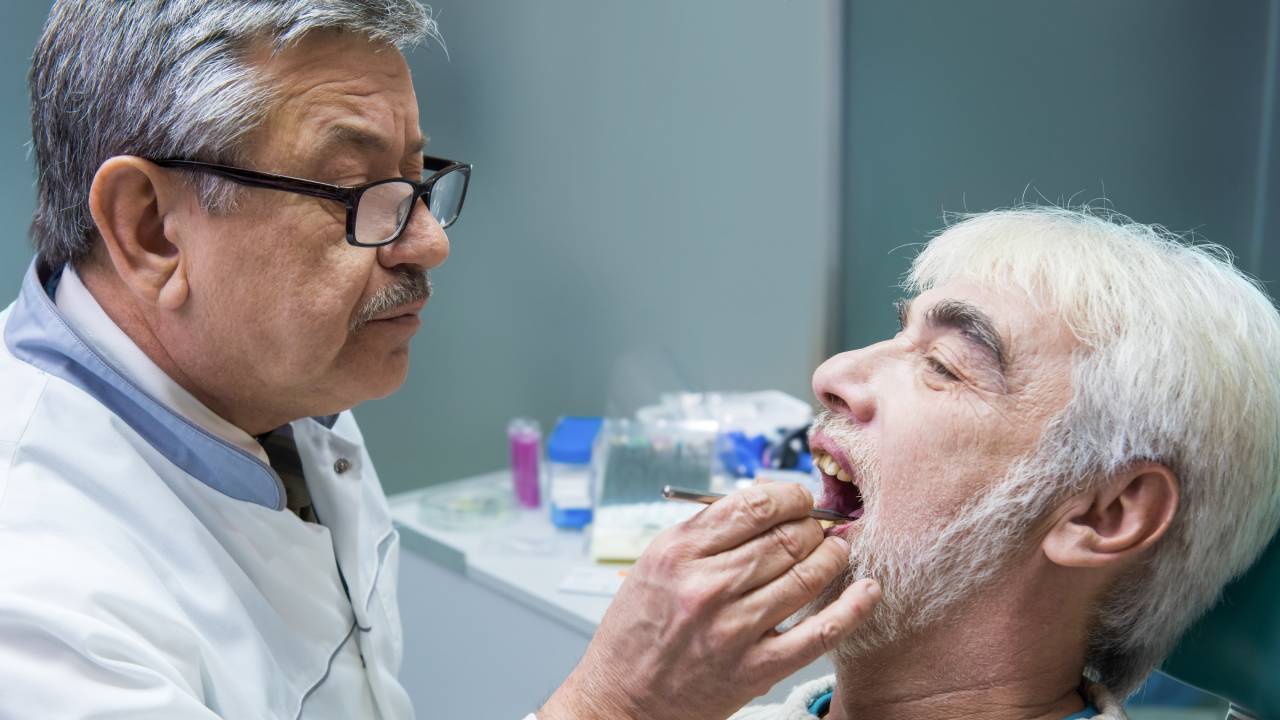
Seeing an emergency dentist as soon as possible is the key step in moving from temporary relief to lasting comfort. Your visit is focused on finding the cause of the pain and providing immediate, targeted treatment.
Same day assessment and diagnosis
At a same day emergency dentist or emergency dentist appointment, you can expect:
- A focused discussion about your pain, including when it started and what makes it better or worse
- A clinical exam of your teeth, gums, and bite
- X rays if needed to check for decay, infection, fractures, or problems under existing restorations
This evaluation helps your dentist determine whether you need severe tooth pain treatment, infection management, or another urgent procedure.
Targeted infection and abscess care
If your pain is caused by infection or an abscess, your dentist may:
- Drain the abscess to relieve pressure and pain
- Prescribe antibiotics when there are signs of spreading infection, such as fever or facial swelling
- Begin urgent infected tooth treatment that may involve root canal therapy or extraction, depending on the severity
This approach combines immediate symptom relief with a plan to fully resolve the infection.
Repairing damaged teeth and restorations
For cracked, broken, or chipped teeth, emergency care focuses on stabilizing and protecting the tooth.
Treatment may include:
- Smoothing and bonding for small chips
- Full coverage restorations for larger fractures
- Temporary crowns or fillings when a permanent solution must be completed later
If a filling or crown is lost, lost filling emergency dentist or lost crown emergency repair services can quickly seal the tooth to stop sensitivity and prevent bacteria from entering.
In cases where the tooth cannot be saved due to severe damage or infection, your dentist might recommend an emergency tooth extraction to remove the source of pain and prevent further complications.
Root canal and nerve focused treatments
When decay or trauma reaches the pulp, the nerve inside your tooth becomes inflamed or infected. In many cases, an emergency root canal offers both pain relief and a way to save the tooth.
During a root canal, the dentist:
- Numbs the tooth and surrounding area
- Removes diseased pulp tissue
- Cleans and disinfects the root canals
- Fills and seals the space to prevent reinfection
A temporary or permanent restoration may be placed afterward, depending on your situation.
Planning for access to urgent dental care
Sudden dental pain can happen outside of regular business hours or when your schedule is already full. Planning ahead can make it easier to get help quickly when you need it.
Consider:
- Knowing which local offices offer a weekend emergency dentist option
- Finding a nearby walk in emergency dentist for situations that cannot wait
- Keeping your dental insurance information and medical history accessible in case of an urgent visit
Regular checkups significantly reduce your risk of sudden, severe issues. Preventive care often costs less than emergency treatment and can help detect problems long before they become painful.
Ignoring tooth pain and waiting for it to become an emergency can lead to serious complications, including the spread of infection to other parts of your body and increased risks for conditions like cardiovascular disease and diabetes.
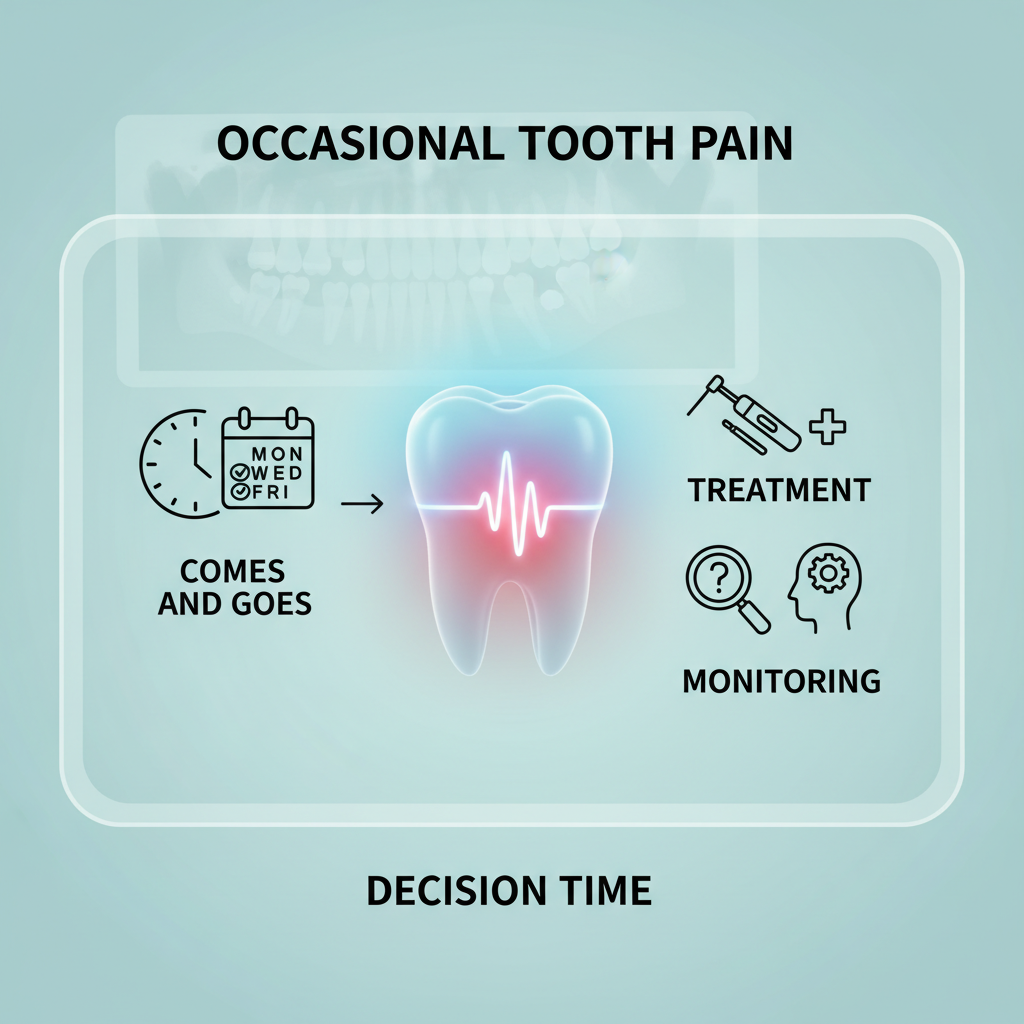
Prompt evaluation, even for pain that seems to come and go, is an important step in protecting your overall health.
When to call a dentist today
You should contact a dentist for urgent care as soon as possible if you have:
- Tooth pain that has lasted more than 24 to 48 hours
- Sudden, sharp pain when biting, chewing, or with hot or cold
- Swelling in your gums, face, or jaw
- A cracked, chipped, or broken tooth
- A lost filling, crown, or dental appliance
- Signs of infection, such as a bad taste, fever, or feeling unwell
Even if home measures give temporary relief, these symptoms indicate that something needs professional attention. Reaching out for a prompt emergency dentist appointment gives you access to same day evaluation, targeted treatment, and a clear plan for complete healing.
With the right combination of safe at home care and timely professional treatment, you can move from sudden dental pain relief to long term comfort and oral health.
References
- (Mayo Clinic, NHS inform)
- (NHS inform)
- (Mayo Clinic)
- (Cleveland Clinic, Penn Dental Medicine)
- (Cleveland Clinic)
- (Cleveland Clinic, NHS inform)
- (Verywell Health)
- (Downtown Dental Nashville)
- (Cleveland Clinic, Colgate)
- (Cleveland Clinic, Colgate, Verywell Health)
- (Colgate, Verywell Health)
- (Colgate)
- (Cleveland Clinic, Mayo Clinic)
- (Penn Dental Medicine)