
Understanding cracked tooth emergencies
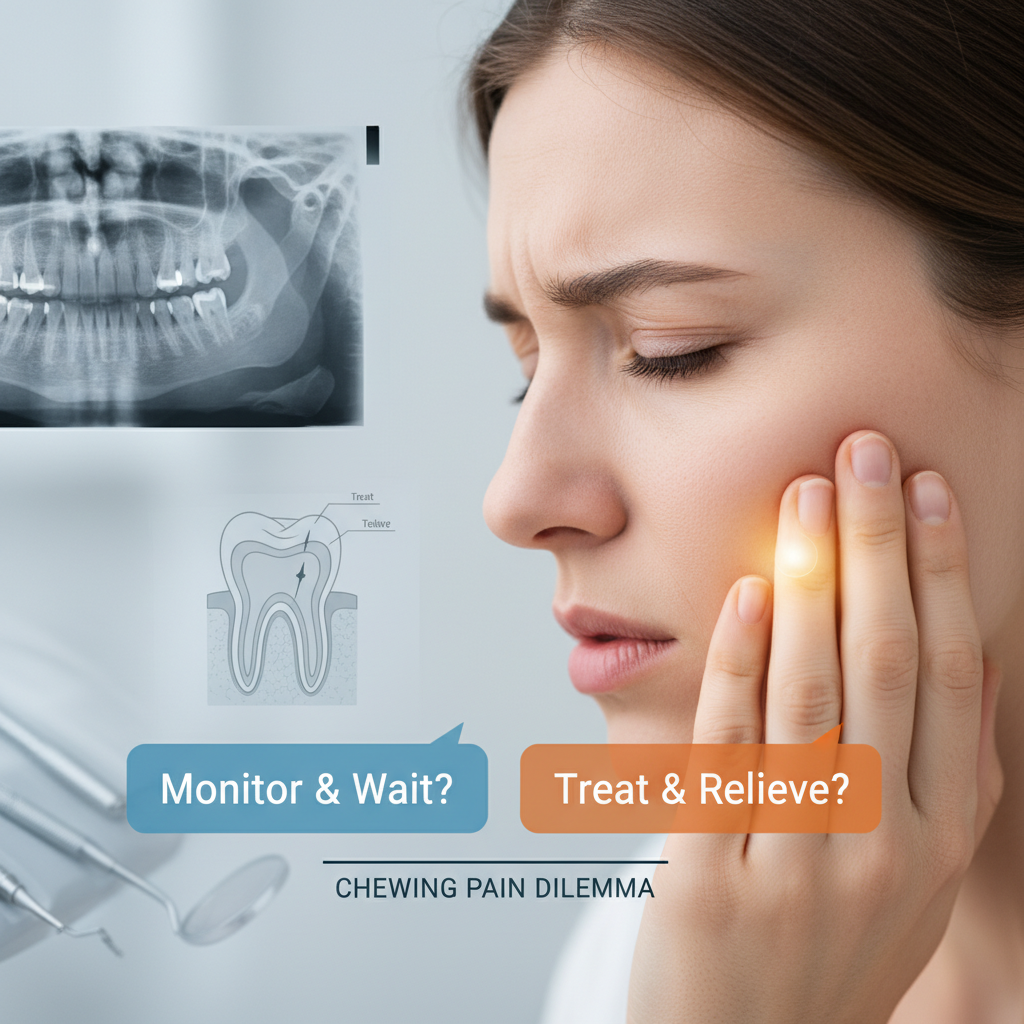
When you have sudden tooth pain or feel a sharp edge with your tongue, you might start to wonder if you are dealing with a cracked tooth emergency. A cracked tooth can progress quickly from mild discomfort to intense pain, swelling, and infection, so getting fast cracked tooth emergency care is critical.
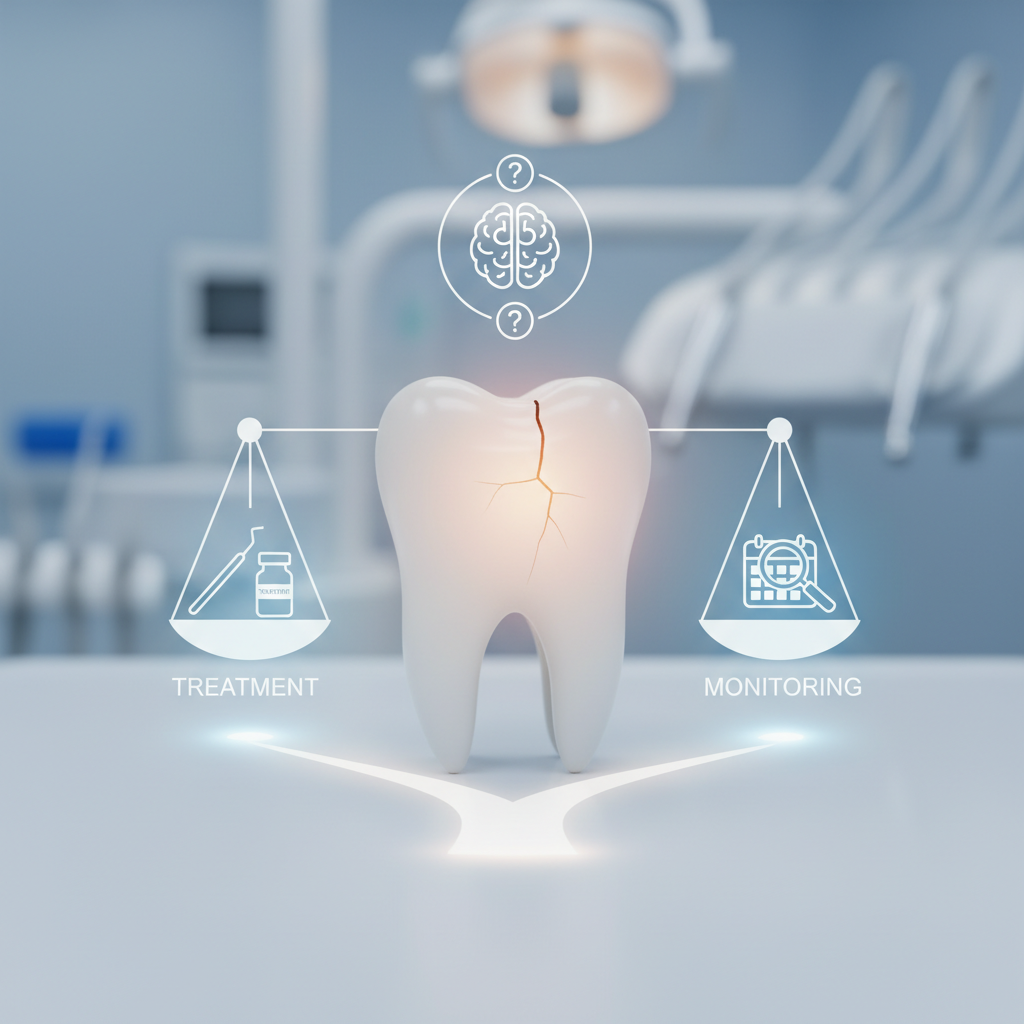
Unlike a simple surface chip, a crack can extend into the inner layers of your tooth. This puts the nerve and blood supply at risk and can allow bacteria to enter. Without prompt evaluation and treatment, a cracked tooth can turn into a severe toothache, a dental abscess, or even a situation that requires an emergency tooth extraction.
You may not always see the crack, but you might feel it. Pain when you bite, sensitivity to hot and cold, or a tooth that hurts off and on are common warning signs that need quick attention from a same day emergency dentist.
Common causes of cracked teeth
Cracked teeth often occur suddenly during a normal day. You might be eating, playing sports, or simply grinding your teeth at night without realizing it. Understanding what caused your cracked tooth can help you and your dentist choose the right treatment and prevent it from happening again.
Everyday habits
Biting something hard is one of the most frequent causes of a tooth crack. You might experience a crack while eating:
- Ice cubes
- Hard candy
- Popcorn kernels
- Nuts with shells
Clenching or grinding your teeth, especially at night, puts repetitive pressure on the enamel. Over time, this weakens the tooth structure and makes it easier for a crack to form. If you have a history of clenching, you may be more likely to need severe tooth pain treatment at some point.
Previous dental work or weakened teeth
Large fillings, a root canal in the past, or heavy biting forces can all weaken a tooth. Older fillings or crowns may not support the tooth as well as they once did. In those cases, even a normal bite can be enough to cause a crack or break, which might also lead you to need help from a lost filling emergency dentist or lost crown emergency repair.
Teeth that have been worn down over time, affected by decay, or previously injured are at higher risk. If a tooth already has tiny, unseen fractures in the enamel, it takes less pressure to turn a minor issue into a true cracked tooth emergency.
Trauma and accidents
A fall, sports injury, or hit to the mouth can crack or fracture teeth suddenly. You might notice bleeding, swelling, or a visible line across the tooth. A more serious impact can also lead to a fully knocked out tooth dentist visit, where the entire tooth leaves the socket.
Even if your tooth looks mostly intact after an accident, a crack can still be present. That is why any facial or mouth trauma should be checked as soon as possible, especially if you notice pain when biting or temperature sensitivity afterward.
Signs you need emergency care now
Not every small chip is an emergency, but certain symptoms mean you should seek cracked tooth emergency care right away. Acting quickly can often save your tooth and prevent more complicated treatment later.
Red flag symptoms
You should contact an emergency dentist immediately if you notice:
- Sharp pain when biting or chewing
- Sudden, intense toothache that does not improve
- Pain that comes in waves or throbs
- Sensitivity to hot or cold that lingers
- Swelling in your gums or face near the tooth
- A visible crack or broken piece of tooth
- Bad taste, pus, or drainage from around the tooth
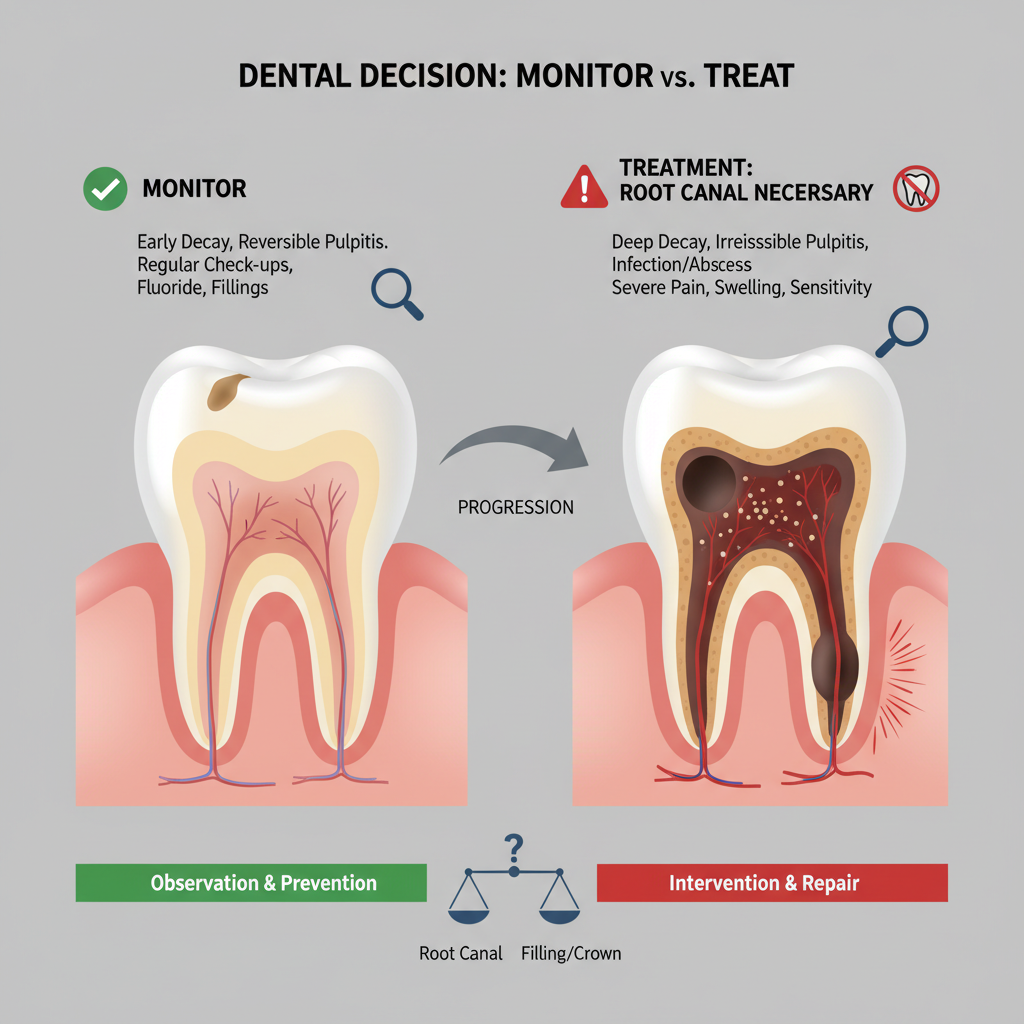
These symptoms suggest that the crack may reach into the inner layer of the tooth or that infection is already present. Once bacteria get into the tooth, you might need emergency root canal treatment or other dental infection treatment urgent to stop the spread.
Pain that changes or worsens
You may start with mild discomfort when you chew. If that suddenly escalates into intense pain, especially at night or when you lie down, it is a sign you should seek sudden dental pain relief quickly.
Pain that wakes you up from sleep, makes it hard to concentrate, or requires constant over the counter pain medicine is not normal. Waiting to see if it gets better on its own can give infection time to spread into your jaw, face, or bloodstream, which can be dangerous.
Swelling and infection signs
A cracked tooth often becomes a pathway for infection. If you notice swelling inside your mouth, along your jaw, or near your cheek, you may be developing a dental abscess. You might also see a pimple like bump on the gum near the tooth.
Any combination of swelling, fever, trouble swallowing, or difficulty opening your mouth is considered an urgent situation. You may need fast dental abscess treatment to drain the infection and protect your overall health, along with urgent infected tooth treatment for the source tooth.
If you are unsure whether your symptoms are an emergency, it is safer to call an emergency dentist and describe what you are feeling. They can help you decide how quickly you need to be seen.
First steps to take at home
When you suspect a cracked tooth, what you do in the next few hours can make a difference. While home care is not a substitute for professional cracked tooth emergency care, it can reduce pain and limit further damage until your appointment.
Protecting the tooth
If part of your tooth has broken off, gently rinse the piece with water and keep it in a clean container. In some cases, your dentist may be able to reattach it or use it as a guide for broken tooth emergency repair or chipped tooth repair dentist services.
Avoid chewing on the affected side of your mouth. Stick to soft foods that require little or no biting pressure. If you feel a sharp or rough edge, you can cover it temporarily with sugar free gum or dental wax from the pharmacy to protect your tongue and cheek.
Managing pain and swelling
Over the counter pain relievers can help take the edge off while you arrange your emergency dentist appointment. Always follow the dosing instructions on the label and talk with a medical professional if you have any health conditions or take other medications.
A cold compress on the outside of your face can help with swelling and tenderness. Do not apply ice directly to your skin or directly inside your mouth. Instead, wrap a cold pack or bag of frozen vegetables in a towel and place it on the cheek in 10 to 20 minute intervals.
Avoid using heat on the area and do not place aspirin directly on the tooth or gums. Topical aspirin can burn the tissues and make pain and irritation worse.
What not to do
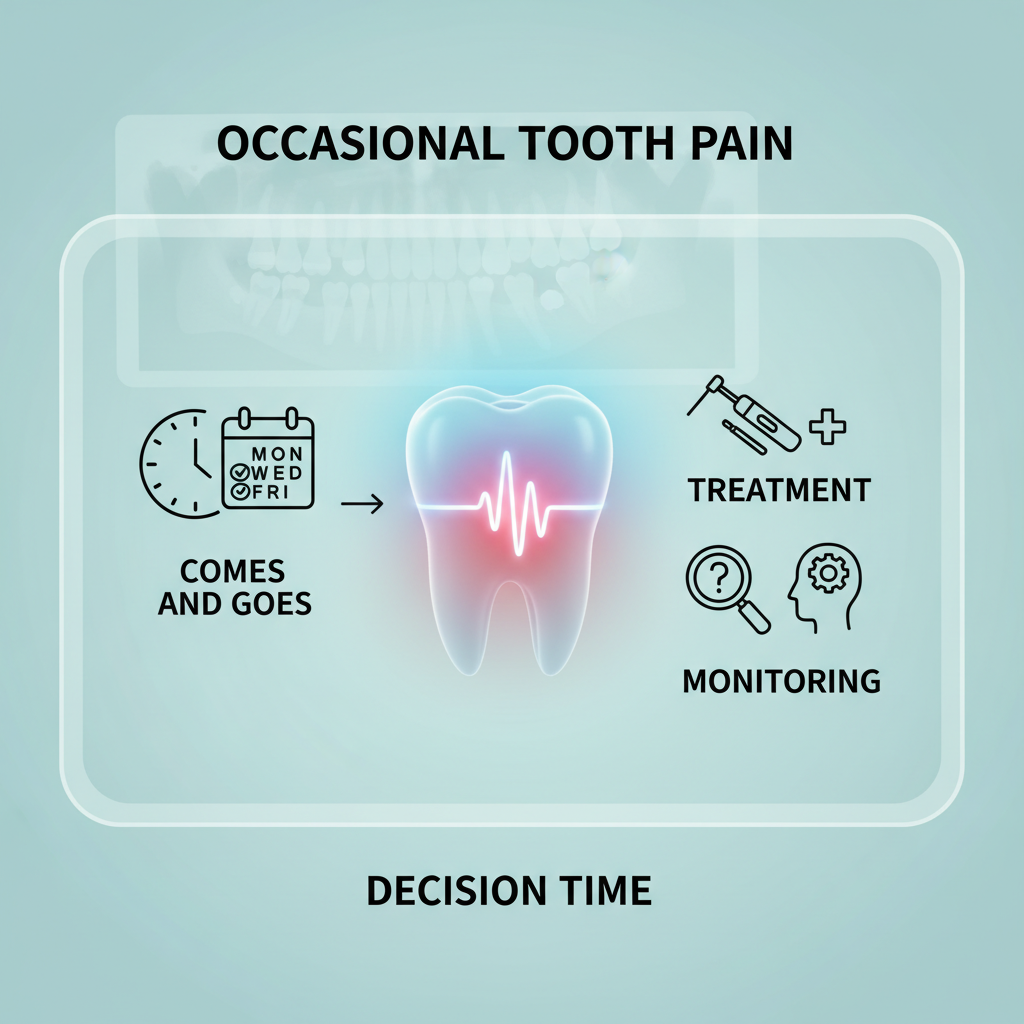
It can be tempting to ignore the pain if it comes and goes. You might try to wait it out, hoping the problem will go away. With cracked teeth, waiting often leads to greater pain, higher risk of infection, and more complex treatment later.
Do not try to file down the tooth, use sharp objects to remove food, or glue any broken pieces back yourself. These actions can deepen the crack, damage your gums, or introduce bacteria. Safe at home care should be gentle and temporary until you can see a walk in emergency dentist or schedule urgent care.
How emergency dentists diagnose a cracked tooth
When you arrive for cracked tooth emergency care, your dentist will move quickly to find the source of your pain and create a plan to stabilize your tooth. The goal is to relieve your symptoms as fast as possible while protecting your long term oral health.
Clinical exam and questions
Your dentist will begin by asking when your pain started, what makes it worse, and whether it is sensitive to hot, cold, or pressure. Mention any recent injuries, grinding or clenching, or previous dental work in that area.
They will examine your mouth closely and may use a small probe or special dye to highlight any crack lines. Sometimes they will have you bite gently on a small tool or cotton roll to find the exact area that hurts. This helps distinguish between a surface chip and a deeper vertical crack.
X rays and additional tests
Dental X rays are often used to look for signs of bone loss, infection, or changes in the root of the tooth. Although small cracks in enamel may not always show on X rays, the images still provide important information about the overall health of the tooth and surrounding structures.
Your dentist may perform:
- Percussion testing, gentle tapping on the tooth to check for pain
- Temperature testing with hot or cold to measure nerve response
- Gum probing to see if the crack extends below the gum line
All of this information guides the choice between treatments like emergency root canal, repair with a crown, or in more severe cases, emergency tooth extraction.
Fast treatment options for cracked teeth
Once your dentist understands the type and extent of the crack, they will explain your treatment options. In many cases, they can begin cracked tooth emergency care the same day to give you relief and stabilize the tooth.
Small cracks and chips
Minor cracks that affect only the outer enamel and small chips on the edges of teeth are often treated with bonding or a filling. Your dentist uses tooth colored material to restore the missing part of the tooth and protect it from further damage.
For front teeth with cosmetic chips, a chipped tooth repair dentist can often reshape and bond the area in a single visit. These repairs not only improve appearance but also help prevent the crack from spreading deeper.
Moderate cracks needing crowns
If the crack affects a larger portion of the tooth but has not yet reached the root, a crown is often recommended. The dentist removes damaged areas, shapes the tooth, and places a protective cap over it. This helps distribute biting forces evenly and reduces the risk of the crack growing.
Sometimes a temporary crown is placed immediately during your emergency visit, with a permanent crown fitted later. In every case, the goal is to restore strength as quickly as possible so you can bite and chew comfortably again.
Deep cracks and root canal treatment
When a crack reaches the inner pulp of the tooth, the nerve can become inflamed or infected. In this situation, emergency root canal therapy is often the best way to save the tooth.
During a root canal, the dentist or endodontist removes the damaged pulp, disinfects the root canals, and fills them with a sealing material. They then protect the tooth with a crown. This removes the source of pain and infection while preserving your natural tooth structure.
If infection has already spread from the cracked tooth to the surrounding bone or soft tissue, you may also need antibiotics and additional dental infection treatment urgent to fully resolve the problem.
When extraction is necessary
In some cases, the crack extends below the gum line or splits the tooth into separate pieces. When that happens, it may not be possible to repair it predictably. Your dentist might recommend emergency tooth extraction to remove the source of continuing pain and infection risk.
Although losing a tooth can feel overwhelming, timely extraction often leads to quicker relief and healing. Your dentist will discuss options like implants, bridges, or partial dentures to restore the missing tooth once the area has healed.
How to get fast same day care
When you are in severe pain, you want cracked tooth emergency care as quickly as possible. Knowing how to navigate urgent dental services in your area can help you get seen the same day and avoid a long wait.
Contacting an emergency dentist
If you have a regular dentist, start by calling their office and explaining that you have sudden tooth pain or a suspected crack. Many offices reserve same day slots for emergencies and can fit you in for same day emergency dentist care.
If you do not have a dentist or it is after hours, look for a weekend emergency dentist or walk in emergency dentist in your area. When you call, be as specific as you can about your symptoms, including any swelling, fever, or difficulty swallowing, so they understand the urgency.
What to say when you call
When you contact a dental office, it can help to mention:
- That you suspect a cracked or broken tooth
- The level of pain on a 1 to 10 scale
- Any swelling, fever, or drainage
- Whether you have trouble biting, chewing, or sleeping
You can also say that you are seeking sudden dental pain relief and are available for any urgent appointment they can offer. This helps staff prioritize you for quicker triage.
When to consider urgent medical care
According to guidance from dental and medical organizations such as the American Dental Association and the Mayo Clinic, swelling that spreads to your face or neck, trouble breathing, high fever, or difficulty swallowing can signal a serious infection that may require hospital emergency care in addition to dental abscess treatment.
If your symptoms are severe or you feel generally very ill, you should seek immediate medical attention, then coordinate with an emergency dentist for follow up urgent infected tooth treatment.
Preventing future cracked tooth emergencies
Once you have addressed your immediate pain and completed treatment, you can work with your dentist to lower your risk of another cracked tooth emergency in the future. Prevention focuses on protecting your teeth from excess force and treating problems early.
Protecting your teeth from pressure
Wearing a custom night guard can help if you clench or grind your teeth while you sleep. This simple appliance reduces pressure on your teeth and protects existing dental work. Your dentist can check for signs of grinding and recommend whether a guard is right for you.
During the day, avoid chewing ice, hard candy, or other very hard foods. Do not use your teeth as tools to open packages or bottles. These habits may seem harmless until they suddenly result in a crack that sends you back for severe tooth pain treatment.
Addressing other dental issues early
Regular checkups and cleanings give your dentist a chance to spot tiny fractures or weakened teeth before they turn into emergencies. Early replacement of worn or broken fillings can prevent cracks from developing. If you notice any change in how your teeth feel when you bite or chew, mention it during your visit.
Gum health also plays a role. Swollen or bleeding gums, especially if they happen suddenly, should be evaluated. A bleeding gums emergency or swollen gum emergency treatment visit can reveal underlying issues that, if left alone, may contribute to tooth mobility and fracture risk.
Having a plan for urgent dental needs
Emergencies are less stressful when you already know who to call. Take a few minutes to:
- Save the phone number of your preferred emergency dentist in your contacts
- Ask about their office hours and after hours policies
- Learn whether they offer same day or emergency dentist appointment slots
If you have a history of tooth fractures, root canals, or heavy grinding, it is especially wise to know where you can go for rapid toothache relief dentist services or broken tooth emergency repair if another issue arises.
By understanding the signs of a cracked tooth, acting quickly when symptoms appear, and working with a trusted dental team, you give yourself the best chance at fast relief and long term protection of your smile. Cracked tooth emergency care is most effective when you do not wait, so if you suspect a problem, reach out for help as soon as you can.