
Understanding urgent dental infections
When you develop sudden tooth pain, swelling, or a dental abscess, you are dealing with a problem that can worsen quickly if it is not treated. Dental infection treatment urgent care focuses on stopping pain, controlling infection, and protecting your overall health.
A tooth infection usually starts when bacteria enter the inner part of your tooth or gums through deep decay, a crack, or trauma. This can lead to a pocket of pus called a dental abscess. An abscess will not heal on its own and can spread to your jaw, face, neck, or even beyond if it is ignored. In serious cases, this type of infection can become life threatening if it reaches areas such as the neck, sinus cavities, or bloodstream.
Urgent dental care focuses on getting you seen quickly by a same day emergency dentist so you do not have to wait days or weeks in pain. The goal is to manage the emergency now and then create a clear plan for full healing.
When your toothache is an emergency
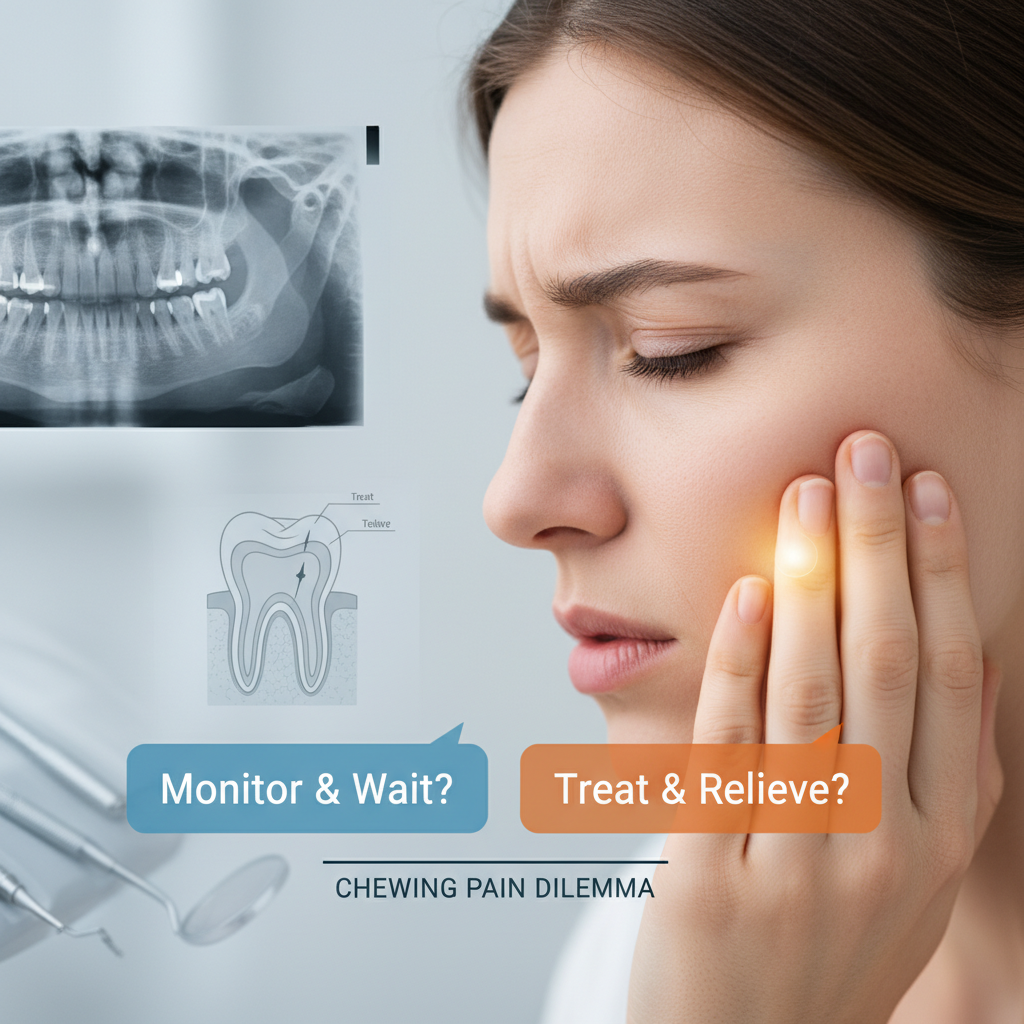
Not every toothache is a true emergency, but you should never ignore persistent or severe pain. A toothache that lasts more than a couple of days, especially if it is throbbing or keeps you up at night, can be a sign of infection and may require urgent care.
You should seek immediate help from a toothache relief dentist or severe tooth pain treatment service if you notice any of the following:
- Constant, severe, or radiating tooth pain
- Pain that does not improve with over the counter pain relievers
- Pain when biting or chewing
- Sensitivity to hot or cold that lingers
If your pain is combined with fever, swelling, or difficulty swallowing, you have moved into a true dental emergency and should not wait to be seen.
Warning signs of a serious dental infection
Recognizing the signs of a serious dental infection can help you decide when to seek care immediately. Some symptoms mean you should contact a walk in emergency dentist or go to urgent care or an emergency room right away.
Common signs that an infection needs urgent treatment include:
- Severe, throbbing toothache that may radiate to your jaw, ear, or neck
- Red, swollen gums or a pimple like bump on your gums
- Swelling in your face, cheek, or jaw
- Bad taste in your mouth or foul smelling breath
- Fever, feeling unwell, or fatigue
A dental abscess is a pocket of pus caused by bacterial infection that can destroy tissue and nearby teeth. If your infection spreads, you may notice more serious symptoms, such as:
- Significant facial or jaw swelling
- Difficulty breathing or swallowing
- Trouble opening your mouth
- Rapid heart rate or confusion
If you have these symptoms, you need emergency medical evaluation, as the infection may be spreading beyond your mouth.
Common urgent dental infection situations
Dental infections can appear in different ways. Understanding the type of problem you are dealing with can help you explain your symptoms clearly when you call for a emergency dentist appointment.
Abscessed or infected tooth
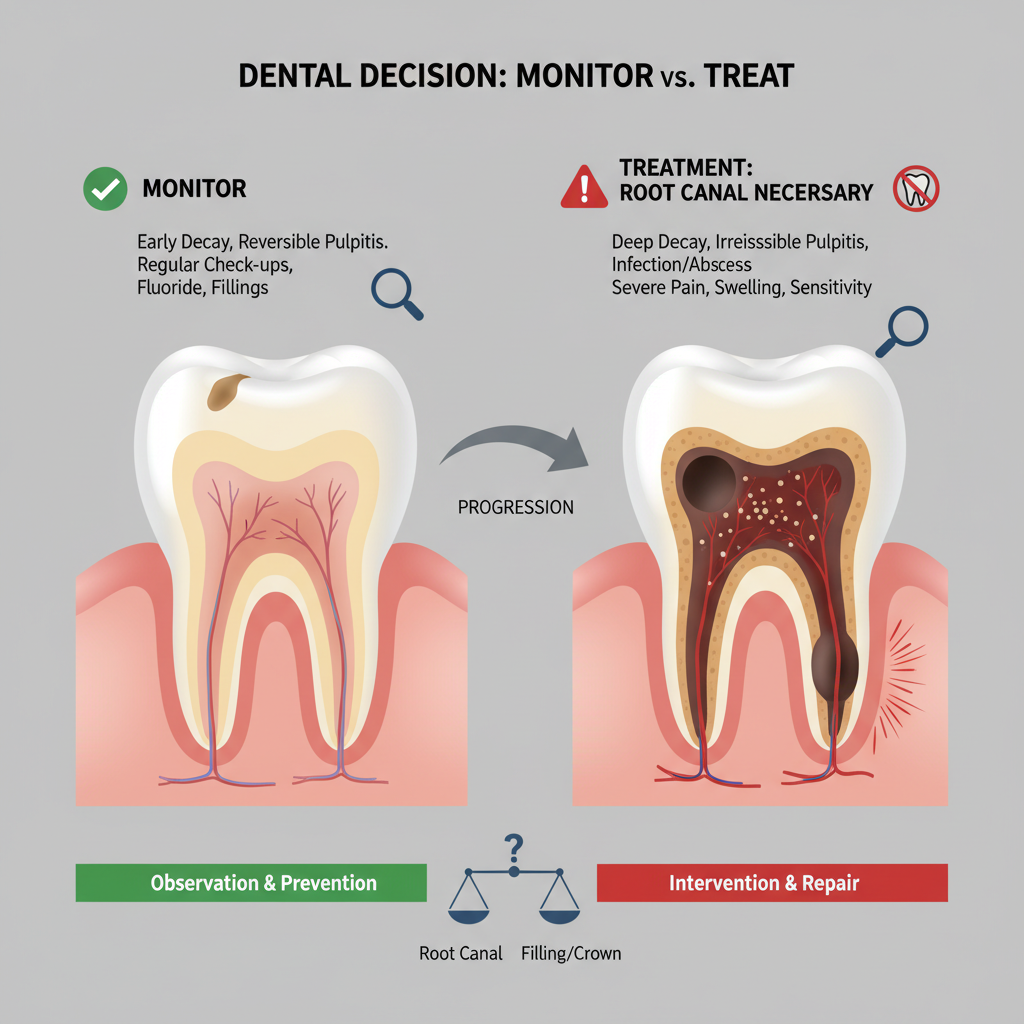
An abscessed tooth is one of the most common reasons people seek dental infection treatment urgent care. This infection usually starts in the pulp at the center of the tooth due to deep decay, injury, or previous dental work. The infection can then spread to the tip of the root and surrounding bone, forming a periapical abscess.
You may notice:
- Severe, persistent toothache
- Swelling around the tooth or in your face
- A pimple like bump on the gums that may drain pus
- Pain when chewing or biting
You should contact a provider who offers dental abscess treatment or urgent infected tooth treatment as soon as you notice these signs. An abscess will not resolve on its own and may continue to spread even if the pain lessens.
Swollen gums or jaw
Sudden swelling of your gums, jaw, or cheek is a strong signal that infection or inflammation is present. Localized swelling may point to an abscess, while diffuse swelling can suggest cellulitis, which is a spreading infection of the soft tissues.
Prompt evaluation for swollen gum emergency treatment is important, especially if swelling is combined with:
- Fever
- Redness and warmth in the area
- Pain when touching or moving your jaw
Severe or spreading swelling may require antibiotics, drainage, or even hospitalization if deep neck spaces are involved.
Infections triggered by broken or cracked teeth
Cracks, chips, or fractures create openings that allow bacteria to reach the inner layers of your tooth. If you have recently damaged a tooth, especially if you see a visible break, you are at higher risk for infection.
You may need:
If the tooth is already painful or sensitive, treating the damage quickly can reduce the chance that bacteria will enter and cause a deeper infection that requires an emergency root canal or extraction.
What happens during urgent dental infection treatment
When you visit an emergency dentist or urgent care for a dental infection, your appointment will typically focus on three main goals: relieving your pain, controlling the infection, and planning long term repair.
1. Assessment and diagnosis
First, your dentist will listen to your symptoms and examine your mouth, teeth, and gums. They may gently tap or press on certain teeth to locate the source of the pain. In many cases, X rays are needed to see the extent of infection, especially if you have an abscess at the root tip or within the bone.
The dentist will look for:
- Signs of decay, cracks, broken fillings, or trauma
- Swelling in your gums, face, or neck
- Pus drainage, gum pockets, or fistulas
- Indicators of systemic infection, such as fever or swollen lymph nodes
If there are signs of a spreading infection, they may refer you for urgent medical evaluation or coordinate with a physician.
2. Immediate pain relief
Once the source of your pain is identified, your provider will focus on numbing the area and reducing your discomfort. Short term pain relief may include:
- Local anesthetic injections to numb the tooth and surrounding tissue
- Numbing gels to ease gum pain
- Oral pain relievers, such as ibuprofen, naproxen, or acetaminophen, if appropriate
If you are waiting to be seen or cannot get to a dentist right away, home measures like rinsing with warm salt water, applying a cold compress, and using over the counter pain medicine can offer temporary relief. However, these steps should never replace professional care.
3. Draining the infection
If you have a dental abscess, draining the pus is a key part of treatment. This reduces pressure, relieves pain, and helps clear the infection. Your dentist may:
- Make a small incision in the gum to drain pus
- Drain through the tooth itself during an emergency root canal
- Clean the area thoroughly to remove debris and infected tissue
Drainage is often combined with antibiotics and follow up treatment to prevent the infection from returning.
4. Antibiotics for tooth infections
Antibiotics are often needed when there is evidence of spreading infection, significant swelling, or systemic symptoms like fever, or when you have health conditions that weaken your immune system. Common prescriptions for dental infections include amoxicillin, metronidazole, or azithromycin.
It is important to understand that antibiotics alone cannot cure most tooth infections. Bacteria trapped inside a dead or badly damaged tooth cannot always be reached by the medication, because blood vessels are destroyed as the infection progresses. That is why you usually still need procedures such as:
- Abscess drainage
- Root canal therapy
- Deep cleaning for gum infections
- Tooth extraction
If you are prescribed antibiotics, you should:
- Take them exactly as directed
- Complete the full course, typically at least one week
- Call your provider if you have severe side effects, such as significant diarrhea or signs of an allergic reaction
5. Saving or removing the tooth
Once the immediate infection is controlled and your pain is reduced, your dentist will guide you through your options to restore your tooth.
In many cases, root canal therapy can save an infected tooth. During an emergency root canal, the dentist removes the infected pulp, cleans and disinfects the inside of your tooth, then seals it. Often, a crown is placed later for strength and protection.
If the tooth is too damaged or cannot be restored, an emergency tooth extraction may be recommended. While the idea of extraction can be stressful, removing a hopeless tooth can be the safest way to stop a serious infection and protect your health. Your dentist will then review options for replacing the tooth in the future.
When to go to the ER versus an emergency dentist
You may wonder whether you should go to a hospital emergency room or seek a walk in emergency dentist or weekend emergency dentist. Understanding the difference can help you choose the safest option.
You should go to the ER or call emergency services right away if:
- You have trouble breathing or swallowing
- Your face, neck, or eye area is rapidly swelling
- You have a high fever with severe pain or feel very ill
- You have uncontrolled bleeding or signs of broken facial bones
In these situations, medical providers can give intravenous antibiotics, imaging, and other emergency support. They can also offer pain medication to keep you comfortable until you can see a dentist. However, they usually do not perform definitive dental procedures like root canals or fillings, so you will still need prompt follow up with a dentist.
If you do not have severe systemic symptoms but are in significant tooth pain or have signs of infection, a same day emergency dentist is usually your best first step. Dental offices are equipped to provide:
- Same day diagnosis and X rays
- Drainage of abscesses
- Root canal treatment or extractions
- Repair of broken, chipped, or cracked teeth
This allows you to get both pain relief and the definitive procedure that addresses the root of the problem.
If you are unsure where to go, start by calling an emergency dental office, explain your symptoms, and follow their guidance. They can tell you whether you should come directly to the office or seek hospital care first.
Other dental emergencies that need fast attention
In addition to infections, there are other urgent dental issues that may cause pain, expose your tooth to bacteria, or increase your risk of infection if not treated promptly.
Knocked out or displaced teeth
A knocked out permanent tooth is one of the most time sensitive dental emergencies you can face. If this happens, you should:
- Pick up the tooth by the crown, not the root
- Rinse it gently without scrubbing or removing attached tissue
- Try to place it back into the socket if possible
- If you cannot reinsert it, keep it moist in milk or salt water
- Seek care with a knocked out tooth dentist within one hour for the best chance of saving it
Prompt reimplantation and splinting, often with antibiotic coverage, can help preserve the tooth and reduce infection risk.
Lost fillings, crowns, or restorations
Losing a filling or crown can expose the inner layers of your tooth and lead to sensitivity or pain. It also increases the risk that bacteria will enter and cause decay or infection.
If this happens, scheduling with a lost filling emergency dentist or lost crown emergency repair provider as soon as possible can protect your tooth. While you wait, avoid chewing on that side and keep the area clean with gentle brushing and rinsing.
Bleeding or acutely inflamed gums
Sudden, heavy gum bleeding, especially after trauma or dental work, may need immediate attention. If your gums are swollen, red, and very painful, you might have an acute periodontal abscess or severe gum infection that requires drainage and cleaning within 24 hours.
If you experience this, reach out for bleeding gums emergency care. Untreated gum infections can spread to surrounding tissues and potentially progress to cellulitis.
What you can do at home before urgent care
Home remedies cannot cure a dental infection, but they can help you manage symptoms while you are arranging urgent care. These measures are best used for short term relief and should not delay a visit to your dentist or doctor.
Helpful short term steps include:
- Rinsing with warm salt water to reduce bacteria and soothe irritated tissues
- Applying a cold compress to the outside of your face for up to 10 minutes once per hour to reduce pain and swelling
- Using over the counter pain relievers like ibuprofen, naproxen, or acetaminophen according to package directions
- Keeping your head elevated when lying down to decrease pressure around the infected area
Some people also use clove oil or crushed garlic for temporary numbing and antimicrobial effects, but these should only be viewed as short term comfort measures and not as substitutes for professional treatment.
You should avoid:
- Placing aspirin or other medications directly on your gums or tooth
- Applying heat to a swollen area, which may worsen infection
- Ignoring fever, spreading swelling, or difficulty breathing
If your symptoms get worse or do not improve with basic pain medicine, you should seek sudden dental pain relief from an emergency provider right away.
Preventing future dental infections and emergencies
While some dental emergencies are unavoidable, many infections can be reduced through consistent preventive care and smart habits.
You can lower your risk of needing dental infection treatment urgent care by:
- Scheduling regular checkups and cleanings so your dentist can spot problems early
- Brushing twice a day with fluoride toothpaste and flossing daily
- Avoiding chewing ice, hard candy, or non food items that can crack teeth
- Wearing a custom mouthguard if you play contact sports or grind your teeth at night
- Treating cavities, cracked fillings, or broken teeth promptly so bacteria cannot reach the inner tooth
If you have medical conditions that affect your immune system, you should be especially proactive. Some people in these groups are more likely to need antibiotics when infections arise and can develop serious complications more easily.
Taking the next step toward relief
If you are dealing with sudden tooth pain, facial swelling, or signs of infection, you do not have to manage it on your own. Reaching out quickly for an emergency dentist appointment can mean faster pain relief, fewer complications, and a clearer path back to oral health.
Whether you need same day emergency dentist services, help with a knocked out tooth dentist situation, or focused urgent infected tooth treatment, acting now protects both your smile and your overall health.