
Why a walk in emergency dentist matters
When you are in sudden, intense tooth pain, dealing with a broken tooth, or worried about an infection, you do not have time to wait days for an appointment. A walk in emergency dentist gives you same day access for urgent problems so you can get rapid relief and protect your long term oral health.
Emergency dentists are specifically equipped to handle issues like severe toothaches, broken or knocked out teeth, swelling, abscesses, and infections. Many offer 24/7 or extended hours and accept last minute or same day visits so you can be seen quickly when a problem appears without warning.
Understanding how to choose the best walk in emergency dentist for you helps you act quickly and confidently when every minute counts.
Know what counts as a true dental emergency
Before you choose a walk in emergency dentist, it helps to understand which symptoms truly need urgent care and which can safely wait for a scheduled visit.
Urgent problems that need same day care
Some situations require a same day or even immediate visit to a walk in emergency dentist. These include:
- Severe or persistent toothache that does not improve with over the counter pain medicine
- Swelling in your face or gums, especially if it is spreading
- Signs of infection such as a bad taste, pus, or a visible abscess
- A knocked out adult tooth
- A broken, cracked, or badly chipped tooth with pain or sharp edges
- Persistent or heavy bleeding from the gums or mouth
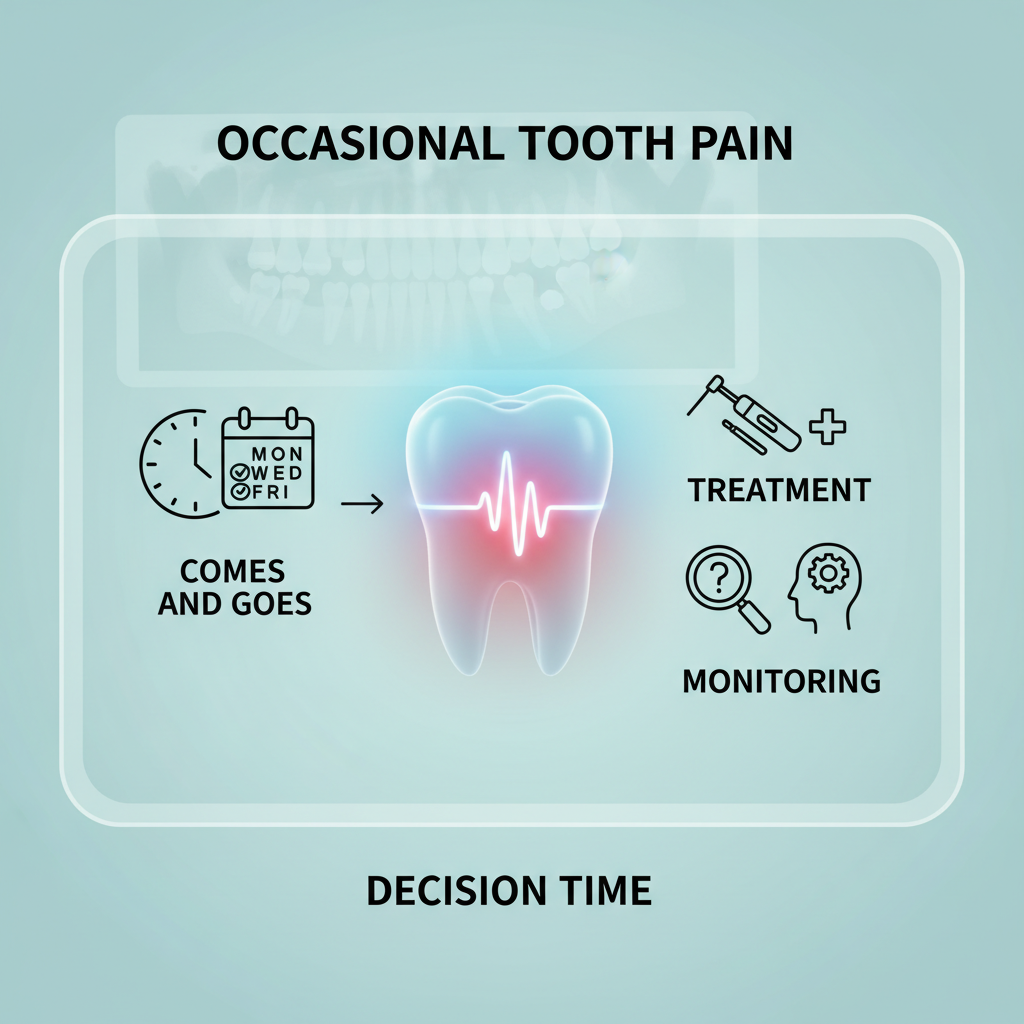
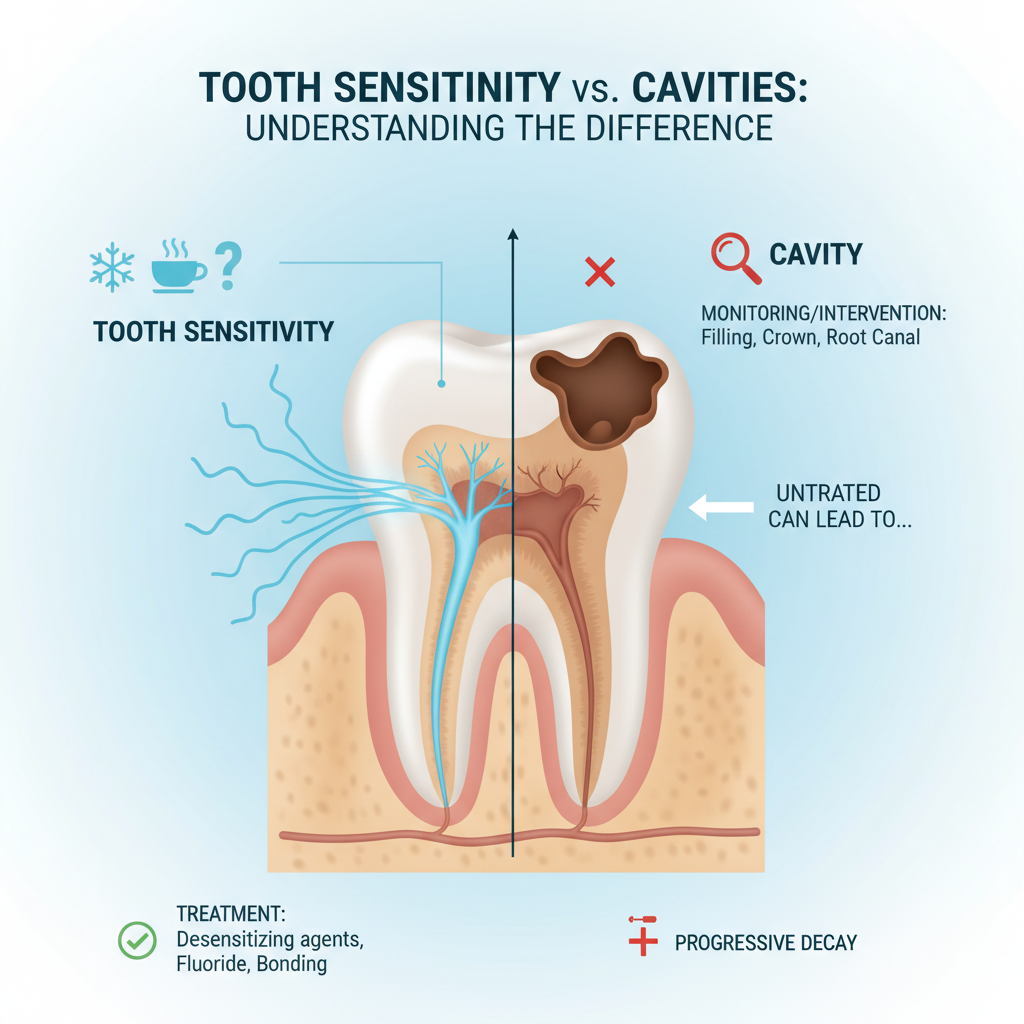
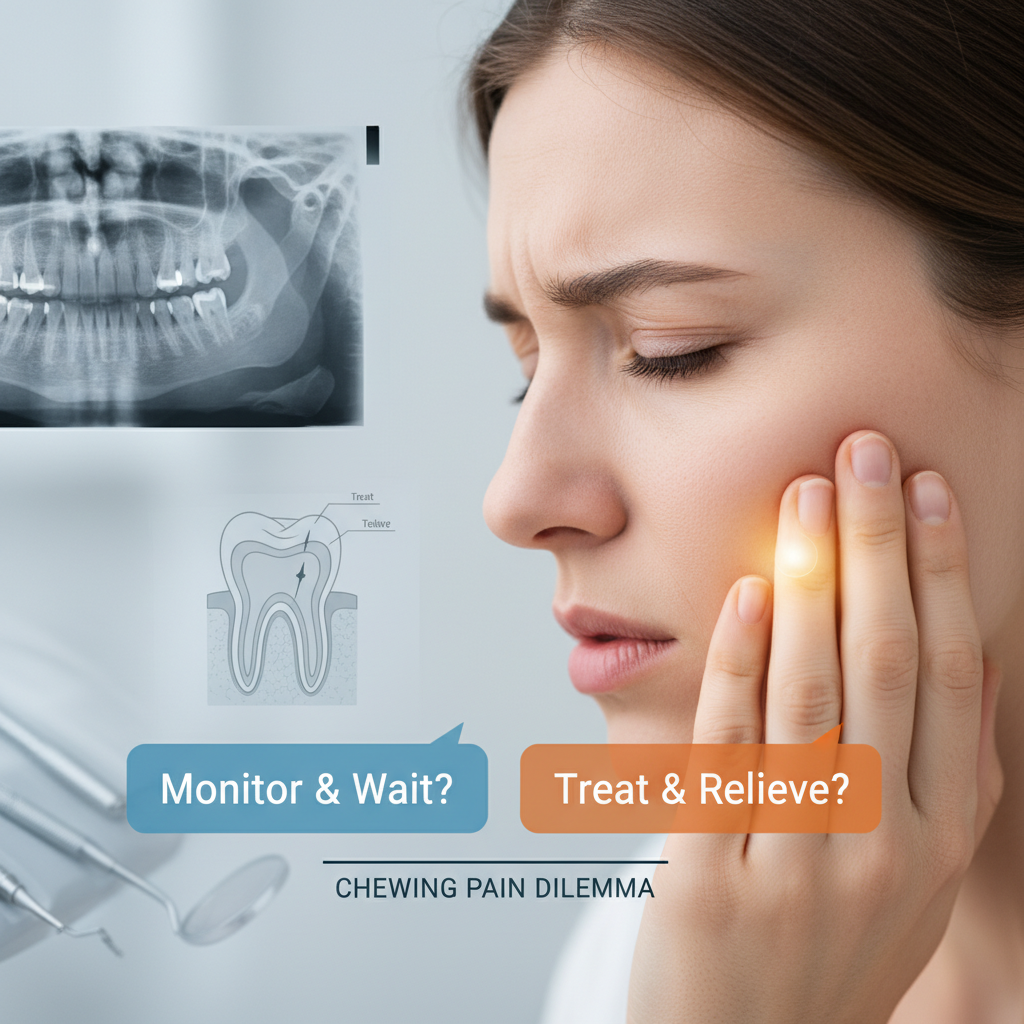
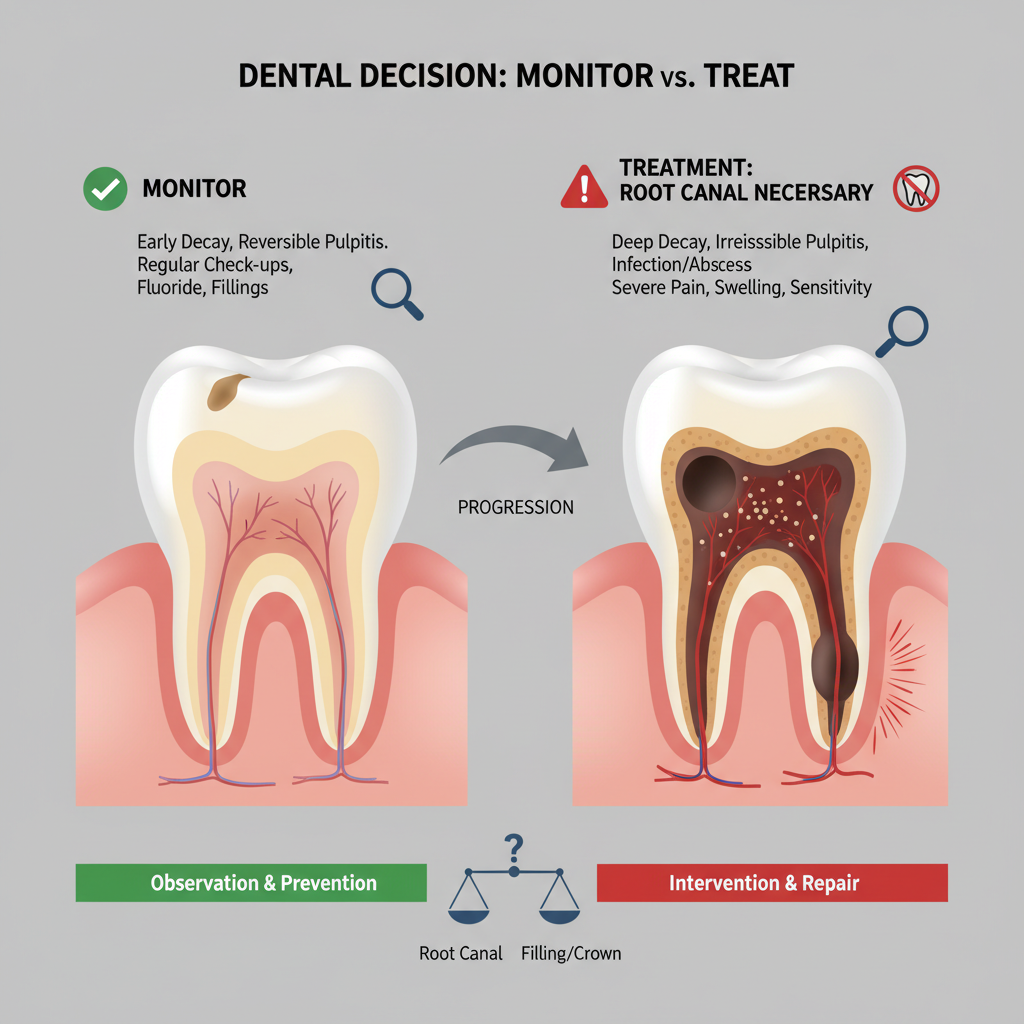
Severe tooth pain is a common reason to seek emergency care. Intense, throbbing pain can signal deep decay, nerve involvement, or an infection that will not improve on its own. Ignoring it can lead to more complicated problems such as abscesses and the need for extensive treatment. When this happens, a toothache relief dentist or severe tooth pain treatment visit can be essential.
Dental trauma is another clear emergency. A knocked out tooth, a broken tooth, or a tooth that has fractured deeply into the root needs immediate professional attention to give you the best chance of saving the tooth and controlling pain.
Issues that often can wait
Some problems are uncomfortable but are usually considered non urgent. These can usually be seen during normal office hours rather than requiring an immediate walk in visit:
- A lost filling without significant pain
- A loose or lost crown that is not causing heavy pain
- Minor chips without sensitivity
Situations like a lost filling or crown still need treatment, but you may be able to schedule with a lost filling emergency dentist or for lost crown emergency repair during standard hours, depending on your symptoms.
If you are unsure, it is better to call a walk in emergency dentist or schedule an emergency dentist appointment. They can help you decide how quickly you need to be seen.
Understand when to choose a dentist vs the ER
You may wonder whether you should go to the emergency room or a walk in emergency dentist. Knowing the difference helps you get to the right place, faster.
When to go to the emergency dentist
Most dental emergencies are best handled by an emergency dentist rather than an ER physician. Research shows that dental related ER visits nearly doubled between 2000 and 2010, yet most of these issues would have been better treated in a dental office with the right tools and expertise.
Emergency dentists are specifically equipped to:
- Diagnose dental pain with detailed exams and X-rays
- Provide numbing and targeted pain relief
- Clean and disinfect infected areas
- Perform urgent procedures such as emergency root canal, emergency tooth extraction, or temporary restorations
- Address broken, chipped, or cracked teeth with broken tooth emergency repair, chipped tooth repair dentist, or cracked tooth emergency care services
These treatments are usually more effective and complete than what you can receive in an ER, where dental tools and specialists may not be available.
When to go to the emergency room or call 911
Some situations are medical emergencies, not primarily dental problems. You should call 911 or go to the nearest ER if you have:
- Heavy bleeding that will not stop
- Difficulty breathing or swallowing
- Suspected broken jaw or facial bones
- Deep puncture wounds or large lacerations to the face
In these cases, the ER should treat serious trauma first. After your condition is stabilized, an emergency dentist can address tooth or gum damage that remains.
Look for true walk in and same day access
When you are in pain, availability is one of the most important factors in choosing a walk in emergency dentist.
Office hours and same day care
Ask each office how they handle urgent cases:
- Do they accept walk in patients without an appointment?
- Do they offer a dedicated same day emergency dentist schedule?
- Are evening, early morning, or weekend emergency dentist hours available?
- Is there an emergency phone line or answering service after hours?
Many emergency dental offices provide 24/7 on call availability or late evening and weekend hours and may instruct you to call an emergency hotline before coming in so they can prepare for your visit.
National providers like Aspen Dental also offer same day emergency appointments that you can access by walking in, calling ahead, or scheduling online for fast care and follow up planning.
Response for after hours emergencies
If your problem starts at night or on a weekend, check how the office manages after hours calls. Some practices:
- Have an on call dentist who will meet you at the office
- Provide detailed instructions via an answering machine, including how to reach the emergency dentist directly
- Offer triage by phone to help you decide whether you need immediate care or can wait until the office opens
Choosing a walk in emergency dentist with clear, reliable after hours support gives you peace of mind when the unexpected happens.
Check what emergency treatments they provide
Not every dental office provides the same level of emergency services. You want to be sure your walk in emergency dentist can handle the types of problems you are most likely to face.
Pain relief and infection control
For most people searching for a walk in emergency dentist, fast pain relief is the top priority. Ask whether the office provides:
- Immediate evaluation and numbing for sudden dental pain relief
- Antibiotics when needed for infections or abscesses
- Thorough cleaning and drainage for dental abscess treatment
- Comprehensive dental infection treatment urgent services
Emergency dental treatment often includes careful cleaning, X-rays, targeted pain management, and steps to control infection, which are handled far more effectively by an emergency dentist than in a general ER setting.
Trauma and tooth damage
Look for an office that can manage the full range of trauma related problems. This may include:
- Knocked out tooth dentist services, including reimplantation when possible
- Broken tooth emergency repair for teeth that have fractured or lost a significant piece
- Chipped tooth repair dentist options for minor to moderate chips
- Cracked tooth emergency care for painful cracks or fractures that reach the nerve
For knocked out teeth, many dentists and national providers recommend that you handle the tooth by the crown, gently rinse it without scrubbing, and either place it back in the socket or keep it moist in milk until you can reach the office. Acting quickly and seeing a walk in emergency dentist right away improves the chance of saving the tooth.
Gum and soft tissue emergencies
Do not overlook soft tissue issues when you evaluate services. Your emergency dentist should be able to address:
- Swollen gum emergency treatment for painful or infected gums
- Bleeding gums emergency assessment and care
- Lacerations or cuts to the gums, cheeks, or tongue
Prompt evaluation can prevent minor problems from becoming serious infections or leading to tooth loss.
Definitive and follow up treatment
In addition to short term relief, the best walk in emergency dentist also offers a clear pathway for long term care. This may include:
- Root canal therapy, including emergency root canal when the nerve is involved
- Surgical or simple emergency tooth extraction if the tooth cannot be saved
- Follow up visits to complete permanent fillings, crowns, or other restorations
Having both immediate and ongoing care under one roof simplifies your recovery and reduces the risk of complications.
Evaluate experience and clinical approach
Once you know a dentist can see you quickly and provide the services you need, take a closer look at their experience and clinical approach.
Emergency focused experience
Ask or check the website for:
- How often they see emergency patients each week
- Whether they have specific training or focus in emergency or trauma dentistry
- Experience with complex infections, abscesses, and trauma cases
Practices that regularly manage emergencies are more likely to have streamlined processes, from check in to radiographs to rapid pain control. Many offices that emphasize urgent care also highlight services like urgent infected tooth treatment or dental abscess treatment as part of their core offerings.
Diagnostic tools and technology
Fast, accurate diagnosis is critical in an emergency. A well equipped walk in emergency dentist typically has:
- Digital X-rays for quick imaging
- Intraoral cameras to document cracks, fractures, and soft tissue injuries
- On site sterilization and infection control systems
These tools help your dentist quickly find the source of pain, whether it is a crack, decay reaching the nerve, or a deep infection. They also support more accurate procedures such as root canal treatment or precise extractions.
Comfort and communication
Even in an emergency, you should feel heard and supported. Signs of a good fit include:
- Clear explanations of your condition and treatment options
- Realistic expectations about pain relief and recovery timelines
- Willingness to address your questions about urgency and alternatives
Emergency situations are stressful. A dentist who communicates calmly and clearly can help you feel more in control while you make important decisions about your care.
Consider costs, insurance, and payment options
Sudden dental emergencies are rarely budgeted for. Understanding costs and payment options ahead of time helps you avoid delays in care.
How emergency visits are billed
Costs for emergency care vary based on the problem, procedures, and your location. In many cases, you will pay for:
- An emergency examination and X-rays
- Pain relief measures such as injections or prescriptions
- Any treatment provided that day, from temporary fillings to extractions or root canal therapy
Some providers, like Aspen Dental, offer a brief check in, a thorough exam with X-rays when needed, immediate relief of discomfort, and a discussion of your treatment plan, followed by a personalized, detailed cost estimate before you leave.
Insurance and discount plans
Ask the office:
- Which dental insurance plans they accept
- Whether they will submit claims on your behalf
- If they participate in any savings programs or membership plans
For example, Aspen Dental accepts many dental insurance plans and offers a Savings Plan that can reduce costs by up to 30 percent, though they do not accept Medicaid in most locations. Individual offices will vary, so it is important to confirm details directly.
Financing and payment flexibility
If you do not have insurance or face a large treatment plan, ask about:
- In house payment arrangements
- Third party financing options
- Discounts for payment in full
Knowing your financial options can make it easier to move forward with necessary treatments such as emergency root canal, emergency tooth extraction, or comprehensive dental infection treatment urgent.
If cost is a concern, be sure to ask for a printed estimate for both the urgent care you receive today and any follow up treatment recommended so you can plan ahead.
Compare patient experience and convenience
Beyond clinical care and cost, the overall experience at a walk in emergency dentist should support your comfort and recovery.
Speed and efficiency
When you call or arrive, notice how the office manages your visit:
- Are staff members responsive and organized?
- How quickly are you seen after check in?
- Do they prioritize patients with severe pain, swelling, or infections?
Many dedicated emergency offices are structured to shorten wait times for urgent cases and move you through evaluation and X-rays quickly so you can get pain relief sooner.
Location and accessibility
In an emergency, travel time matters. If possible, choose a practice that is:
- Within a reasonable distance from your home or work
- Easy to reach by major roads or public transportation
- Accessible if you have mobility challenges
Since dental emergencies are unpredictable, it can help to identify one or two nearby walk in emergency dentists in advance so you know exactly where to go if you suddenly need sudden dental pain relief or urgent infected tooth treatment.
Follow up and continuity of care
Ask how the office handles follow up after your initial emergency visit. Ideal features include:
- Clear written instructions for care at home
- A scheduled follow up appointment before you leave
- Coordination with your regular dentist if you already have one
Continuity of care is especially important for conditions like abscesses, advanced decay, or complex fractures, which may require multiple visits or combined treatments such as root canal therapy and crowns.
How to prepare and act during an emergency
When a dental emergency happens, a few simple steps can make your visit to a walk in emergency dentist smoother and more effective.
Immediate steps you can take at home
While you are arranging care, you can often:
- Rinse gently with warm water to keep the area clean
- Use a cold compress on the outside of your cheek for swelling
- Take over the counter pain relief as directed, unless your doctor has advised otherwise
For a knocked out tooth, hold it by the crown, rinse lightly with water or milk, do not scrub, and if possible place it back in the socket or into milk, then see a dentist immediately.
For broken or cracked teeth, rinse with warm water and apply a cold compress. Avoid placing crushed aspirin directly on the gums or tooth because this can irritate the tissue.
Information to bring with you
If you can, bring:
- A list of your current medications and allergies
- Your dental and medical insurance cards
- Any pieces of broken tooth or dental work that have come loose
This information helps your walk in emergency dentist quickly decide on safe and effective treatment options for your situation.
Putting it all together
Choosing the best walk in emergency dentist for you comes down to a few core factors:
- Clear same day and after hours access for true emergencies
- Comprehensive emergency services, from toothache relief dentist care to knocked out tooth dentist support
- Strong experience with trauma, infections, and urgent procedures like emergency root canal and emergency tooth extraction
- Transparent pricing, insurance acceptance, and payment options
- A patient centered approach with clear communication and follow up
By taking a little time now to identify an emergency focused practice that matches your needs, you give yourself a plan for fast, effective care when a sudden toothache, abscess, broken tooth, or other urgent problem appears. That preparation can make all the difference in saving your tooth, easing your pain, and protecting your overall health.
References
- (Fairfax Dental Center)
- (Damascus Dental Center)
- (NorthPointe Family Dental)
- (Fairfax Dental Center, Damascus Dental Center)
- (Fairfax Dental Center, Aspen Dental)
- (Fairfax Dental Center, NorthPointe Family Dental)
- (Aspen Dental)
- (Aspen Dental, Damascus Dental Center, NorthPointe Family Dental)
- (Damascus Dental Center, NorthPointe Family Dental)